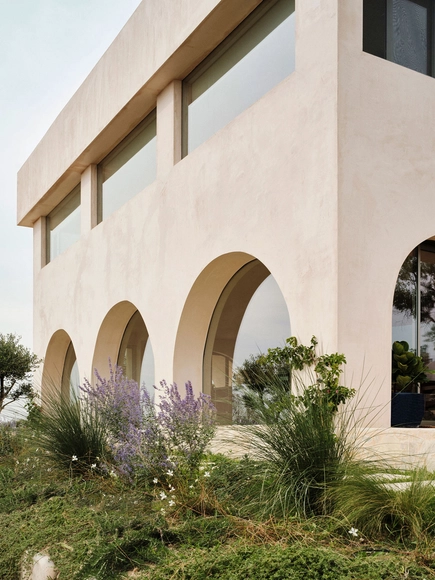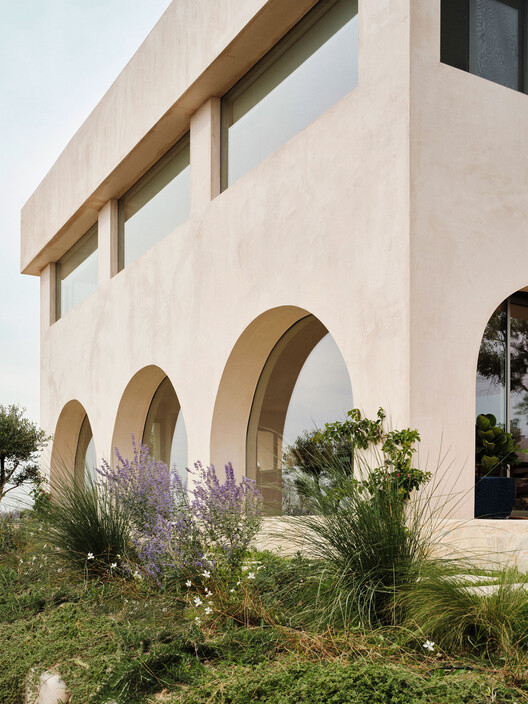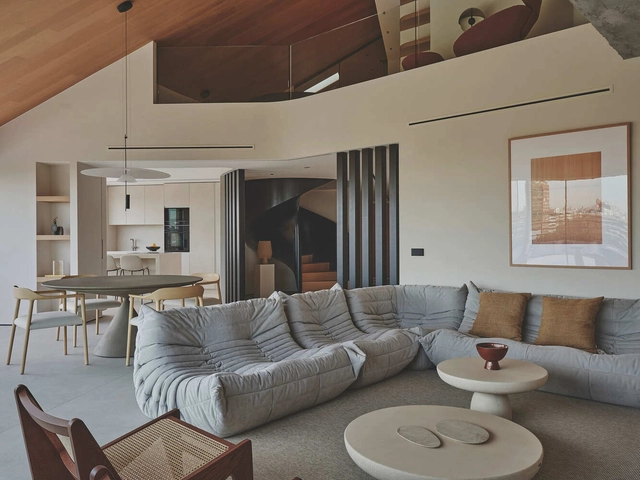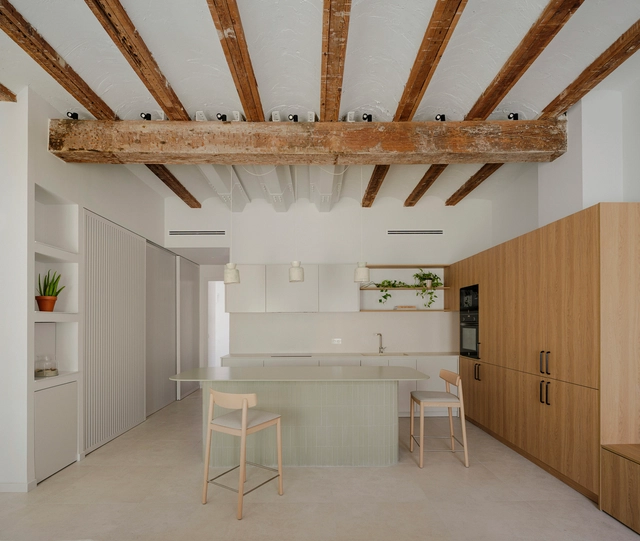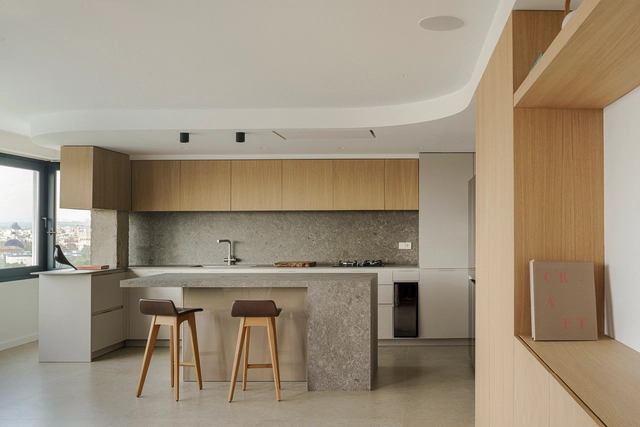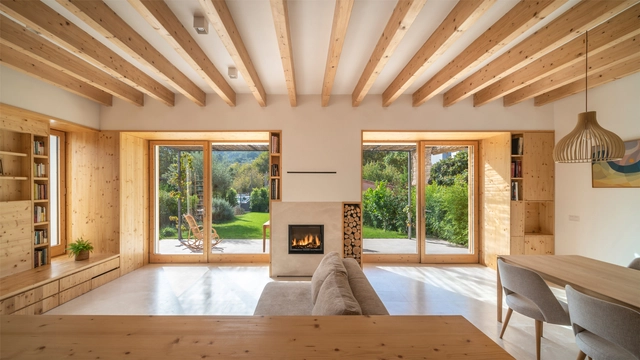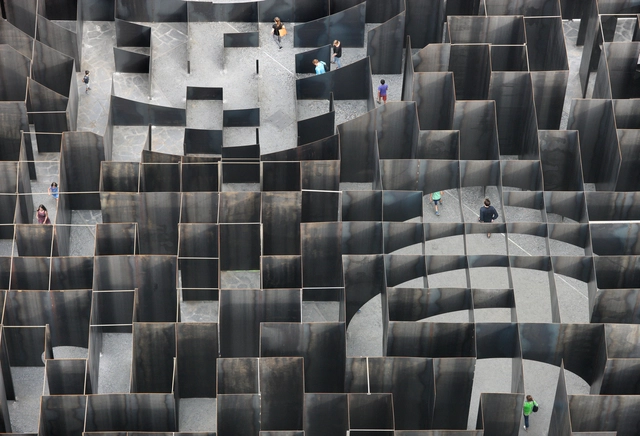
David Zarzoso

BROWSE ALL FROM THIS PHOTOGRAPHER HERE
↓

World Architecture Day 2025: How We Design for Strength in an Age of Crisis

Today, on the first Monday of October, we celebrate World Architecture Day. This year, the International Union of Architects (UIA) has set the theme "Design for Strength," a powerful call to action that resonates deeply with the UN's focus on urban crisis response. In a world facing unprecedented environmental and social disruptions, this theme challenges us to move beyond temporary fixes. It asks: How can our buildings and cities not only withstand shocks but also foster equity, continuity, and resilience?

While the concept of strength in architecture can easily evoke images of reinforced concrete and steel, a more profound interpretation is emerging, one that defines strength not as mere rigidity, but as a holistic capacity to endure and adapt. This includes many facets, from ecological resilience and stewardship to long-lasting concepts of social resilience or the long-lasting conservation of existing urban structures, all contributing to a built environment more able to respond to the multitude of crises faced by cities worldwide.

World Architecture Day 2025: How We Design for Strength in an Age of Crisis - More Images+ 20

How Are New Design Innovations Shaping Interiors in Spain?

 | Sponsored Content

Innovation is at the core of architecture, expressed through new approaches to design, material experimentation, and, of course, ways of living. As a result, the conception of buildings and indoor spaces is constantly evolving. This evolution is especially evident in regions with a rich cultural heritage, such as Spain, where innovation reinterprets traditional ways of relating to space. This attentiveness to memory and daily life extends into interiors, where each intervention has the potential to actively reshape how people experience a space and open new possibilities for living and interaction.

How Are New Design Innovations Shaping Interiors in Spain? - More Images+ 10

Evolving Urban Playgrounds: 5 Design Strategies and 31 Projects Around the Globe

Urban playgrounds are evolving from simple swing sets and slides into dynamic, multi-faceted urban landscapes. These new designs are more than just places to play; they are thoughtfully integrated spaces that address urban challenges, promote community, and inspire creativity. A key trend is the intentional use of color and pattern. Designers are utilizing vibrant color zones to segment different functional areas, creating a visually dynamic experience that contrasts with natural surroundings. This approach can also be used to establish a cohesive urban identity, with thoughtful color palettes that complement the existing cityscape.

Evolving Urban Playgrounds: 5 Design Strategies and 31 Projects Around the Globe - More Images+ 34

Coveta Residence / NOS Arquitectura

Coveta Residence / NOS Arquitectura - More Images+ 21

•
El Campello, Spain
  • Architects: NOS Arquitectura
  • Area Area of this architecture project Area:  220 m²
  • Year Completion year of this architecture project Year:  2024
Subscriber Access

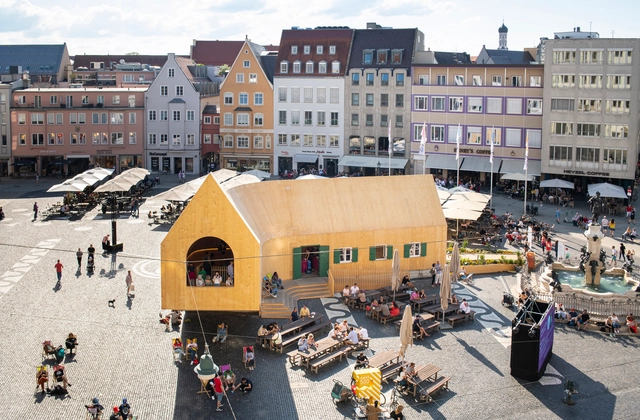
Pavilions in Urban Spaces: On the Experimentation, Recycling, and Reuse of Materials

How do pavilions emerge in architecture? What role do they play in urban spaces? Beyond the multiple interpretations that exist around the world, the pavilion, as an architectural principle and typology, tends toward extroversion, often associated with a centrifugal nature and visual openness toward the horizon, which is linked to its origins as a tent offering shelter from the elements. Pavilions are usually identified as isolated and independent structures that can promote lateral openings in the urban space, panoramic or introspective views, technological reflections, and material experiments that are recognizable from the outside or once inside.

Pavilions in Urban Spaces: On the Experimentation, Recycling, and Reuse of Materials - More Images+ 26

Ático Curvo / Destudio

Ático Curvo / Destudio - More Images+ 31

Casa Ona / Paloma Bau Studio

Casa Ona / Paloma Bau Studio - More Images+ 14

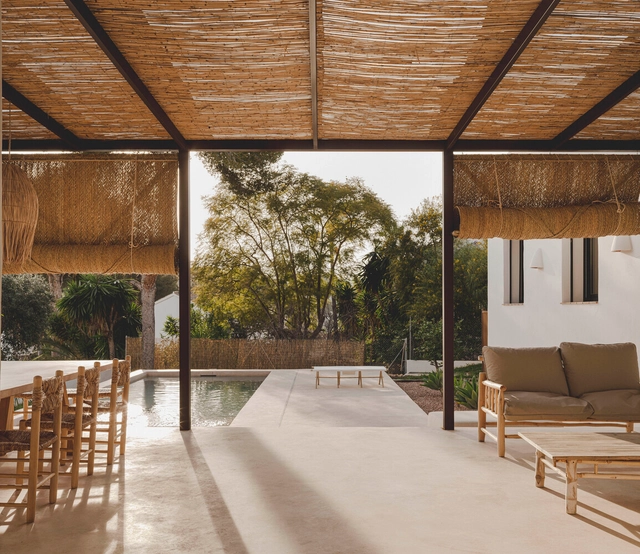
Z Ø / BETA Ø

Z Ø / BETA Ø - Interior Photography, Houses, Lighting
© David Zarzoso

Z Ø / BETA Ø - More Images+ 13

•
Madrid, Spain
  • Architects: BETA Ø
  • Area Area of this architecture project Area:  250 m²
  • Year Completion year of this architecture project Year:  2023
Subscriber Access

Bars, Cafés, and Shops in Madrid: The Role of Design in Creating Urban Tourism Highlights

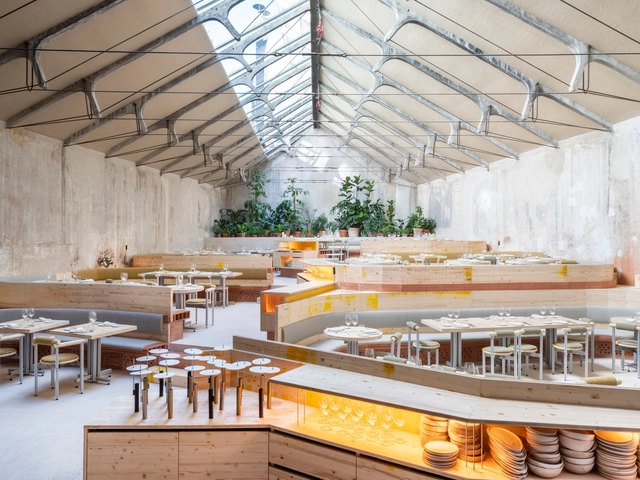
The post-pandemic world has undergone transformations in various aspects, including urban tourism and new modes of travel. With the rise of remote and freelance work, many people now have the freedom to move between cities without needing to establish a permanent residence. This has turned bars, restaurants, and cafés into more than just spaces for consumption: they are now temporary offices and, in many cases, settings for a variety of activities.

On the other hand, shops and retail spaces have evolved to offer more than just the sale of products or services. They have become part of a holistic consumer experience, fostering an emotional connection with users.

Bars, Cafés, and Shops in Madrid: The Role of Design in Creating Urban Tourism Highlights - Image 1 of 4Bars, Cafés, and Shops in Madrid: The Role of Design in Creating Urban Tourism Highlights - Image 2 of 4Bars, Cafés, and Shops in Madrid: The Role of Design in Creating Urban Tourism Highlights - Image 3 of 4Bars, Cafés, and Shops in Madrid: The Role of Design in Creating Urban Tourism Highlights - Image 4 of 4Bars, Cafés, and Shops in Madrid: The Role of Design in Creating Urban Tourism Highlights - More Images+ 21

Subscriber Access

Valencia Architecture City Guide: Unveiling 24 Architectural Highlights Across Spain’s Artistic Hub

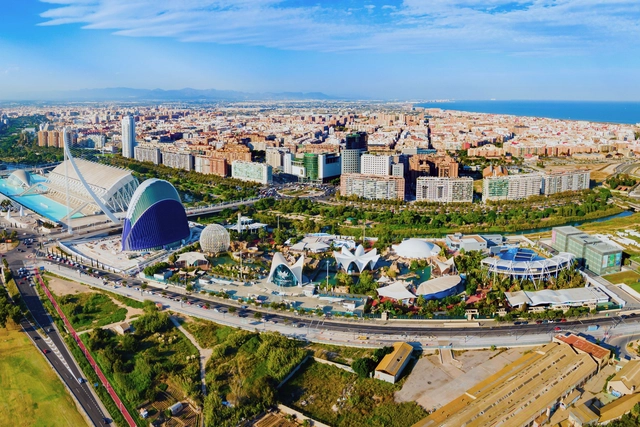
Valencia, one of Spain's most vibrant cities, boasts a rich architectural history that mirrors its cultural and historical evolution. Founded by the Romans in 138 BC, the city has been shaped by successive waves of influence, from the Visigoths and Moors to the Christian reconquest in the 13th century. Each period left a distinct architectural imprint, giving Valencia a unique blend of Gothic, Baroque, and Renaissance structures alongside modern interventions. Among the city's most prominent historic landmarks is the La Longa de la Seda, a UNESCO World Heritage site, which exemplifies late Gothic civic architecture, alongside the majestic Valencia Cathedral, where Romanesque, Gothic, and Baroque elements intertwine, illustrating the city's layered past.

Valencia's architectural evolution did not end with its historical legacy. Today, the city is a dynamic example of how modern and contemporary architecture can coexist with ancient structures. The striking City of Arts and Sciences, designed by Valencian architect Santiago Calatrava, has become an international symbol of innovation, pushing the boundaries of futuristic design. In parallel, urban planning projects like transforming the former Turia riverbed into a lush green park have redefined public space and sustainability in the city. This balance between preservation and cutting-edge design reflects Valencia's commitment to embracing modernity while honoring its historical roots, making it not only a city steeped in history but also one at the forefront of contemporary architectural practice.

Valencia Architecture City Guide: Unveiling 24 Architectural Highlights Across Spain’s Artistic Hub - More Images+ 21

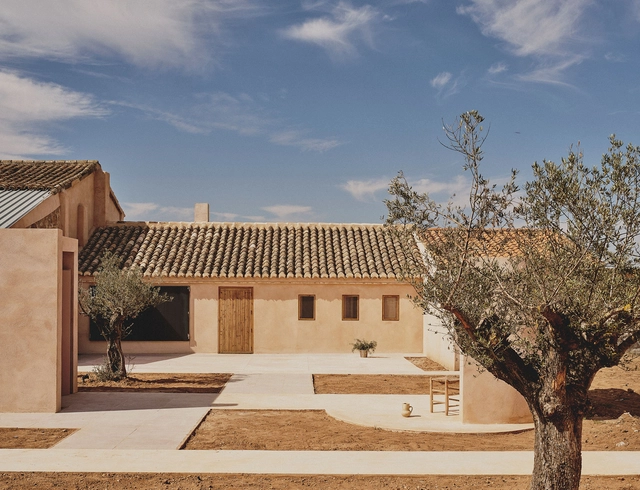
Casu Residence / Belen Ilarri Studio

Casu Residence / Belen Ilarri Studio - More Images+ 15

•
Casas de Eufemia, Spain
  • Area Area of this architecture project Area:  155 m²
  • Year Completion year of this architecture project Year:  2024
Subscriber Access

How Lime Enhances Contemporary Architecture

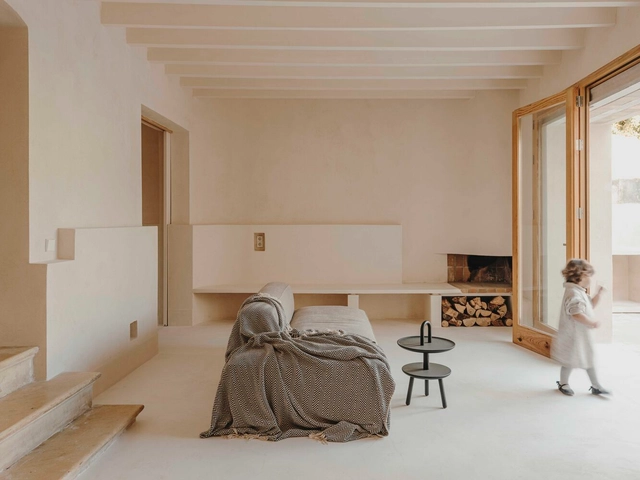
The history of the use of lime in the construction industry dates back thousands of years, spanning cultures and communities worldwide. In fact, around 4000 B.C., the ancient Egyptians used quicklime mixed with water as a building material for their pyramids. Although lime has multiple applications in the food and agricultural industries, as well as in chemical, mining, and steel industries, in architecture it is one of the main construction materials due to its versatility, adhesion, waterproofing, workability, performance, setting, and durability, which allow for the creation of masonry mortars, interior or exterior plasters, among other functions.
How Lime Enhances Contemporary Architecture - More Images+ 25

Can Bau / Paloma Bau Studio + Viraje arquitectura

Can Bau / Paloma Bau Studio + Viraje arquitectura - More Images+ 23

•
Moraira, Spain

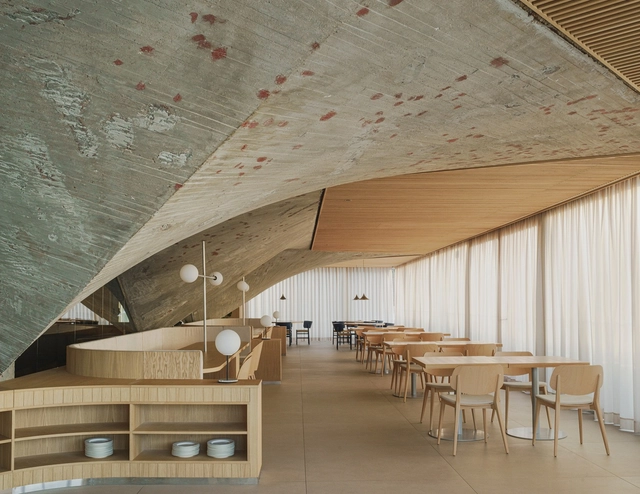
The Cantabrian Maritime Museum Restaurant / Zooco Estudio

The Cantabrian Maritime Museum Restaurant / Zooco Estudio - More Images+ 20

  • Architects: Zooco Estudio
  • Area Area of this architecture project Area:  620 m²
  • Year Completion year of this architecture project Year:  2023

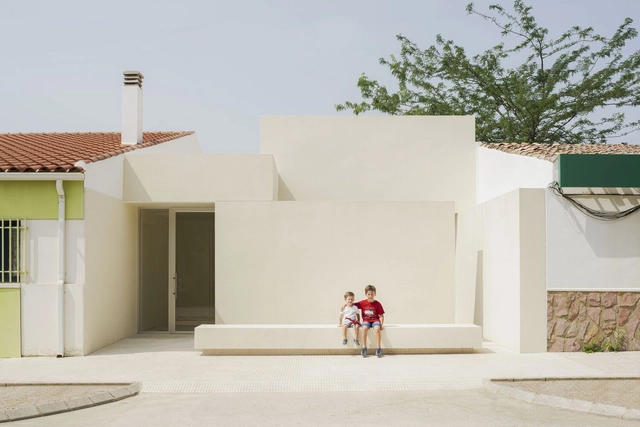
Kindergarten in Aguas Nuevas / Iterare arquitectos

Kindergarten in Aguas Nuevas / Iterare arquitectos - More Images+ 19

•
Aguas Nuevas, Spain
  • Area Area of this architecture project Area:  100 m²
  • Year Completion year of this architecture project Year:  2023
Subscriber Access

The 50 Best Houses of 2023

ArchDaily's curatorial team strives every day to present our readers with the most significant, inspiring, and innovative projects, while also ensuring a diverse representation of global architecture.

As part of our 2023 Year in Review retrospective on ArchDaily, we look back and reflect on what was published over the past year. Residential architecture remains one of our most visited categories of built projects, generating immense interest among our users worldwide. With this in mind, we have selected the 50 best houses published this year on ArchDaily en Español, offering a brief showcase of the form and character of residential architecture across the Spanish-speaking world.

The 50 Best Houses of 2023 - More Images+ 46

Casa Pelayo / Destudio

Casa Pelayo / Destudio - More Images+ 5

•
Valencia, Spain
  • Architects: Destudio
  • Area Area of this architecture project Area:  130 m²
  • Year Completion year of this architecture project Year:  2023
  • Manufacturers Brands with products used in this architecture project
    Manufacturers:  Inalco, Arkoslight, Buitec, Cortizo, Nivel Diez, +2
Subscriber Access

Journey to Energy Efficiency: 10 Spanish Homes Applying Bioclimatic Strategies and Designs

How is it possible to reduce the energy consumption of our homes? What design, material, and/or technological strategies can be developed to achieve interior comfort while also addressing the climate crisis? While achieving energy efficiency depends, among other factors, on the state of the homes, there are various strategies related to the implementation of renewable energies, air conditioning technologies, and more that can be applied, taking into account government policies, laws, regulations, and standards specific to each region.