
-
Architects: Michael Hansmeyer, Studio Benjamin Dillenburger
- Year: 2025
-
Manufacturers: Sika
-
Professionals: Invias AG, Zindel+Co. AG, Conzett Bronzini Partner AG, mk bauphysik, SIKA, +9
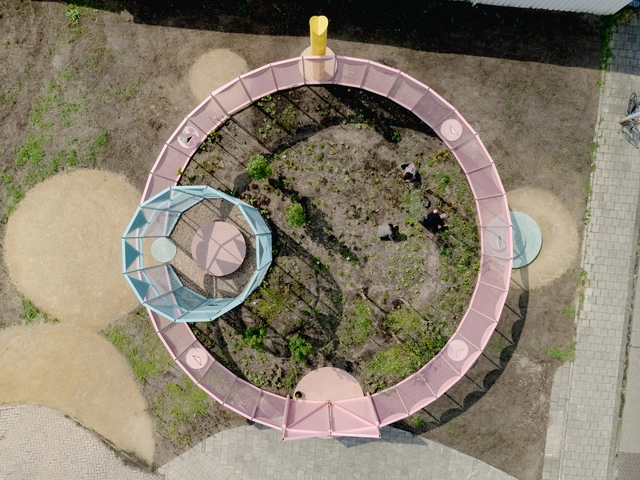
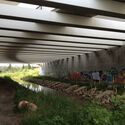
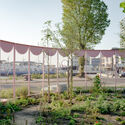
As climate instability reshapes design priorities, architecture is increasingly drawn into ecological debates not as a spectator but as a participant. Among the concepts gaining traction is rewilding, a practice rooted in the restoration of self-sustaining ecosystems through the reintroduction of biodiversity, the removal of barriers, and the rebalancing of human presence in the landscape. Though often associated with conservation biology, rewilding also opens up new spatial and architectural imaginaries — ones that challenge conventional notions of permanence, authorship, and use.
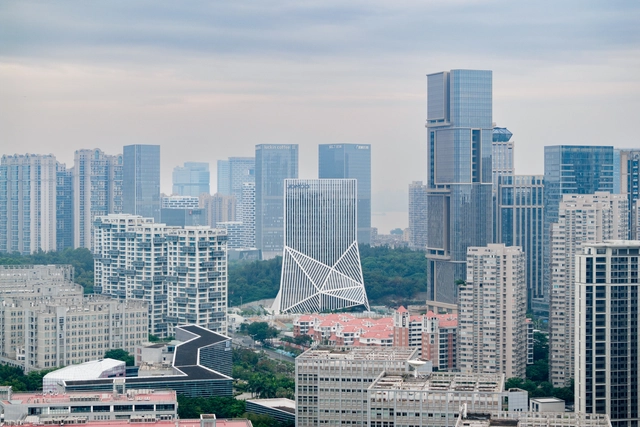
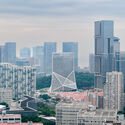
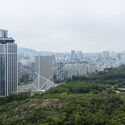
OMA has completed the JOMOO Headquarters in Xiamen, marking the first office campus for China's largest sanitaryware company. Situated at the edge of the city's central business district, the building reflects JOMOO's ongoing transformation into a global brand. The project was led by OMA Partner Chris van Duijn, alongside project architects Lingxiao Zhang and Chen Lu. According to Chris van Duijn, the headquarters is part of a broader trajectory in OMA's work across rapidly developing Chinese cities such as Hangzhou, Xiamen, and Shenzhen, where the office continues to explore new relationships between tower architecture and its urban context.
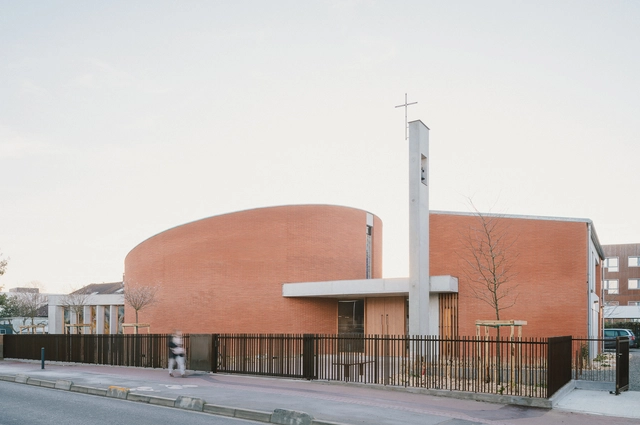
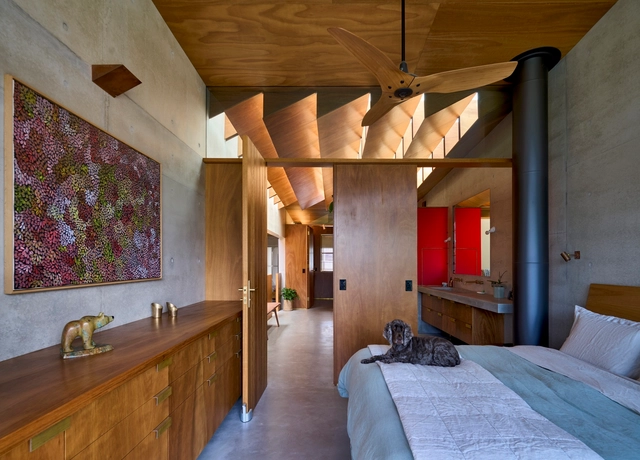
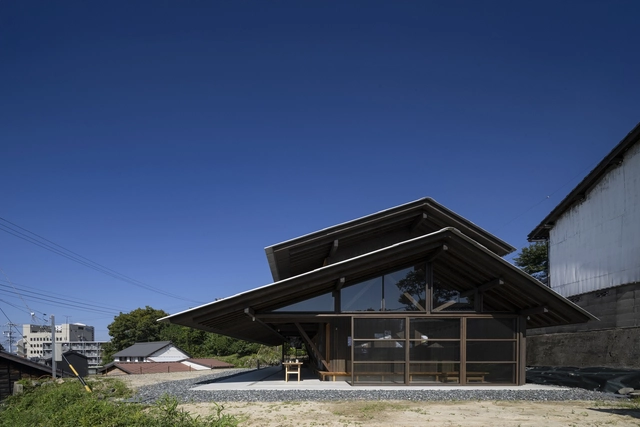
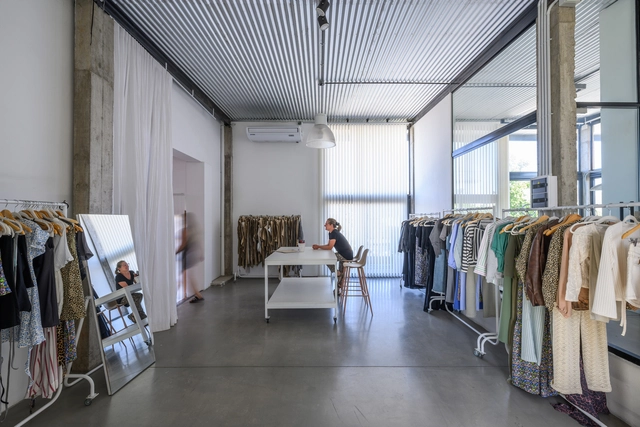

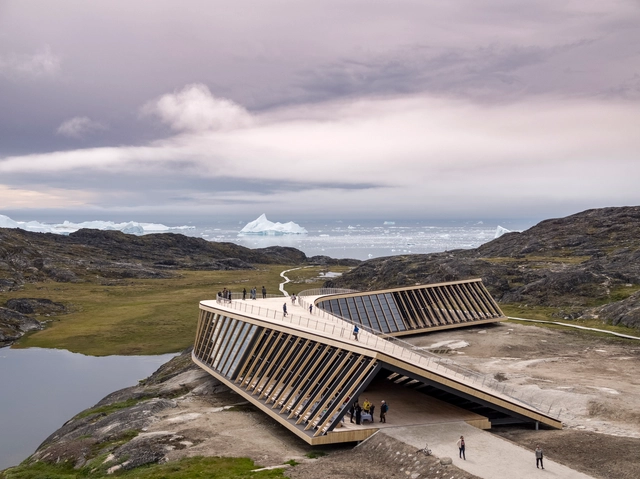
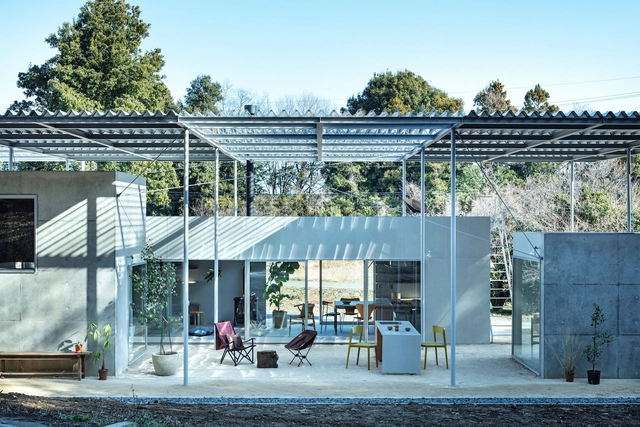
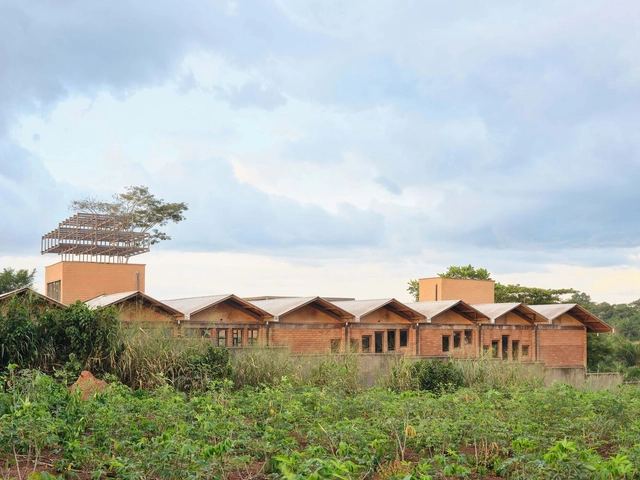
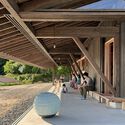
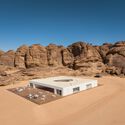
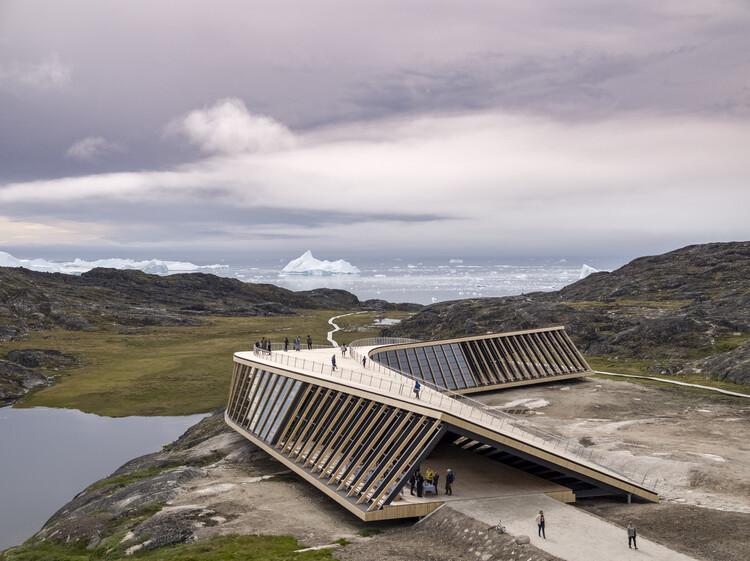
Destinations like ecological reserves, national parks, and historic sites rank among the most visited places worldwide. Motivated by different desires — from aesthetic appreciation to a longing for connection with nature — visitors are drawn to locations marked by historical importance, scenic beauty, or architectural significance. In this context, it becomes essential for the institutions responsible for preserving and managing these sites to adopt thoughtful mediation strategies — both in terms of communication and spatial design. One such strategy is the creation of visitor centers: architectural structures that not only receive guests but also educate and guide them. These buildings act as interfaces between the site and its audience, translating the ecological, historical, and cultural values of the place into architectural form.