

-
Architects: Vinklu
- Area: 18 m²
- Year: 2025
-
Manufacturers: Saint-Gobain, Marset, Pholc
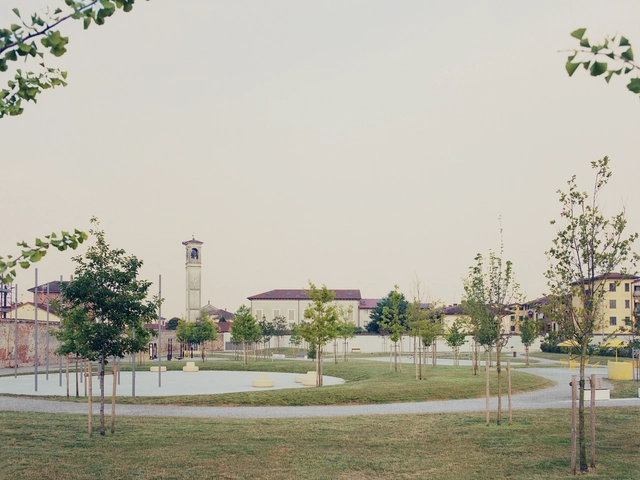
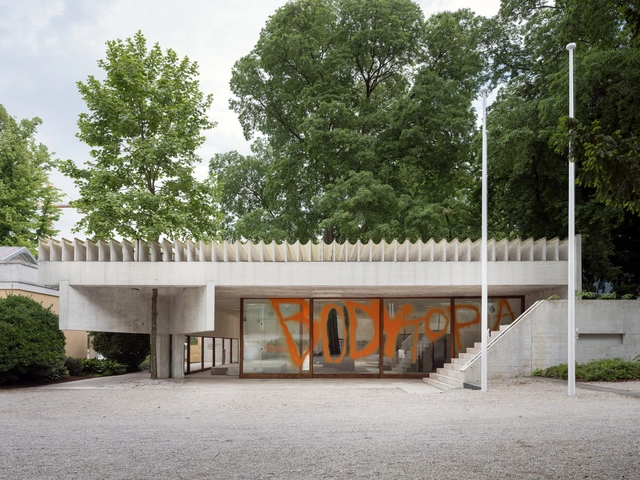
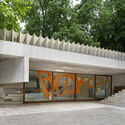
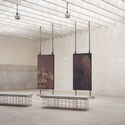
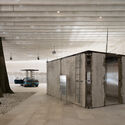
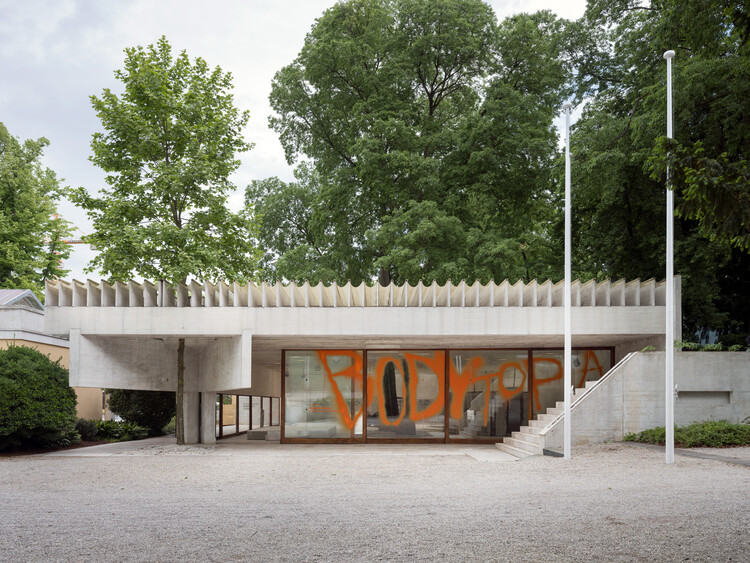
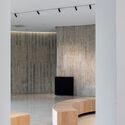
The Nordic countries' display at the 19th International Architecture Exhibition of La Biennale di Venezia is housed in Sverre Fehn's celebrated 1962 Nordic Pavilion, a landmark of architectural modernism representing Sweden, Norway, and Finland. This year, the Nordic countries present an exhibition that blends architecture, performance, and art installation, treating the built environment as a stage for the sociopolitical norms of fossil-based culture. Curated by Kaisa Karvinen for the Architecture & Design Museum Helsinki, the exhibition, titled Industry Muscle: Five Scores for Architecture, explores modern architecture through the lens of the trans body, featuring the work of Finnish artist Teo Ala-Ruona, who combines performance art, theatre, and choreography.
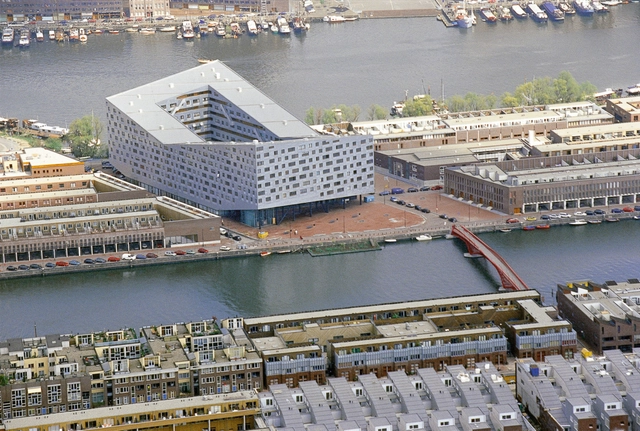
In 2020, in the midst of the first wave of lockdowns due to the pandemic, the municipality of Amsterdam announced its strategy for recovering from this crisis by embracing the concept of the “Doughnut Economy.” The model is developed by British economist Kate Raworth and popularized through her book, “Doughnut Economics: Seven Ways to Think Like a 21st-Century Economist”, released in 2017. Here, she argues that the true purpose of economics does not have to equal growth. Instead, the aim is to find a sweet spot, a way to balance the need to provide everyone with what they need to live a good life, a “social foundation” while limiting our impact on the environment, “the environmental ceiling.” With the help of Raworth, Amsterdam has downscaled this approach to the size of a city. The model is now used to inform city-wide strategies and developments in support of this overarching idea: providing a good quality of life for all without putting additional pressure on the planet. Other cities are following this example.
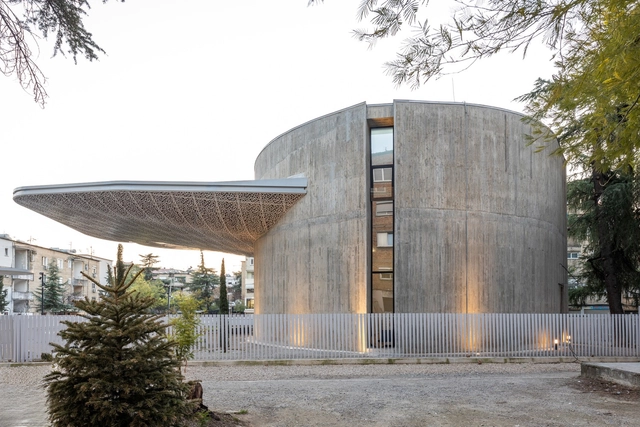
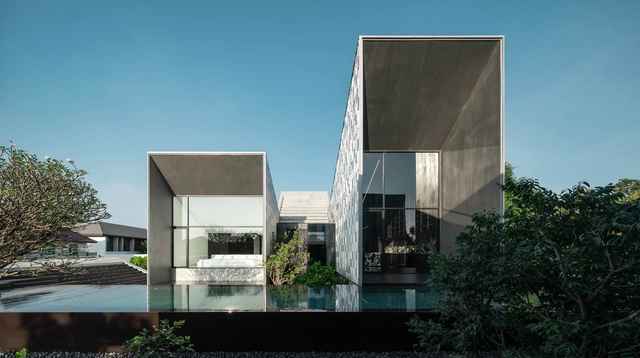
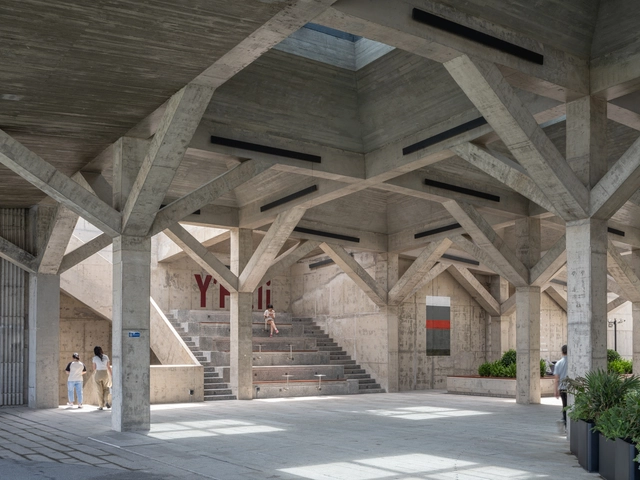
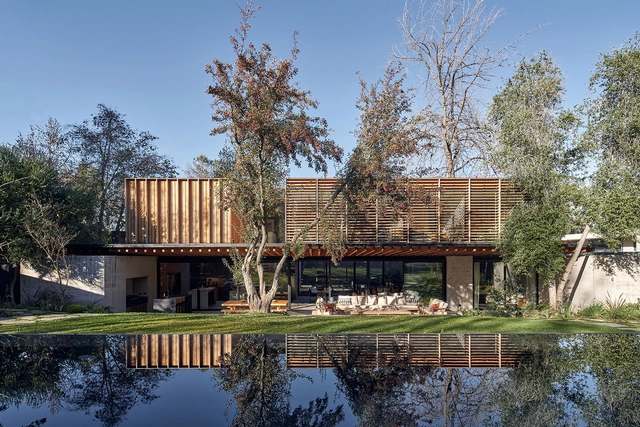
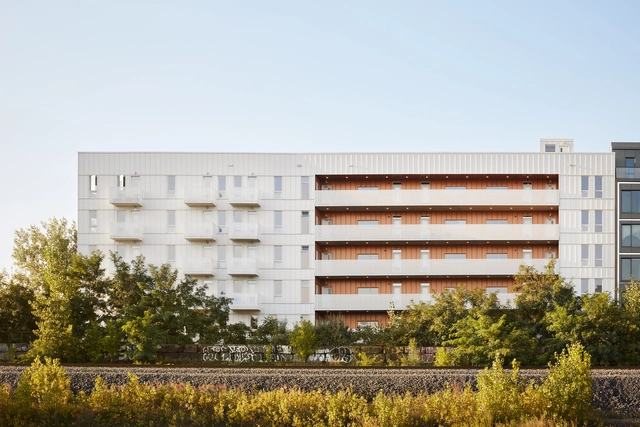
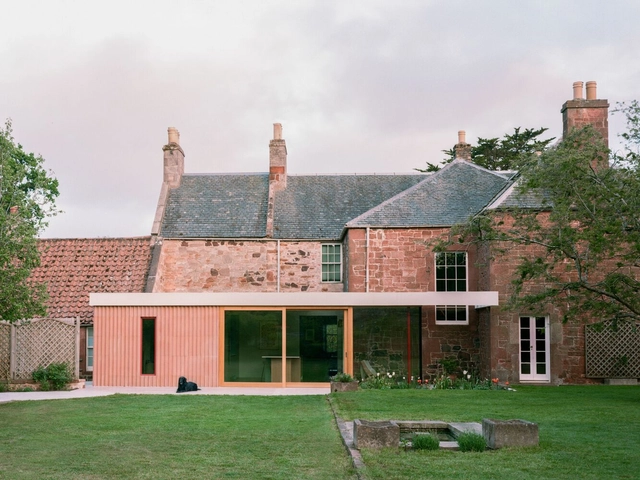
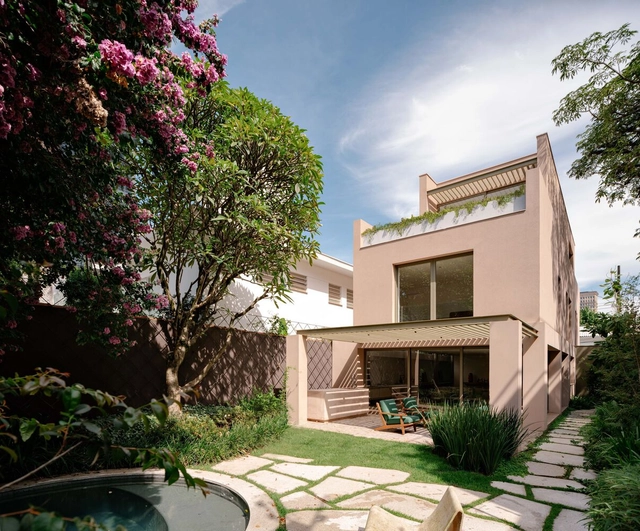
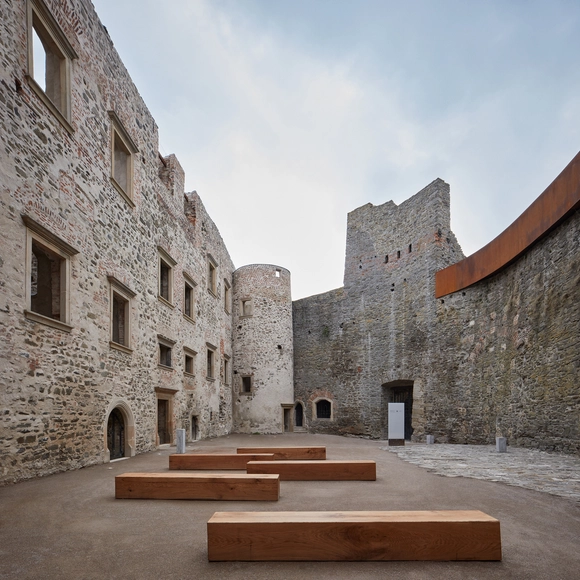
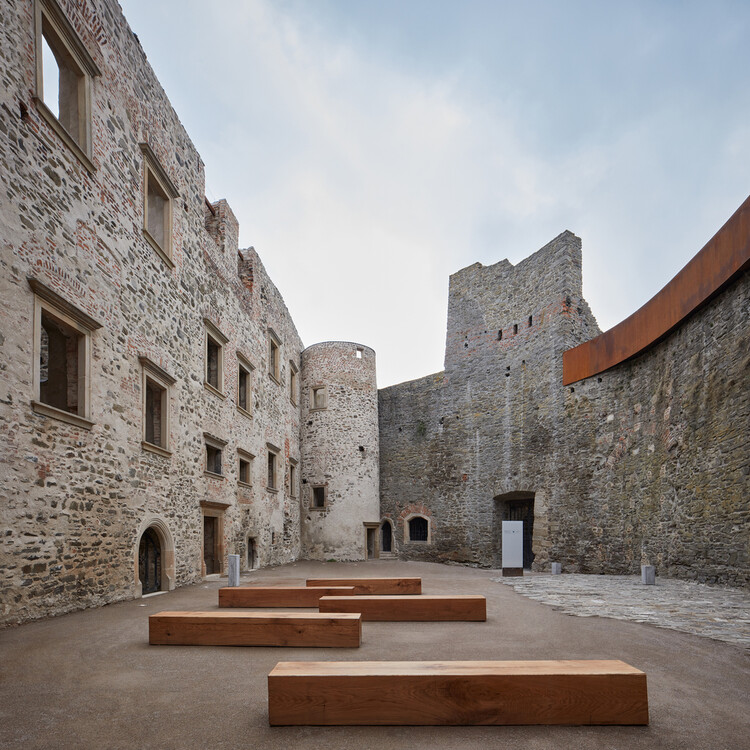
To recover, revitalize, convert—these actions have become increasingly present in contemporary cities, where architecture takes on the role of stitching together the overlapping layers of time that make up the urban fabric. Faced with this task, architects have explored a range of design strategies. Among them, one material in particular has stood out for how frequently—and effectively—it appears in interventions on historic buildings and contexts: corten steel. With its rusted surface, rich in texture and tone, it seems to offer a compelling answer to the challenging question of how to insert the new into the old. But what makes this material so recurrent in these situations? Is it simply its durability and versatility, or is there something deeper in its visual and symbolic presence?