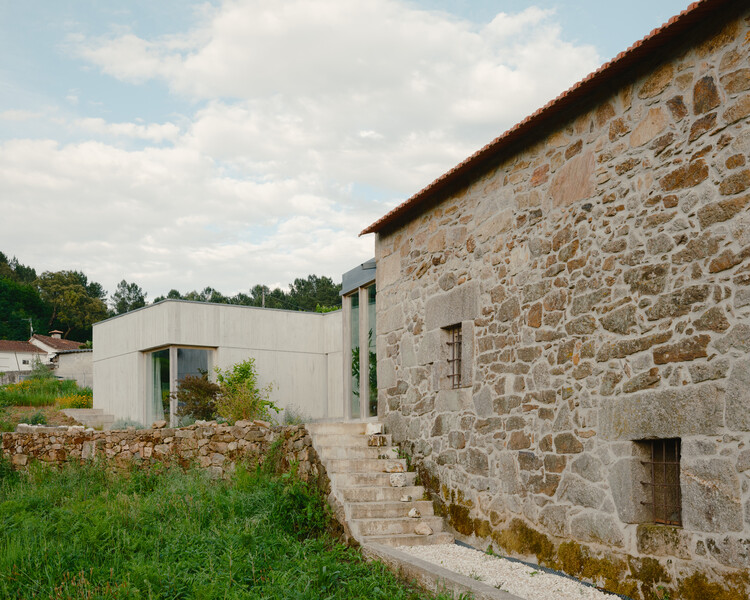
-
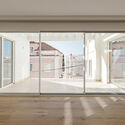
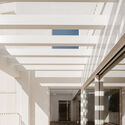
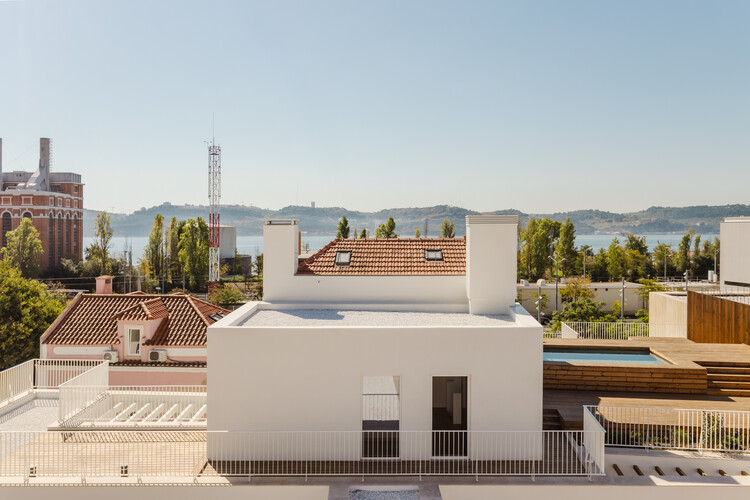
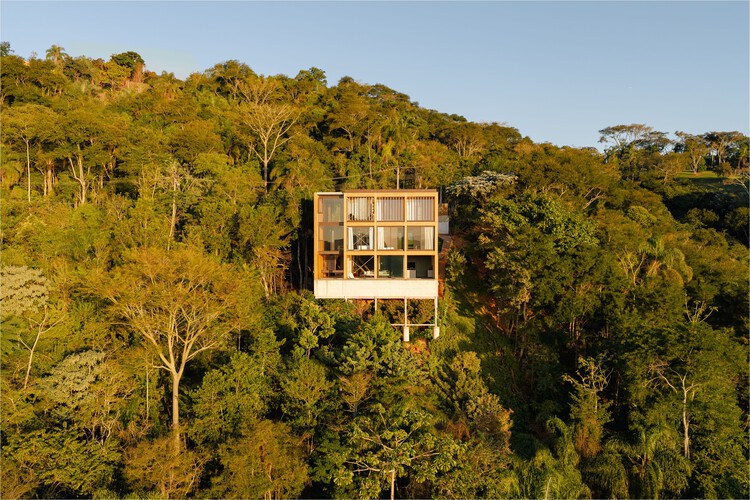
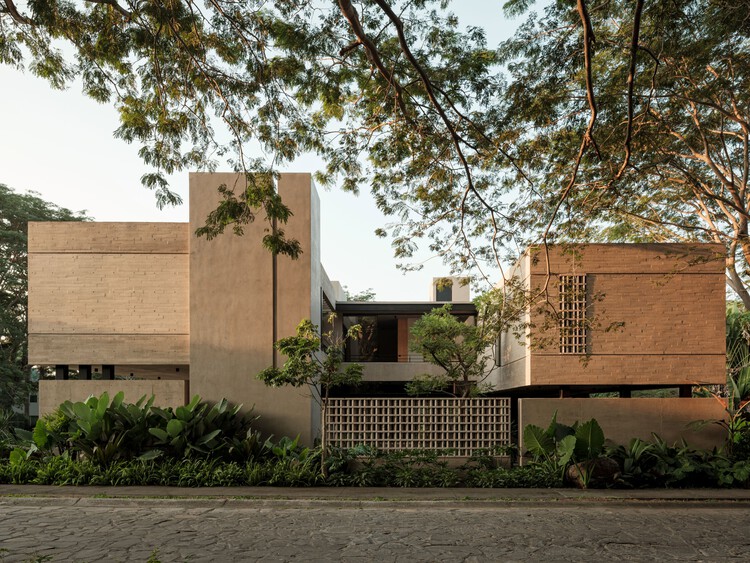
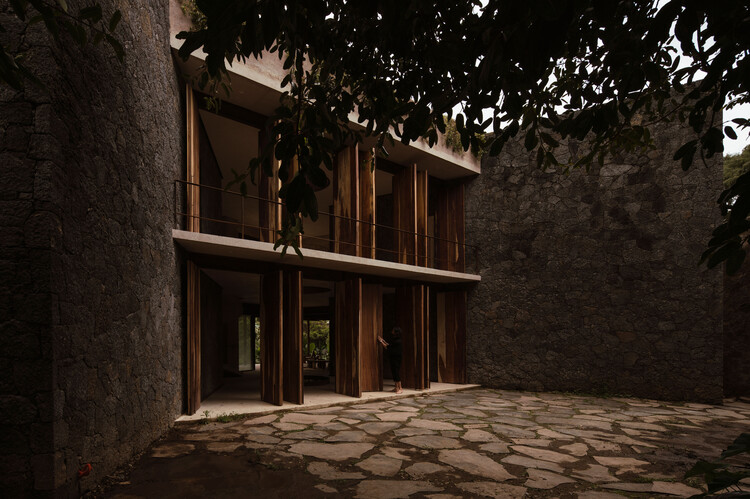
Architects: DOSA STUDIO
- Area: 1130 m²
- Year: 2022
-
Manufacturers: Rokam


At a moment when architects across the globe are revisiting earthen construction, reassessing vernacular technologies, and forging visceral connections between communities and the land beneath their feet, others are sketching habitats for the Moon and designing the built environments of a Martian colony. Architecture firms, engineers, and space agencies are investing serious intellectual effort into structures that would need to be raised from scratch on another world. Two impulses, one returning to the soil, the other reaching for the stars, are unfolding simultaneously within the same discipline. And the tension between them raises an uncomfortable question: what, exactly, are we trying to escape?

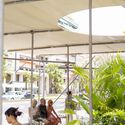
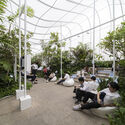
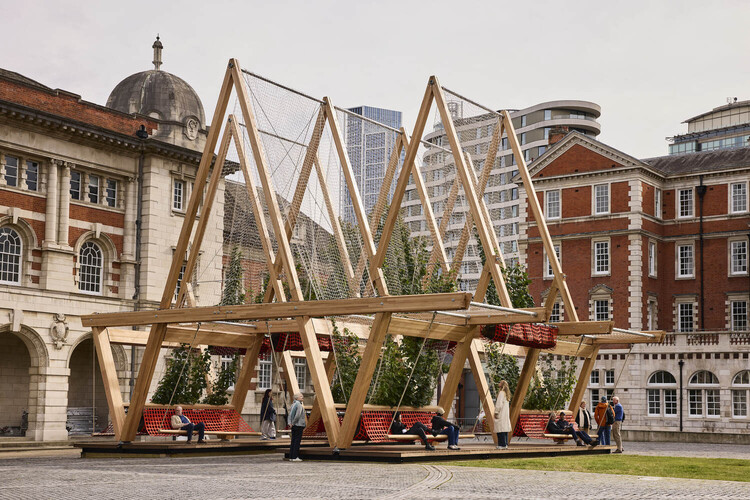
Water management, air quality, and heat mitigation are usually planned through systems much larger than the spaces where people actually experience them. Drainage networks sit below the street. Air pollution is measured across entire cities. Yet these conditions are felt much closer to the body: while waiting for a bus in the sun, walking through a flooded street, crossing an exposed plaza, or looking for somewhere to sit when the air itself feels difficult to breathe.
Heat makes this question especially urgent. As cities become warmer, streets, parks, transit areas, and other public spaces are increasingly becoming sites where design can reduce exposure through shade, planting, airflow, and water. For architecture, that brings part of climate adaptation into the spaces people use every day.


Japanese architect Kengo Kuma has been selected to receive the Andrée Putman Lifetime Achievement Award at the 2027 Créateurs Design Awards (CDA). The award, one of two Legacy Awards presented by the organization, recognizes a career that has influenced architecture and the built environment across generations and geographic contexts. Kuma will receive the honor during the CDA Awards Ceremony, which will take place at the Shangri-La Paris on January 16, 2027.


ArchDaily is looking for Social Media Collaborators to join our content team. Our Social Media Teams transform ArchDaily's content into engaging, high-performing digital formats for various social media channels.
Your role involves hands-on content creation and repackaging, as well as a high degree of collaboration and creativity to amplify architectural ideas to a global audience.

What narratives do materials carry, and how can the visible "traces" of artisans engage in a dialogue with manufacturing processes and industrialization? Between design and construction, the act of thinking through making can become a guiding principle for a design philosophy. Combining wood, industrial materials, and reused objects, Atelier CRAFT's approach is rooted in reversible architecture, guided by its manifesto: "Transform design through making." Based in Saint-Ouen, Paris, the practice explores the relationships between humans and materials, the act of making, and manufacturing processes.


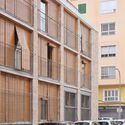
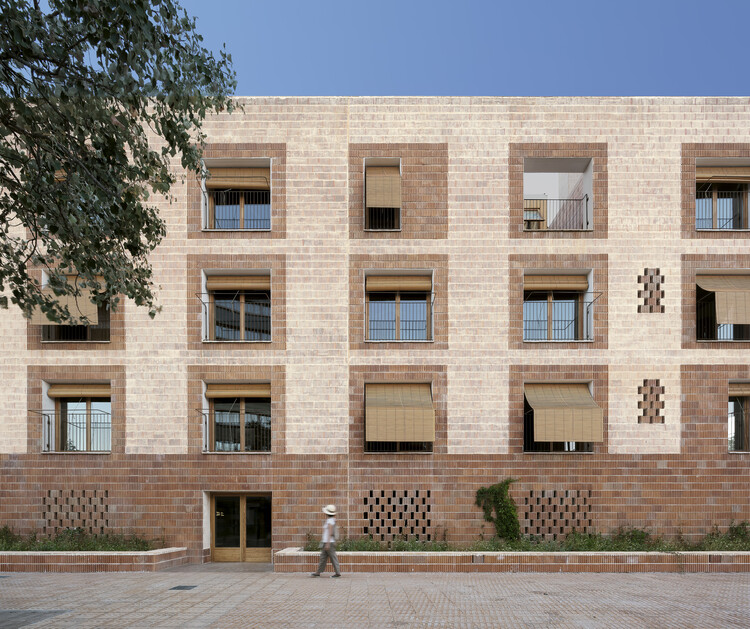
Amid growing economic, political, and climatic instability, the 2026 OBEL Award highlights the need for architectural approaches that rethink both existing and emerging infrastructures. The title for this edition is "Systems' Hack," where "systems" are understood as interrelated mechanisms governed by shared rules and "hacking" is framed as a strategic intervention that seeks to alter how these mechanisms operate. Within this framework, the OBEL Foundation has announced the Balearic Social Housing Model as the winner of this year's award, while also announcing a new cycle in 2027 under the same topic. The Balearic Social Housing Model is recognized for "transforming the role of social housing administration in the Balearic Islands between 2019 and 2023," proposing new approaches in response to an acute housing shortage and a critically limited public rental housing stock in Spain.