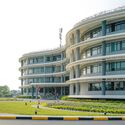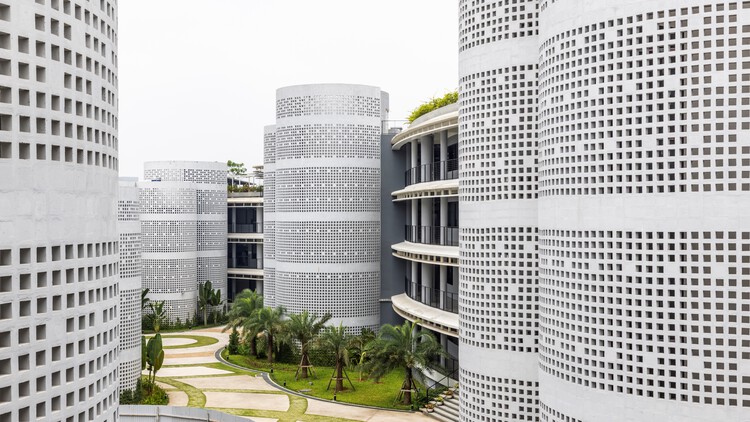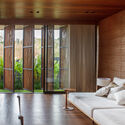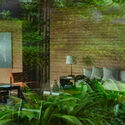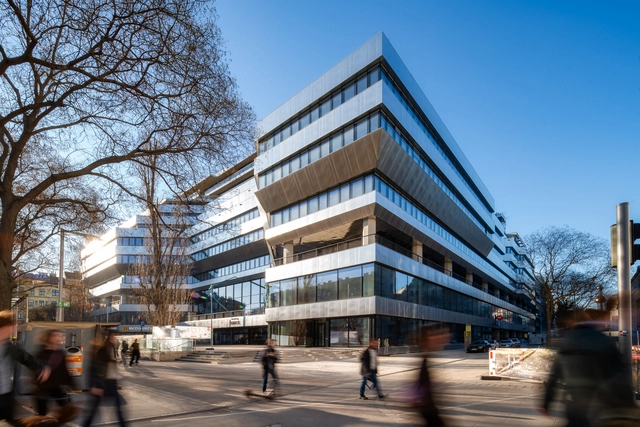
- Area: 60000 m²
- Year: 2024
-
Professionals: Outline Pictures, WOOW Studio, Spirk + Partner, Bartenbach, Pilz und Partner, Dr Pfeiler GmbH, +5

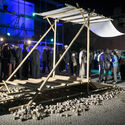
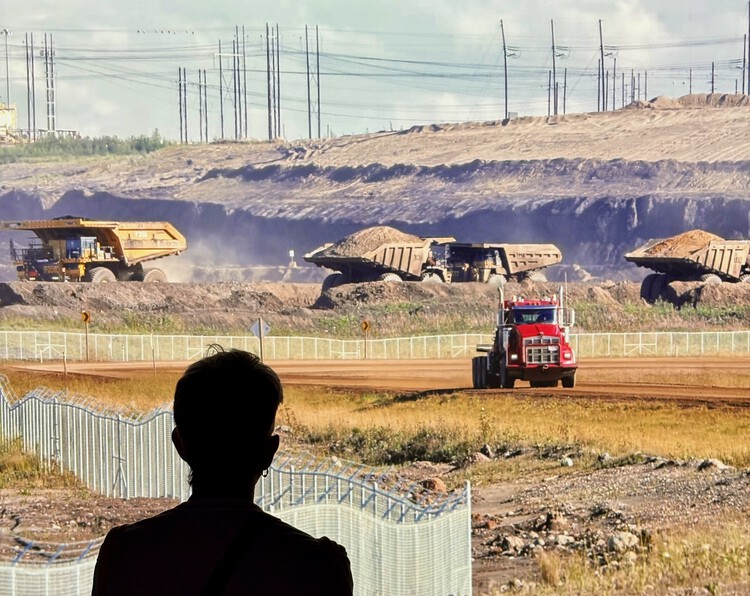
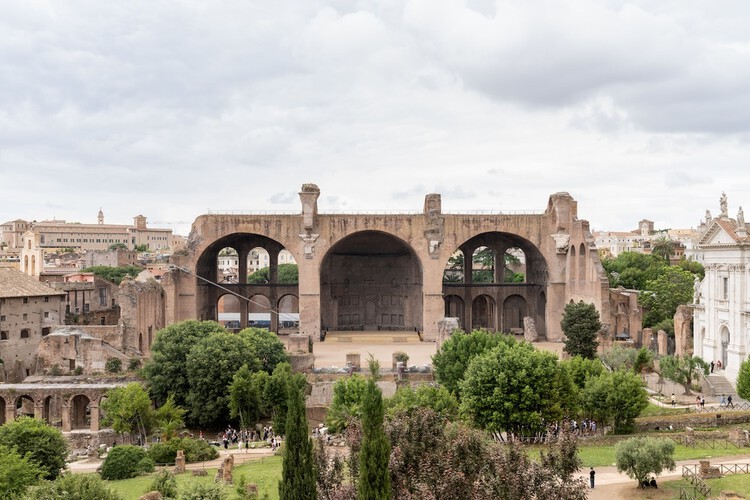
Thirty trillion tons. This is the estimated mass of all human-made matter on Earth, and the starting point for the 7th edition of the Lisbon Architecture Triennale. Curated by Ann-Sofi Rönnskog and John Palmesino, founders of Territorial Agency, the event asks a deceptively simple question: How heavy is a city? To answer it requires more than data. It demands a shift in perception: from the scale of the city to the planetary technosphere.
The technosphere, a term borrowed from Earth sciences, defines the vast system of infrastructures, technologies, and materials that sustain human life while reshaping the planet. Cities, in this view, are not only territories but dense nodes within this planetary metabolism. From October to December 2025, Lisbon becomes a lens to examine that magnitude, hosting three main exhibitions (Fluxes, Spectres, Lighter), a book of essays, a talks program, and more than twenty independent projects across the city.





I. M. Pei: Life Is Architecture, presented in collaboration with M+ Hong Kong, at Al Riwaq, is the first full-scale retrospective of Pei's seven-decade career. Opening to the public on 30 October 2025, together with I. M. Pei and the Making of the Museum of Islamic Art: From Square to Octagon and Octagon to Circle, the exhibitions will offer an unprecedented dual perspective on the internationally acclaimed architect.
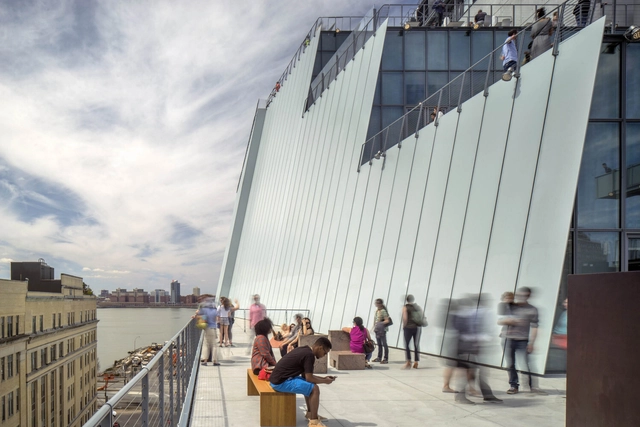
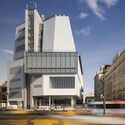
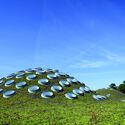
It's no exaggeration to say that Renzo Piano is one of the most unanimously respected architects in the world of architecture. With an oeuvre that blends respect for context, lightness and technology to create environmentally conscious and aesthetically pleasing structures, his approach combines advanced materials with traditional techniques. In projects of various scales, the Genoese architect maintains an essential thread: the implementation of passive architectural strategies, highlighting the importance of these methods for sustainability and energy efficiency. This is often made explicit in his sketches, as an initial concern, and clearly comes through in the finished works. Here are some examples of iconic projects developed by his office in recent decades.
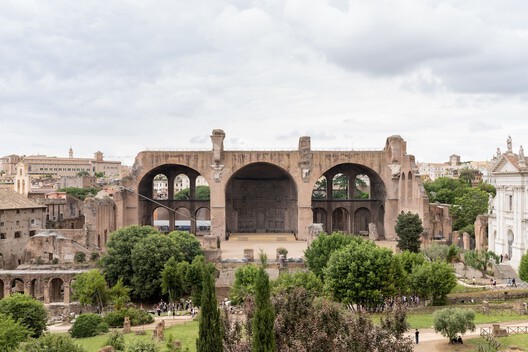
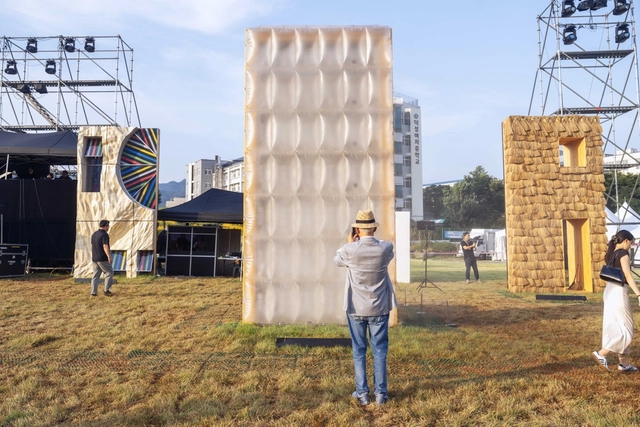
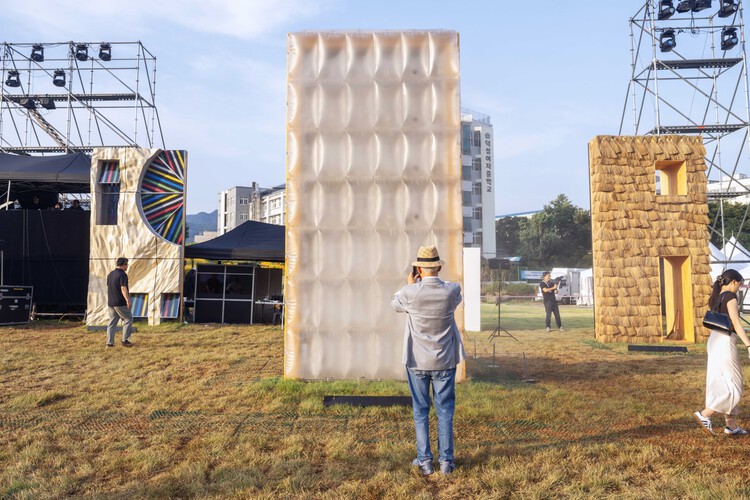
"Breathing Cells," an installation by MAD Architects, is currently on view at Songhyeon Green Plaza in Seoul as part of the 5th Seoul Biennale of Architecture and Urbanism. Invited by Biennale Director Thomas Heatherwick, the installation opened on September 26, 2025, and will remain on display until November 18. Responding to the curatorial theme "Radically More Human," the work presents an alternative vision for future urban environments, one where architecture behaves more like a living organism than a static object.

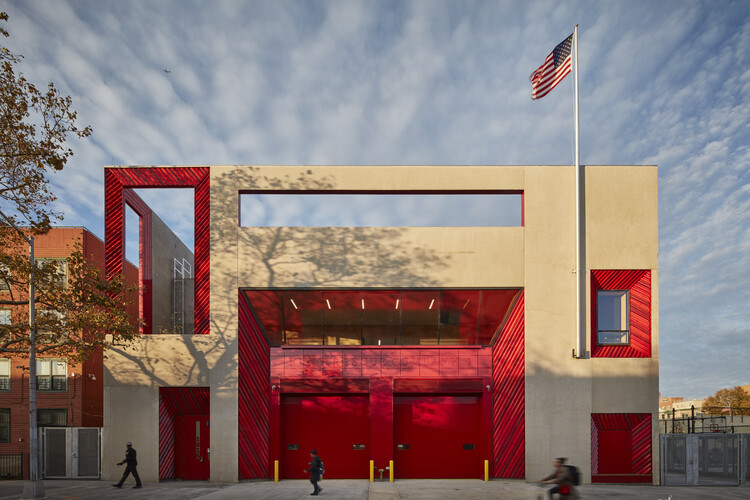
What should be taken into account when designing a fire station? The answer may seem obvious: functionality and efficiency. After all, every second counts in an emergency. But can a building designed for urgent operations also be aesthetically compelling, welcoming, and connected to its community? In recent decades, architects such as Zaha Hadid and Álvaro Siza have demonstrated that it can. By rethinking this building type, they have created spaces that go beyond emergency response—spaces that strengthen social ties, support the well-being of firefighters, and become urban landmarks.