
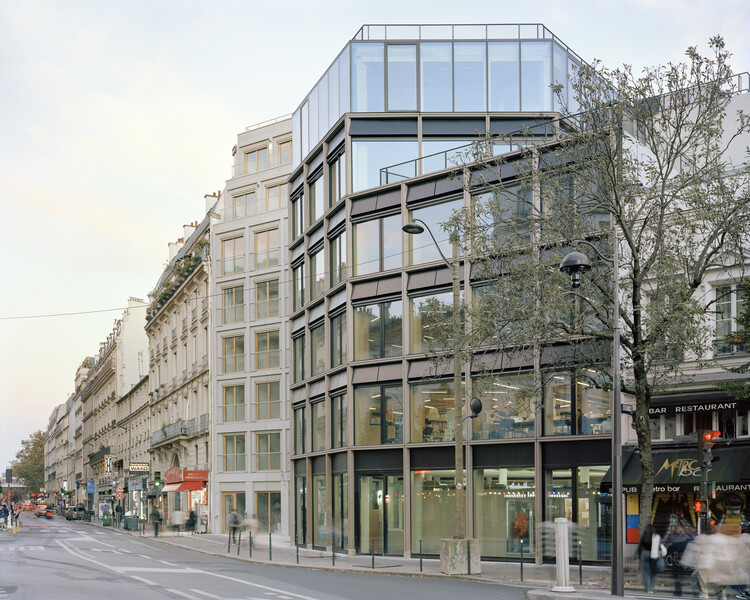
-
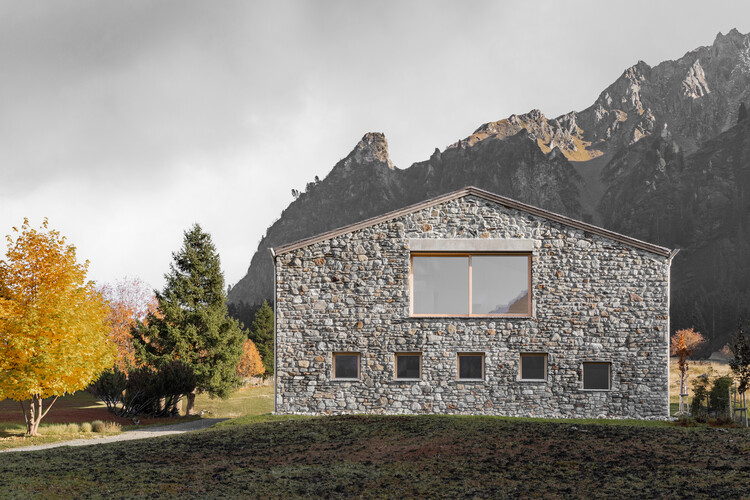
Architects: DATA architectes, THINK TANK architecture
- Area: 10300 m²
- Year: 2024

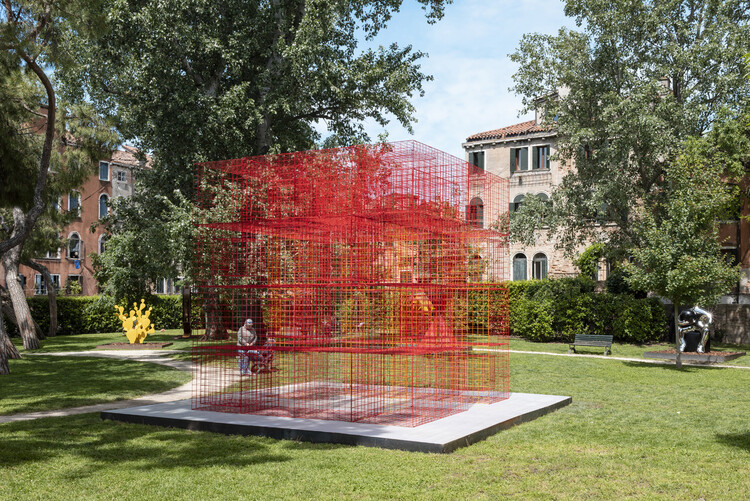
The European Cultural Centre Italy has announced the finalists of the ECC Awards, presented as part of Personal Structures – Confluences, the eighth edition of its international contemporary exhibition, running in parallel with the Venice Art Biennale. Running in Venice from 9 May to 22 November 2026 across Palazzo Bembo, Palazzo Mora and the Marinaressa Gardens, the exhibition provides the backdrop for the awards, which celebrate artistic practices engaging with the show's theme, Confluences, through research, interdisciplinarity and dialogue with place. The winners will be announced on 22 November 2026, during the exhibition's closing event.

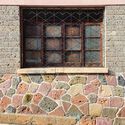
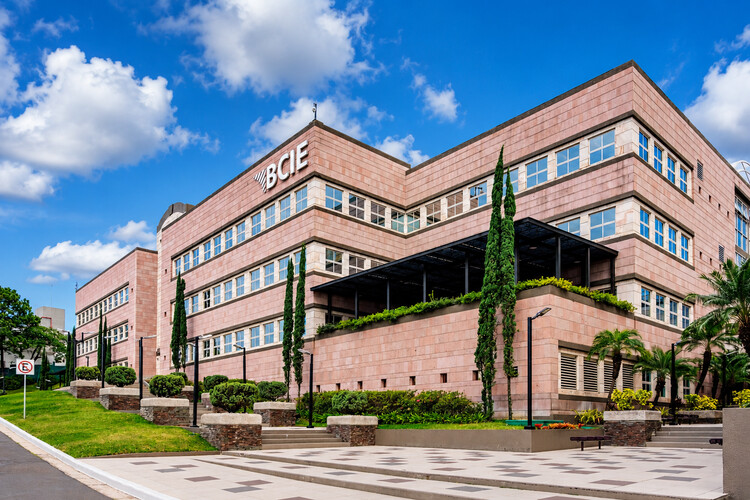
Central America's nations occupy a narrow land bridge between Mexico and Colombia, but they were not born as separate countries. They emerged from a single entity: the Federal Republic of Central America in 1823. That federation collapsed, yet the ideal of a unified region never fully died. In 1951, the governments signed the Charter of San Salvador, creating ODECA, the Organization of Central American States. Four decades later, the 1991 Protocol of Tegucigalpa replaced it with SICA, the Central American Integration System, the framework guiding regional cooperation today. Within this integration process, the Central American Bank for Economic Integration (BCIE) was founded in 1960 by Guatemala, El Salvador, Honduras, and Nicaragua, establishing its headquarters in Tegucigalpa. On the surface, it is a conventional late-20th-century office complex, but look closer at its façade, and the building becomes an argument about identity. One written in pink quarry stone from the very hills that surround the Honduran capital.


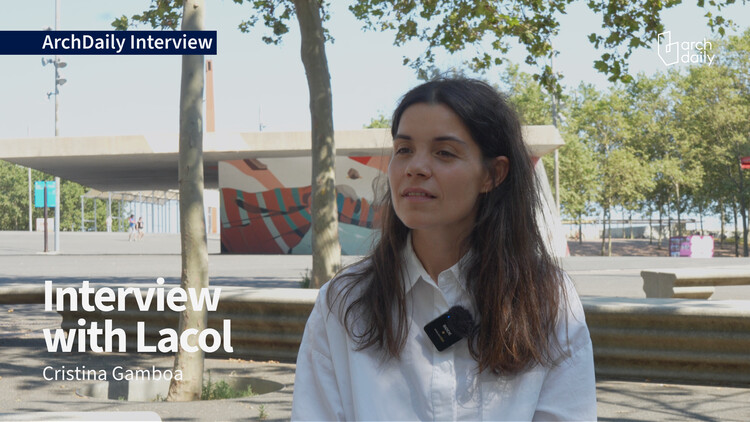
At the UIA World Congress of Architects 2026 in Barcelona, discussions surrounding the future of housing frequently extended beyond questions of design to include governance, ownership, and long-term stewardship. Among the speakers contributing to these conversations was Cristina Gamboa, co-founder of the Barcelona-based cooperative Lacol, whose practice combines architecture, housing advocacy, construction management, and environmental research through a cooperative model. During the Congress, ArchDaily spoke with Gamboa about how cooperative practice reshapes the architect's role, why participation extends beyond consultation, and how projects such as La Borda and La Morada continue to inform broader discussions on housing, care, and collective living.


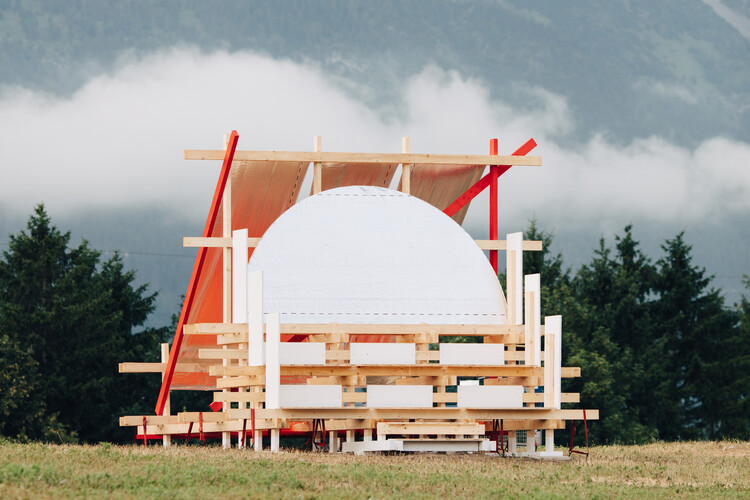
Concéntrico returned to Logroño for its 12th edition in June and transformed the city into a working site for architecture. Since its founding in 2015, the festival has built an identity on resisting a distant, controlled exhibition of design by constructing full-scale installations in the city's streets, plazas, and vacant lots, engaging residents and visitors as part of daily life. This year's program brought together more than twenty interventions by architects, designers, and researchers working across a wide range of geographies and methods, each contributing to a citywide experiment in reimagining public space.