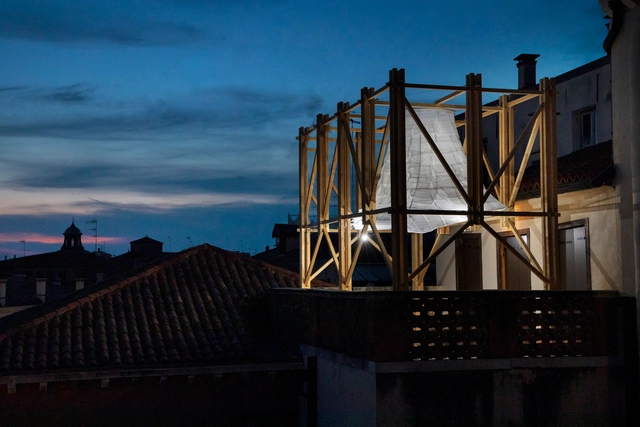
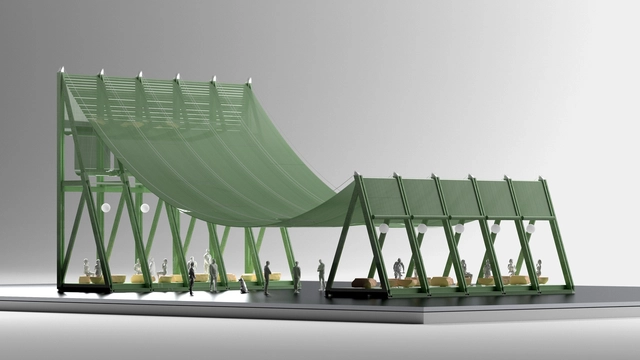
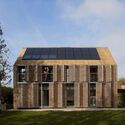
In parallel to this year's Venice Architecture Biennale, The European Cultural Centre (ECC) presented the sixth edition of its extensive architecture exhibition titled Time Space Existence. The 2023 iteration of the group show draws attention to expressions of sustainability in its numerous forms, ranging from a focus on the environment and urban landscape to the unfolding conversations on innovation, reuse, community, and inclusion. A total of 217 projects by established participants like Snøhetta or MADWORKSHOP and emerging players such as Urban Radicals or ACTA are currently on show through the 26th of November, 2023, at Venice's Palazzo Bembo, Palazzo Mora, and Marinaressa Gardens.
In response to climate change, the installations on show investigate new technologies and construction methods that reduce energy consumption through circular design and develop innovative, organic, and recycled building materials. Participants also address social justice by presenting living solutions envisioned for displaced communities and minorities, while others examine the tensions between the built urban environment and the nature surrounding it to identify opportunities for coexistence.
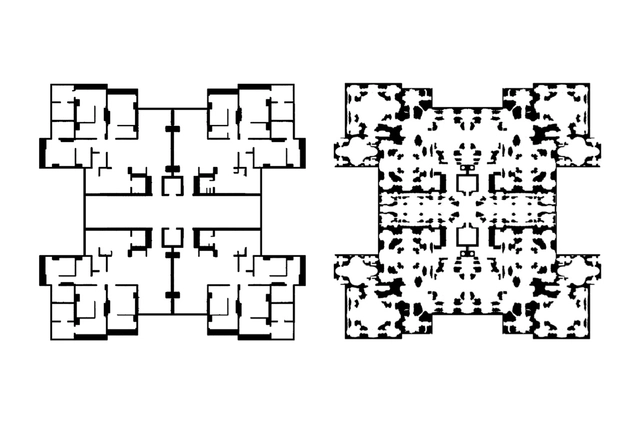
Figure 1. Style transfer from a contemporary plan to a baroque plan. Stanislas Chaillou, 2019. Image via Revista Rita
This article by Luis Álvarez Ayuso and Federico del Blanco García was originally published in the 16th issue of rita journal under the title "Aplicación de redes neuronales al diseño de vivienda colectiva: Procesos generativos de combinatoria y automatización mediante inteligencia artificial." The following presents research focused on the use of artificial intelligence for architectural design and automation processes. The proposed workflow leverages the capabilities of neural networks combined with automated algorithm design to eliminate repetitive, routine tasks.
https://www.archdaily.com/1136472/application-of-neural-networks-to-the-design-of-collective-housingLuis Álvarez Ayuso y Federico del Blanco García
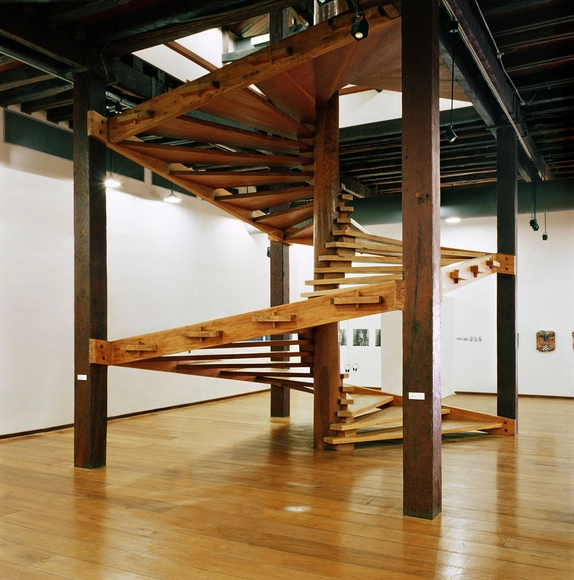
The Unhão complex, constructed in Salvador, Brazil in the 17th century, consisted of a sugar mill with a big house, chapel, and slave quarters. At the time, Salvador was one of the largest and most important Brazilian cities, and its port was the site of a large portion of the Portuguese colony's sugar exports, an economy fueled primarily by slave labor. The ensemble drew the attention of Italian-Brazilian architect Lina Bo Bardi at her first visit in 1958, during which she spent some years working and teaching in the city. Following Bo Bardi's decisive contributions, the buildings were restored and became the new home of the Museum of Popular Art and the Popular University. But within the whole complex, the element that draws the most attention for its plasticity, functionality, and symbolism is the helical wooden staircase.
The XVI Spanish Biennial of Architecture and Urbanism (BEAU) has presented the 50 finalist proposals from its ‘Works’ call. Organized by the MITMA through the Directorate-General for Urban Agenda and Architecture, in collaboration with CSCAE and Fundación Arquia, the upcoming event seeks to reflect on how architecture can transform the future under the theme ‘Me–dio Pla–zo’ (Medium Term).
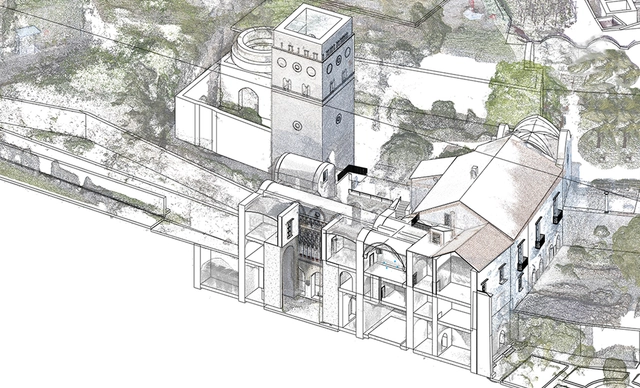
Already known to be a great tool for experiencing a building before it’s built, real-time visualization also serves as an excellent means to understand the history of buildings that no longer exist.
Here’s how two researchers from the University of Salerno (UNISA) retraced thousands of years of existence and unveiled the rich past of Villa Rufolo with the help of real-time visualization.
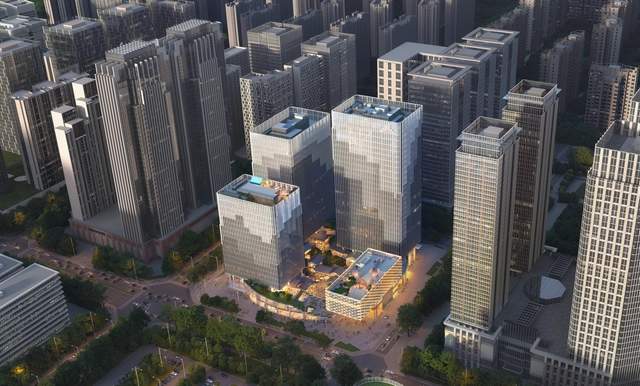
Construction has begun at the last remaining empty sites in Chengdu’s Jiaozi Park Financial and Business District, where MVRDV has designed a complex comprised of three mixed-use office towers and a conference center united by a ring-shaped plinth. The building shape and functional structure are informed by its surrounding context, with a retail village that references the traditional structures that were once located on the site.
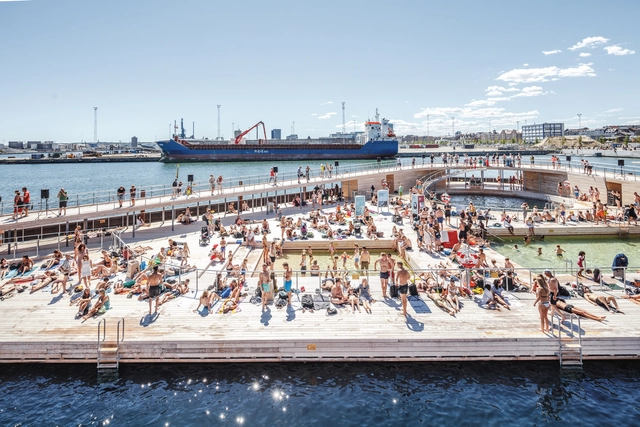
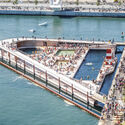
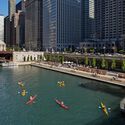
The redevelopment of maritime and riverfront areas is a crucial element in the transformation of many urban areas, providing a series of significant benefits for cities and their inhabitants. The presence of water, whether in rivers, lakes or seas, has historically played a fundamental role in the formation and development of many cities, intimately related to their dynamics. This relationship has changed and presented itself in different ways over time, and these spaces have often been neglected in numerous ways, particularly by a certain type of urban planning that disregarded their potential in favor of other imperatives, such as road transport and industrial equipment.
I always consider myself fortunate to have grown up outside the city, where my ‘cross-country’ lessons, for example –national right of hardship for 11-16-year-olds– were through the actual countryside rather than the high street. For many children, however, modern school life is not so close to nature.
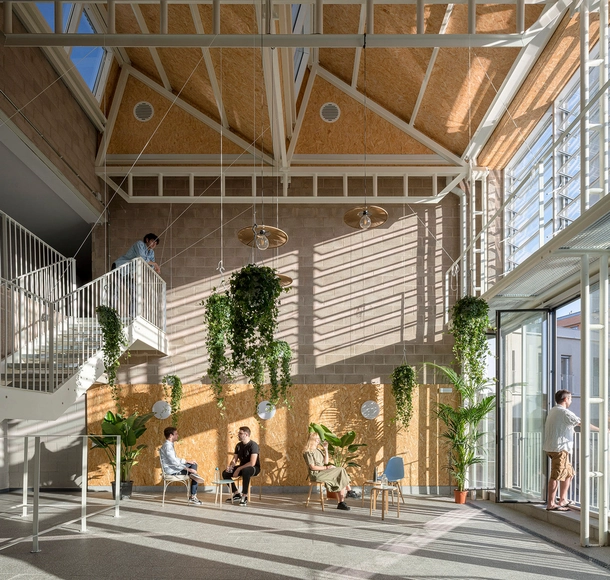
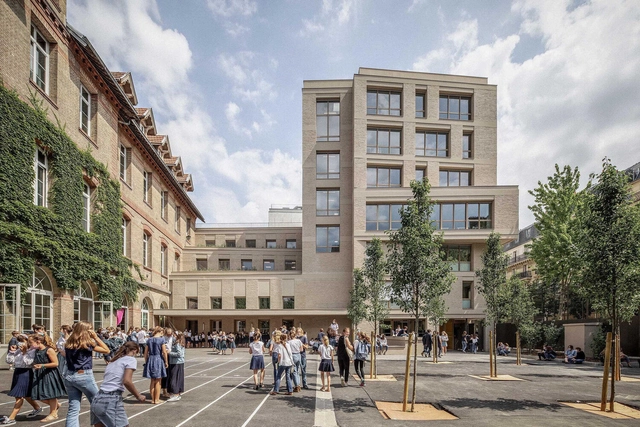
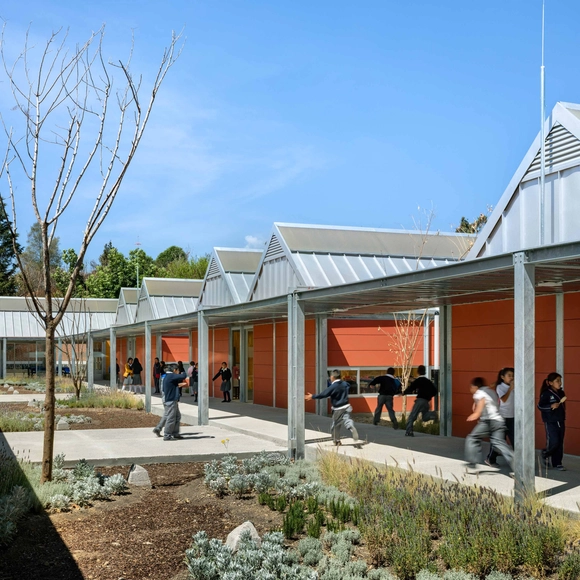
Already over-populated cities are continuing to expand, meaning more schools are suffering from the limitations presented by inner-city architecture including noise, air, and light pollution; a lack of space, especially green space; restrictive budgets and building regulations resistant to change.
With innovative and considered design solutions, however, these four inner-city schools show the rest of the class how to work through their architectural answers and provide quality, green spaces for all.
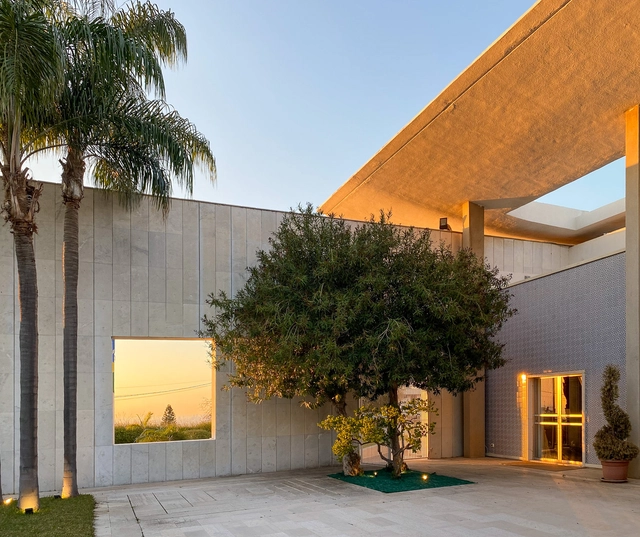
More than ten thousand kilometers away from the capital Brasilia, a jewel of Brazilian modern architecture overlooks the Mediterranean Sea. Located in another Brasilia, a district in Beirut named after the Brazilian capital, the Residence of the Ambassador of Brazil in Lebanon, designed by Olavo Redig de Campos, combines tropical modernism with elements of Middle Eastern culture.
For the first time, the house will be open to the public through guided tours focused on historical heritage. Geared towards architecture, design, and art professionals and students, the visits will be guided by Dr. George Arbid, director of the Arab Center for Architecture, a renowned institution in modern architecture in the region.
Roland Halbecame into photographyentirely by accident, discovering it at the age of 15 in a class on optics. His physics teacher presented camera obscura effects, which immediately triggered his fascination. He then started borrowing his father’s old camera quite regularly. While still in high school, Roland worked part-time at a camera shop, eagerly discovering everything there is to know about photography. Those were the circumstances that kindled Halbe’s lifelong romance, first with black and white, and, eventually, color photography with a focus on the built environment.
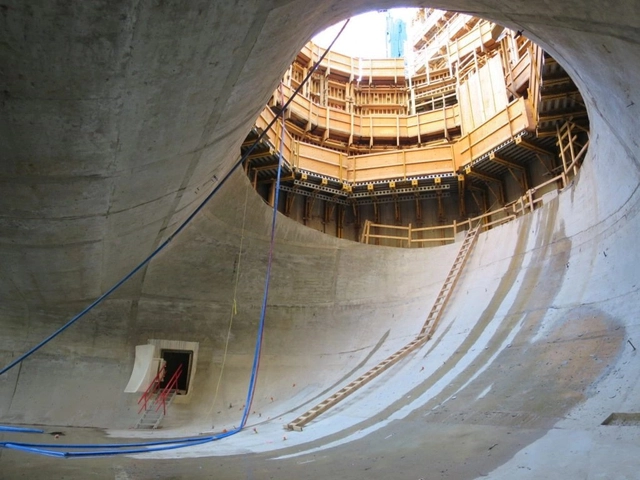
Concrete, second only to water, is the most consumed material worldwide due to its structural strength, ease of handling, and versatility. Comprised of cement, sand, gravel, and water, it is extensively used in construction projects of various scales. However, even this resilient material can deteriorate over time, necessitating maintenance or, in severe cases, demolition. Abrasion and erosion are factors that can adversely affect the appearance of concrete, remove its protective layer, create a rough surface, and potentially lead to structural issues. These challenges are particularly critical in large and complex construction sites, where any irregularities or unevenness can result in significant losses and complications for architects, engineers, and contractors.
Mediterráneo de Manuel Bouzas, proyecto ganador para diseñar el pabellón de València. Image Cortesía de TAC! Festival de Arquitectura Urbana 2023
The upcoming TAC! Urban Architecture Festival announced that the two winning projects of its ideas competition are "Mediterráneo" by Manuel Bouzas and "Lost Forest" by Julia Ruiz-Cabello Subiela and Santiago Del Águila.
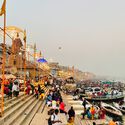
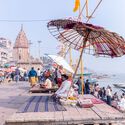
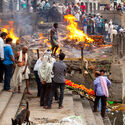
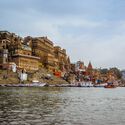
Water, with its religious connotations as a symbol of purification and life, holds great significance in many cultures. Nowhere is this respect for water more evident than in India, a country that reveres its rivers as holy. Water bodies serve as a testament to the veneration and use of water in religious rituals, embodying cultural heritage as public spaces, ritual sites, and places for cremation. Central to daily life in India, water and water architecture intertwine spirituality, and cultural traditions, offering a glimpse into the rich traditions of communities.
In a context where cultural expressions are increasingly valued, and their presentation and representation are vital to conveying diverse content, the design of exhibition spaces becomes particularly relevant when projecting and establishing different perceptions and narratives, both in daily life and during specific events.
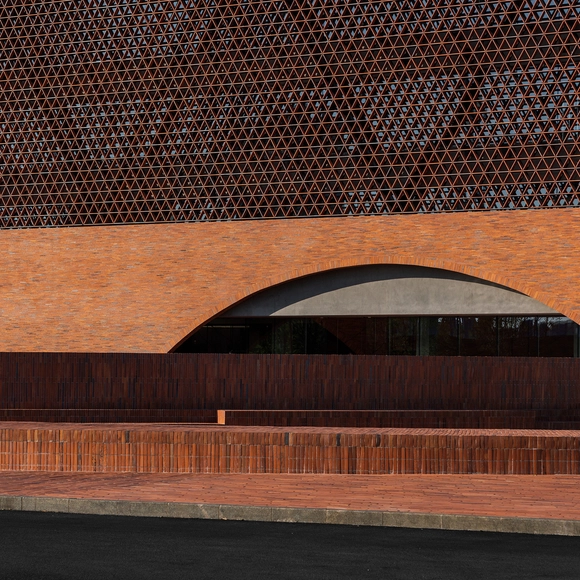
Tic Art Exhibition Center / Ann Yu. Image: Ann Yu, 2022. Image Courtesy of A' Design Award
As a designer, it can be difficult to find one's way through the many awards and competitions that currently exist. One award, however, offers a one-stop solution to honor designers, architects and design-oriented companies, anywhere in the world, and with global recognition and publicity. The A' Design Award is an international, juried design competition that spans over 100 categories, from Furniture Design, Architecture, Building and Structure Design, to Landscape Planning and Garden Design, and Bathroom Furniture and Sanitary Ware Design.
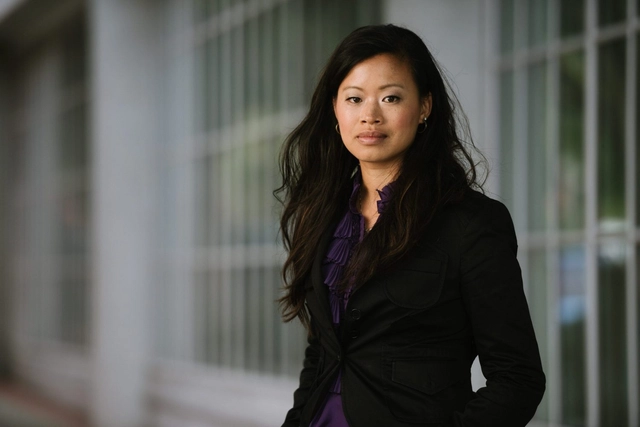
The American Institute of Architects has elected Evelyn Lee as the 2025 President-elect. During the AIA annual meeting, Lee has been selected to take the position of 2024 First VP President-Elect, and afterward to become president in 2025. AIA has also elected Heather Philip-O'Neal to serve as Treasurer between 2024-2025, and Latoya N. Kamdang as the elected At-large Director.
Evelyn Lee is the Global Head of Workplace Strategy and Innovation at Slack Technologies, Founder of the Practice of Architecture, and Co-Host of the Podcast Practice Disrupted. She is also a member of the National Organization of Minority Architects (NOMA). From 2020 to 2021, she served as the first female Treasurer to the AIA National Board. She is also widely published, having managed a monthly column for Contract magazine, in addition to various other online publications, where she developed recurring content on the business of architecture. Additionally, Evelyn Lee has been featured as a speaker, panelist, and moderator at national design and architecture conferences, including AIA National Convention, Dwell on Design, and Women in Green.
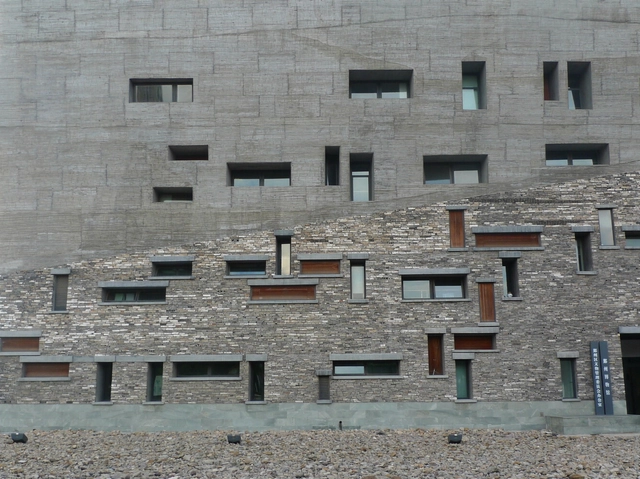
Ningbo History Museum, by Wang Shu. Photo: Santo Chino, via VisualHunt.com
Urban mining seeks to explore and recover valuable resources found within the waste discarded in cities. While traditional mining extracts raw materials directly from the earth, this concept focuses on those hidden within products discarded by the population, such as plastic, glass, and ferrous and non-ferrous metals (iron, gold, silver, aluminum, copper, etc.) that can be reused by industry.
Simply put, while traditional mining focuses on virgin minerals, urban mining recycles and recirculates these materials from items returned by consumers after use. When disposed of improperly (in regular trash or the environment), they can end up in open landfills or dumps, harming flora, fauna, and human health.
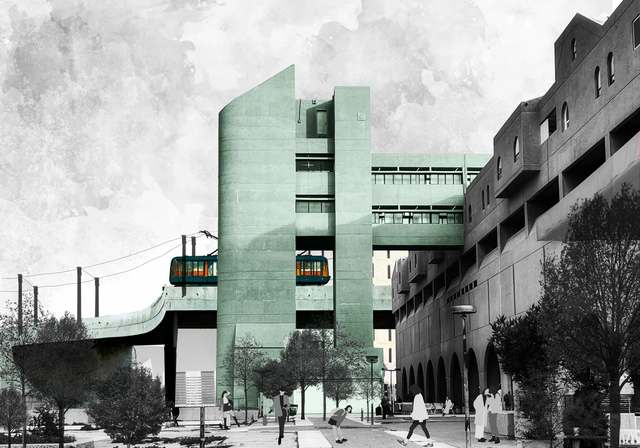
Rabab Raes Kazem, Envisioning the future of Kuwait, 2023. Collage, Print on Mylar, 42cmx29.7cm. Image Courtesy of NCCAL
The Kuwait Pavilion, titled 'Rethinking Rethinking Kuwait,' at the 18th International Architecture Exhibition — La Biennale di Venezia, delves into innovative architectural and urban design methods arising from space and time. The project is an ongoing exploration addressing the consequences of modernist urban planning, which erased much of Kuwait's historic built environment.
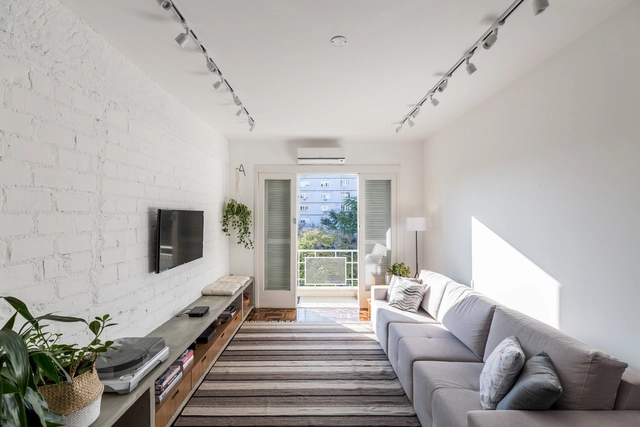
Old and compartmentalized plants, small openings, and lower floors receive scarce natural light. Improving natural lighting in an apartment can be challenging. However, some strategies can help maximize light entry into interiors and bring benefits such as comfort, spaciousness, well-being, and energy savings.
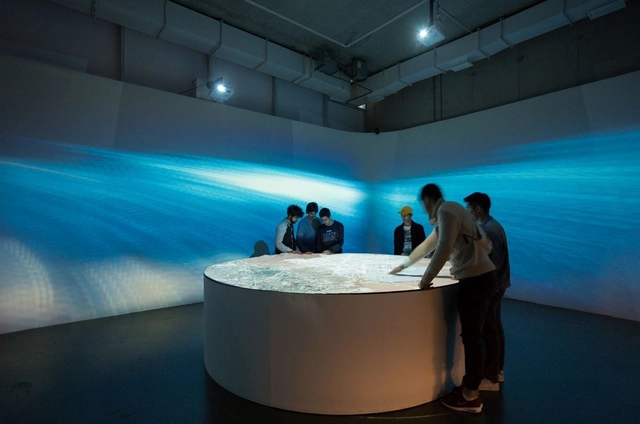
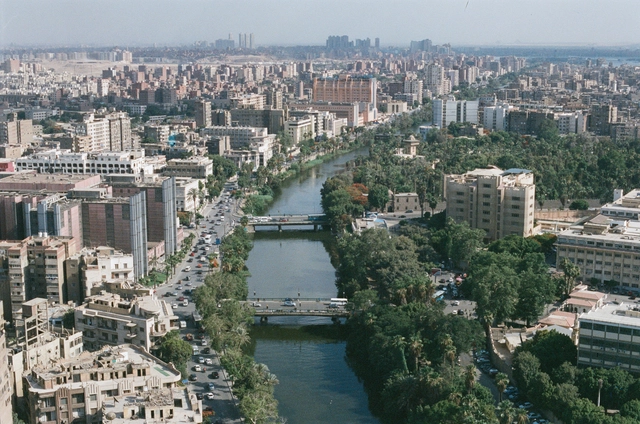
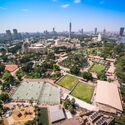
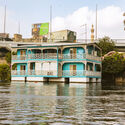
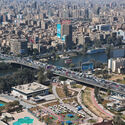
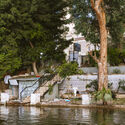
In the center of Cairo, The Nile River, one of the world's most iconic waterways, has shaped the course of civilization for thousands of years. Serving as a vibrant lifeline, connecting neighborhoods, and providing a bustling hub for transportation, the Nile River is an essential natural resource for arid Cairo. Throughout the country’s history, it has often been regarded as the source of life in fertility in its annual flooding, bringing richness to the surrounding lands. Interestingly, this year's edition of La Biennale di Venezia, the Pavilion of Egypt "NiLab" focused on exploring this layered water source and unfolding its effects on the built environment.
Videos
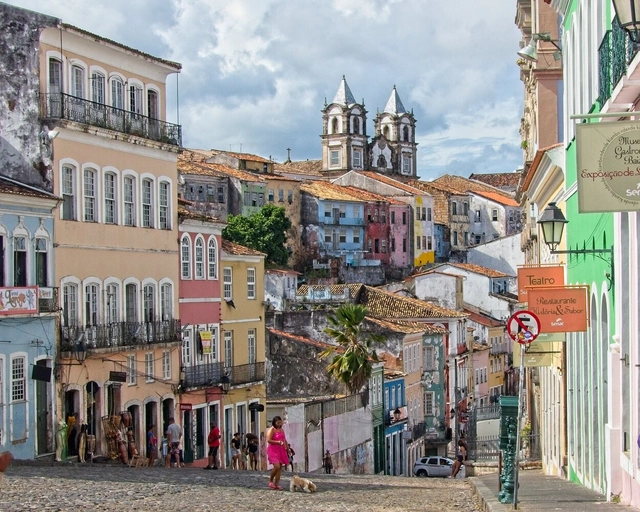
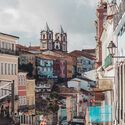
Pelourinho in Salvador. Photo by Kunze, via Visualhunt
Pelourinho, located in the Historic Center of Salvador, Bahia, is one of the most well-known, publicized, and visited landmarks of the Bahian capital. With an urban and architectural colonial heritage of great cultural significance, it was designated a World Heritage Site by UNESCO in 1985. Spanning over four centuries of history, the district has hosted a wide range of activities, functions, and dynamics, its trajectory deeply intertwined with that of the city itself. Today, it is one of Salvador's primary tourist attractions, hosting a variety of tourism facilities such as hotels, restaurants, and museums in addition to its colonial architecture.
Buildings consume natural resources. Whether in their construction or during their operation, architecture can have a significant impact on the environment. Promoting sustainable practices to minimize energy, water, and material consumption is essential to reduce carbon emissions and help mitigate the climate crisis. With the ongoing debate surrounding sustainability, environmental consciousness has not only become vital, but it has also started to add value to properties built with this focus. Therefore, moving beyond mere greenwashing, we must look for solutions that make a real difference.
On January 24th, the fifth edition of the 'International Education Day' was celebrated under the slogan "Invest in people, prioritize education". Proclaimed by the United Nations General Assembly, it promotes a strong political mobilization seeking to chart the way and accelerate progress towards the 4th Sustainable Development Goal: Quality Education.