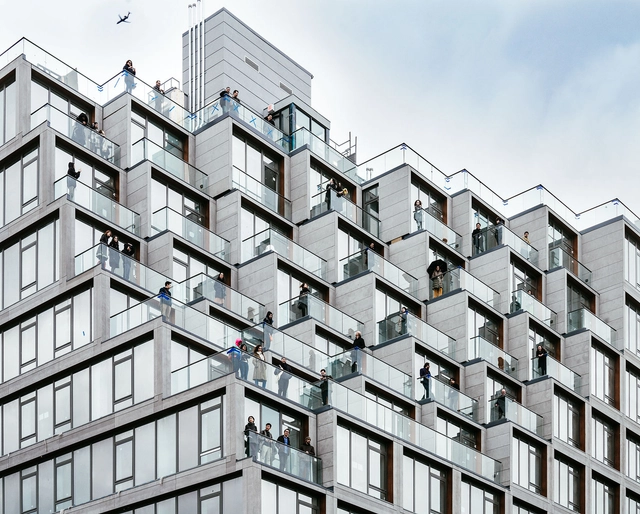
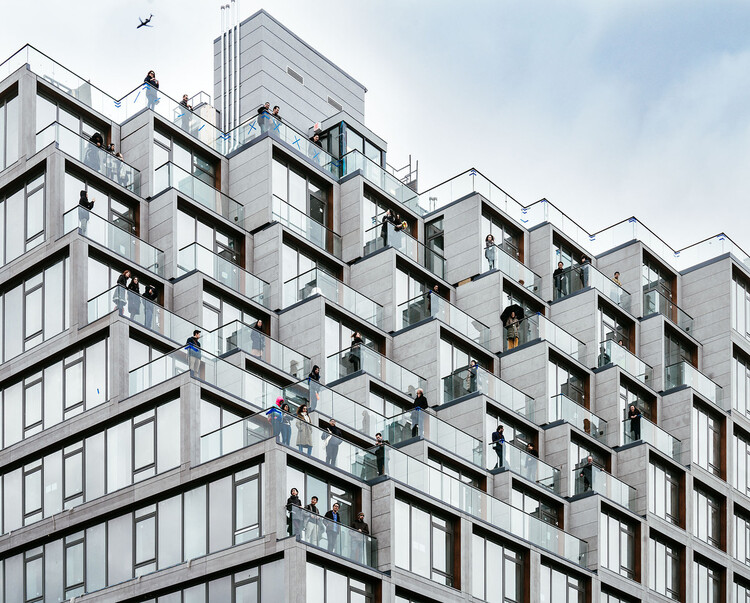
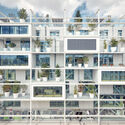
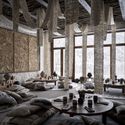
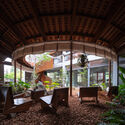
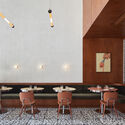
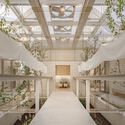
Housing production has been relying on the same spatial configurations for almost a century, catering to a vision of domestic life that no longer constitutes the norm. The widespread housing shortage, the issue of affordability, the rise of single-person households, and an aging population prompt a re-evaluation of existing housing models to address a broader range of demographics and adapt to the changing needs of city dwellers. The following explores contemporary collective housing models that provide the framework for new dwelling experiences and support current lifestyles.
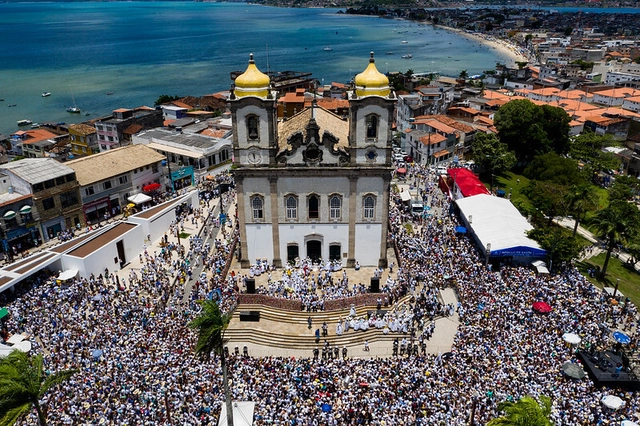
In Brazil, popular festivals share a deep spatial, historical, and symbolic connection with urban public spaces, providing a unique experience of collective occupation, appropriation, and reimagining of these sites during their occurrence. These events not only utilize urban spaces in ways that differ from their daily routines, but they also constitute the cultural and social landscape of cities, offering alternative ways of perceiving them. By appropriating the streets—in their full potential and broadest sense—these festivities imbue them with new uses, which often transcend and subvert their everyday functions.
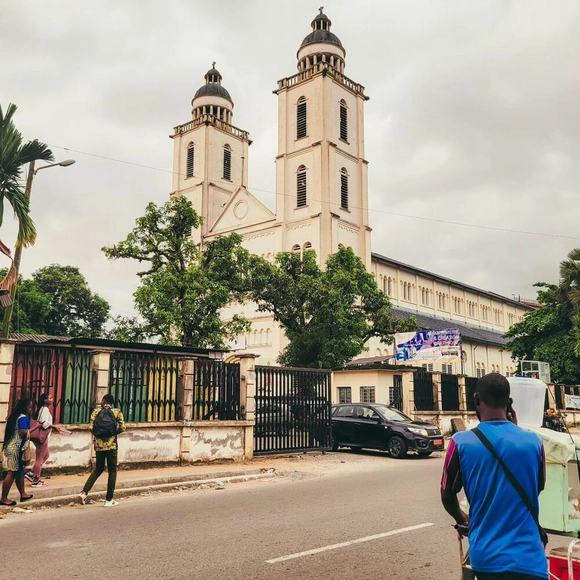
Cameroon boasts a rich architectural heritage of Catholic Christian worship buildings. These buildings encompass various styles, including contemporary designs, Terracotta brick explorations, and Gothic, and Byzantine architectural influences. Since the arrival of missionaries and colonial communities in 1890, numerous religious buildings have been constructed with the involvement of local communities. These buildings not only contributed to the development of the Christian faith but also served as venues for the exchange of architectural ideals between the local and foreign communities.
During this period, Cameroon explored the Gothic and Byzantine movements, which had reached their peak in Europe, to create these churches. They were interrogated through local building practices and now represent the historical heritage of the country's cathedrals.
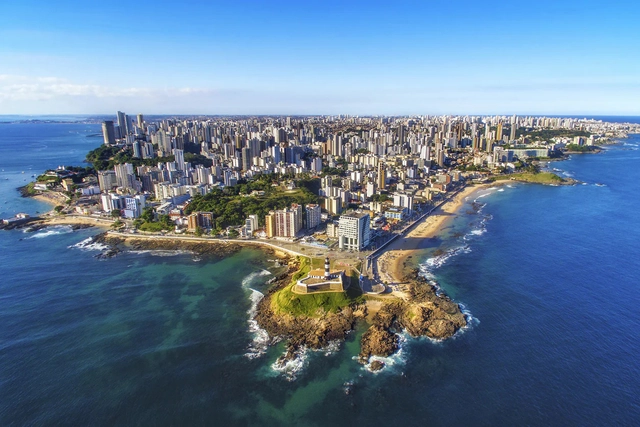
The relationship between cities and ocean sustainability was highlighted at the Brazil Pavilion during COP28, the United Nations Climate Change Conference. The panel "Cities, ports, and conservation: integrated effort for resilient and climate-adapted cities" brought together representatives from the federal government, subnational governments, the private sector, and civil society, and marked the launch of the publication "Ocean Without Mysteries – Building Blue Cities."
The International VELUX Award for Students of Architecture returns in 2024, offering students the opportunity to innovate the concept of daylight in the built environment. The award has grown considerably since its launch and attracts competitors from all around the world, spanning 800 schools, 130 countries and amassing over 6,000 projects to date. The total prize money amounts to 30,000 euros.
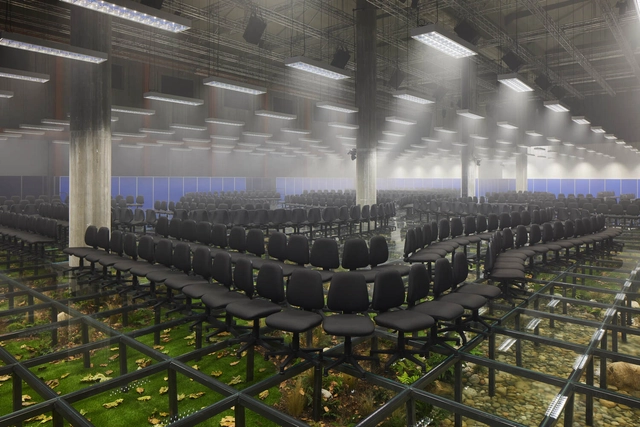
For the Fall/Winter Prada 2024 menswear show, AMO has designed a space that draws inspiration from two contrasting elements of modern life: office interiors and the natural landscape. Transforming yet again the space of the Deposito Hall at Foundation Prada in Milano, the designers have chosen to create a contrasting image of seemingly opposite elements: rows of office chairs illuminated by the white glow of LED lights, standing over a pastoral landscape with meandering creaks and ample foliage. The design aims to highlight this separation between natural instincts and the typical environment of modern life.
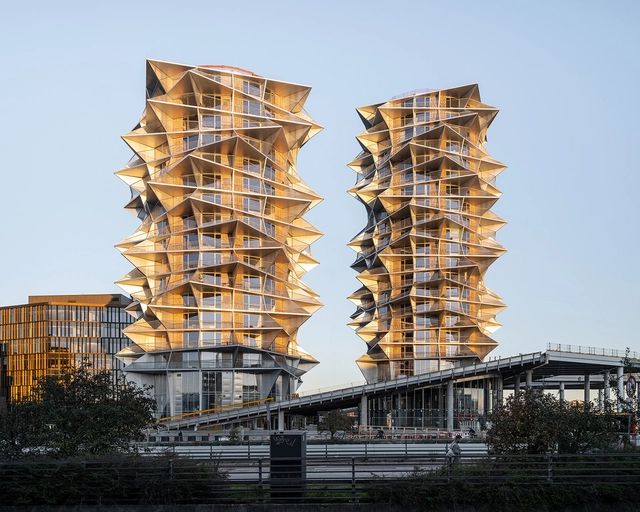
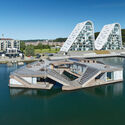
In 2017, Bjarke Ingels Group (BIG) unveiled its designs for a project in central Copenhagen. The project features an urban IKEA store, a budget-friendly hotel, and residential apartments connected by green spaces. As a significant part of the development, BIG designed two high-rise residential towers known as “KaKtus Towers,” which are linked by a raised public park connecting them. Both towers, with the tallest at 80 meters high, are scheduled to be completed in 2024. A recently released new set of images showcases BIG’s development nearing completion.
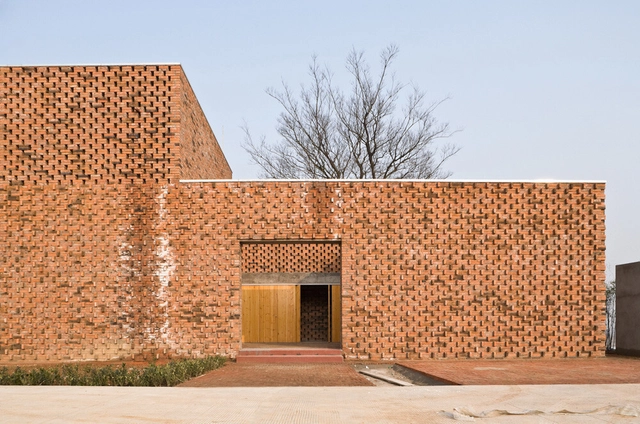
A considerable part of architectural innovation involves the use of materials. Technical development and new formal languages utilize them to "announce" the "next" architectural era. Of course, materials are essential for construction and significant for the consolidation of languages. Glass, steel, concrete, or brick convey messages about buildings. However, like any language, the meaning of words can vary according to the prevailing social organization; there is a dispute over the meaning of certain expressions, or there is pressure for the abolition—or at least the dissociation—of certain senses associated with some words. It would not be any different in architecture.
The Healthy Cities movement is a strong but sometimes underappreciated planning concept with its roots in the complex structure of the human body. Formed in the 1970s, it transcends the current paradigm of building, roadway, and open space planning to address a more complex and systemic view of community life. The movement was pioneered and co-founded by Dr. Leonard Duhl, who was both an urban planner and medical doctor. I was lucky to have him as a planning mentor.
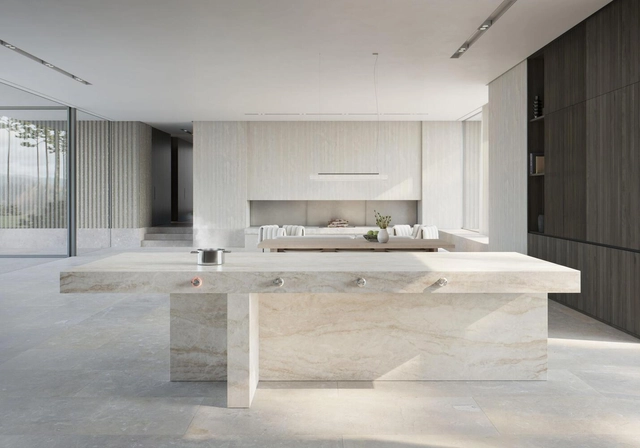
The new Essential Induction revolutionizes kitchen design with a hob that is all but invisibly integrated into a Dekton work surface, arming architects with total freedom of expression. Image Courtesy of Gaggenau
Gaggenau’s commitment to innovation and eye-soothing aesthetics in the kitchen is well known; its appliances aim to please the most demanding cook and meet the rigor of the dedicated minimalist. Its latest launch, however, turns the idea of appliance design on its head.
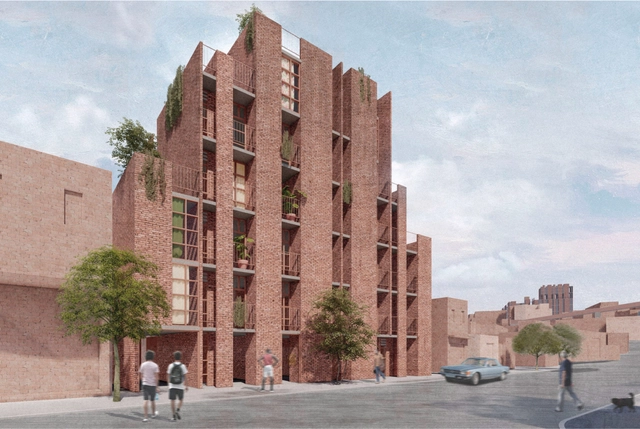
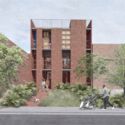
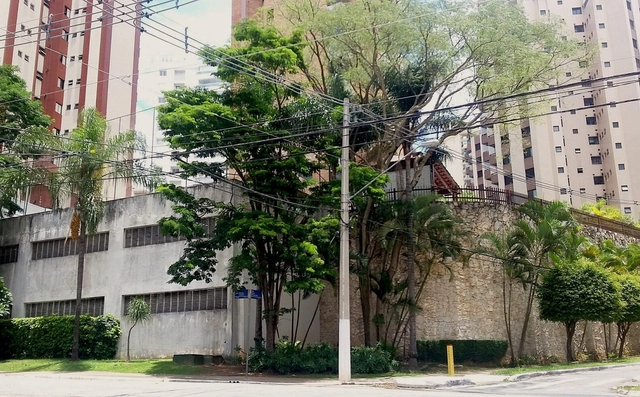
Edifício Jardim Lapena. Perspectiva a partir da Rua Dr. Almiro dos Reis. Image Cortesia de Estúdio Gustavo Utrabo
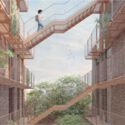
How can architecture and urbanism once again contribute to the debate and production of Social Interest Housing (HIS)? This was one of the core questions that guided the development of the Guidelines Manual for Social Interest Housing in Jardim Lapena, created by the Tide Setubal Foundation and BlendLab for the East Zone of São Paulo. This document compiled a set of guidelines on housing, management models, site planning, and integration with the urban environment, which in turn guided proposals for the +Lapena Habitar Call for Projects held in late 2022.
The European Commission and the Fundació Mies van der Rohe have announced the 40 shortlisted works for the 2024 European Union Prize for Contemporary Architecture – Mies van der Rohe Awards. Selected by the jury comprising 7 members: Frédéric Druot, Martin Braathen, Pippo Ciorra, Tinatin Gurgenidze, Adriana Krnáčová, Sala Makumbundu, and Hrvoje Njiric, from a list of 362 nominees, the projects “are spread out in 38 European Cities in 33 Regions and 20 Countries”, showcasing 14 different programs.
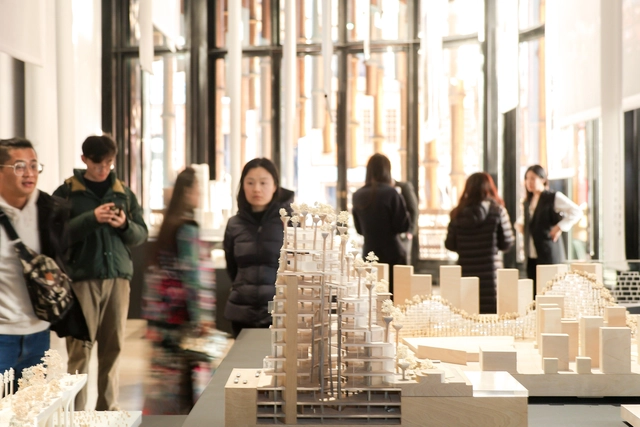
Heatherwick Studio’s exhibition “Building Soulfulness” just opened at the Bund Finance Center in Shanghai. Curated by Mami Kataoka, it will run from January 17th to March 14th, 2024. The display celebrates the studio’s designs, emphasizing their enduring connection with China. The exhibition is taking place at the Fosun Foundation inside the Bund Finance Center, which was designed by Heatherwick Studios and Foster + Partners back in 2017.
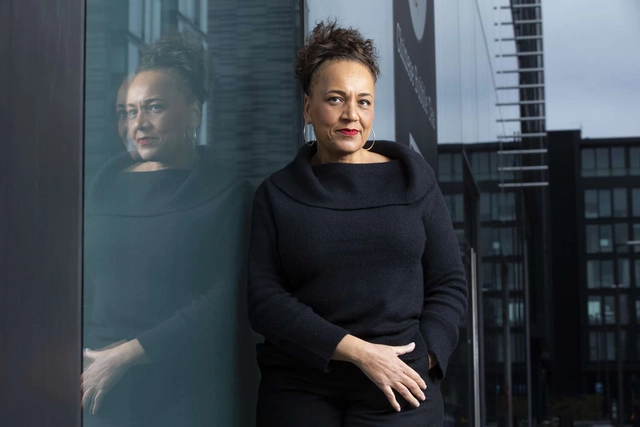
Ghanaian-Scottish architect, academic, and curator Lesley Lokko has been announced as the recipient of the 2024 Royal Gold Medal by the Royal Institute of British Architects (RIBA), becoming the first African woman to receive the award. Lokko is not a practicing architect, but as a teacher, writer, and curator she has fought to widen access to the profession and to bring forward voices that have been disregarded for far too long. As the curator of the 2023 Venice Architecture Biennale, she has shifted the focus to Africa and its diaspora, exploring the complex themes of decolonization and decarbonization. For all her contributions to the profession, Lesley Lokko will be formally presented with the medal in May 2024 by Muyiwa Oki, RIBA’s first black president.
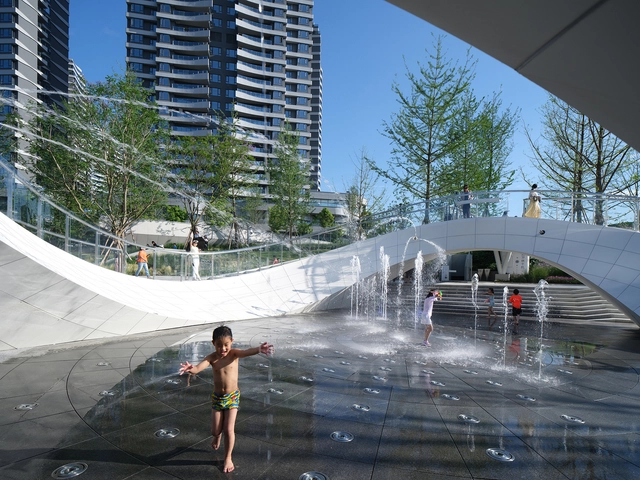
Public spaces, whether indoors or outdoors, public or private, are characterized as places for encounters, opportunities, and exchanges of ideas or goods, and ultimately, they are a key part of a city's identity. However, with the rise of the internet and social networks, many of these functions have migrated to the virtual environment or lost some of their relevance. In addition, we experienced a setback in in-person relationships during the long period of isolation that accompanied the pandemic. Faced with these challenges, architects are confronted with the fundamental question of how to revitalize these crucial spaces for society, while understanding their vital importance. Can design be the key to reviving public spaces? How can we make places that are both everyone's and no one's truly comfortable?
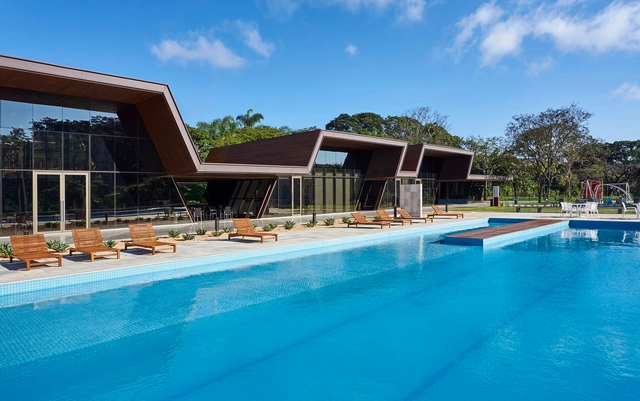
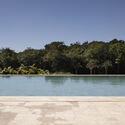
With the approach of summer in the southern hemisphere — promising to be one of the most intense on record amidst a year already considered one of the hottest in history — the search for places that offer moments of relaxation, freshness, and fun intensifies. As the high temperatures of summer draw near, the relevance and demand for facilities like clubs, with their outdoor leisure areas, pools, and green spaces, stand out significantly. These places become true havens, providing the opportunity to escape the heat and a range of other activities and benefits for their users.
I was intrigued to read on UOL that Silicon Valley billionaires plan to build a perfect city from scratch in California. But what, after all, actually makes a perfect city?
According to the article, the city would feature high-quality public services, walkability, lush greenery, and safety, along with housing at various price points and sizes, all integrated with shops, schools, and restaurants.
In addition, the city would offer high-paying jobs for its residents, while local schools would train people from the area to work in local businesses.
https://www.archdaily.com/1078806/planned-neighborhoods-of-sao-paulo-missed-opportunitiesVitor Meira França
Water is indispensable for all forms of life on Earth, as it plays a vital role in maintaining biological processes, supporting ecosystems, and contributing to human well-being. Additionally, water holds cultural significance in many societies, being associated with rituals and ceremonies and carrying diverse symbolic meanings.
A historic symbol of the industrial age, the sawtooth roof is a lasting legacy of architectural history. Although a functional invention born from necessity nearly 200 years ago, the iconic shape is enjoying a renaissance in many contemporary projects.
Made up of many long, thin roofs with irregular pitches laid alongside each other, a sawtooth roof positions its steeper edges – filled with glass panels – away from the equator. This allows large buildings to control their solar gain by omitting direct sunlight, while still allowing uniform indirect natural light to fill an entire interior area.
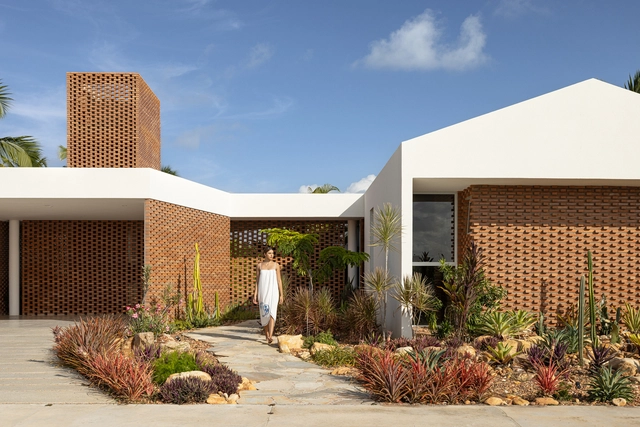
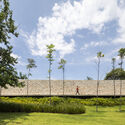
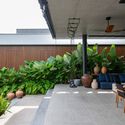
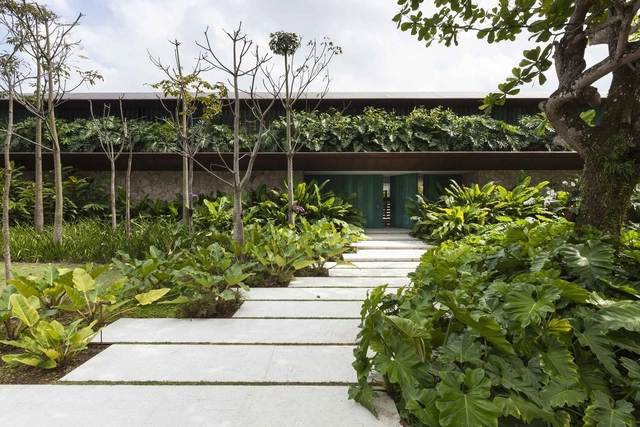
One of the key themes of the past year was reclaiming the connection between humans and nature—or rather, recognizing that we are not separate from it. Strategies such as biophilia, biomimicry, and approaches drawing from vernacular and ancestral techniques show that incorporating natural elements into architecture is no longer just a compositional choice, but a practice that directly influences behavioral and health outcomes. Consequently, landscape design goes beyond mere aesthetics, turning yards, gardens, and outdoor spaces into functional and therapeutic extensions of the home.
https://www.archdaily.com/1078859/the-best-brazilian-residential-landscape-projects-of-2023ArchDaily Team
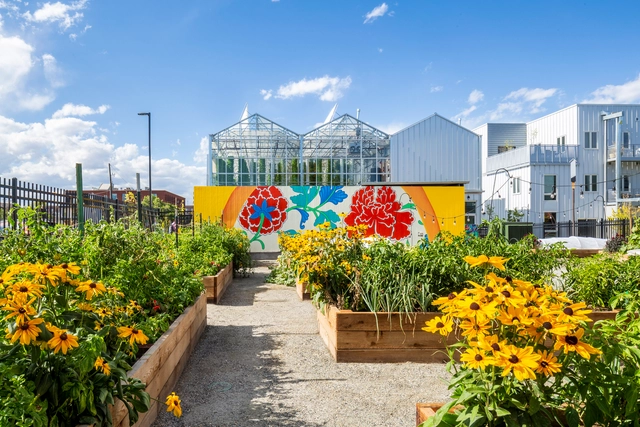
The UN Food and Agriculture Organization (UNFAO) accounts for over one-tenth of the global population, approximately 800 million people, practicing urban agriculture worldwide. In the United States, millions of citizens lack access to supermarkets. Urban farmers play a crucial role in addressing food security issues in American cities.
Historically, the distance between rural and urban areas has never been greater, making traditionally rural food sources widely inaccessible. Cities initially would develop around centralized markets that brought produce from farmlands to urban centers. Today, urban agriculture is revitalizing this connection between city dwellers and agricultural products.
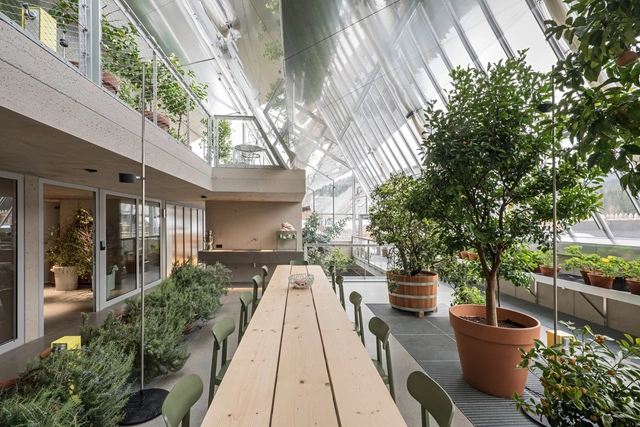
Applying neuroscience to architecture, specifically within the realm of neurogastronomy, provides a unique understanding of the intersection between human sensory domains and the built environment. It seeks to understand brain function in relation to eating, which has traditionally been viewed as a process limited to the mouth and stomach. Ultimately, it is the brain that eats. Accordingly, this article aims to consolidate scientific concepts related to neurogastronomy applied to architecture, examining the dining experience and architectural spaces, with a particular focus on active aging.
https://www.archdaily.com/1078810/neurogastronomy-applied-to-architecture-in-support-of-human-agingCiro Férrer Herbster Albuquerque e Paulo de Tarso Souza
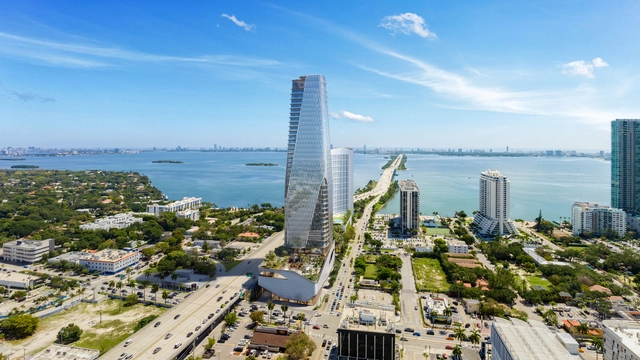
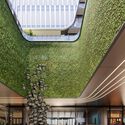
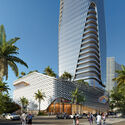
KPF’s “Tower 36,” has received unanimous approval in Miami, Florida. The building features an office space, set to become the tallest in the region at 193 meters. Emphasizing occupant well-being, the tower is designed by integrating the surrounding landscape and increasing access to outdoor areas.
The tower serves as the northern entryway to Miami’s high-rise zone, at the intersection of Biscayne Boulevard and 36th Street. Acting as a gateway to the neighborhood, the scheme connects Miami Beach with the mainland of Miami. To complement the office floors, the building’s podium boasts ground-floor retail, bicycle, car parking, and a restaurant on the landscaped roof.
A 2020 Rio de Janeiro Botanical Garden study revealed that over 46,000 native species have been cataloged in Brazilian territory. Nearly half of them are endemic, meaning they occur exclusively in Brazil and nowhere else in the world in a natural way. This staggering number reflects the diversity of the flora found in the country.