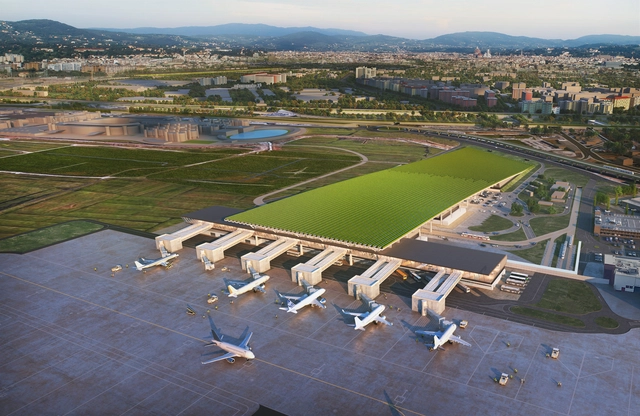
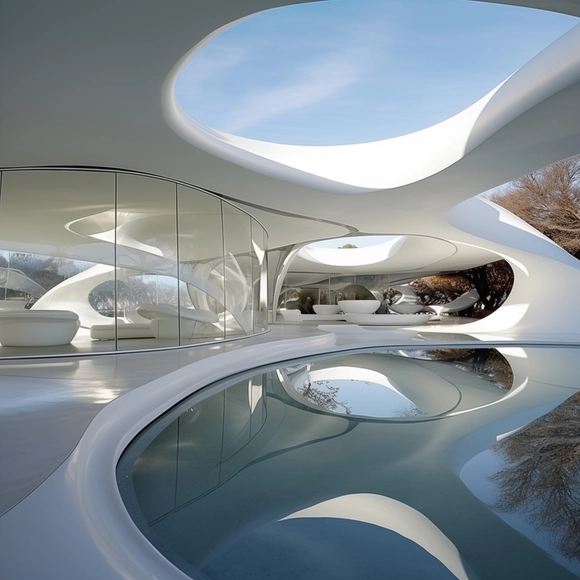
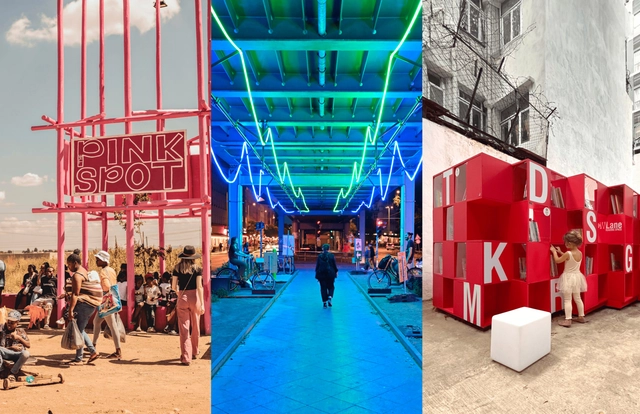
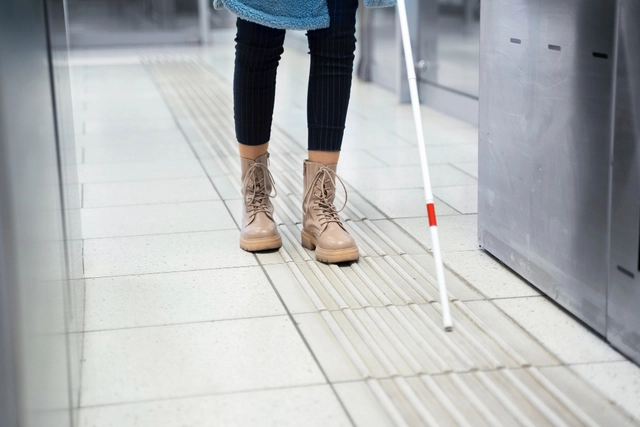
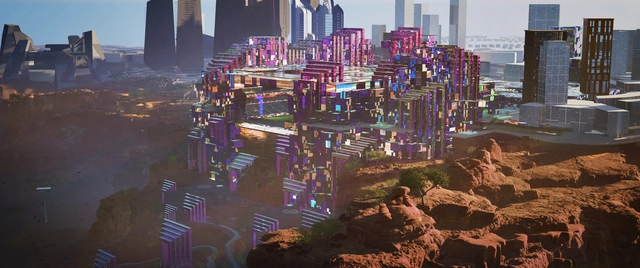
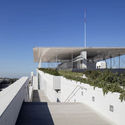
Rafael Viñoly Architects has released new renderings of their design for the new international terminal at Aeroporto Amerigo Vespucci in Florence, Italy. According to the architects, upon completion, the new terminal is expected to welcome over 5.9 million passengers a year, becoming one of the largest airports in the Tuscany region of Italy. In a nod to the Tuscan traditions of winemaking, the terminal’s rooftop features a 19-acre productive vineyard. The project is divided into two construction phases, with the first one scheduled to be completed in 2026, and the second in 2035.
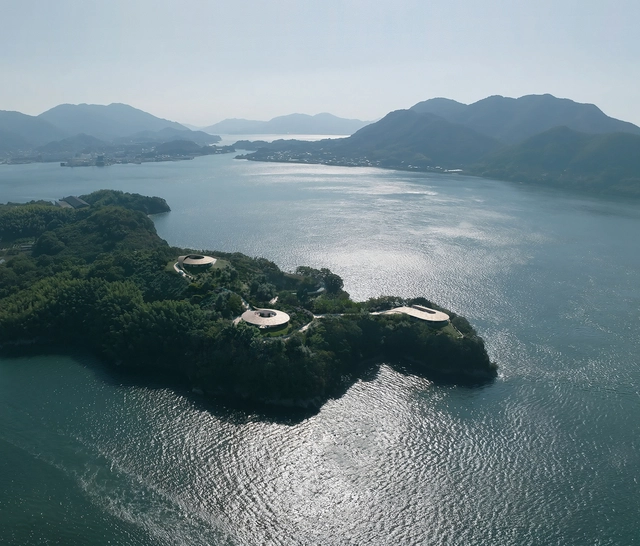
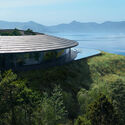
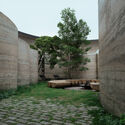
BIG has released sneak peek images into their “Not A Hotel Setouchi” project in Japan. The scheme draws inspiration from the surrounding beauty and Japanese landscape artworks, situated in the southwest cape of Sagi Island, overlooking the Seto Inland Sea. Consisting of three distinct holiday villas, Not A Hotel aims to blend Japanese and Danish architectural influences.
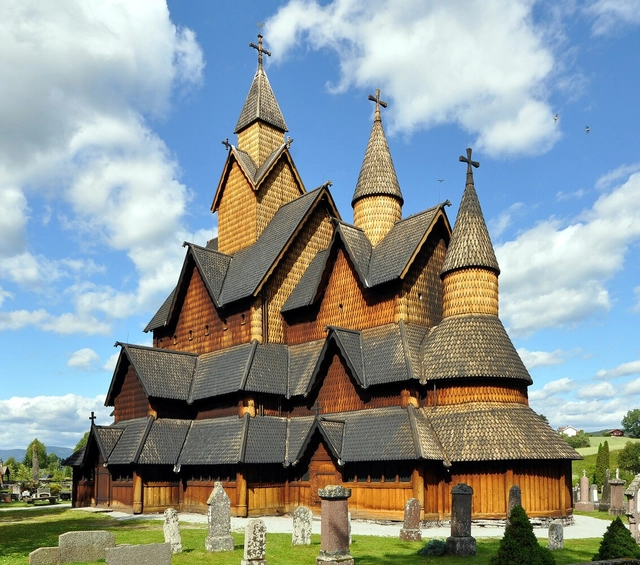
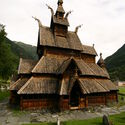
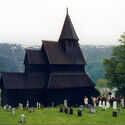
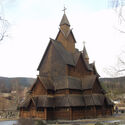
In Norway, the Medieval Churches, known as "StavKirker" (in Norwegian, "Stav" refers to a type of wooden column, and "Kirker" means church), stand out as iconic structures. They emerged in the 11th century following the country's conversion to Christianity, reflecting Norwegian expertise in ship carpentry inherited from the Vikings. This expertise transformed wooden construction, innovating woodcraft techniques and turning these buildings into aesthetically significant compositions.
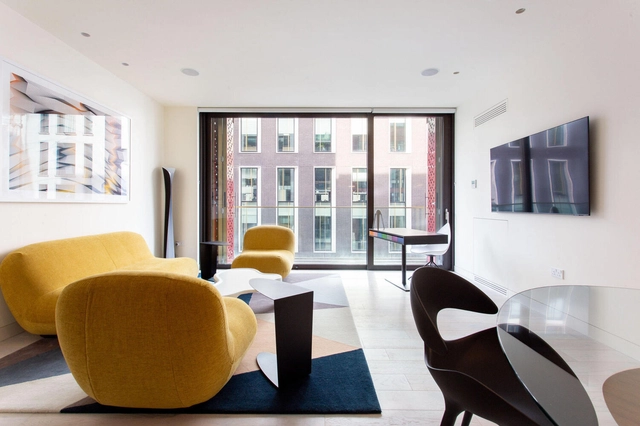
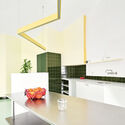
The living space of a brand-new timeshare apartment located in the centre of London, entirely designed and conceptualised by award-winning designer Karim Rashid. Image Courtesy of BoConcept
Contemporary and fresh, luminous and colorful, intriguing and surprising; the interior design of a newly finished apartment project in London speaks the visual language of its maker, award-winning designer Karim Rashid. Having spent the past four decades in the field of design and architecture, Rashid has manifested both his talent and approach with an always recognizable design DNA.
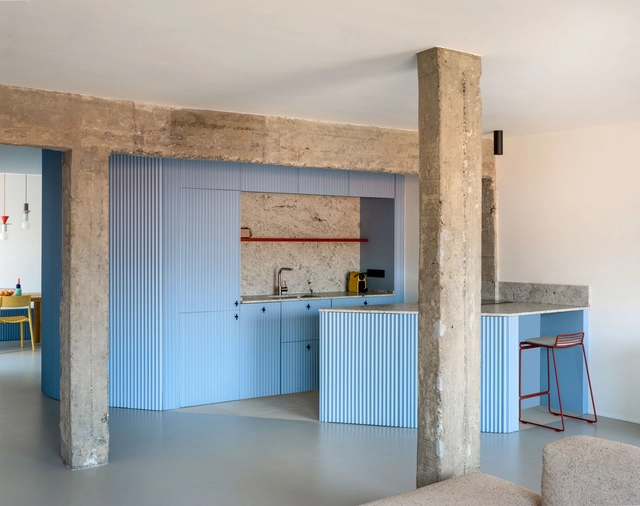
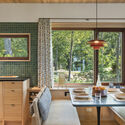
Weary of minimalist, cookie-cutter standards, people are increasingly seeking spaces with character, featuring pieces that reflect their own identity. At least, that is one interpretation when we consider that kitchens with "bold colors, clashing patterns, artwork, plants, and, of course, the mandatory refrigerator penguin" are trending in Pinterest for 2024. Fueled by the return of a kitsch aesthetic and these eclectic elements, we have selected several projects published on ArchDaily to inspire a transformation in this essential household space.
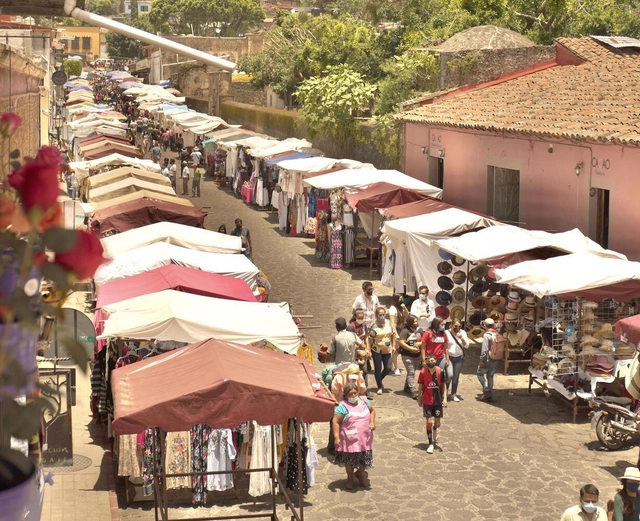
via Unsplash | Street fair in Tepoztlán, Mexico. Photo by Karo Kujanpaa
Usually defined by their open-air settings, diverse offerings, local and independent sellers, temporary nature, and acting as social hubs, street markets have been around for thousands of years. From the days of the Roman Forum to the Silk Road and the markets of ancient Greece, they are undoubtedly essential parts of urban life, or “the center of all that is unofficial.” Mostly categorized under the informal economy due to lack of regulations and authorization, street markets in the global south have often been seen as a threat to urban development. However, these erratic and adaptive urban spaces serve core functions in any developing city, acting as pillars of community in many different facets of society.
Policymakers and city officials have long struggled with informality, considering it the “antithesis of modernity.” Conventionally, the informal economy consists of activities with market value but are not formally registered, often unregulated, undocumented, and operating outside the incentive system offered by the state. Street vendors, specifically in the global south, constitute a substantial portion of the informal economy. Moreover, as cities grow and approach development, public spaces become more contested and privatized, leading to an overall mission to remove street markets or push them into formalization.
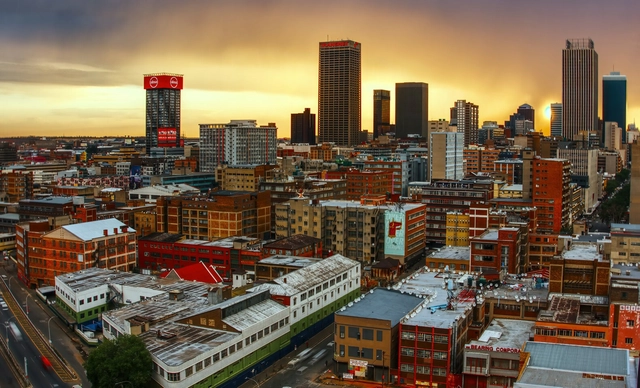
Johannesburg, South Africa. Photo by Simon Hurry, via Unsplash
A quick scan of Africa's 100 largest cities yields few surprises. Most are located in the continent's wealthiest nations. The majority serve as national or regional/state capitals. At least half feature river or sea ports. Many have had railway stations for decades and, more recently, airports and highway connections. A large number host universities. All have Wikipedia profiles, many of which span several pages.
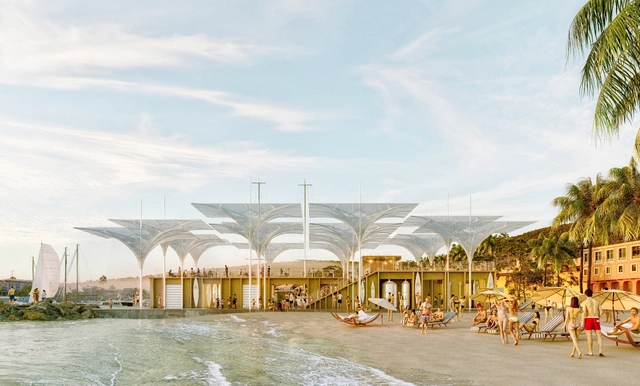
Organized by Monaco Marina Management, the Monaco Smart & Sustainable Marina Rendezvousaims to propose innovative solutions and encourage their application towards the development of virtuous marinas. This initiative stands out for connecting marinas, architects, innovators, yachting professionals, investors, officials and policymakers, to promote the development of eco-responsible, efficient and attractive marinas in the eco-transition drive underway for yachting destinations. For this third edition, a beach club design competition was launched, with the participation of 14 international professional studios and 51 students who presented a total of 43 projects to the jury members chaired by Jean-Michel Wilmotte from Wilmotte & Associés.
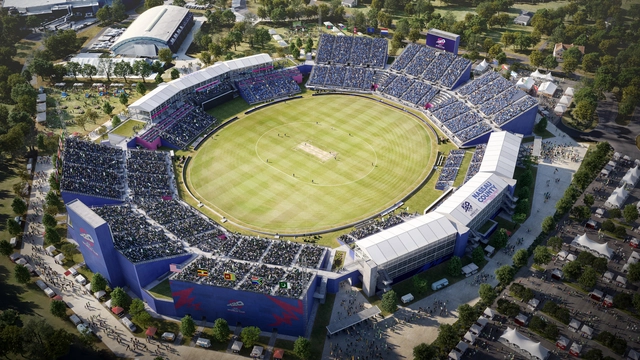
Nassau County International Cricket Stadium / Populous. Image Courtesy of Populous
Designed by the sports and entertainment-focused architecture office Populous, the Nassau County International Cricket Stadium will be located in Eisenhower Park, 30 miles east of Manhattan, and is planned to host eight matches during the ICC Men’s T20 World Cup 2024. The stadium, having a capacity of 34,000 seats with additional VIP and hospitality units, is scheduled to be completed within 3 months. The accelerated process is made possible by the modular system, typically employed in other sports such as Formula 1, Golf, and the Olympic Games.
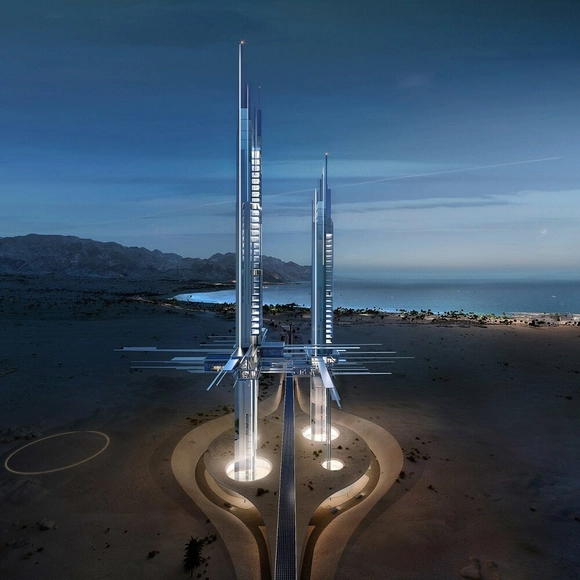
NEOM - or "new life" in a blend of Greek and Arabic- is a new urban development planned by the Kingdom of Saudi Arabia. Imagined as a cross-border city located in the northwest of the country, it aims to diversify the economy and reduce its dependence on oil. With promises of sustainability and innovation, the mega development has grabbed global attention with its 10 distinct regions.
It is conceptualized as a cutting-edge metropolis, aspiring to emerge as a worldwide epicenter for groundbreaking advancements and an exemplar of eco-friendly lifestyles. Since its announcement in 2017, NEOM has revealed the plans for 10 central regions, featuring a 170km long skyscraper, a futuristic ski resort, an upside coastal hotel, a tourism destination in a mountainous valley, and many more.
Cortesia de Programa Rolex de Mestres e Discípulos
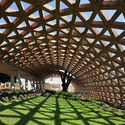
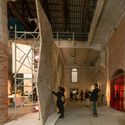
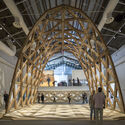
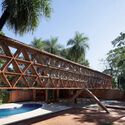
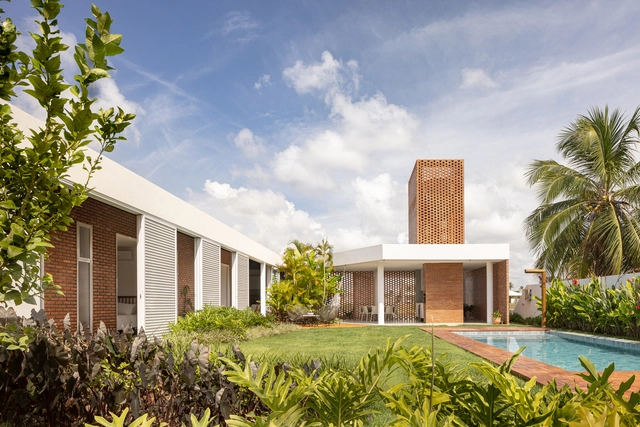
Born in Brazil and educated in Paraguay, Gloria Cabral is an architect who early on learned that home can be many places—or none at all. Guided by a comprehensive understanding of the geography, culture, and social conditions of the places she designs, she has left her mark on buildings and artistic installations constructed in various locations, from Asunción to Venice.
Besides her interest in the specificities of the places where she operates, Gloria focuses on resource economy and material reuse — a trending theme that Gloria has championed for over fifteen years. We had the opportunity to speak with the architect about her experiences in Paraguay and Brazil, some of her works involving recycled brick, and her insights into architecture and sustainability.
The Museum of Temporal Delight. This image was created, in Midjourney, using 5 language prompts and a few small refinements. Image Courtesy of John Marx/ Form4 Architecture
This article is the seventh in a series focusing on the Architecture of the Metaverse. ArchDaily has collaborated with John Marx, AIA, the founding design principal and Chief Artistic Officer of Form4 Architecture, to bring you monthly articles that seek to define the Metaverse, convey the potential of this new realm as well as understand its constraints.
In so many ways the introduction of AI software has created a sense that we live in a world predicted by science fiction novels. We commonly have rested on the assumption that computers will never be capable of designing. That time has now arrived, and with it comes an opportunity to confront the positives and negatives these new technologies offer.
Contemporary cities and urban settlements manifest as intricate structures that demand deep reflection and a careful approach. The social models and spatial layouts within them are in constant evolution, transforming over time. In this context, a crucial question arises: What is the predominant model for cities today? Many contemporary cities result from a paradigm that reached its apogee in the 19th century, characterized by intensive densification and urbanization in response to needs that weren't always reflective of its inhabitants.
In some cases, due to the transformations experienced by large cities, certain urban sectors have fallen into disuse, becoming residual spaces or moving away from purposes oriented to community development. Recognizing that people are the driving force behind the dynamics of cities and human settlements, it is imperative to reclaim these spaces. To this end, theoretical approaches such as the one proposed by Henri Lefebvre's right to the city and the 15-minute city are presented as alternatives. In these cases, people regain the focus, becoming key elements in the design, and allowing for the re-establishment of a community-person-space bond.
https://www.archdaily.com/1012450/reactivating-residual-public-spaces-with-community-led-designEnrique Tovar
Although people with disabilities represent nearly 15% of the global population, and more than half of them live in urban areas, our cities rarely meet their needs. Most are designed from the perspective of non-disabled people traveling by private transport (such as cars and motorcycles), rather than those who walk, cycle, or use public transportation.
https://www.archdaily.com/1078840/how-to-ensure-access-to-the-city-for-people-with-disabilitiesITDP Brasil
Populous, along with the Board of Directors of the Qiddiya Investment Company, has unveiled the design for the Prince Mohammed Bin Salman Stadium, a new multi-use venue to contribute to the offerings of Qiddiya City, a new district dedicated to sports and entertainment near Riyadh, Saudi Arabia. Located atop the 200m-high Tuwaiq cliff, the stadium, featuring a vast array of integrated technologies and innovative systems, is anticipated to host some of the country’s biggest sports, entertainment, and cultural events.
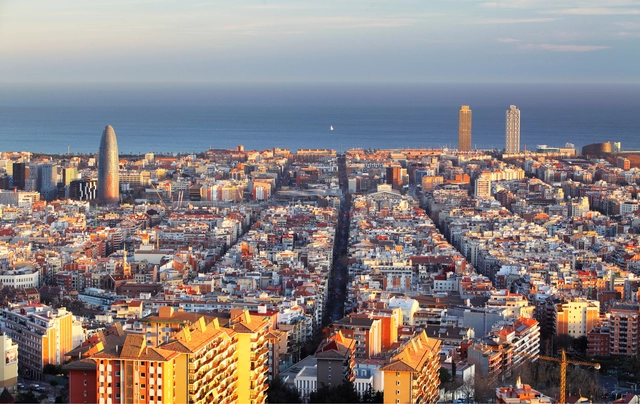
The city of Barcelona, along with its metropolitan area, will become a research laboratory as the main venue for the World Congress of Architecture of the International Union of Architects (UIA), scheduled to take place from June 28th to July 2nd, 2026. Its objective is not only for the Congress to be of maximum relevance and interest to the global community of architects but also for real-impact knowledge and practices to emerge in the everyday lives of people and the future of the planet.
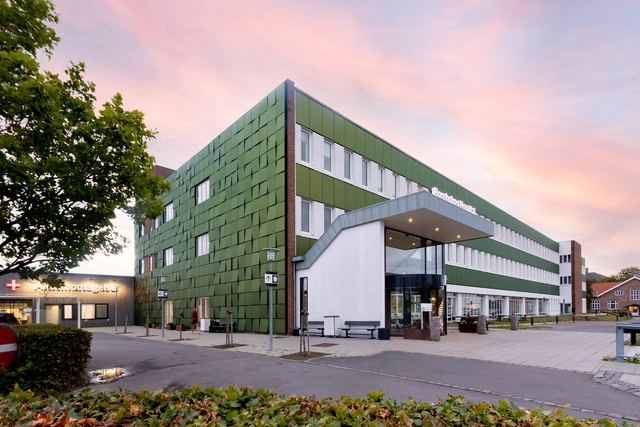
Solar Facades on Bornholm Hospital. Image Courtesy of SolarLab
Environmental degradation has shed light on the need for new sources of energy. A shift in energy sources calls for innovative means of storing energy. For centuries, buildings have proven able to store people, objects, and systems, inviting a conversation about their untapped potential to efficiently store large amounts of energy. In this new era, can buildings go beyond being structures of function to potential reservoirs of power?
Review the best of architecture from the past week according to our readers and editors, featuring this selection of the most read articles, most visited projects, and most popular products on ArchDaily Brasil.
To make sure you don't miss the best of each week, subscribe to our weekly newsletter and receive these and other updates on architecture, cities, and the built environment directly in your inbox.
Hotel renovations today transcend mere improvements in guest comfort or alignment with prevailing design trends. A major demand currently facing the industry is the need to respond to the growing wave of environmental awareness and embrace sustainable development objectives. The requirement to address sustainability is driven by a growing social awareness of environmental issues. Guests and stakeholders are increasingly advocating for sustainably certified structures, achieved through eco-friendly installations and innovative solutions, such as green roofs, eco-friendly materials, and innovative facades. This sustainability-driven shift benefits the environment and promises long-term savings in water and energy costs for hotels. Specifically in the case of hotels, improving the efficiency of hot water equipment can make a large difference in hotel management, as this generally represents a huge expense and waste of energy.
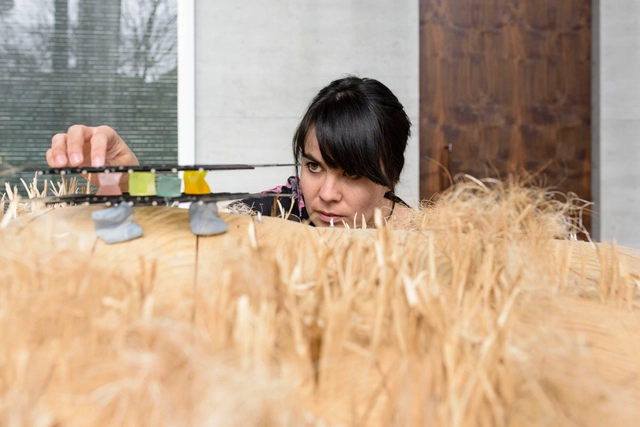
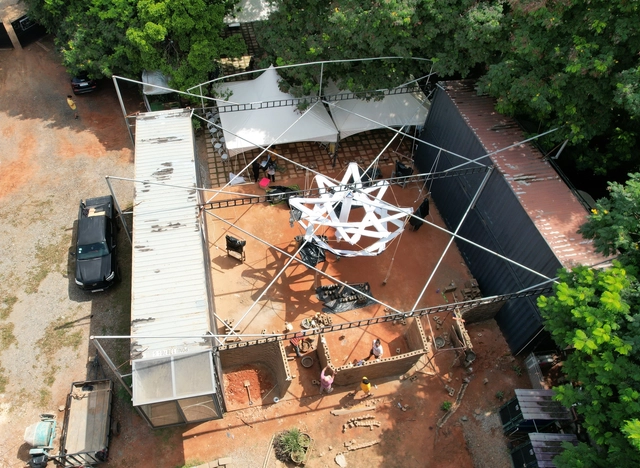
The “Soil Sisters” initiative explores how architectural design and sustainable material practices can contribute to soil nutrition and resilience. Partnering with SOM Foundation, their joint effort has resulted in an exhibition aiming to redefine our understanding of “environmentally conscious practices.” Titled “Soil Sisters: A Ceiling, A Chair and Table, A Wall and a Threshold,” the display showcases their dedication to redefining soil health as a cross-sectoral objective by emphasizing materiality and color in the built environment.
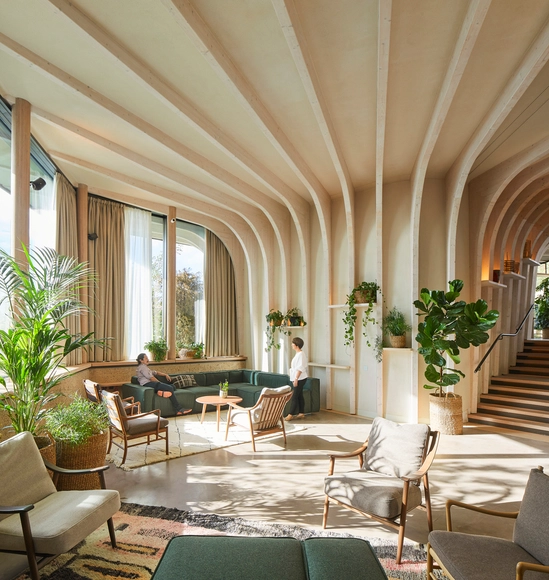
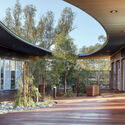
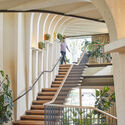
Silent and endless hallways, white and cold rooms, an impersonal and distant atmosphere: this is a deeply ingrained image in our cultural conception of hospital environments. The whiteness of these spaces, attempting to reinforce the necessary notions of sterility and cleanliness, may also evoke a sense of discomfort and anxiety for patients and their families.
The importance of humanizing hospital, clinic, and office projects is an increasingly discussed and relevant topic in healthcare, extending far beyond the aesthetics of these buildings. It is necessary to create welcoming environments that promote the well-being of patients, families, and professionals, recognizing that architecture can play a fundamental role in the recovery and comfort of these individuals during moments of vulnerability.
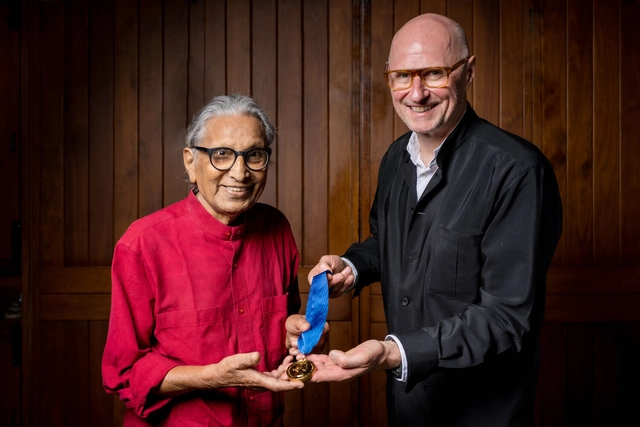
Recognized as the UK’s highest honor for architecture, the RIBA Royal Gold Medal for Architecture is approved personally by Her Majesty The Queen and is given to a person or group of people who have had a significant influence "either directly or indirectly on the advancement of architecture.", according to the organization. In 2024, the recognition was awarded for the first time to an African Woman, to the Ghanaian-Scottish architect, academic, and curator Lesley Lokko.
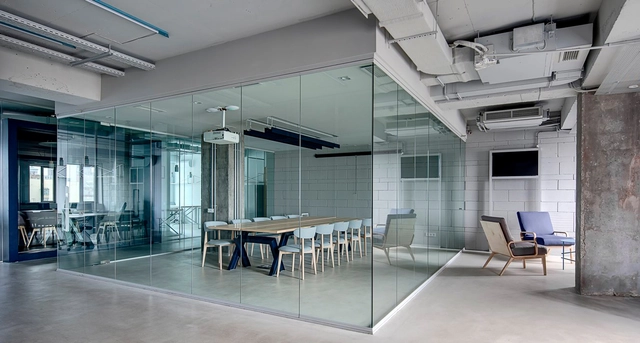
Divisiones de cristal. Image Cortesía de Glasstech
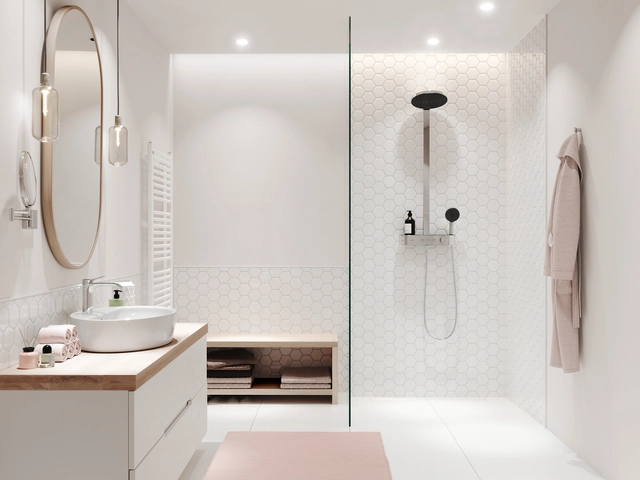
In the context of contemporary design, glass partitions have gained prominence in the world of interior design due to their versatility in harmoniously combining elegance, functionality, natural light, and spaciousness. One of their primary advantages is transparency, which allows for spatial division without obstructing natural light, offering a sense of openness and connectivity between areas. This is particularly beneficial in small spaces where light can make a significant difference in the interior atmosphere.
At the same time, construction methods are simplified by the clean and rapid installation of glass walls and doors, as well as their multiple mounting options, which adapt to structural conditions and construction sequencing. Moreover, while transparency is a key feature, glass partitions can also incorporate options to ensure privacy when necessary, utilizing various types of glass with digital printing, silkscreening, or satin finishes.
https://www.archdaily.com/1136361/flexibility-luminosity-and-independence-glass-solutions-for-interior-designEnrique Tovar
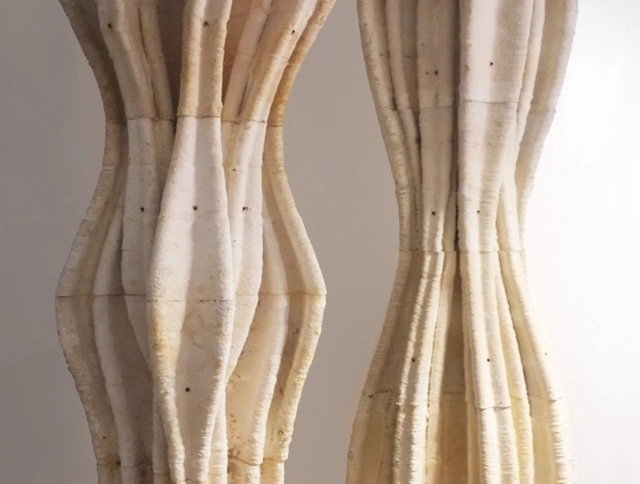
Opt Oog Column / Blast Studio. Image Courtesy of Blast Studio
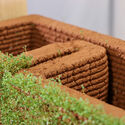
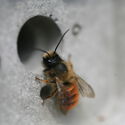
In architectural design, our interactions with non-human organisms have predominantly involved creating barriers to exclude them from the human realm. What if we were to adopt a different approach? Interspecies design is a movement that puts non-human organisms—fungi, insects, and various animals—on an equal footing with humans. This design philosophy provides frameworks that foster non-hierarchical relationships with other species. By doing so, it cultivates empathy for other life forms and shifts our perspective on the world around us. It aims not only for a net-zero approach but also seeks collaboration with non-human organisms to develop environments beneficial to all. Below, explore some emerging material technologies designed to benefit both humans and other life forms.