1. ArchDaily
  2. Articles

Articles

Infrastructure, public spaces, and zoning: what Tokyo can teach Brazilian cities

Subscriber Access | 

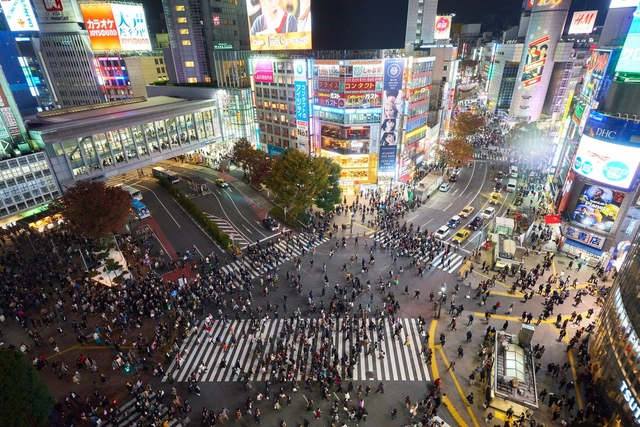
Tokyo is a chaotic city, in the sense that it did not develop from city-wide coordinated urban planning. By the 18th century, it already had around 1 million inhabitants, with most of the population living in conditions similar to modern Brazilian favelas. Tokyo's dense suburbs resemble Brazilian peripheries, with low-rise but closely packed buildings on narrow plots and a wide variety of uses. Furthermore, Tokyo features a multiplicity of architectural typologies, different modes of transportation sharing the same space, and—not unlike Brazilian cities—billboards and exposed overhead wires clashing with the urban landscape.
Car or bus: which is more efficient at transporting passengers?

Subscriber Access | 

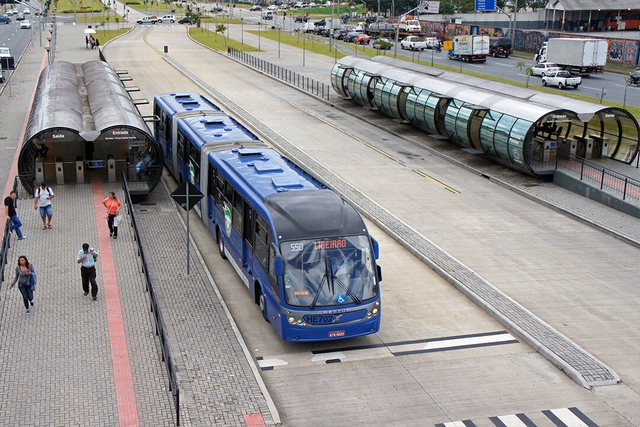
The most famous critique of the disproportionate amount of space occupied by automobiles is represented by a poster from the city of Münster, which compares the space taken up by 60 cars, one bus, and 72 bicycles (all carrying 72 people). The image clearly demonstrates that the space required by automobiles to transport the same number of passengers is staggeringly larger.

Moradores: A Project by WORC Restores the Splendor of an Old House in the Toluca Valley

Subscriber Access | 

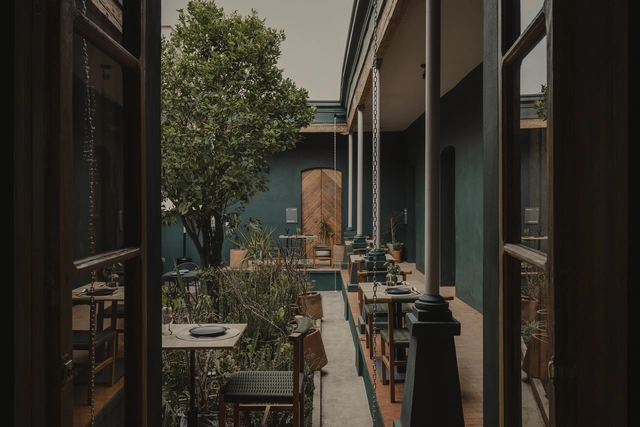
As part of a new project by the architecture firm WORC, "Moradores" emerges: a space located just steps from Jardín Zaragoza in Toluca, State of Mexico. Housed within a 342-square-meter residence with nearly a century of history, it is one of the few surviving structures from the evolution of a representative neighborhood in the city's historic center. The studio, directed by Ricardo Martínez and Camila Ureña, describes the space as a “public house” comprising a restaurant, art exhibitions, and a community gathering point.

Cazú Zegers, Among the 30 Most Powerful Women in Chile According to Forbes

Subscriber Access | 

With the goal of highlighting Chilean women who embody female empowerment, Forbes magazine has compiled a list of the 30 most influential women in the country today. The selection is based on key attributes such as leadership, public inspiration, and an ongoing contribution to shaping a more gender-equitable nation.

Discover the four projects built at the Latin American Social Workshop El Salvador 2023

Subscriber Access | 

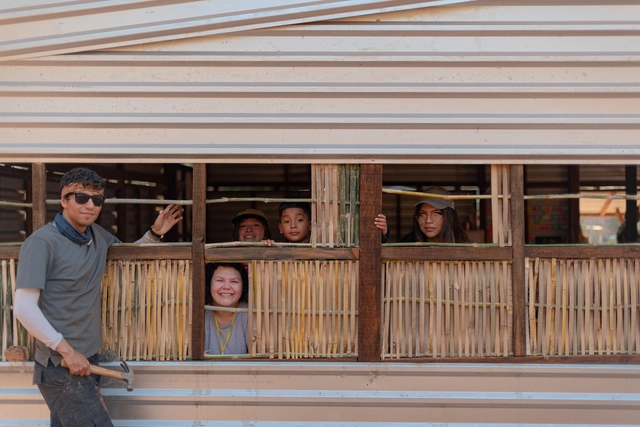
Between April 2 and 16, students from Latin America, together with architects, worked on the analysis, design, and construction of public infrastructure for the city of Suchitoto in El Salvador, within the framework of the XIX Latin American Social Workshop (TSL).

Since its first edition held in Barranquilla in 2002, the TSL has annually brought together public and private entities, university students, architects, professors, and members of Latin American civil society to develop practical architectural exercises with a strong community and local focus. This year, the XIX TSL was led by the Latin American Coordinator of Architecture Students (CLEA) and the local organization, the National Association of Architecture Students of El Salvador (ANEA).

The following is the work produced by the workshops led by architects from El Sindicato, Taller Bugambilias, Taller de Tierra, Colectivo Hormiga, ACCIÓN, Laborateca, Sen Sos Hábitat, Alejandro Alcázar, and Coonvite:

The role of timber in building the cities of tomorrow

Subscriber Access | 

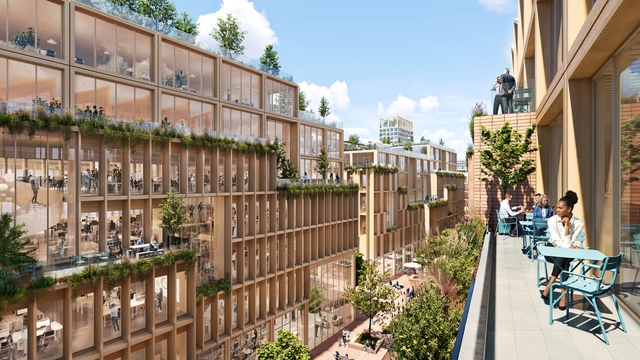
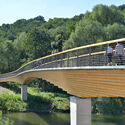
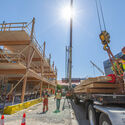
With studies estimating that by 2050 nearly 70% of the global population will live in cities, planning for more sustainable and balanced urban development has become imperative for the coming decades. This discussion invariably hinges on a more assertive choice of construction materials that yield greater urban and environmental benefits. In this context, a material re-emerging as a more sustainable choice for urban infrastructure is wood, particularly when paired with new technological advancements, which is being reintroduced into cityscapes due to its versatile characteristics and its ability to align with the construction of tomorrow.

The role of timber in building the cities of tomorrow - Image 1 of 4The role of timber in building the cities of tomorrow - Image 2 of 4The role of timber in building the cities of tomorrow - Image 3 of 4The role of timber in building the cities of tomorrow - Image 4 of 4The role of timber in building the cities of tomorrow - More Images+ 1

Open Question: Will timber cities be the next urban revolution?

Subscriber Access | 

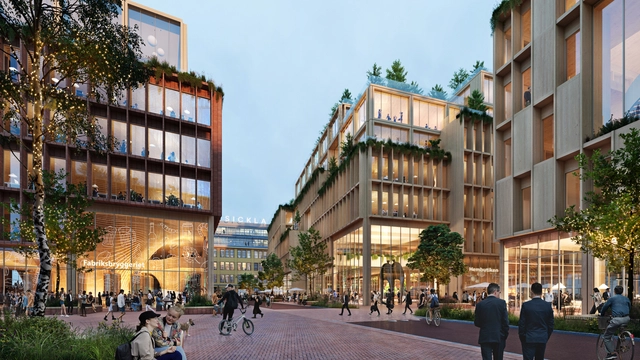
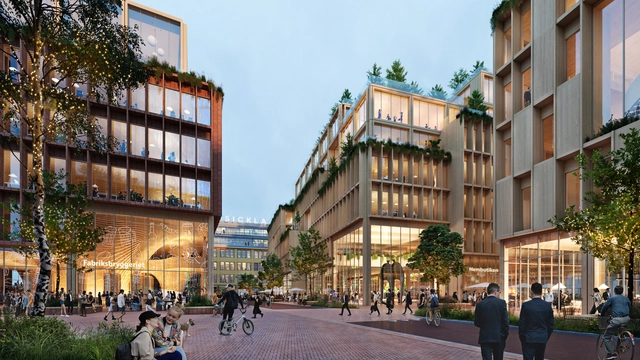
Atrium Ljungberg unveiled Stockholm Wood City, the world's largest timber urban development project, serving as a major showcase of Swedish sustainability. At around the same time, on the other side of the world, Tallwood Architects' 'Tamango Project' exemplified both the challenges and opportunities of timber construction in Chile, as it is poised to become Latin America's first 12-story building with a prefabricated timber structure.

Will wooden cities be the next urban revolution?

Subscriber Access | 

Atrium Ljungberg recently unveiled Stockholm Wood City, the world's largest timber urban development project—an effort to showcase Sweden's commitment to sustainability. On the other side of the world, Tallwood Architects' Tamango Project exemplifies the challenges and opportunities of timber construction in Chile and could become Latin America's first 12-story building featuring a prefabricated mass timber structure.

Wulff Castle in Viña del Mar: An Architectural Renaissance Underway

Subscriber Access | 

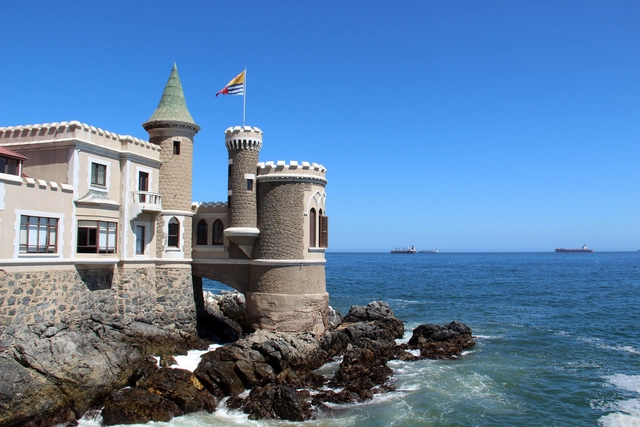
Wulff Castle in Viña del Mar is a renowned landmark, celebrated for its appearance and architectural style inspired by Liechtenstein Castle in Germany. The structure features German and French design elements, along with medieval characteristics—qualities that captivate both locals and the thousands of tourists who visit it.

Brazilian Houses: 11 Residences with Muxarabis

Subscriber Access | 

Like the cobogó and the brise-soleil, the muxarabi is an architectural element designed to reduce solar heat gain inside buildings, acting as a “filter” that allows air to circulate freely. Typically made of wooden lattices, muxarabi panels offer the advantage of being lighter and cleaner to install compared to cobogós, for example, since they do not require mortar for assembly.

No Water on Site: 11 Projects That Use Dry Construction Techniques

Subscriber Access | 
No Water on Site: 11 Projects That Use Dry Construction Techniques - Featured Image
Bar Mundial / Apiacás Arquitetos. Image: © Leonardo Finotti

There is much discussion regarding ways to reduce the environmental impact of the construction industry, whether through the waste generated by traditional jobsite activities or the water consumption associated with the building processes of certain construction types. Driven by the ecological agenda, current efforts to revise these traditional construction parameters also—and perhaps primarily—respond to the potential for improving jobsite logistics and profitability, making construction faster and more economical for builders. Dry construction has emerged as a key alternative for the industry, offering a fast, clean, and efficient building process that generally requires fewer materials.

6 changes needed for the financial system to help promote a sustainable future

Subscriber Access | 

Every day, governments, financial institutions, and corporations face a critical decision: continue investing in physical assets that emit greenhouse gases and degrade nature, or prioritize developing green solutions that foster a stable, resilient, and equitable economy. As communities bear the brunt of severe climate impacts, the imperative to build a sustainable future becomes increasingly clear.

The Origin of Cities: Federación in Argentina

Subscriber Access | 

The city of Federación, located in the northeast of the province of Entre Ríos, was structured, like most Argentine cities, around “the classic block-by-block grid layout bequeathed by the Laws of the Indies,” taking shape alongside the development of its various economic roles. The evolution of economic functions and the actions of different social forces gradually shaped a unique organization of urban space, in which distinct “neighborhoods” or urban districts clearly reflected the inequalities of the local socioeconomic structure.

Trees act as natural air conditioners and can lower city temperatures by up to 3°C

Subscriber Access | 

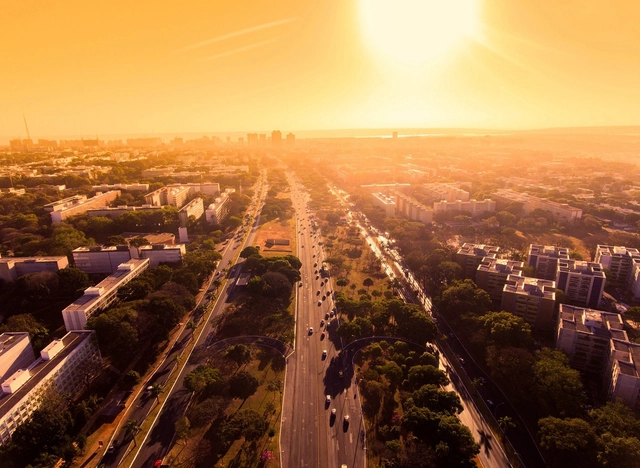
The capacity of trees to naturally cool cities is one of the key benefits of promoting urban planting. In the Federal District, urban afforestation has been studied to guide public policies toward the sustainable use of natural resources. Architecture and Urbanism student Júlia Almeida, from the University Center of Brasília (CEUB), measured the microclimatic influences of vegetation at the residential scale in Brasília, proving the power of greenery to improve quality of life.

Does upzoning work?

Subscriber Access | 

Many cities around the world face severe housing affordability issues. One of the primary reasons is highly restrictive zoning regulations. Zoning—the rules that dictate what can be built on any given lot—was originally designed to manage urban issues such as congestion, pollution, and shadow impacts.

Over time, however, planners aligned with property owners to tighten these rules. Planners disliked urban density and were more than happy to reduce it. Homeowners realized that stricter codes could preserve their property values and exclude low-income residents and minorities from their neighborhoods.

Does upzoning work? - 1 的图像 4Does upzoning work? - 2 的图像 4Does upzoning work? - 3 的图像 4Does upzoning work? - 4 的图像 4Does upzoning work? - More Images+ 4

Socio-spatial inequalities and access to opportunities in Brazilian cities

Subscriber Access | 

How many jobs can someone access in less than an hour using public transit? How long does it take to reach the nearest healthcare clinic or school from home? The answers to these questions depend directly on cities' transportation and urban development policies. These policies largely determine urban accessibility—that is, the ease with which people from different social groups and income levels can access employment opportunities, healthcare and education services, and cultural and leisure activities. However, urban accessibility has received little attention from public officials in Brazil, and research on the topic remains limited to case studies of a few cities, partly due to challenges in data availability.

3D Reconstruction Shows a Portrait of the City of Mexico-Tenochtitlan

Subscriber Access | 

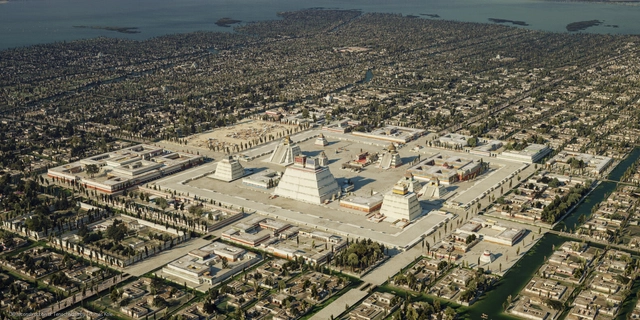
As part of a project led by Dutch artist Thomas Kole, a website titled "Portrait of Tenochtitlan: A 3D reconstruction of the Mexica capital" has been launched, presenting a variety of images of what Tenochtitlan once was. This reconstruction is based on historical and archaeological sources, as well as the collective knowledge that yields these images today to continue studying our history. The site offers navigation in three languages: Nahuatlahtolli, Spanish, and English, featuring an overlay of contemporary images where users can compare before and after simply by sliding the cursor across the screen. It was created using open-source software: Blender, Gimp, and Darktable.

Time Portal in Juliaca, Peru: Between Inca Architecture and the Modern Codes of Globalization

Subscriber Access | 

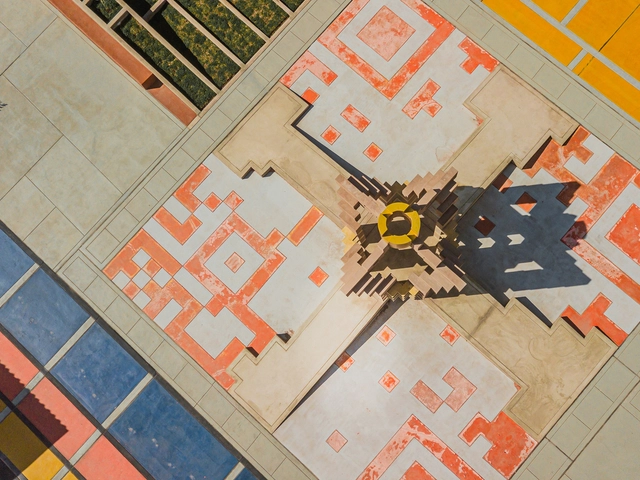
The Time Portal, designed by Longhi Architects, is an architectural project commissioned by the company "Los Portales" to create an identity landmark in the plaza of a modern residential development in the city of Juliaca, Peru.

The project merges fundamental characteristics of Inca culture and landscape design with elements of contemporary globalization, represented by the recognizable QR code icon.

Chile has a new National Council for Territorial Development, and its president is Paola Jirón

Subscriber Access | 

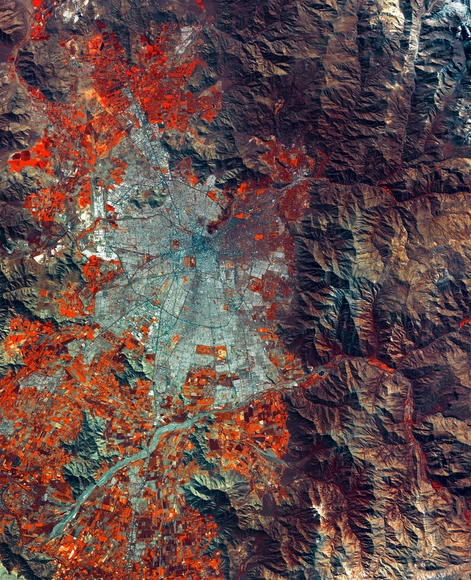
Paola Jirón is the newly appointed president of Chile's new National Council for Territorial Development (CNDT), a recently established entity that merges the National Council for Urban Development (CNDU) and the National Council for Rural Development (CNDR). She takes on the challenge of promoting planning that accounts for the specific characteristics of each region, while facilitating dialogue to develop solutions for pressing spatial issues, such as the growing population in informal settlements, urban development in disaster-prone areas, and the increasing subdivision of rural land.

An architecture school on the Turbio River in Barquisimeto, Venezuela

Subscriber Access | 

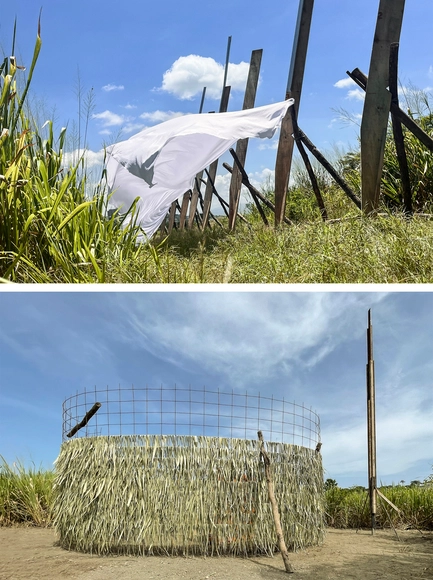
For five days, we ventured into the Turbio River of Barquisimeto, its valley, and its banks to experience fieldwork that culminated in the construction of landscape interventions. We were 70 students and 30 professors, guests, and collaborators, taking part in a Summer School organized by Dislocal alongside the Faculty of Architecture and Urbanism of the Universidad Central de Venezuela and its Extramural Teaching Unit in the city of Barquisimeto.

Brazilian Houses: 25 Urban Residences

Subscriber Access | 

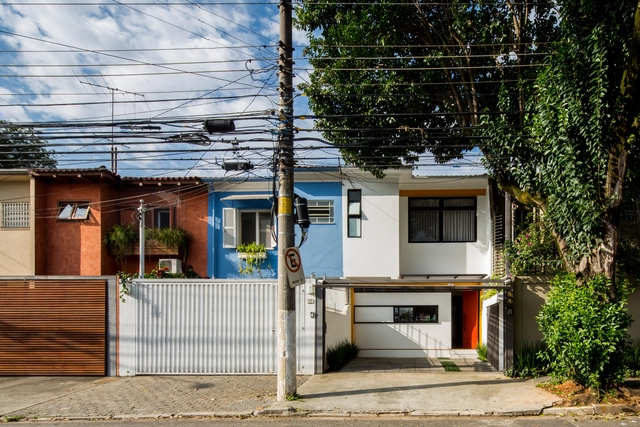
Despite the ongoing trend toward verticalization in major cities, houses remain traditional fixtures in many urban contexts, continually evolving over the years. Designing a house in the city involves a series of constraints specific to urban contexts, and the virtuosity of architecture in these cases lies in uncovering the opportunities that urban lots—typically restricted in size—can offer to their inhabitants. Some proposals counter the increasingly visible trend of walling off and isolating residential spaces within gated communities or large housing complexes. Instead, they set out to establish a direct and engaging relationship with the public realm, recognizing that the city has a wealth of possibilities to offer to architectural design, even within the private sphere.

We have selected a series of Brazilian residential projects that respond to urban constraints with diverse and effective solutions.

Architecture and Sports: 16 Gymnasiums Around the World

Subscriber Access | 

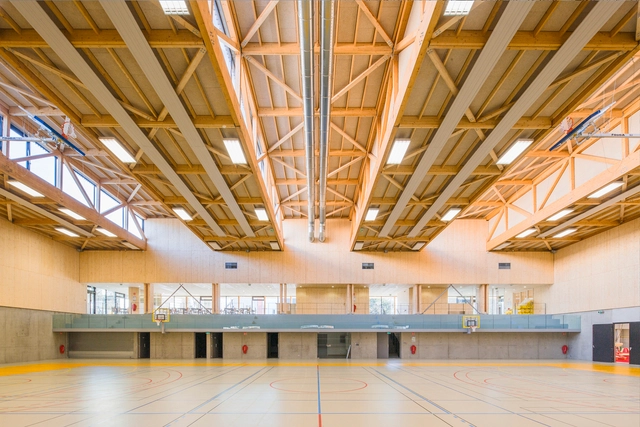
As spaces that host various athletic activities, sports gymnasiums require designs that go beyond merely complying with standard dimensions and layouts for courts, tracks, pools, and other facilities. Challenges such as planning flexible, integrated spaces, calculating grandstands based on spectator capacity, and integration into the urban context are among the many design variables that shape diverse architectural concepts.

What are the architect's responsibilities after the building is occupied?

Subscriber Access | 

While high expectations build up during the development of an architectural project—which often represents the realization of a professional dream or a new home for a family—and even though, despite careful planning, countless unforeseen issues and headaches can arise during construction, after weathering endless estimates, schedules, and delays, once construction is complete and the property is occupied, it usually feels as though the journey has finally come to an end.

However, even with the work seemingly finished and a sense of accomplishment, architects and clients will likely still need to align on certain points or address issues that crop up along the way. In light of this, what are the architect's responsibilities once the owners occupy the property?   

After all, what are sidewalks for?

Subscriber Access | 

Twenty-one years after the passage of the federal City Statute (Estatuto da Cidade)—which regulated the “Urban Policy” chapter of the Brazilian Constitution, leading to the formulation of several master plans for 21st-century cities with more than 20,000 inhabitants and, now, the opportunity to revise many of them—it seems timely to tune our radars to a highly relevant topic for all cities, and one we have consistently struggled to address: our sidewalks!

I am referring to various aspects of their use and purpose, their regulatory mechanisms, their maintenance, and their design... Let us look at them.

You've started following your first account!

Did you know?

You'll now receive updates based on what you follow! Personalize your stream and start following your favorite authors, offices and users.