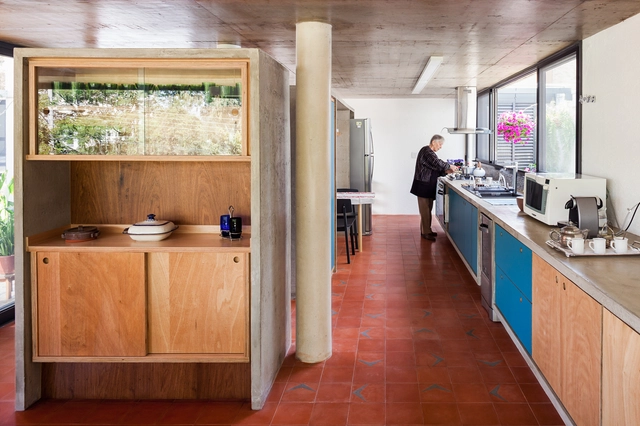
When considering the segment of the elderly population aged 60 and over, the 2022 survey by the Brazilian Institute of Geography and Statistics (IBGE) recorded a total of 32,113,490 older adults, representing approximately 15.6% of the current population. In 2010, this same age group represented 10.8%, indicating a 4.8% increase in just 12 years. The median age of the Brazilian population has increased by six years since 2010, reaching 35 in 2022, while the aging index rose, indicating 55.2 older adults for every 100 children aged 0 to 14, compared to 30.7 per 100 in 2010.
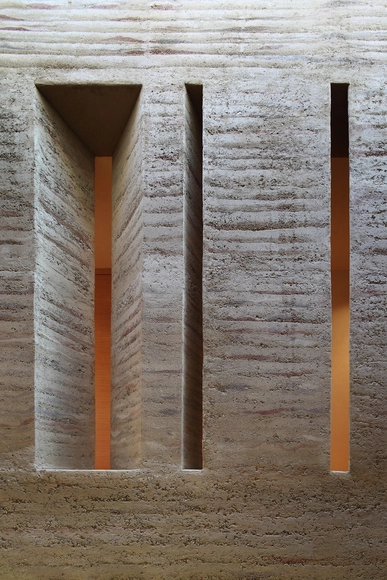
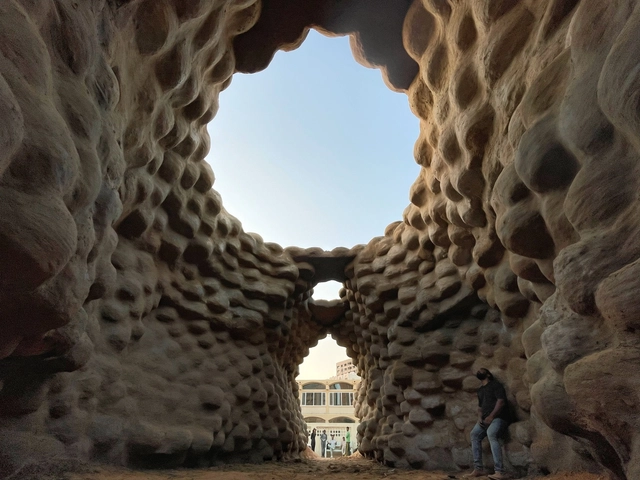
Rammed earth has been used in construction for thousands of years, with evidence of its use dating as far back as the Neolithic Period. Commonly used especially in China, the technique was applied to both ancient monuments and vernacular architecture, with the Great Wall utilizing the technique. Though interest in rammed earth declined in the 20th century, some continue to advocate its use today, citing its sustainability in comparison to more modern construction methods. Most notably, rammed earth structures use local materials, meaning they have low embodied energy and produce little waste. Below, we describe how to build with this material.
https://www.archdaily.com/933353/how-rammed-earth-walls-are-builtLilly Cao
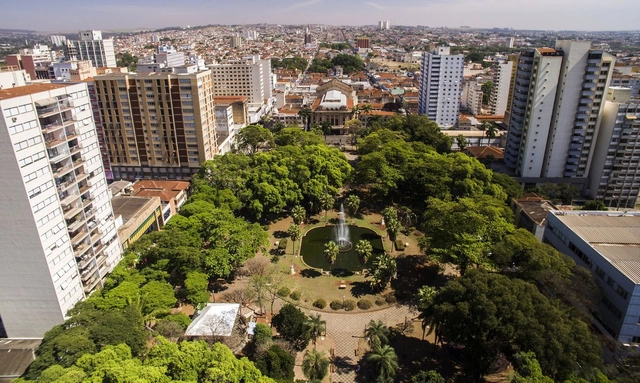
Ribeirão Preto, SP. Image: Governo do Estado de São Paulo
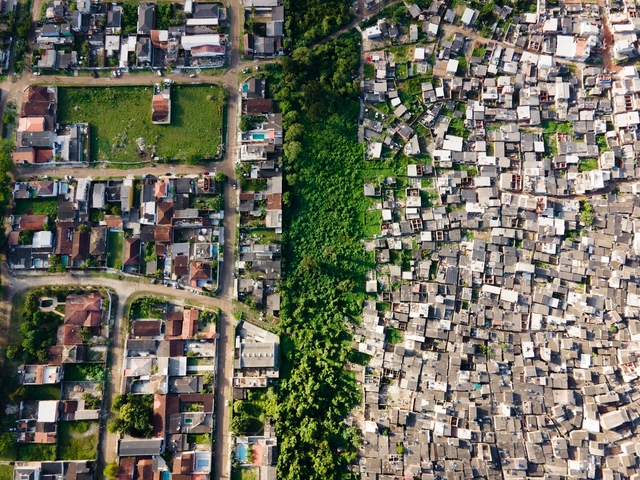
The release of the first data from the 2022 Census caught many by surprise. According to the IBGE, Brazil now has around 203 million inhabitants, a figure below the Institute's projection of 215 million. Another striking data point was the growth of midsize cities (100,000 to 499,000 inhabitants), which gained 8.3 million residents. Given that the country's population grew by 12 million since the 2010 Census, these cities account for more than two-thirds of that increase.
A few days before the end of November, Gramado, a city known as one of the most sought-after tourist destinations in southern Brazil, grabbed the attention of national and international media. Unfortunately, it wasn't due to its film festival or the traditional lavish Christmas festivities. The city, already suffering from weeks of persistent rain, witnessed the emergence of massive geological rifts tearing through its streets, creating a post-apocalyptic movie-like scenario.
The imminent danger of ground movement alerted the population and the authorities, who promptly evacuated the buildings on the hills of the condemned neighborhood. This course of action proved entirely effective and responsible, as one of the buildings within the designated area did indeed collapse three days after the evacuation. However, it is worth noting a detail: the affected neighborhood consisted of upscale residences and luxury hotels and inns, which raises a question: would the efforts have been the same if the situation occurred in lower-income peripheral neighborhoods?
The traditional office space of the 20th century, with its huge filing cabinets, industrial-strength printers, and high-capacity meeting rooms, is no longer the only way to do business. As technologies such as cloud computing, video conferencing, and AI make our working lives simpler, all we really need is a flat surface and a wifi password.
In a commercial climate where even the largest companies pay as much notice to their social media accounts as their share price, it’s never been easier for small businesses to compete, but finding suitable office space for single-digit employers can be hard. These four small-scale workplaces show how, by keeping things small, they can do more with a lot less.
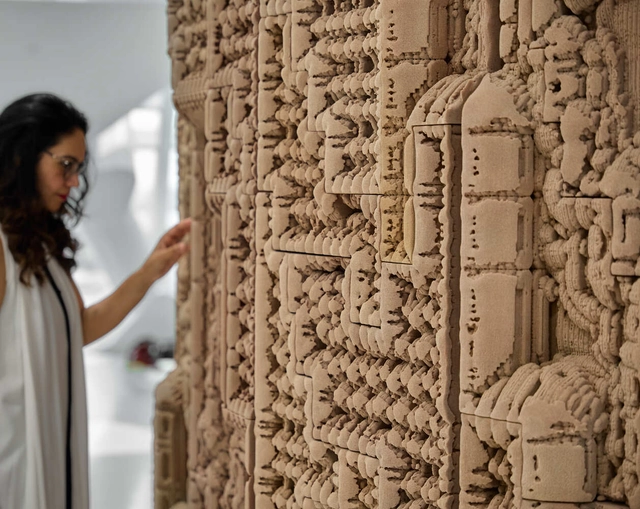
3D printing holds vast potential due to its ease of large-quantity manufacturing, its flexibility in terms of material exploration, and its ability to materialize all kinds of geometries. This year, architects and designers have looked at 3D printing technology to decarbonize construction materials, integrate contemporary aesthetics with traditional construction methods, and add a layer of craft and artistry to interiors and facades.
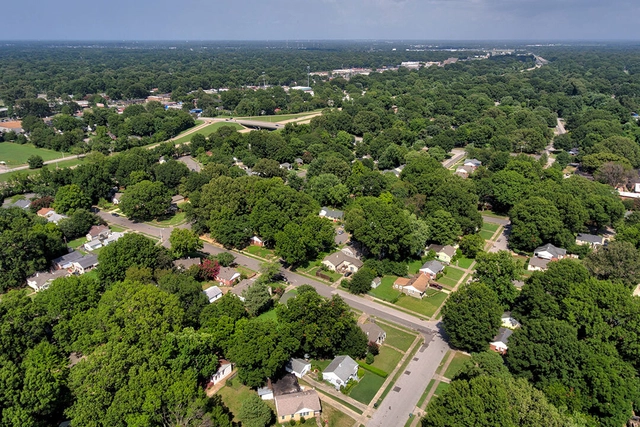
On a recent trip to the United States, looking out the airplane window while taking off from Tampa, Florida, I was struck by the pristine green landscape of the American suburb. Neatly organized rows of seemingly identical trees blanketed the flat terrain like a green carpet. To some, this abundance of green might look like a dream of environmentally integrated sustainability.
Nothing could be further from the truth. The American suburb, based on the outdated concept of the “garden city,” was designed to favor the automobile, low-density single-family housing, and single-use zoning. This model virtually rules out active transportation (walking or cycling) and makes mass transit—which relies on density and walkability—wholly unviable.
Courtesy of Architectural Dialogue | Elan - Meenakshi
Architecture competitions are platforms where innovation meets imagination, where the boundaries of what we know about design and architecture are relentlessly pushed. Serving as spaces for architects and designers to realize groundbreaking ideas, competitions challenge our conventions and shape our future environments. While countless creative concepts are proposed, only a handful are realized. In fact, these winning designs stand as a showcase for the creativity of architects, redefining our future built environments.
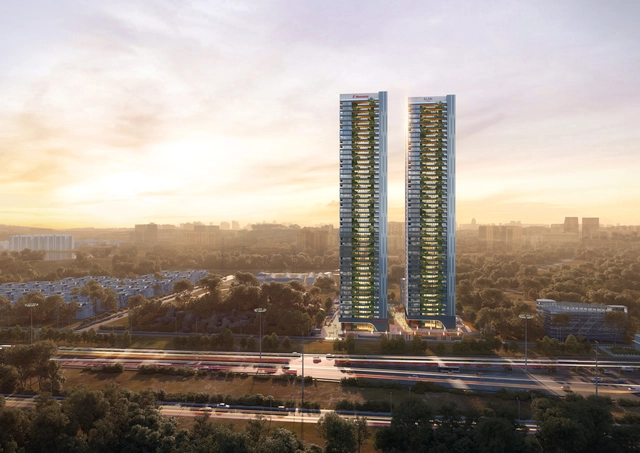
These winning projects demonstrate the global initiative to rethink the way we interact with spaces. HOKA fosters community interaction, while RITSO Resort merges tradition with modernity. Science Forest transforms museums into hubs for dialogue, and Elan-Meenakshi apartments in Hyderabad integrate urban living with green spaces. Ranging from Vietnam, Greece, Rome, to India, these examples showcase the transformative potential of architecture competition winners, reshaping our perception and interaction with the spaces we inhabit.
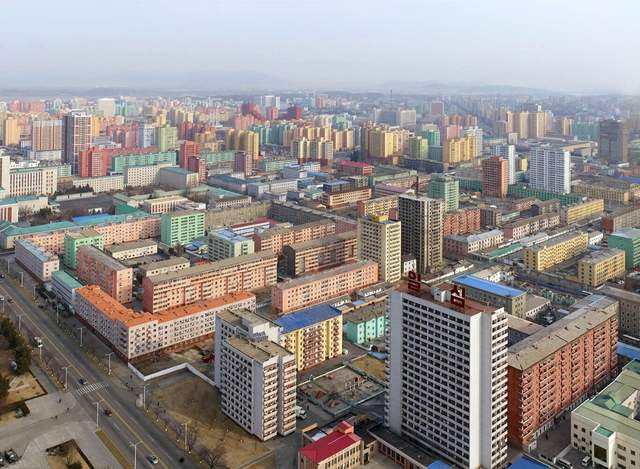
“Looking for a unique place to spend this Christmas and have a fun story to tell family and friends? Join us on our third Christmas visit to the Democratic People’s Republic of Korea! What better place to spend Christmas than in the heart of Pyongyang?”
To this day, I do not know if I should have taken the advertisement seriously. In any case, on December 24, 2018, I embarked on the “ultra-budget Christmas tour” promoted by Young Pioneer, one of the few travel agencies authorized to bring foreign visitors to North Korea.
The Second Studio (formerly The Midnight Charette) is an explicit podcast about design, architecture, and the everyday. Hosted by Architects David Lee and Marina Bourderonnet, it features different creative professionals in unscripted conversations that allow for thoughtful takes and personal discussions.
A variety of subjects are covered with honesty and humor: some episodes are interviews, while others are tips for fellow designers, reviews of buildings and other projects, or casual explorations of everyday life and design. The Second Studio is also available on iTunes, Spotify, and YouTube.
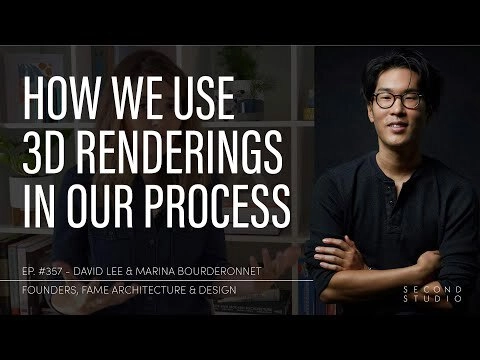
This week David and Marina of FAME Architecture & Design discuss how they use 3D images and renderings in their process. The two discuss the value of 3D images as a design tool and communication tool, the limitations and downsides of 3D images, and how these visuals are used during the different project phases.
https://www.archdaily.com/1011220/the-second-studio-podcast-the-pros-and-cons-of-3d-visualizationThe Second Studio Podcast
As the end of the year approaches, it brings the opportunity to reflect on the standout architectural moments of 2023. With this in mind, we looked at the most liked photos on ArchDaily Brasil's Instagram.
In recent years, India has emerged as a focal point for architects and urban designers from around the world. From the rich legacy of masters and emerging firms to smart city initiates being established across the peninsula, the acts of decolonization in architecture design to the evolution of a modernized vernacular, India has been demonstrating the power of supporting good architecture and urban design. This year, ArchDaily launched ArchDaily Building for Billions, a column that discusses the effects of population rise, urbanization, and economic growth on India’s built environment. Building for Billions was fueled by the recognition of changes and innovative projects washing over the country.
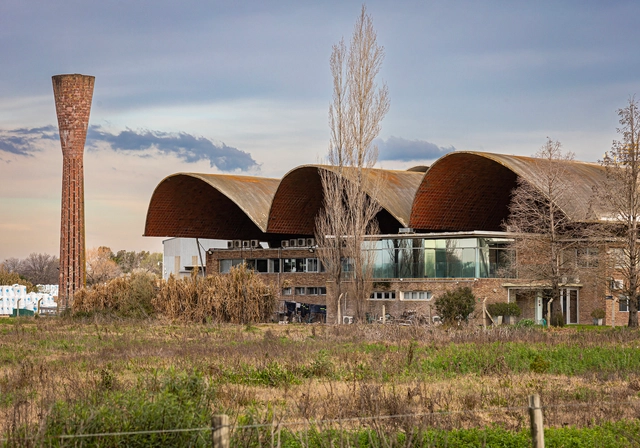
Far beyond the technical knowledge of his engineering background, Eladio Dieste (1917-2000) developed a rare architectural sensibility. He was a pioneer and master of reinforced masonry—essentially a relatively thin "shell" system in which ceramic blocks are compressed, steel bars are tensioned, and concrete binds the assembly together. Structural strength is enhanced through the design of complex spatial geometries that respond precisely to applied loads, thereby minimizing material use. This allows large spans and cantilevers to be achieved, while elegantly transferring loads to the ground.
You can unlock a world of architectural inspiration with ArchDaily's Subscription Gift. Whether you know an architect or someone enthusiastic about architecture and design, ArchDaily's subscription gift is the perfect present to fuel their passion, expand their knowledge, and support ArchDaily’s mission.
https://www.archdaily.com/1011511/give-the-gift-of-architectural-inspiration-with-the-archdaily-subscriptionArchDaily Team
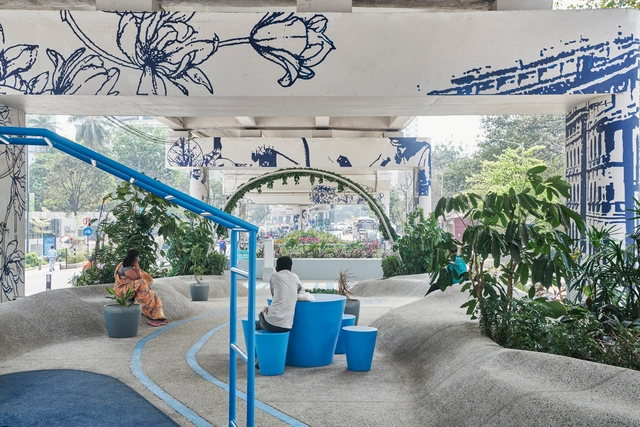
Architecture in the Global South often embodies a rich cultural heritage and craftsmanship, incorporating vibrant colors, intricate patterns, and symbolic elements. It also tackles the challenges faced by developing economies, such as limited resources, rapid urbanization, and social inequality, by promoting inclusive and community-driven design solutions. As installations and pavilions serve as radical templates for interrogating these architectural ideals and seeking innovative solutions, we present the top architectural installations as part of our year-in-review. They encompass curated exhibitions like the Venice Architecture Biennale, as well as permanent pavilion structures in specific contexts that delve into local materials, waste reuse, and the reinterpretation of historical narratives.
Residential architecture plays a vital role in people's lives, influencing their quality of life and well-being. To design environments that are truly tailored to the biopsychosocial needs of each user, it is essential to incorporate the principles of neuroscience applied to architecture. In this regard, Rudolf Steiner's Seven-Year Cycles theory offers a valuable conceptual framework for understanding the different phases of life and their implications for home design. This article addresses the stages of the architectural project, from briefing to execution, highlighting the relevance of cognitive and behavioral neuroscience concepts—such as priming, framing, nudging, wayfinding, salutogenic design, and biophilic design—in light of the Seven-Year Cycles theory.
Our buildings become symbolic of the times we live in, reflecting the spirit of a given era, attending to different needs, lifestyles and functions. “Architecture should speak of its time and place, but yearn for timelessness,” says one of the most prominent architects of our time, Frank Gehry. For architectural innovators, exploring new technological potentials and envisioning ways to enrich people’s lives have long been driving forces, shaping responses to contemporary challenges. Today, sustainability stands as a key challenge, adding new dimensions to the debate, bringing together form, function, the responsible choice of materials and long-term thinking. Adapting to these demands has never held more significance.
Cities are not just inert landscapes or lifeless settings; they play active and significant roles in shaping numerous television narratives. Whether in series or soap operas, urban environments play a fundamental role not only as the backdrop where plots unfold but also in shaping the developments of storylines, their creations, guidelines, and contexts. While, on the one hand, cities and their urban cultures contribute to the composition of various small screen plots, on the other hand, television programs can also help shape a certain idealized imagination about these urban spaces, generating unrealistic expectations and perpetuating a series of stereotypes about the represented cities.
The biennale UN climate conference, COP28, concluded in Dubai this week with a commitment to the eventual “phasing out” of fossil fuels. It was a classic glass-half-empty/glass-half-full gesture. Yes, as optimists pointed out, it was the first time any reference to moving away from fossil fuels had made it into the text of the final communique. But, like previous COPs, this resolution, too, is nonbinding and was reached over howls of protest from both oil-producing countries and developing countries reliant on existing energy supply chains for future growth. The tortuous nature of the outcome, watered down and officially toothless, left me feeling glum. If we can’t agree on the nature of the problem, it will be exceptionally difficult to fix it.
To offer perspective, I reached out to longtime activist Bill McKibben. A professor at Middlebury College, he has published 20 books; his first, The End of Nature, appeared in 1989. He was, along with Dr. James Hansen, one of the first to sound the climate alarm. McKibbin is a contributing writer to the New Yorker, and a founder of Third Act, which organizes people over the age of 60 to work on climate and racial justice. In collaboration with seven Middlebury students, he founded 350.org, the first global grassroots climate campaign.
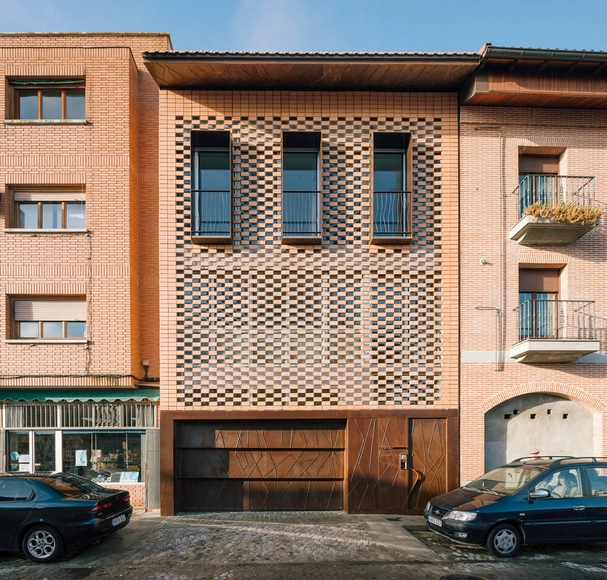
The duality of sunlight in the field of architectural design presents fascinating contrasts, especially when addressing the question of how to interact with it through the built environment and the materials that define architecture. The sun's influence in this discipline has become an essential part of the cultural heritage of some countries, as evidenced by Spanish architecture, where the interaction with sunlight manifests through elements such as lattices. These lattices are recognizable on the facades of buildings from the Middle Ages, exemplified by structures like the Alhambra, to 20th-century constructions such as Casa Gomis, considered historical monuments.
The facade, being the skin of the building, is the architectural component that is usually directly exposed to sunlight. Based on this premise, we seek to establish a dialogue between openness to the environment and the need for protection, thus creating a synergy between functionality and aesthetics. In this context, sunscreen facades have been developed through various approaches, standing out for their ability to address this design condition. For this reason, we have selected solar control solutions from Spanish brands, distinguished by their technical characteristics and materiality through various approaches.
https://www.archdaily.com/1010864/sunscreen-facades-from-ceramic-textile-systems-to-double-skin-glassEnrique Tovar
They say that it doesn’t matter what happens, but how you see it. They also say that literature does not reproduce reality, but rather creates another. It all starts with an idea. Just an idea. Image and imagination go hand in hand, meaning they constitute the mechanism of human perception, thought, language, and memory. And in essence, architecture is nothing more than organizing ideas. The question is: how do we organize these ideas? Or rather, how do you see things? Is there really perception without social and cultural context? The short answer is no. The long answer involves interpretive anthropology, a bit of theory, and a great deal of criticism.
Smart homes leverage technology to provide residents with increased convenience, savings, comfort, and security. With automated environments, household routines are streamlined. What once seemed like a distant future is now within reach as smart devices have become more accessible. They enable a new level of interaction between the home and its inhabitants through Wi-Fi and Bluetooth connections.
https://www.archdaily.com/1010597/how-to-create-a-smart-home-a-complete-guide-for-beginners-in-home-automationArchDaily Team
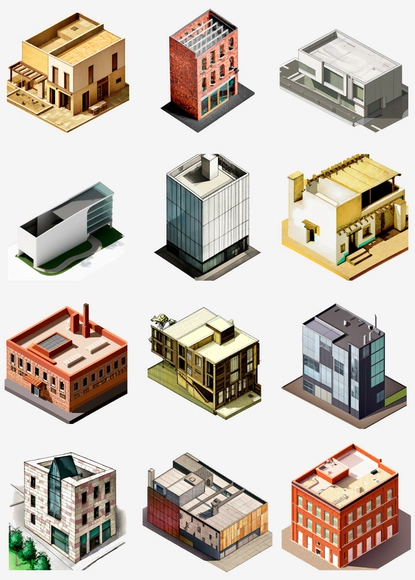
A contemporary building immersed in a built environment. This building is made of (material). An isometric view with realistic textures. Image via DALL.E 2
As AI has become more accessible, we have witnessed examples illustrating its diverse applications. Prominent among these are generative AIs, which excel in their ability to “create” images through prompts, many distinguished by their composition and vividness. These AI systems are neural networks with billions of parameters, trained to create images from natural language, using a dataset of text–image pairs. Thus, although the initial question posed by Turing in the 1950s, “Can machines think?” still recurs today, the generation of images and text is grounded in existing information, limiting their capabilities.
What has surprised many is the increasingly apparent closeness to overcoming the Turing test and the growing similarity, in terms of visualizations, to what an architect with skills in this field can achieve. In this context, while the debate persists in the architectural community about whether AI can process architectural concepts, this article explores how it interprets materials to develop these visual representations. With that in mind, a single prompt was developed for this experiment (with materiality as its variable) to delve into the obtained results.
https://www.archdaily.com/1010723/does-ai-correlate-materiality-with-contemporary-architecture-an-experiment-with-six-building-materialsEnrique Tovar
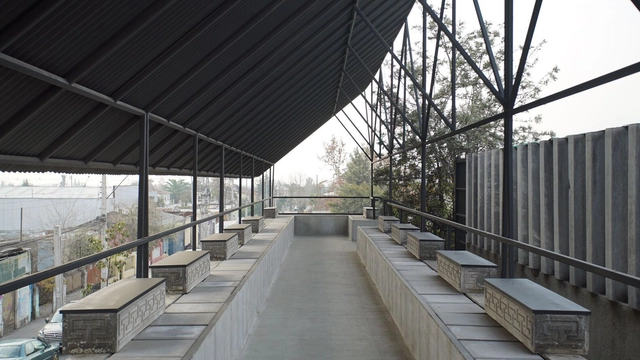
Designed by the architects of Grass+Batz, the Dignity Memorial Mausoleum in Chile has been selected as the winning project in the architecture category of ESENCIALES x ArchDaily 2023.