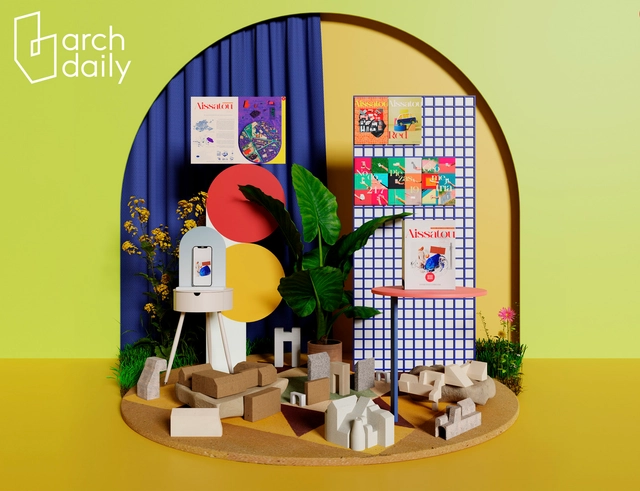
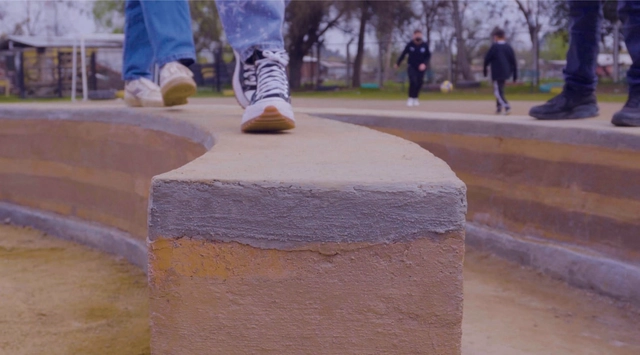
A few months ago, we got on a call with MACIA Estudio. In discussing their work and our shared communication interests, we found a strong affinity, leading us to propose creating "something" together—something that would explore the experiences of childhood and cities, public space, and urban design from various angles. After several months of work, we are thrilled to present Paisajes de juego, a podcast and video podcast developed with the support of the Salzburg Global Seminar and the endorsement of the National Association of Parks and Recreation.
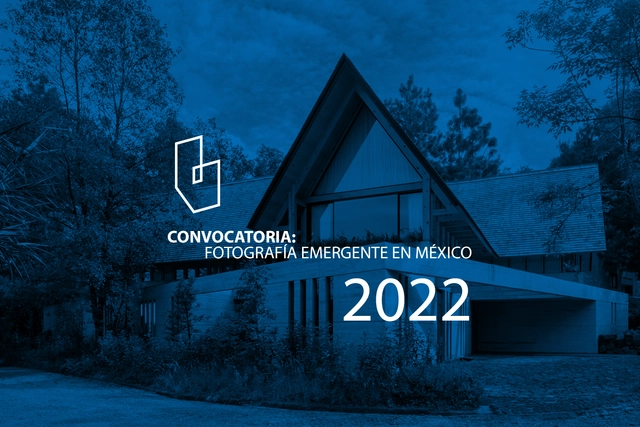
The history of Mexican photography has helped shape Mexico's global presence. Photographers like Elsa Medina, Lola Álvarez Bravo, Graciela Iturbide, Maya Goded, and Juan Rulfo have masterfully captured the life of buildings, homes, and streets in a rapidly developing nineteenth-century Mexico. As a result, the contemporary Mexican photography scene has become an essential tool for architecture, contributing to a deeper visual understanding of the works that rise day by day.
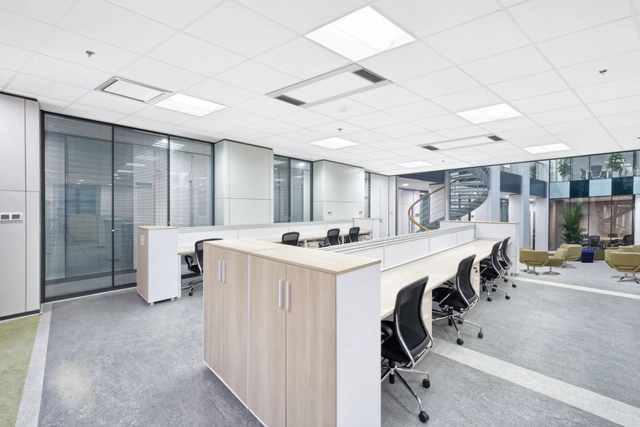
One of the most significant shifts in contemporary work culture has been the widespread adoption of remote work. Indeed, even more than two years after the onset of the pandemic, this remains the reality for many workers. While some predicted this would spell the end of the physical office, many companies have opted for a middle ground: a flexible, hybrid model designed to restore in-person collaboration while preserving the benefits of working from home. However, returning to the office in a pandemic context has raised several critical questions—chief among them, how to ensure a safe and healthy workplace?
On Friday, October 14, the jury announced its decision for the Long Stage of the 38th Alberto J. Pani Architectural Composition Award, organized by the Faculty of Architecture of the National Autonomous University of Mexico, in collaboration with an institution of the Association of Architecture Teaching Institutions of the Mexican Republic (ASINEA)—which this year was the Faculty of Architecture of the Universidad De La Salle Bajío in León, Guanajuato.
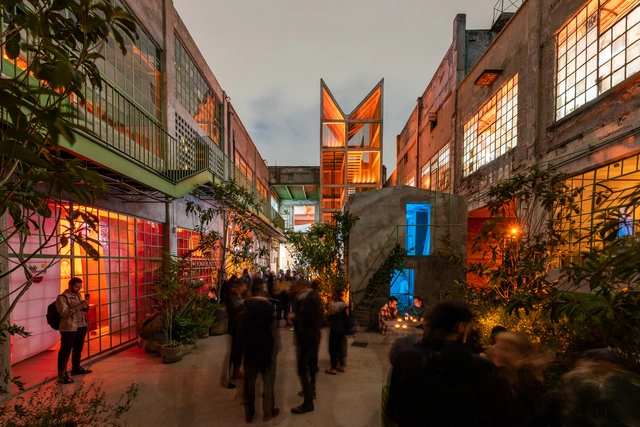
Servidor Local is a connection point, a forum where dialogue takes place; it is, in essence, a sanctuary for ideas, diversity, and exchange. As a platform, it drives cultural, art, and design projects that champion narratives with a social impact, aiming to benefit the immediate environment and spread along the paths of its visitors.
Once reserved for hospital environments or highly controlled laboratories, biosecurity has become a shared concern for many of us, especially considering that we spend most of our time indoors. With new outbreaks of the Covid-19 Delta variant detected in various states—driving a 9% increase in the epidemiological curve—families continue to seek the protection and resources needed to safeguard their spaces, ensuring sanitary safety against constant exposure to infections, viruses, and bacteria that pose potential health risks.
Offering productivity levels 50% higher than previous models, HP introduces its new range of large-format printing solutions, HP Latex. The series consists of four devices—the HP Latex 700 and 800, and the HP Latex 700W and 800W—bringing white ink printing capabilities to this category for the first time. Print jobs run on this new series will not only deliver brighter colors and finer details, but will also do so at even faster print speeds, reaching up to 36 m2 per hour.
LIGA, Espacio para arquitectura is a non-profit institution dedicated to promoting emerging Latin American architecture through a public program of exhibitions, lectures, and publications. On September 23, 2022, the institution celebrated 10 years of work at its headquarters on Calle Doctor Erazo 176, in Colonia Doctores, Mexico City. The anniversary also honored the work of three prominent women whose contributions have been crucial to Latin American architecture: Tatiana Bilbao (Mexico), Marta Moreira (Brazil), and Florencia Román (Argentina).
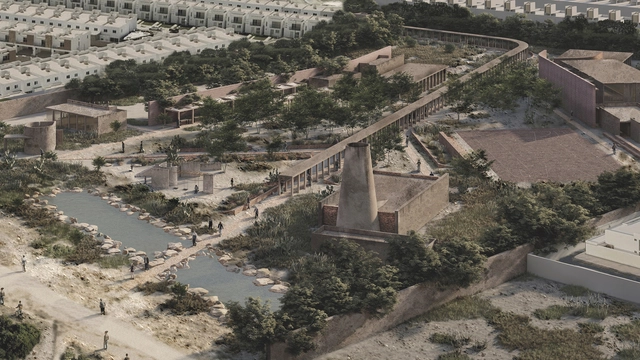
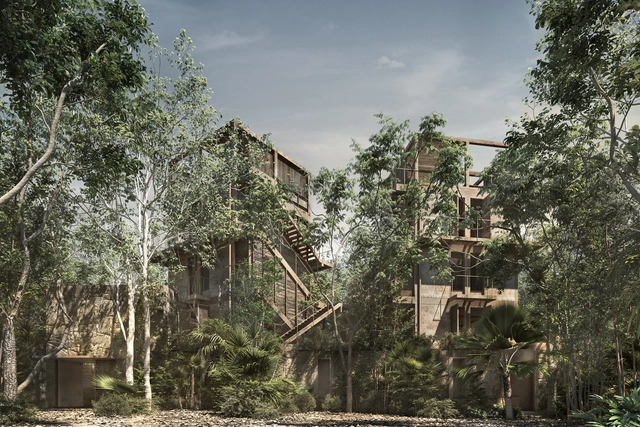
Tulum is a region located in southeastern Mexico, within the state of Quintana Roo, specifically on the coast of the Caribbean Sea, and is part of the Riviera Maya. Historically, Tulum was a walled city; its name, which means "wall" in Mayan, arose when the settlement was already in ruins.
A few weeks ago, Grupo Firme performed in Mexico’s Zócalo. According to the city government, this band broke an attendance record with over 280,000 people. According to my own data—without proof but also without a doubt—another record was set: the highest volume of racist and classist comments directed at the attendees of an event.
The rainfall that hit São Paulo's North Coast during this year's Carnival was the heaviest ever recorded in Brazil within a 24-hour period. The result is an environmental tragedy that triggered a series of floods and landslides—leaving thousands homeless and confirming 48 deaths.
Federal, state, and local authorities are working together to restore services and access to the region. As some roads reopen, officials are urging tourists to leave the North Coast as quickly as possible. Over the Carnival holiday, São Sebastião hosts more than 500,000 people—a figure five times larger than the city's local population of approximately 91,600. This influx of visitors further strains emergency services and supplies.
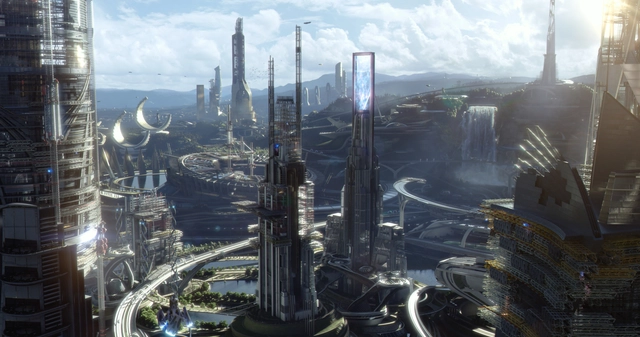
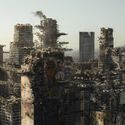
Futuristic city in Tomorrowland. Source: Wallpaper Abyss
Through set design, cinema reveals a vast array of cities, becoming a compelling medium for discussing their transformations. This art form allows directors to push the boundaries of their imaginative universes through constructed sets, visual and special effects, and the overall composition of the frame. In many films, directors present futuristic cities inhabited by their characters, environments that often appear entirely unprecedented to us. It is through the spectator's effort to understand and appropriate these scenographic spaces that the city truly reveals itself on screen.
To showcase the outstanding work coming out of Latin American and Spanish universities, at the beginning of this year we launched an open call inviting architecture students to submit their final graduation projects completed in 2022. After thoroughly evaluating the 157 submissions received, our editorial team shortlisted 30 projects and ultimately selected 10 that demonstrate deep critical thinking in addressing their proposed challenges.
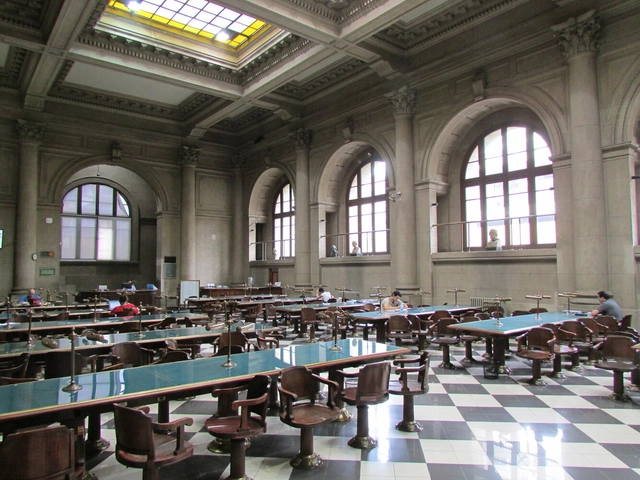
This article by Nicolás Santiago Diaz Bejarano was originally published in the 16th issue of revista rita under the title "Architecture for Objects: Toward a Post-Human Architecture: Density and Compression in the National Library of Chile." The following text offers a reflection on the relationship between a closed building under tension—a national library—and an open component that defines it: its storage stacks.
https://www.archdaily.com/1136431/architecture-for-objects-density-and-compression-in-the-national-library-of-chileNicolás Santiago Diaz Bejarano
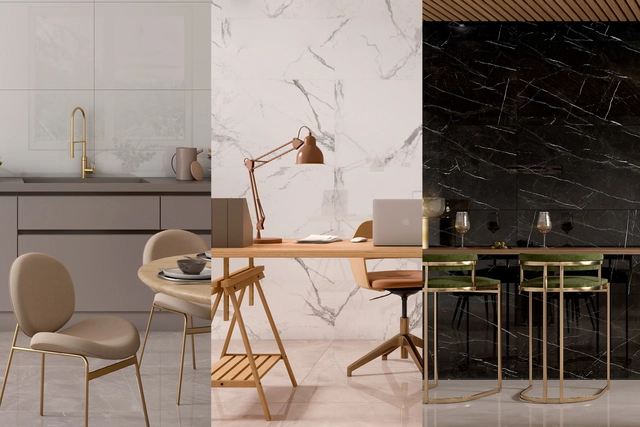
Spatial perception is the cognitive ability to process visual information related to the position, movement, size, and shape of objects in space. According to Auguste Perret in his work "Contribution to a Theory of Architecture," architecture can influence this perception by delimiting, closing, and enclosing space. When this cognitive capacity interacts with architecture, our brain interprets and processes visual information to determine whether a space feels visually expansive or confined. In interior spaces, certain elements can decisively influence our perception of space, such as color, furniture dimensions, and the materials that comprise it. The latter are particularly important, as their use under specific conditions can alter our spatial perception and the way we experience space, depending on their texture and format.
https://www.archdaily.com/1136427/moodboards-with-large-format-coverings-to-inspire-interior-designEnrique Tovar
Ganadora Categoría Estudiantil Josefa Leal Quintana. Image Cortesía de Arquitectura Escrita 2022
On Monday, February 6, the results of the National Reflection and Research Competition: Written Architecture 2022, organized in Chile by Grupo Arquitectura Caliente, were announced.
https://www.archdaily.com/1136420/discover-the-winning-reflections-and-research-from-the-arquitectura-escrita-2022-competitionArchDaily Team
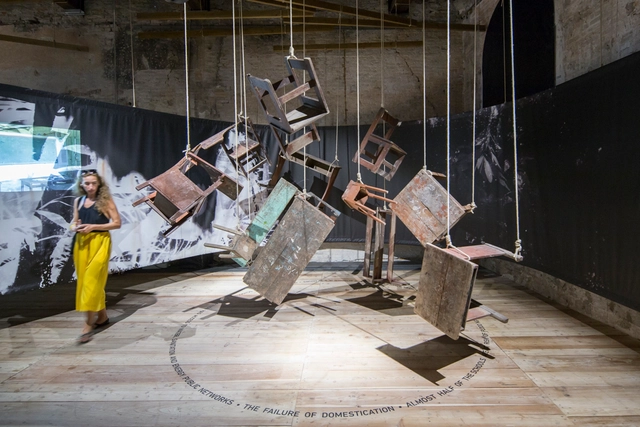
Since 2016, the Patronato Cultural del Perú has been responsible for producing and organizing the Peruvian Pavilion at the Venice Architecture Biennale, promoting and representing the works and projects that reflect the country's architectural landscape.
What design strategies or new technologies can be integrated into architectural design without compromising the environment? In recent years, renewable energy has been gaining significant momentum worldwide, and photovoltaic solar energy is one of many showing exponential growth.
In recent years, sustainability has been at the forefront of debates across all disciplines due to the ongoing environmental crisis. One concept that design, architecture, and urbanism have embraced is the "Circular Economy," as experience has shown the profession that efforts must go beyond simply incorporating recycling into our strategies. Instead, it is necessary to focus on sharing, leasing, reusing, repairing, refurbishing, and recycling existing materials and products for as long as possible to prevent waste.
“The golden rule of our times is to adapt; one shouldn't fight against reality,” said Mathias Goeritz. More than sixty years later, TIEMPO CERO arrives at the Museo Experimental El Eco to prompt a reflection on the Anthropocene and tangential resistance. Based on Gabriela Carrillo’s curatorial proposal, the pavilion's open call targeted urgent futures in the face of time and the environmental crisis, alongside a playful dimension to reflect on “how we spend time” or “how time passes.”
https://www.archdaily.com/1136442/environmental-observatory-reflections-on-the-winning-proposal-for-the-eco-pavilion-2023Juan José Kochen
Perhaps the aphorism that holds the greatest truth in both architecture and other areas of life is the following: “those who know the past can control their future.” This is reflected in architecture schools, where texts and works of traditional Mexican architecture are still taught, though 20th and 21st-century architecture is featured in a much greater proportion. Yet, an analysis of current architectural production suggests that recent graduates and professionals are unfamiliar with their own history. This is problematic as our identity, expressed through the architecture of our cities, is fading. At least, this is the view of the founders of the new multidisciplinary association “INTBAU México.”
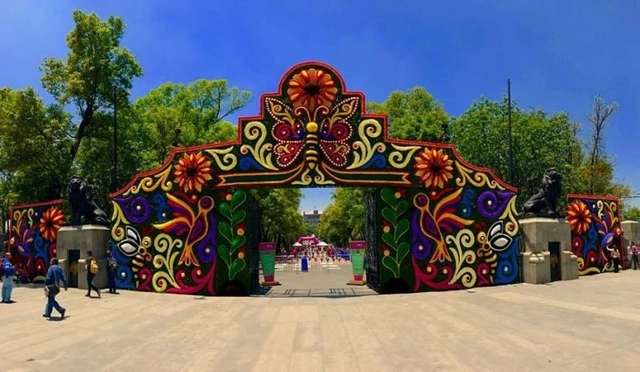
“Bienvenidas las flores y los polinizadores” | Puerta de Leones del Bosque de Chapultepec | Primer Festival Flores y Jardines | 10 abril al 1 mayo 2017. Image Cortesía de coolhuntermx
If there is one defining characteristic of Mexican flora, it is its beauty and unique, vivid, and emblematic colors. Mexican culture and its indigenous peoples are known worldwide for their mastery and the outstanding talent of artists and artisanal communities.
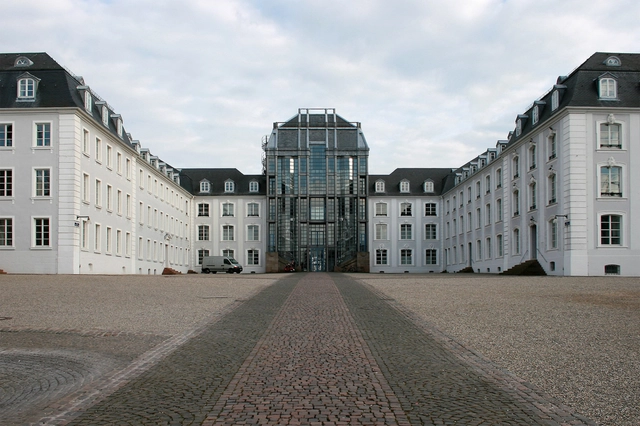
Saarbrücker Schloss – Place of the Invisible Monument. From Wikimedia Commons, the free media repository
The counter-monument 2146 Stones – Monument Against Racism / The Invisible Monument is an intervention carried out in 1993 on the square in Saarbrücken by Jochen Gerz and students from his class at the Hochschule der Künste Saar, in Saarbrücken, Germany. Executed in accordance with Gerz's constant practice of vigilance [1], the work is the result of a period of unrest in German artistic production that questioned the representational art of a post-war generation, as well as the search of those who lived through the events of World War II and the rise and fall of the Berlin Wall, amidst a national effort to evade the memories of the Holocaust.
https://www.archdaily.com/1136424/negative-past-the-construction-process-of-the-monument-against-racismFabiana Costa