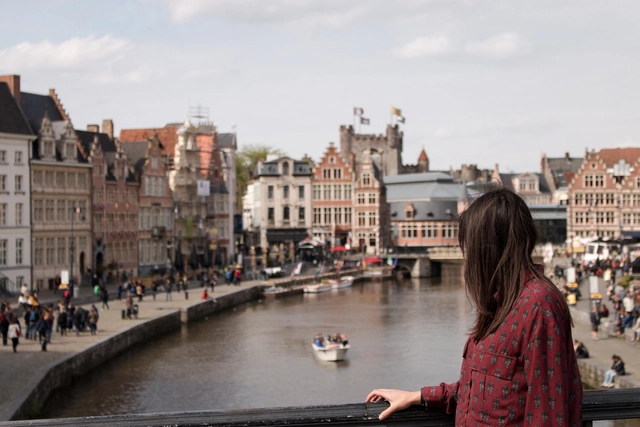
Today, 470 cities across 36 countries identify as educating cities and are networked through the International Association of Educating Cities (IAEC), which, in its founding charter, argues that cities possess a raw educational potential waiting to be unlocked. Beyond the IAEC, other municipalities have also taken on the challenge of connecting spaces, people, and actions around learning processes that prioritize the holistic development of their inhabitants.
Around one in the morning in Cairo, despite the darkness of the night, everything feels yellow. Arriving in a city of 9 million people, with an airport that handles 3 million daily, is overwhelming, staggering—or, as Lovecraft might describe those lurking in the dark, indescribable and unnameable. In the gloom of a hotel room that saw its glory days long ago, I can see the Great Pyramid of Giza in the distance, shrouded behind the ever-present haze.
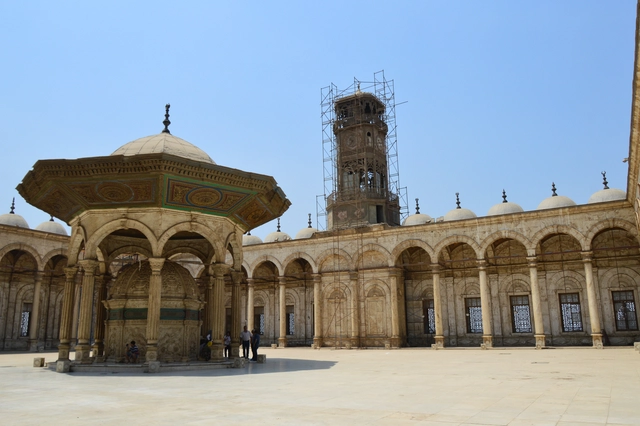
The relentless city devours almost everything in its path; the desert resists, tourism does its part, and, for now, the Sphinx simply watches. Restoration and archaeological work are always underway around the historic sites; you brush the dust off your feet only to uncover ancient remains. Saqqara—the Step Pyramid—is perpetually draped in massive scaffolding of dry wood, weathered from years of waiting for the next discovery that might finally let each prop rest. The heat in Cairo is stifling, and while collective memory associates the city with the pyramids and the Sphinx, its daily life breathes desert, diversity, tourism, commerce, and religion.
At more than 3,800 meters above sea level and on the shores of Lake Titicaca, the city of Puno stands as the folklore capital of Peru, where architecture, archaeology, and dance intersect. It is not only home to the Candelaria festival—declared an Intangible Cultural Heritage of Humanity by UNESCO in 2014—but also sits just a few kilometers from the vast archaeological legacy of the Pucará and Tiwanaku cultures. Additionally, visitors can travel to the floating islands of Uros, Amantaní, and Taquile on the world's highest navigable lake.
Before going any further, if you are not accustomed to this altitude, we recommend drinking coca tea regularly or chewing coca leaves, which can be purchased at any local store. Furthermore, the weather can be highly unpredictable; a single day can bring sun, rain, and hail, so keep this in mind when choosing what to wear. Lastly, in Peru, streets that are at least ten blocks long, narrow, and usually one-way are called jirones (abbreviated as Jr.).
The LIMPAR SANTANA project involves constructing a sustainable basic sanitation system to clean up the waterways of Quilombo de Santana, in the state of Rio de Janeiro, aiming to improve the quality of drinking water in local homes.
Based on an assessment of the area's topography, geotechnics, and geography, the proposal suggests using evapotranspiration basins—a system that treats effluent through natural filtration and evaporation via banana leaves—and biodigester tank systems that convert wastewater into a usable byproduct for agriculture.
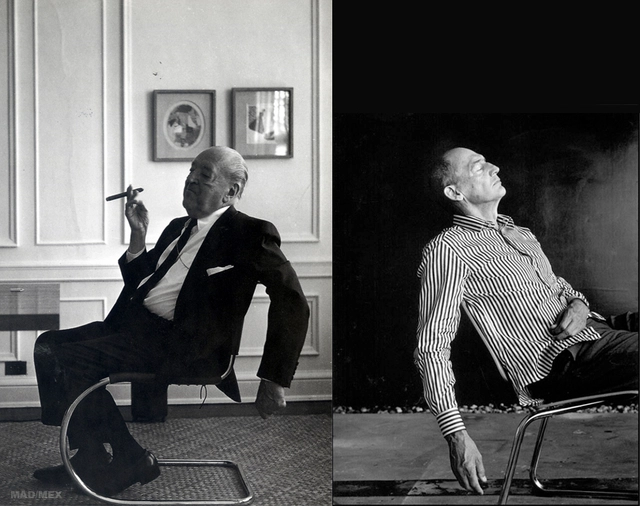
Fotografía de Mies van der Rohe por Werner Blaser & fotografía de Rem Koolhaas por Maartje Geels. Image Cortesía de Jorge Cárdenas
What happens when we juxtapose two works by two renowned architects, Mies van der Rohe and Rem Koolhaas, completed twenty-five years apart? We find the answer in the following article by the Arkrit Collective.
https://www.archdaily.com/1114508/comparing-mies-van-der-rohe-and-rem-koolhaasJorge Cárdenas del Moral
“A thesis is like a pig; everything in it can be put to use,” concluded Umberto Eco in his book How to Write a Thesis. Indeed, these research projects, developed through four or five years of intense effort and sacrifice, become extraordinary tools and inexhaustible sources of information for both students and professionals looking to delve into a specific topic within their field of knowledge.
In Spain, the 2008 economic crisis triggered a notable increase in the number of architects who chose to pursue a doctoral thesis as a way to continue their academic training and expand their career options. Coupled with the rigorous training that Spanish architects typically receive, this has led to a vast body of exceptionally high-quality research, serving as an invaluable reference resource for both students and practitioners.
This article compiles 10 doctoral theses focused on major Spanish architects whose careers spanned the 20th century and who, for various reasons, left an indelible mark on the history of Spanish architecture during this period.
https://www.archdaily.com/1114503/10-doctoral-theses-on-great-architects-of-20th-century-spanish-architectureJavier García Librero
After receiving more than 70 submissions from various Argentine universities and cities, our editorial team selected 10 of them, focusing on projects that demonstrated critical thinking regarding contemporary issues, formal execution, and representation. The selection not only highlights projects that delivered the best possible architecture through simple design tailored to their context, program, and users, but also those showing significant attention to human scale, mediation, transition, and new ways of approaching urban architecture.
Discover our 10 highlighted projects below.
THE NEIGHBORHOOD AS A CULTURAL CENTER: Alejandro Asens - Victoria Carbonin - Juan Cardozo Sánchez - Italo Parietti
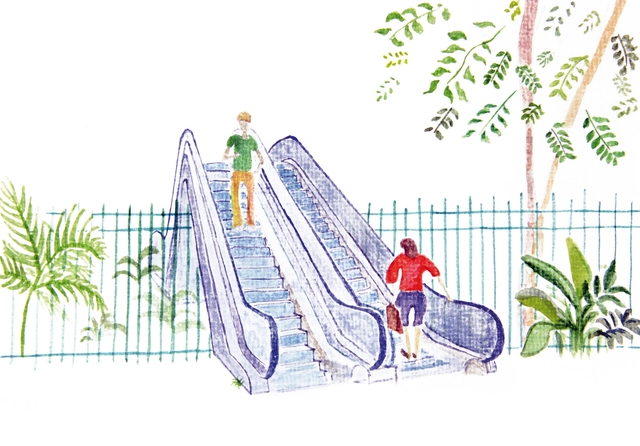
Alô, alô, W/Brasil… Alô, alô, W/Brasil… / Jacarezinho! Avião! Jacarezinho! Avião! / Cuidado com o disco voador / Tira essa escada daí / Essa escada é pra ficar aqui fora / Eu vou chamar o síndico / Tim Maia! Tim Maia! Tim Maia! Tim Maia!
Upon entering one of these modern gated communities, designed with the latest urban planning engineering, one experiences a calming sense of having finally found order and security. We quickly realize that this is a way of life in which precariousness, risk, and uncertainty have seemingly been abolished. The space is homogeneous, governed by specific stylistic rules. Inside, locations are well-distributed, and positions are comfortably occupied. Security forces feel genuinely present, albeit private. The streets are well-paved and signposted, despite a slight excess of signs dictating directions and rules of use. The houses display their inevitable front lawns, without fences. Everything else is functional, managed, and clean. The image of this island of serenity captures the illusions of the average Brazilian consumer dream: a region insulated from the rest of the world, where one can freely cultivate a sense of community among equals. It offers a return to nature, a worry-free life, abundant in leisure and the company of peers—a shared destiny manifesting in countless variations: vertical, horizontal, residential, commercial, private, and even public.
Every Sunday morning, 120 kilometers of Bogotá are transformed into an extensive cycling circuit. This is La Ciclovía, a cultural and recreational initiative in which some of the Colombian capital's streets are designated as wide bike paths, allowing both residents and tourists to travel across Bogotá by bicycle.
In a radio interview broadcast by RCN, architect Jaime Ortiz recalls the origins of the ciclovía in the 1970s, when it emerged as a proposal developed alongside other architects to open up major avenues as cycling spaces every Sunday.
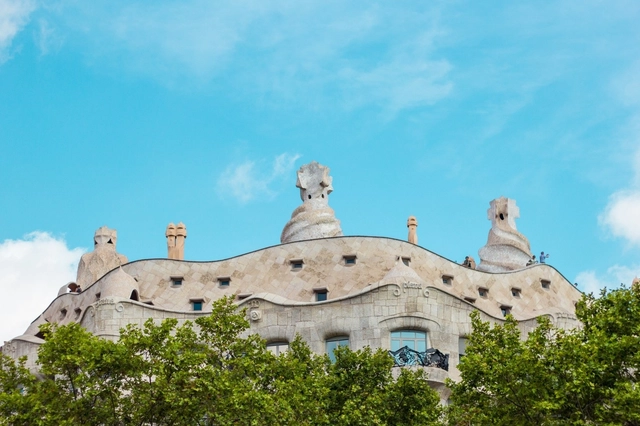
Barcelona is an ideal city, boasting a surprisingly rich cultural scene, vibrant neighborhoods full of life, miles of beaches, and an idyllic year-round climate. Yet, without a doubt, it is its architecture that stands as a must-see for visitors and residents alike. The Sagrada Família, Park Güell, and Casa Milà are some of the most famous architectural landmarks and, consequently, the most visited by the tourists arriving daily in this magnificent city.
While there is growing interest in exploring the architecture that lies beyond the city's major icons and symbols, many tourists still bypass—or are simply unaware of—brilliant contemporary works such as Jordi Badia's Can Framis Museum, or the recent restoration of Sala Beckett by architects Flores & Prats, which received a jury mention in the 2017 Spanish Architecture Awards.
Over the last twenty years, the world has never been so connected. At the turn of the century, the digital realm seems to have invaded analogue layers, redefining standards, lifestyles, interactions, and the way we connect and use spaces. This social redefinition is strongly attributed to Generation Z—the cohort born during the transition from the 20th to the 21st century, between the 1990s and 2010s. But do you know the defining characteristics of this group?
As the end of the year approaches, we would like to thank you all once again for making 2018 our best year yet. Thanks to your continuous support and our close connection with our readers, we now reach far more architects around the world, inspiring them to create better urban environments.
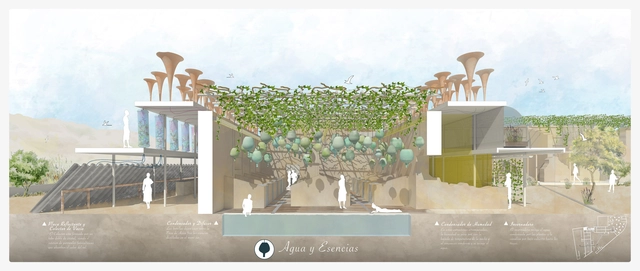
The Ruin Experience project, developed by architect Sergio Navarro García, proposes an intervention in the ruined buildings scattered across the countryside of Lorca, Murcia (Spain), where the local population gradually abandoned these robust houses to move to the city. The project offers an alternative approach to intervention, engaging directly with the environment and leveraging its resources to create sensory complexes where people interact with nature through architecture.
El Mesillo, the site selected for the intervention, is a unique, hidden enclave in the municipality of Lorca, defined by a direct and deep-seated relationship between its inhabitants and nature through agriculture. Historically, this bond was even closer, giving rise to the creation and use of entirely natural creams and treatments. Water, soil, air, sun, essential oils, homemade lotions and concoctions, fruits, vegetables, and, of course, a proper siesta, served as home remedies for minor ailments and daily stress.
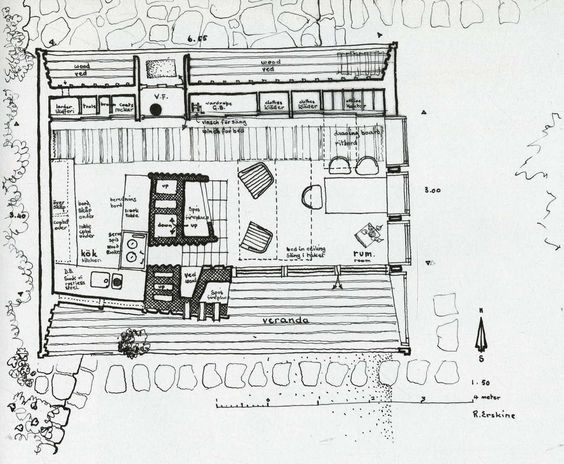
Floor Plan, 'The Box' House, Ladan, Sweden. 1941-1942 Ralph Erskine . Image
Writing for the ARKRIT Collective, architect Carmen Espegel presents an article that exemplifies how the home can serve as a simple refuge for the essence of life—defined by the survivor's austerity, voluntary renunciation, and a rejection of the bourgeois lifestyle.
https://www.archdaily.com/1114548/the-house-as-renunciationCarmen Espegel Alonso
Originally published as Collaborative Design of Public Space: The Triple Dimension, this new collaboration by Paisaje Transversal proposes a specific methodology for both evaluating the quality of public space and facilitating urban design "if we want to transform public space into a living fabric," the authors explain.
Public space is the fluid that unifies the city, the fabric that stitches buildings together and weaves social, economic, and environmental relationships. It shapes issues as crucial as mobility, coexistence, and a community's cultural exchange, as well as the environmental quality that directly impacts everyone's health.
Public space shapes our daily lives, either offering or depriving us of spaces for socialization. Consequently, it is a priority, both for the sustainability of the city and the lives of its inhabitants—a matter that demands the involvement of not only urban design professionals but also the general public. To achieve this, citizens must understand the factors that determine the livability and functionality of public space, just as they recognize the characteristics of decent housing.
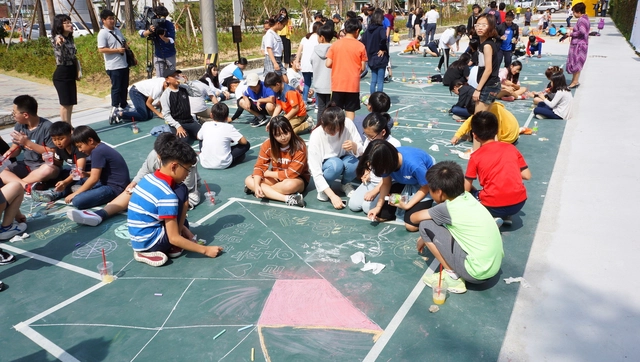
How many children do we see daily playing in the streets, interacting with elements of urban spaces, running in parks or plazas, or riding their bikes? These scenes can say a lot about a city—not only about how it is caring for its younger generations, but also about the quality of life it offers families; which is to say, for everyone.
https://www.archdaily.com/1114550/how-to-build-cities-for-children-in-14-stepsWRI Brasil
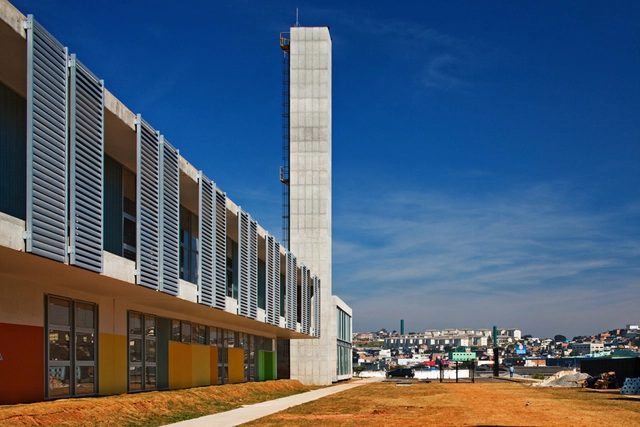
In their classic setup, with a classroom consisting of a blackboard, a standing teacher, and seated students, the interior spaces of a school can easily be mistaken for prisons. Now consider the outdoor, public areas of most educational institutions in Brazil: how often can a place be recognized as a school simply by looking at it from afar?
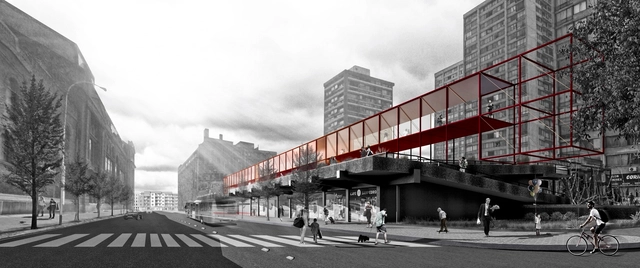
The team led by Oscar Luengo and Álvaro Parraguez won first place in the Pasarelas San Borja competition in Chile. The main objective of the competition was to recognize "the best urban design ideas that contribute to defining intervention criteria and generating proposals for the San Borja Neighborhood."
Titled Corredores San Borja, the winning proposal "proposes the walkways as connecting spatial corridors between towers, plazas, and peripheral activities, allowing for fluidity and articulation between the complex's disconnected interior and exterior spaces."
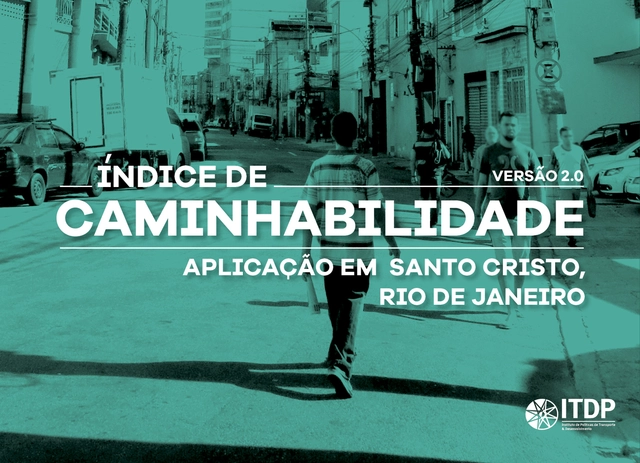
Walking is the most common form of transportation in the world and a basic human right. It connects us directly with our surroundings, does not pollute the city, and offers numerous health benefits, such as reducing chronic diseases, obesity, and diabetes. This is the message that the ITDP and Streetfilms convey in the film The Right to Walk, released this year.
If walking is so beneficial, why is it so difficult to do in urban environments? Rapid urban growth and car-centric planning have increasingly restricted space and respect for pedestrians. Every year, 1.3 million people are killed in traffic, half of whom are pedestrians, cyclists, or motorcyclists. Furthermore, traffic accidents result in 20 to 50 million hospitalizations annually, making them the leading cause of physical disability worldwide. More than 90% of traffic fatalities occur in low- and middle-income countries like Brazil, which has the highest number of traffic deaths per capita in South America.
https://www.archdaily.com/1114557/walkable-cities-how-to-enhance-the-urban-attributes-that-affect-pedestrians-at-the-neighborhood-scaleITDP Brasil
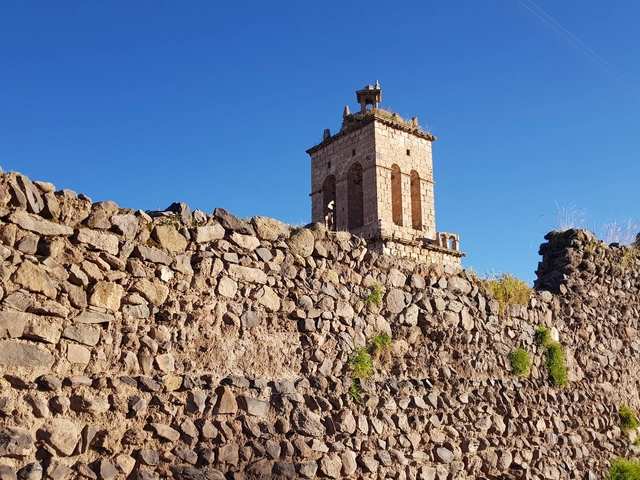
Popularly known as the Ciudad de las Cajas Reales (City of the Royal Coffers), Chucuito is a small Peruvian town located 20 kilometers from Puno at an altitude of over 3,800 meters above sea level. Boasting a privileged location on the shores of Lake Titicaca, it was once part of the ancient pre-Columbian Tiwanaku culture and served as the seat of government for the Lupaca kingdom. During the Spanish colonial era, it became a strategic tax collection center, and today it preserves a valuable architectural legacy throughout its streets.
Following our guide to Puno's must-see landmarks—on the occasion of the recent XV TSL Puno—we recommend seven sites in this town nestled in the Peruvian highlands. Due to the high altitude (and particularly at the San Bartolomé viewpoint), visitors are advised to tour these landmarks with a companion, walk at a measured pace, and chew coca leaves to prevent altitude sickness.
As you know, ArchDaily has joined forces with Spotify, the world's largest music streaming platform. From the very beginning, we have been sharing our own playlists for those key moments in the lives of all architects. At the same time, we have invited architects from Latin America and Spain to share the music that inspires them, or better yet, the sounds that have shaped their careers.
In this installment of ArchDaily en Español + Spotify, we share our most popular playlist: Música para Maquetear (Music for Model Making). If you have to spend your day among cardboard and renders, this ten-hour playlist will keep you company during those long late-night sessions.
Videos
Licensed under CC0 Public Domain. Image via Pxhere
From the Fundación Arquia Blog, architect Zaida Muxí brings us an article that provides basic clarifications on gender-perspective urbanism for beginners, exploring how to build cities from and for women, but not in an exclusive or exclusionary way.
To shape humanity in its truly comprehensive capacity within the dimension of gender, women's movements and feminist philosophical analysis have ethically exposed the alienation that over-identifies women with men and their symbols, while disidentifying men from women and their symbols.
It is time to say goodbye to 2018. Following our showcase of the best architecture of the year, we have gathered the Chilean projects that generated the most engagement on our social media platforms. Indeed, in the architectural field, understanding where design is heading requires looking at its key works and observing how the public has responded to them.
Most people today live in cities, which are growing rapidly. We are living in the age of urbanization, an era that began in the early 19th century when vast masses of people decided to be closer to one another rather than close to the land. There is no doubt that sooner or later the vast majority of us, humans, will be living in cities.
https://www.archdaily.com/1114474/it-is-still-not-true-that-eight-out-of-ten-people-live-in-urban-areasWRI Brasil
.jpg?1522507595&format=webp&width=640&height=580)