1. ArchDaily
  2. Articles

Articles

What is urban acupuncture?

Subscriber Access | 

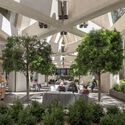
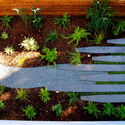
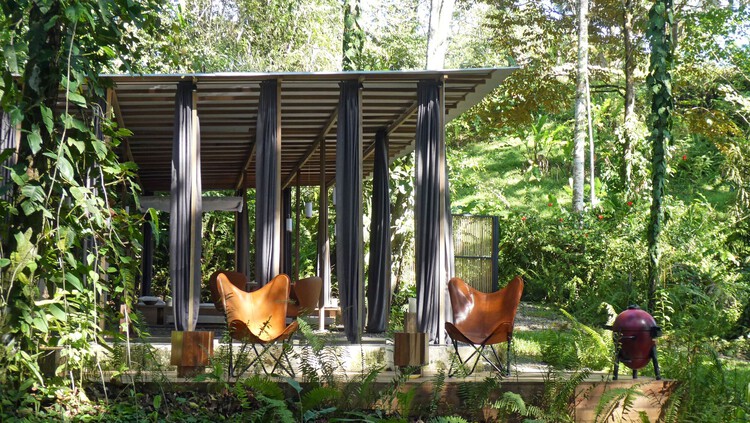
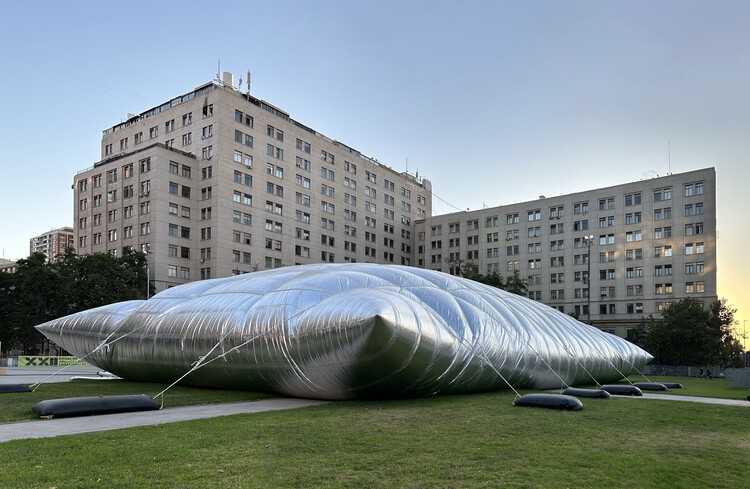
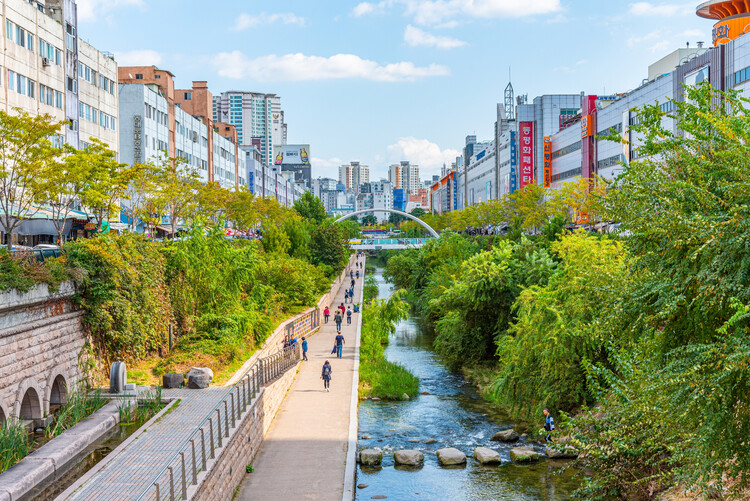
Not necessarily small-scale, but rather targeted and strategic, urban acupuncture interventions are quick to execute, reversible, and often low-cost. The practice has established itself as a viable alternative to urban transformations that require lengthy, bureaucratic processes—both in decision-making and execution—which often exclude residents from the various stages of project development.

What is urban acupuncture? - Imagen 1 de 4What is urban acupuncture? - Imagen 2 de 4What is urban acupuncture? - Imagen 3 de 4What is urban acupuncture? - Imagen 5 de 4What is urban acupuncture? - More Images+ 1

Favela do Moinho: process of abandonment and economic interests in downtown São Paulo

Subscriber Access | 

The urban structure of São Paulo was shaped by its topography. With its predominantly rugged terrain, railways were laid along the flat floodplains and river terraces, where they could be developed along routes better suited to their physical limitations. 

The train—a machine slicing through cities and overcoming natural landscape obstacles at speeds of sixty kilometers per hour—was the invention that collapsed geographic distances. This connection-making tool, born of the Industrial Revolution, enabled a productive chain across its various stops by transporting manufactured goods and tons of moving machinery.
Favela do Moinho: process of abandonment and economic interests in downtown São Paulo - Imagen 1 de 4Favela do Moinho: process of abandonment and economic interests in downtown São Paulo - Imagen 2 de 4Favela do Moinho: process of abandonment and economic interests in downtown São Paulo - Imagen 10 de 4Favela do Moinho: process of abandonment and economic interests in downtown São Paulo - Imagen 11 de 4Favela do Moinho: process of abandonment and economic interests in downtown São Paulo - More Images+ 7

Six Women Architects from the Middle East and Asia to Know

Subscriber Access | 

There are and have always been inspiring women architects, urban planners, and policymakers. However, worldwide, the built environment professions—and their upper echelons in particular—remain heavily male-dominated, more so than other fields like education or healthcare.

Today, 64% of architecture graduates in Brazil are women. In engineering, there has been a 42% increase in women registered with CREA since 2016. Yet, how is this reflected in Brazilian society? Globally, progress is even slower: only 40% of architects are women, with very few in leadership roles.
Six Women Architects from the Middle East and Asia to Know - Image 1 of 4Six Women Architects from the Middle East and Asia to Know - Image 2 of 4Six Women Architects from the Middle East and Asia to Know - Image 3 of 4Six Women Architects from the Middle East and Asia to Know - Image 4 of 4Six Women Architects from the Middle East and Asia to Know - More Images+ 2

Brazil's cycling network presents a scenario of inequality and inefficiency

Subscriber Access | 

The study titled Prioritize Active Transportation by Bicycle!, published by the Center for Metropolitan Studies (CEM)—a research center at the Faculty of Philosophy, Languages and Literature, and Human Sciences (FFLCH) of the University of São Paulo—presents an analytical planning tool for São Paulo's cycling network, comparing the current scenario with future planning through the lens of inequality.

Journalist Flávio Soares, a master's student at USP's Polytechnic School (Poli), a member of the CEM research team, and one of the paper's authors, explains the key factors analyzed for the construction of bike lanes and cycle tracks in cities.

Understand why Rio de Janeiro needs safer streets

Subscriber Access | 

On the 6th, Rio de Janeiro Mayor Eduardo Paes requested CET-Rio, the municipal traffic management agency in the capital, to adjust the speed limits along the waterfront roads. This measure is of paramount importance given that, according to City Hall, more than 600 people lost their lives in traffic crashes in Rio last year, with over 60% resulting from pedestrians being struck by vehicles.
Street Support Points Program: Promoting Care and Hygiene for the Homeless Population

Subscriber Access | 

In an effort to bolster public care and personal hygiene services for the unhoused population, the Ministry of Human Rights and Citizenship (MDHC) has established the Street Support Points Program (PAR). The initiative aims to provide public spaces and facilities managed in partnership with civil society organizations.

The promotion of (in)equality through urban planning

Subscriber Access | 

Urban planning is a vital tool for reducing inequality and promoting equity in cities. In Brazil, prioritizing these goals is even more urgent given not only the country's deep social disparities as a whole, but also the stark divide in access to opportunities, infrastructure, and urban services—which ultimately defines true access to the city itself.

Yet, while many believe that urban inequality stems from a lack of planning—as if it were merely a product of chance—the reality is that, historically and to this day, urban planning has often exacerbated inequalities rather than mitigating them.

The promotion of (in)equality through urban planning - Imagem 1 de 4The promotion of (in)equality through urban planning - Imagem 2 de 4The promotion of (in)equality through urban planning - Imagem 3 de 4The promotion of (in)equality through urban planning - Imagem 4 de 4The promotion of (in)equality through urban planning - More Images+ 3

Eight historic examples of collective housing in São Paulo

Subscriber Access | 

Eight historic examples of collective housing in São Paulo - Imagen 1 de 4Eight historic examples of collective housing in São Paulo - Imagen 2 de 4Eight historic examples of collective housing in São Paulo - Imagen 3 de 4Eight historic examples of collective housing in São Paulo - Imagen 4 de 4Eight historic examples of collective housing in São Paulo - More Images+ 4

The history of collective housing has been the focus of the research group PC3 - Pensamento Crítico e Cidade Contemporânea (Critical Thinking and the Contemporary City), at FAUUSP, coordinated by professors Leandro Medrano and Luiz Recamán. Through the Cadernos de Habitação Coletiva (Collective Housing Notebooks) — developed under a cooperation agreement between researchers from FAUUSP and ETSAM-UPM in Madrid — the group explores the most significant examples of this housing typology in Brazil.

According to the group's platform, "the main objective of the Cadernos de Habitação Coletiva has been to build a comprehensive database, organized by decade, that includes the most relevant Brazilian collective housing buildings, both designed and built." Below, we highlight eight collective housing experiments built in São Paulo between the 1930s and 1960s, studied in detail by CHC and featured in individual articles here on ArchDaily.

Urban agriculture can feed 20 million people in São Paulo

Subscriber Access | 

Urban agriculture can feed 20 million people in São Paulo - 1 的图像 4Urban agriculture can feed 20 million people in São Paulo - 2 的图像 4Urban agriculture can feed 20 million people in São Paulo - 3 的图像 4Urban agriculture can feed 20 million people in São Paulo - 4 的图像 4Urban agriculture can feed 20 million people in São Paulo - More Images+ 3

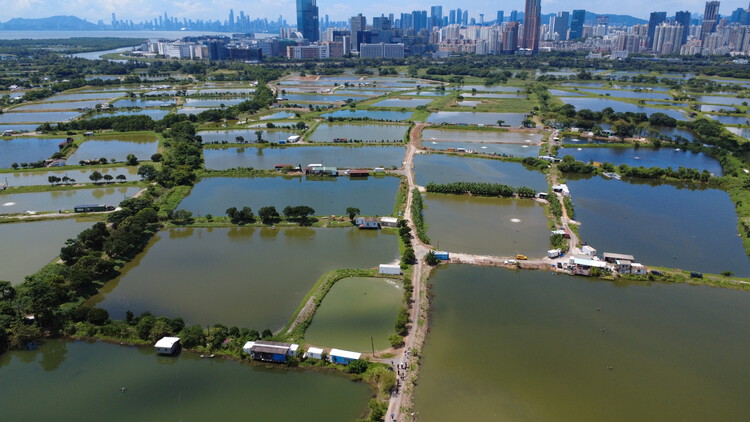
The Metropolitan Region of São Paulo (RMSP) has nearly 22 million inhabitants, representing about 10% of Brazil's total population. To feed this massive population, tons of food supplies arrive in the metropolis daily from different parts of the country. However, a new study by Instituto Escolhas shows that, with certain measures, it is possible to supply this entire population with locally grown vegetables.

The 26th National Congress of Architects of Chile concludes in Concepción with reflections by Fernando Pérez Oyarzún

On December 2, the 26th National Congress of Architects concluded at the Bíobio Theatre with a moving ceremony that featured the presentation of the 2023 CA Awards, a keynote lecture by National Architecture Prize winner Fernando Pérez Oyarzún, and the submission of the congress's final resolutions, which will serve as a mandate for change for the National Board of the Chilean Association of Architects.

Year in Review: The 10 Most Liked Architecture Photos of 2023

Subscriber Access | 

As the end of the year approaches, it brings the opportunity to reflect on the standout architectural moments of 2023. With this in mind, we looked at the most liked photos on ArchDaily Brasil's Instagram.

NGO brings dry toilets to the Brazilian Northeast

Subscriber Access | 

According to the 2018 National Sanitation Information System, 25.8% of the population in Northeast Brazil lacks access to water and 72% has no connection to the sewage network. “Now tell me, how am I supposed to have a bathroom at home under these conditions?” This was the question that robbed Vera of her sleep and peace of mind.

Vera lives in the small community of Riacho das Almas (PE), and her story is similar to those of thousands of families living in the rural areas of the semi-arid Northeast. Where access to water is scarce and basic sanitation is practically nonexistent, the use of traditional bathrooms—equipped with faucets, showers, and flushing toilets—is uncommon in the region. Consequently, families like Vera's and many others rely on improvised outdoor spaces for their needs: the "aveloz bathroom."

Contemporary Chilean Architecture on the Rise: A Journey, Twelve Projects

Subscriber Access | 

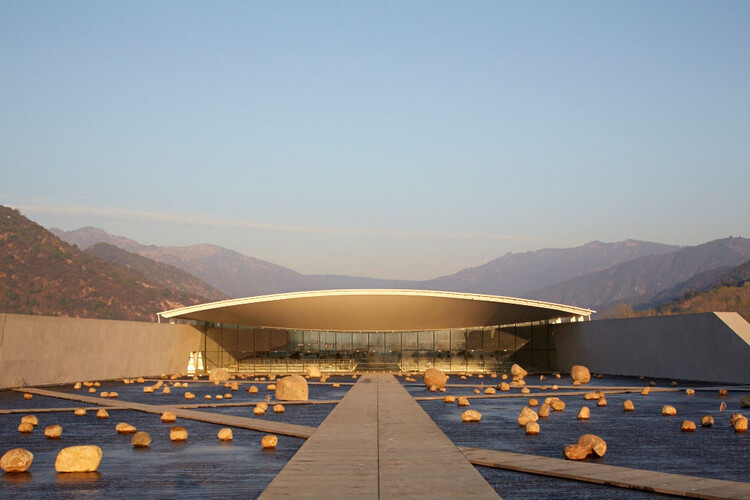
In May 2016, the 15th Venice Architecture Biennale opened—perhaps the most important and iconic event in international architecture since its inception in the 1980s. This opening, however, brought something new: for the first time, the event was curated by a Latin American, Alejandro Aravena. This milestone was not an isolated event in the recent career of the architect, who served on the Pritzker Prize jury from 2010 to 2015 before being awarded the prize himself in 2016. Crucially, this prominence is not an absolute exception; rather, it can be understood as the vanguard of a broader appreciation and visibility that contemporary Chilean architecture began to receive in the late 1990s.

Contemporary Chilean Architecture on the Rise: A Journey, Twelve Projects - Imagen 1 de 4Contemporary Chilean Architecture on the Rise: A Journey, Twelve Projects - Imagen 2 de 4Contemporary Chilean Architecture on the Rise: A Journey, Twelve Projects - Imagen 3 de 4Contemporary Chilean Architecture on the Rise: A Journey, Twelve Projects - Imagen 4 de 4Contemporary Chilean Architecture on the Rise: A Journey, Twelve Projects - More Images+ 9

Absent Architecture: A Rural Perspective on Colombian Territory

Subscriber Access | 

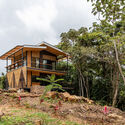
Taller Síntesis, based in Medellín, Colombia, shared this article with us. It emphasizes the importance of recognizing the Colombian rural built environment—which accounts for most of the country's territory but not the majority of its architectural practice—with the aim of raising awareness of how architecture is developed and recognized in the country.

Absent Architecture: A Rural Perspective on Colombian Territory - Image 1 of 4Absent Architecture: A Rural Perspective on Colombian Territory - Image 2 of 4Absent Architecture: A Rural Perspective on Colombian Territory - Image 3 of 4Absent Architecture: A Rural Perspective on Colombian Territory - Image 4 of 4Absent Architecture: A Rural Perspective on Colombian Territory - More Images+ 9

What we know and what we don't know about the future of extreme heat in cities

Subscriber Access | 

2023 broke temperature records worldwide. People across different regions of the planet are already facing historic heatwaves, wildfires, and droughts with just 1.1°C of warming above pre-industrial levels. Under current policies, which put the world on track for a warming scenario of 2.5°C to 2.9°C by 2100, the stifling heat felt this year is just a small taste of the future ahead.

The best graduation projects of 2023

Subscriber Access | 

The academic world has much to contribute to the field of architecture and urbanism. Its research and proposals foster inspiring visions, new materials, and concepts, sparking essential debates on how we perceive, occupy, and design the built environment. Across their entire spectrum, final graduation projects offer students an opportunity to put forward a final proposal before earning their degree, addressing diverse themes and touching upon urgent issues. Consequently, we host an annual call for submissions open to all Portuguese-speaking countries to present a panorama of outstanding projects that help us reflect on the past year and look to the future.

Urban mobility through the eyes of children

Subscriber Access | 

The Instituto Corrida Amiga works to bring people closer and connect them to the spaces they inhabit, aiming to transform citizens' daily lives through the perspective of active mobility, access, and the right to the city.

Part of the institute's initiatives consists of educational practices designed for diverse audiences, featuring playful-educational activities that encourage active participation and collaboration. This allows participants to express their opinions and desires, fostering decision-making, critical thinking, and empathy.

What is permaculture and how does it apply to architecture?

Subscriber Access | 

What is permaculture and how does it apply to architecture? - SustainabilityWhat is permaculture and how does it apply to architecture? - SustainabilityWhat is permaculture and how does it apply to architecture? - SustainabilityWhat is permaculture and how does it apply to architecture? - SustainabilityWhat is permaculture and how does it apply to architecture? - More Images+ 4

Caring for the earth, caring for people, and caring for the future. These are the three ethical principles that have guided the practice of permaculture since the term was coined in the late 1970s by Australian ecologists David Holmgren and Bill Mollison. This was an era when the environmental movement gained significant traction, with the emergence of various organizations and movements united in an effort to curb the destruction of the planet's natural resources.

Its three core principles embody a commitment to caring for natural resources, pursuing a social life in harmony with nature, and creating systems to share these resources.