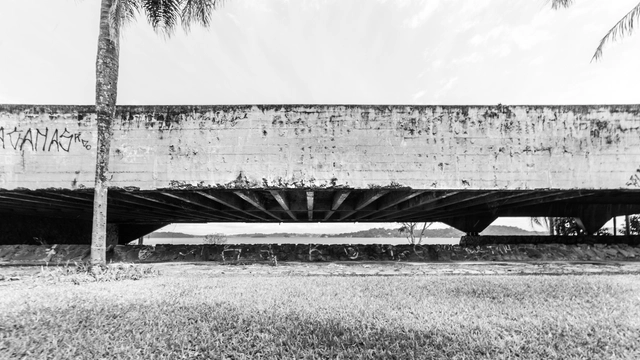
Architectural photographer Guilherme Pucci shared with us his photo essay of the boat garage that is part of the Santa Paula Yacht Club complex, designed by architect João Batista Vilanova Artigas in the early 1960s and closed in the mid-1980s. Currently, the building, one of the icons of São Paulo's modern architecture, located on the shores of the Guarapiranga Reservoir in the southern zone of the city of São Paulo, is in a state of disrepair and abandonment.
There exist frequent reports of toilet accidents, as they are often located in tight and slippery places. Although no one is immune to a slip after bathing, it is the elderly who suffer most from falls, and can often suffer serious injuries, sequelae, and functional limitations. Due to the natural reduction of reflexes and muscle mass, the higher the age group, the more prone to falls we become.
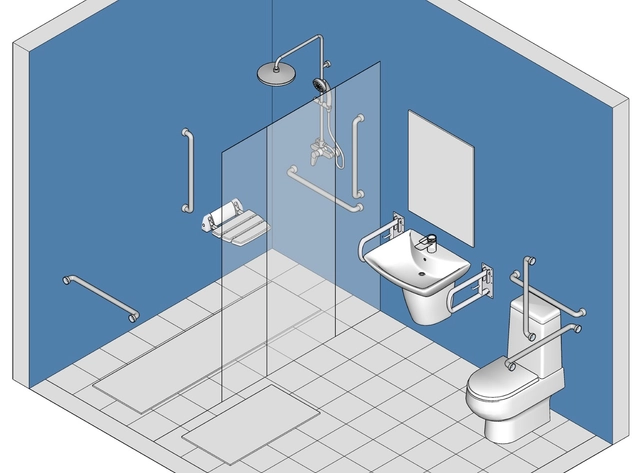
To provide more comfortable living conditions as users grow older, the environment must adapt to the new physical capabilities of its occupants. Making toilets safer is critical to reducing the risk of accidents and decreasing response time in the event of a fall. Here are some things to keep in mind when designing toilets for older people:
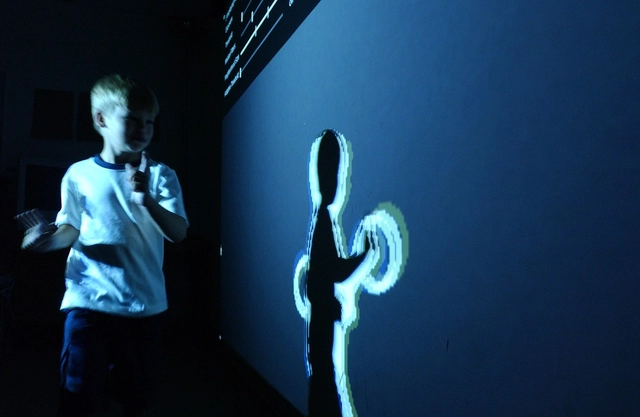
What happens when the sensor-imbued city acquires the ability to see – almost as if it had eyes? Ahead of the 2019 Shenzhen Biennale of Urbanism\Architecture (UABB), titled "Urban Interactions," ArchDaily is working with the curators of the "Eyes of the City" section at the Biennial to stimulate a discussion on how new technologies – and Artificial Intelligence in particular – might impact architecture and urban life. Hereyou can read the “Eyes of the City” curatorial statement by Carlo Ratti, the Politecnico di Torino and SCUT.
The human body, at least in terms of anthropomorphic ideals, was in the centre of western architectural debates from Greco-Roman times up to the Renaissance. Although the very concept of the body didn't come as explicit in traditional architecture writing in the east, the notion that the body (or, the envelope of the soul) connects the mind and the physical world was constantly revisited and reinterpreted.
https://www.archdaily.com/924279/thoughts-on-cities-and-the-human-body-eyes-and-ears-of-the-city-zhang-brian-li-for-the-shenzhen-biennale-uabb-2019ZHANG, (Brian) Li
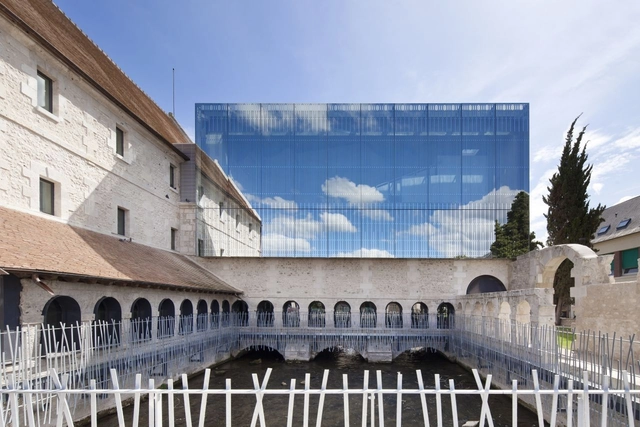
A common choice for commercial and corporate buildings, mirrored facades often evoke mixed feelings among architects, frequently leaning toward the negative. There is no shortage of arguments against them, and they generally hold merit—citing everything from the decline of modern architecture and the homogenization of its glass facades to climate concerns and a disregard for local context reflected in these surfaces.
There are three words that have long-awaited to be put together: The Siza Pavilion. Their story begins with top furniture brand CAMERICH and the Aedes Architecture Forum’s search for a visionary in architecture and product design. The 1992 Pritzker Prize Laureate, Álvaro Siza, was later selected and commissioned a pavilion for China’s International Furniture Fair (CIFF 2019).
Children playing on Paulista Avenue on a Sunday. Photo: Eduardo Augusto de Carvalho.
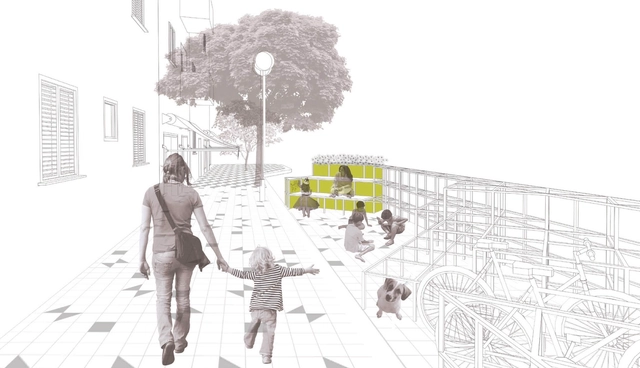
The theme of children's absence in the contemporary city, and the search for solutions that enable their mobility with greater autonomy and playfulness, guided a study of about 130 children, aged 7 to 12, from different social backgrounds, residing in the Consolação district of São Paulo. After walking, talking, and drawing with the children to map an ideal route between the local square and school, an intervention proposal [2] was developed, weaving together the Vila Buarque and Higienópolis neighborhoods, aimed at bringing children out to play in groups, outdoors, every day.
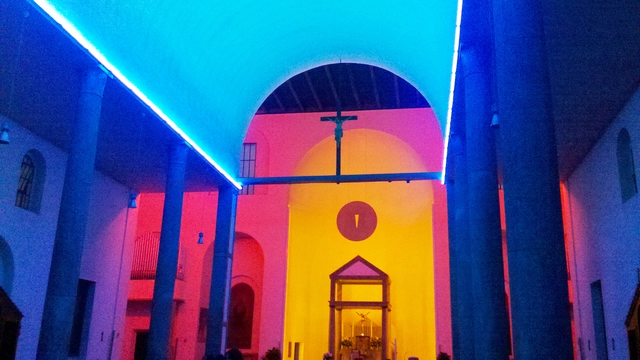
Santa Maria Annunciata in Chiesa Rossa. Photo by Andrea Pavanello/Creative Commons
Daniel Flavin was a key figure of the minimalist art movement of the 1960s and 1970s in the United States. The term was first coined by philosopher Richard Wollheim in his 1965 essay “Minimal Art” to categorize works that, like Duchamp's ready-mades, did not seek to represent an external reality; instead, the exhibited object was to be understood as a work in its own right, and the viewer's experience was not meant to rely on external associations.
Hello Wood, as you may already know, is an annual festival, which gathers hundreds of people in a Hungarian village for a week. Divided into groups, the architects and students carefully selected by the team of organizers, build installations made of wood with their bare hands. The outcome is amazing — dozens of beautiful structures rise up there each year adding more and more originality to the site.
The words cannot express the vibe you get at the Hello Wood Project Village — all the "beautiful people", as they call each other, are one big family. There is no competition, the teams help each other to make sure all projects are completed before the deadline, when they all march to the neighboring village and celebrate the week spent together.
But what is the idea behind this festival? What is the secret key to building a strong community of professionals and students in such a short period of time? Watch our interview with Hello Wood team to learn how they answer these questions.
Many people's way of working has changed, but most offices remain the same.
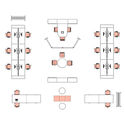
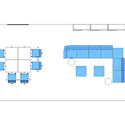
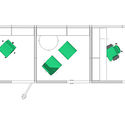
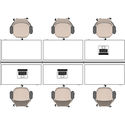
However, innovating doesn't necessarily mean breaking down every wall and creating a play space; the design of an office must take into account the needs and details of each type of work separately. For every function, there are better and worse ways to organize spaces, and some configurations work better for certain activities but not for others. The most important consideration is that the workplace allows interactions while providing spaces for concentration and focus.
The way we approach work has changed, and that is undeniable. Our profession no longer defines us as much as past generations, and new forms of work have been incorporated into everyday life. While technology has revolutionized our ability to perform a variety of daily tasks, many professions have disappeared, some will probably not last much longer and, while others were created.
As the trend of migration from rural to urban areas continues, it is estimated that by 2050, one billion people with disabilities will live in cities. Many of these urban centers, with cores dating back hundreds or even thousands of years, are currently ill-equipped to respond to this demand. There is, therefore, an immediate challenge for architects, urban planners, and city officials to address the inaccessibility of historic cities, from uneven cobblestones to narrow, stepped alleys, creating an urban realm that offers universal mobility without detracting from their historic charm.
https://www.archdaily.com/923725/how-ancient-cities-become-accessible-citiesNiall Patrick Walsh
Once subjugated by outlaw armed groups and devastated by the largest urban military operation in Colombia's history, the Las Independencias neighborhood, located in Medellín's Comuna 13, is today an open-air graffiti gallery of sorts, accessed via a system of electric escalators—the only ones in the world built in an informal settlement.
In its fourth consecutive edition in Chile, Casa FOA 2019—the international exhibition that brings together design, interior design, architecture, landscaping, and art—showcased established and emerging design talents who revitalized the forgotten Paseo San Damián in Las Condes.
The exhibition aims to introduce the public to the latest trends in the design industry under the concept of creating, transforming, and rethinking the way we live and work. This year's edition was guided by the concept of Coliving, the current expression of social and generational evolution, pointing toward collaborative living and the construction of collective intelligence through shared workspaces and common home areas.
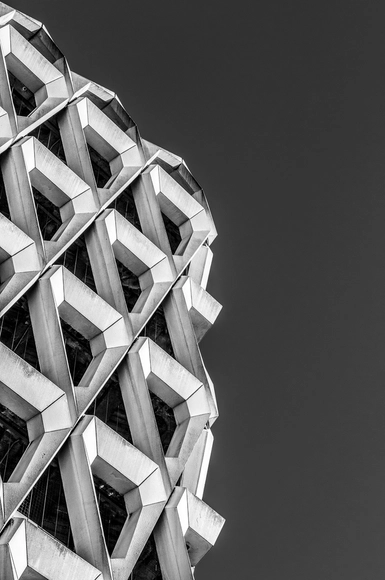
Rarely does one see brutalist architecture in the city of London. Primarily, these buildings were perceived as rebellious and grotesque, only to become the "go-to" style for commercial and governmental buildings after the Second World War. Nowadays, with the real estate market demands and dominance of contemporary architecture, these monumental grey structures are gradually fading away.
Santiago-based architect and photographer Grégoire Dorthe developed the passion of photography during his military service, when he realized that through his images, he is able to freeze moments and preserve what will be lost with time. In his photographic series titled "Brutal London", the Swiss photographer captures the raw forms and graphic qualities of the city's brutalist architecture, before these buildings meet their end.
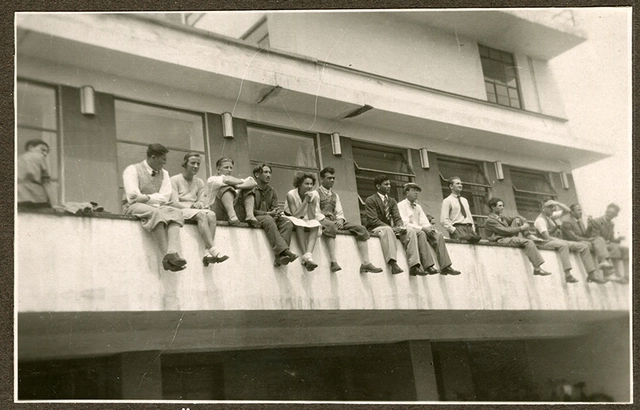
Students on the balustrade of the canteen terrace, around 1931 (photographer unknown). Image Courtesy of Stiftung Bauhaus Dessau
Women are imperative members of the design community, creating innovative and inspiring work in the fields of architecture, design, and urban planning. However, even with the rise of the women's movement, their contributions are still being questioned, compared, or taken for granted.
Metropolis Magazine looked back at the history of feminism in architecture, shedding the light on the times when the advocates witnessed unprecedented progress, and times when they lost their advantage.
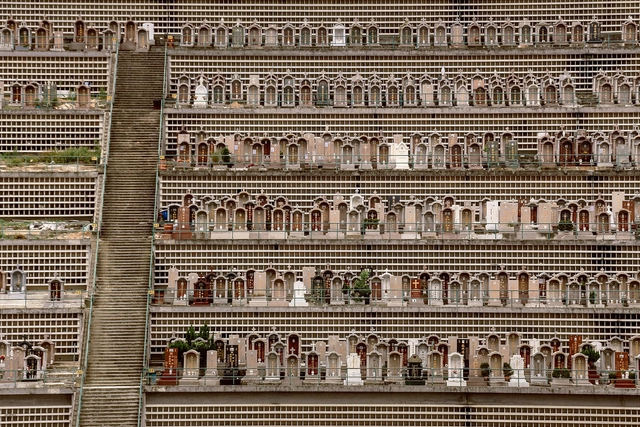
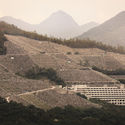
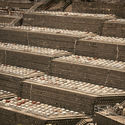
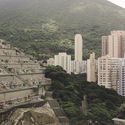
Hong Kong is considered to have one of the most exceptional skylines and urban schemes in the world: contemporary skyscrapers stand amidst the mountains and harbour, ancient houses nestled between futuristic structures, neon lights, landscapes... But among Hong Kong's numerous remarkable architectures, its spatial typology of death is like no other.
Over the course of five years, RIBA-nominated architectural photographerFinbarr Fallon captured the hyper-dense graveyards of Hong Kong, showcasing the sublime geometry of its mountainside burials in a series titled "Dead Space".
Being able to move around cities is a basic requirement for the development of most human activities. Yet daily trips between home and work, study, leisure, and other daily commitments are not always done under the most comfortable conditions, whether it be because of crowded public transportation or unexpected traffic jams. Urban mobility is a hotly debated topic, from informal conversation circles to technical and scientific seminars. It's hard to find someone who doesn't have an opinion on the subject or some miraculous solution to the problems in their city or region. In fact, we have already posted several articles addressing this issue on this site, from utopian proposals to questions related to the daily lives of most of the population.



.jpg?1567193500&format=webp&width=640&height=580)


.jpg?1567178154&format=webp&width=640&height=580)