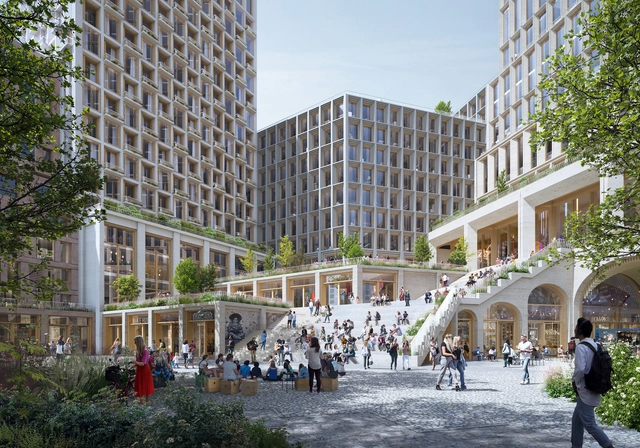
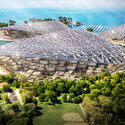
Henning Larsen has been selected as the winner of an international competition for the design of Kurfürstendamm 231, a new mixed-use urban development in western Berlin, Germany. Other finalists in the competition included Cobe, David Chipperfield, and Mäckler Architekten. The winning concept centers the neighborhood around an urban courtyard which acts as a large-scale meeting place for the local community. Nine buildings define the courtyard, including the existing Agrippina House, which is set to be rehabilitated through the project.
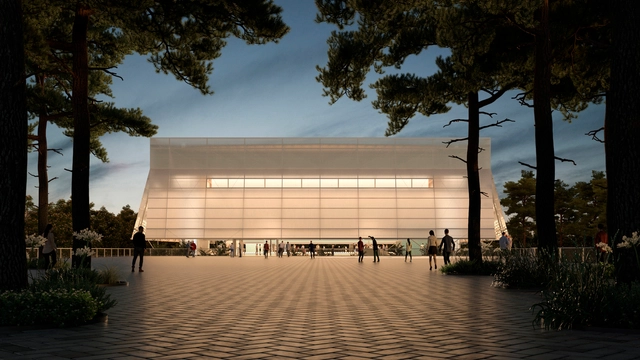
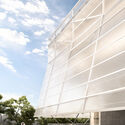
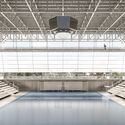
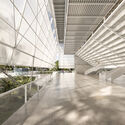
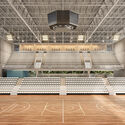
The firms Effect Arquitetura, from Brazil, and Ben-Avid, from Argentina, have partnered to design a multi-sport and events arena with a capacity of approximately 3,000 spectators. The building was designed to serve as the main venue for the 2021 Central American Games in Santa Tecla, El Salvador.
Located on a plot of land approximately 260 meters long by 60 meters wide, the building is bordered by a creek, a main avenue connecting it to the rest of the city, and a small local street. The topography features three stepped levels, sloping down toward the rear of the site along the avenue.
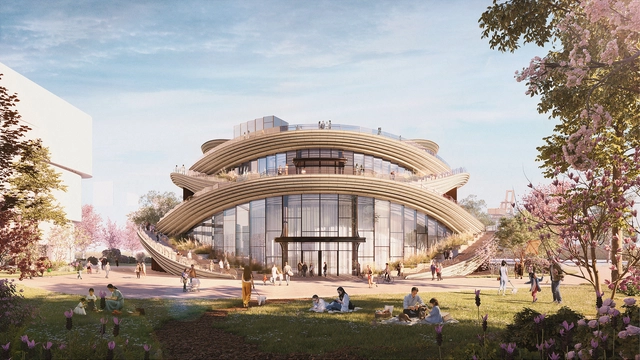
West Bund Orbit. Image Courtesy of Heatherwick Studio
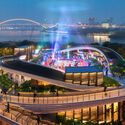
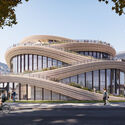
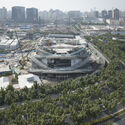
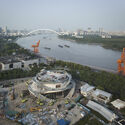
Heatherwick Studio has unveiled the design of an exhibition hall situated on Shanghai's emerging West Bund waterfront, in China. Known as the 'West Bund Orbit,' this building will be the focal point of the new Financial Hub in the Xuhui District. Set to become a prominent landmark along the Huangpu riverside, the project is a pivotal public space for passersby, welcoming visitors to its cultural design program.
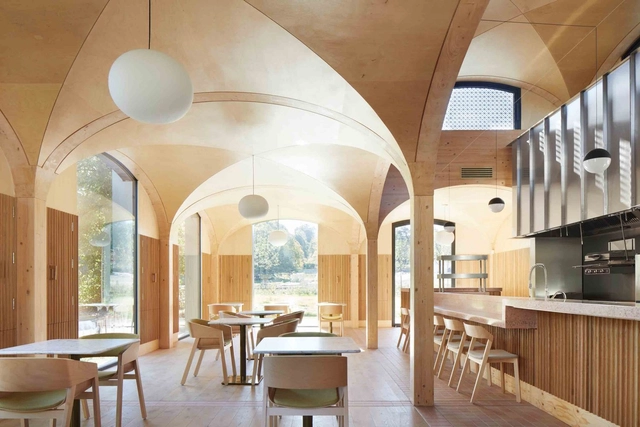
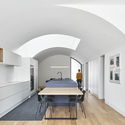
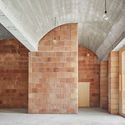
The simplest definition of a vaulted ceiling is a self-supporting arched structure to cover a space. This technique was used extensively during the Roman Empire and the Middle Ages but fell into disuse with the advance of other building solutions that became more practical. However, many contemporary projects still build these elements or highlight the original structures in renovations because of their powerful impact on the building design.
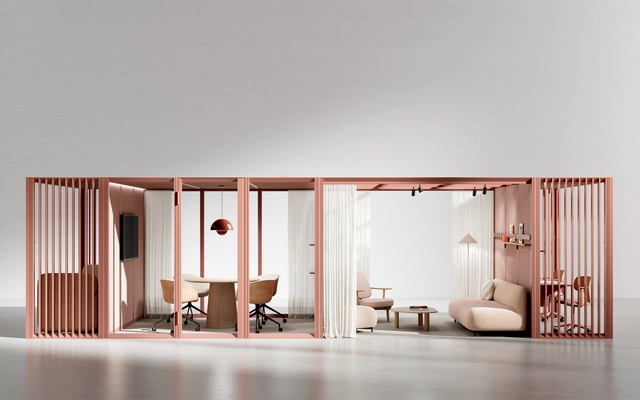
OmniRoom is a new room-in-room system developed by Mute. The product uses patented technological innovations and the benefits of modular architecture to offer a quick and easy solution for building comfortable and reshapable workspaces suitable for new, hybrid work environments. The product has already been recognized with the Mixology'23 Product of the Year award nomination.
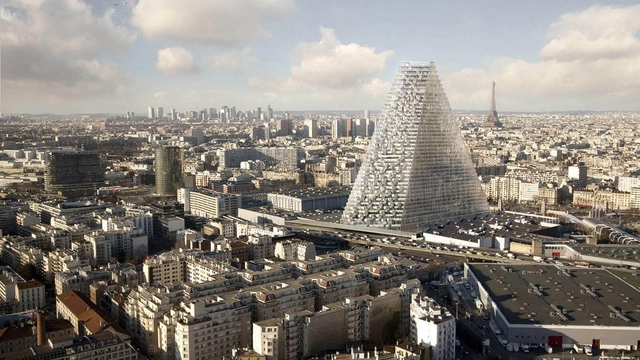
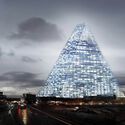
Tour Triangle . Image Courtesy of Herzog & de Meuron
The city of Paris has officially reinstated a rule that limits the height of new buildings in the French capital to 37 meters, or 12 storeys. Among the factors for the decision was the controversy surrounding the construction of the 180-meter-tall Tour Triangle, designed by Herzog & de Meuron, which began in 2021 after more than a decade of legal battles and backlash. The new urban planning regulation is introduced as part of Mayor Anne Hidalgo's Local Bioclimatic Urban Plan, which aims to reduce Paris' carbon emissions.
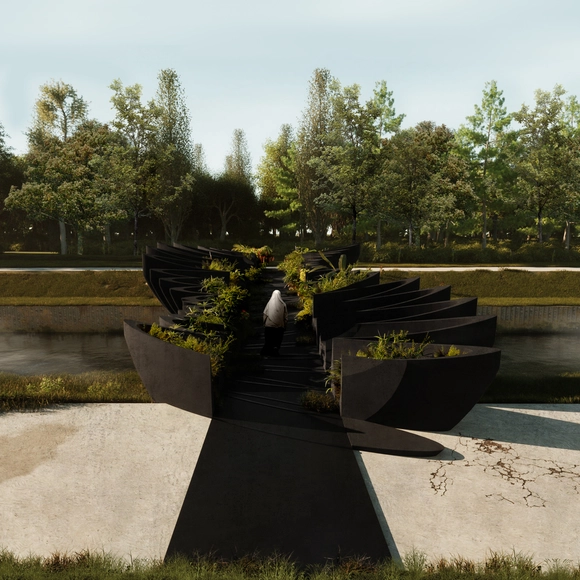
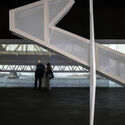
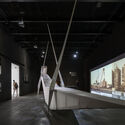
Sumayya Vally, renowned architect and Principal of the Johannesburg/London-based studio Counterspace, won the competition to design the new Asiat-Darse pedestrian bridge in Vilvoorde, Belgium. Counterspace's design concept delved into the history and impact of Paul Panda Farnana, a significant yet under-appreciated figure in the city, who studied the intricate connections between past and future generations of migrant individuals and communities. "The studio has been praised for its research-led approach, which led to the discovery of Farnana and his work, and for shedding light on an otherwise overlooked, vital part of the city’s history". Construction on the Asiat-Darse pedestrian bridge is set to commence in April 2024, with an estimated completion date of December 2025.
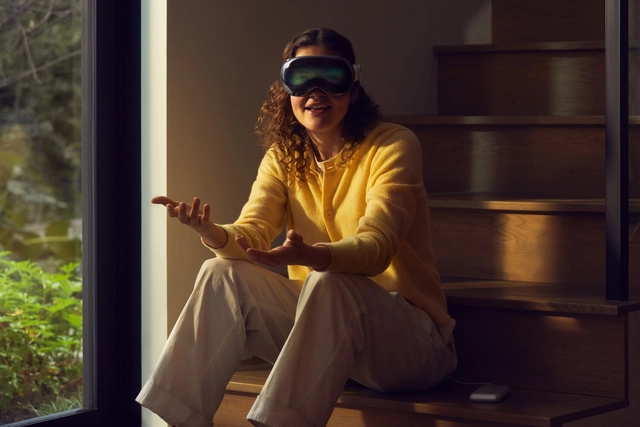
On June 5, Apple launched Apple Vision Pro, a new type of spatial computer that uses augmented reality goggles to allow users to experience a blend between the digital and physical worlds. The device promises to offer its users an infinite canvas for apps, larger and more immersive than traditional displays, while allowing them to stay present and connected to others. It features visionOS, the first spatial operating system to create this new way of interacting with digital content. Previous concepts like the metaverse have promised to transform the way we experience digital worlds, with architects taking the opportunity to delve into the design of restriction-free virtual spaces. Could this new device bring new ways of experiencing three-dimensional spaces, to better integrate architecture with digital environments?
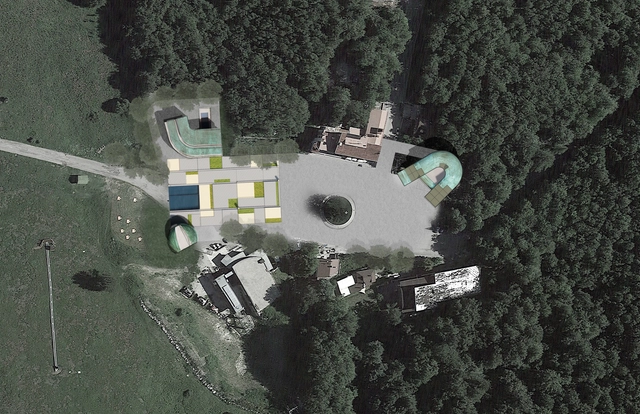
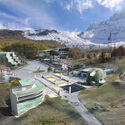
rati di Tivo Piazza at Gran Sasso . Image Courtesy of Steven Holl Architects
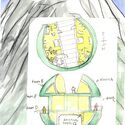
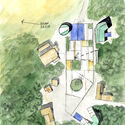
Steven Holl Architects has revealed a plan for the Gran Sasso area in Abruzzo, Italy, specifically in Prati di Tivo. The project aims to develop an area dedicated to tourists and mountaineers, complete with accommodation spaces, pools, spas, a restaurant, and a public plaza with views toward the mountain range. The designs and models of the project, along with the initial watercolor sketches, are presented at the Antonia Jannone Disegni di Architettura exhibition titled "Steven Holl: Half Earth," which will be available for viewing from May 26 to July 14.
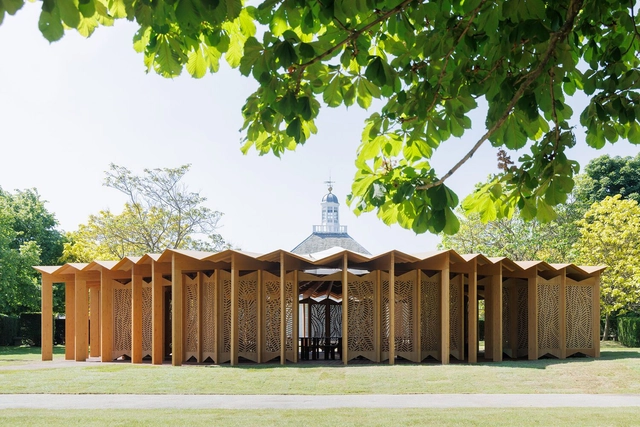
The Serpentine has announced the official opening of the 22nd Pavilion, designed by French-Lebanese architect Lina Ghotmeh, at Serpentine South on June 9th, 2023. The Pavilion is titled À table, a French invitation to sit down together at a table and engage in an open dialogue while sharing a meal. The interior space of the pavilion is defined by the large table that encircles the perimeter, offering an opportunity for conviviality and the sharing of ideas, concerns, joys, and traditions. The 300-square-meter structure, inspired by the architect’s Mediterranean heritage, is designed to be lightweight and fully demountable to ensure a minimal carbon footprint. The Serpentine Pavilion will be open and free of charge every day from June to October 2023.
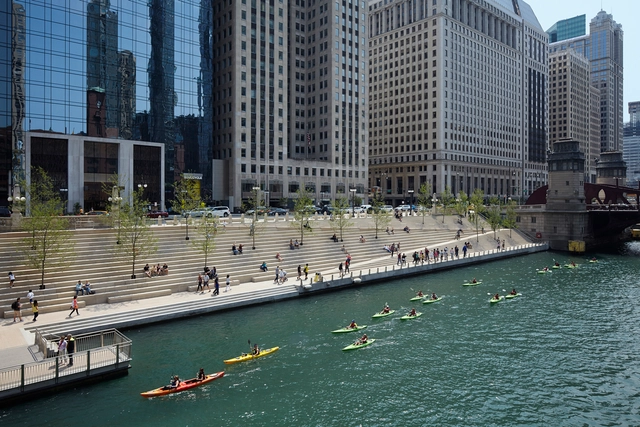
Photo by Kate Joyce, Ross Barney Architects Chicago Riverwalk. Image Courtesy of Chicago Architecture Biennial
The fifth edition of the Chicago Architecture Biennial just announced its list of participants. Under the artistic direction of Floating Museum, a collective of artists, designers, poets, and educators focused on building connections between art, community, architecture, infrastructure, and public institutions, CAB 5 will be presented at multiple sites throughout the city. "This is a Rehearsal" will focus on the community and process-related aspects of architecture, emphasizing how it helps to improve urban life and foster communal responsibility. The participants, chosen by Floating Museum, will look at global environmental, political, and economic challenges while addressing local circumstances. The goal of CAB 5's more than 100 activations, including installations and performances, is to get people to think about how society is impacted by physical infrastructure, societal history, aesthetic, and spatial design.
The Chicago Architecture Biennial is a nonprofit organization that aims to bring together people from around the world to explore innovative ideas and collectively imagine and shape the future of design. The exhibition will open on September 21, 2023, and will be on view until January 2, 2024, spanning various locations across the Chicago metropolitan area. Over 70 creative practitioners, including artists, architects, designers, and performers, will be featured in this citywide exhibition.
Research and design lab SPACE10 announces the winners from their first ever global design competition to reimagine home — using AI. With over 250 entries from around the world, a panel of 10 globally renowned architects, designers, AI artists, journalists, and creatives reviewed the submissions, and selected four winners.
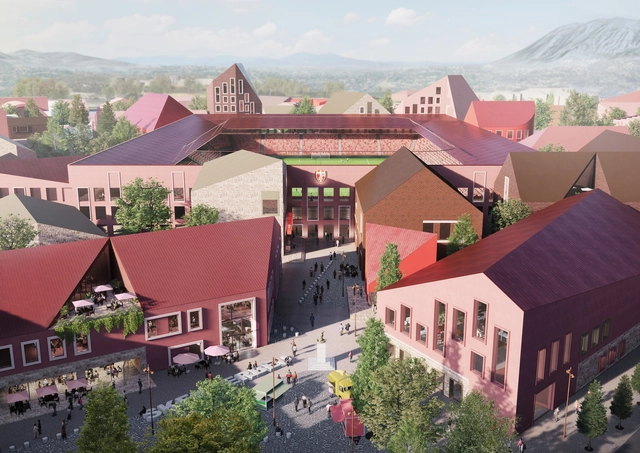
New Skenderbeu Stadium / CEBRA. Image Courtesy of CEBRA
Danish architecture office CEBRA has won an international competition for the design of the new Skenderbeu Stadium in Korça, Albania. The winning proposal sets the 10,000-seat stadium in a lively neighborhood to create an engaging environment for fans, active citizens, businesses, and visitors of the Albanian city. The masterplan proposes buildings and alleys inspired by the Korça typologies to create a familiar cultural experience both in and around the stadium.
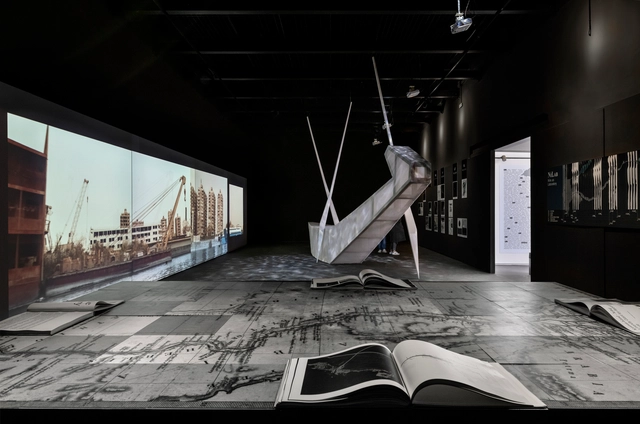
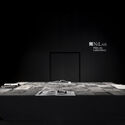
Installation at La Biennale di Venezia. Image Courtesy of NiLab
Along the longest river in the world, the Nile River, various landscapes and natural environments have been negatively impacted by interventions that do not consider the context or respect local cultures. In response, NiLab the Egyptian Pavilion at the 18th International Architecture Exhibition of La Biennale di Venezia, aims to revisit these places and highlight the value of architectural design in promoting more sustainable and culturally aware development along the river. The exhibition titled "NiLab: Nile as Laboratory", recognizes the Nile's exceptional geographical size, historical significance, and impact on natural and human landscapes, making it an ideal backdrop for reflection on contemporary issues.
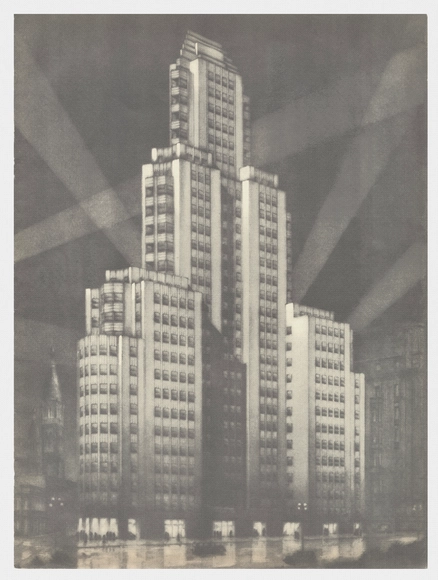
El croquis final en carbonilla del edificio Kavanagh, presentado a Cora Kavanagh en marzo de 1943. Foto: CdA. Image Cortesía de Díaz Ortiz Ediciones
Perhaps without even looking for it, Cora Kavanagh would leave one of the most emblematic buildings of rationalist architecture in Argentina. Inaugurated in January 1936, with its almost 120 meters of height, the Kavanagh Building stands in front of the ravine of Plaza San Martín, located in the central neighborhood of Retiro in the Autonomous City of Buenos Aires.
"Cora Kavanagh and her Building" is the title of Marcelo Nougués' new book that gathers the entire story, revealing everything from her building and her travels to her art collection and the different houses she lived in during a period of almost 50 years. In collaboration with Díaz Ortiz Ediciones, this 572-page printed volume compiles texts, photographs, and documents from the author's collection and also showcases selected images and illustrations from extensive research. Discover a part of this story below.
On June 1st, the ceremony for the VI European AHI Prize was held at the Sant Pau Hospital building in Barcelona. This recognition promoted by Architectural Heritage Intervention, in collaboration with the College of Architects of Catalonia and supported by the Department of Culture of the Generalitat de Cataluña, the City Council of Barcelona, and the Metropolitan Area of Barcelona, arises from the conviction that today, architectural heritage is not only an essential element of knowledge, but also a vital socio-economic resource for the sustainable development of territories.
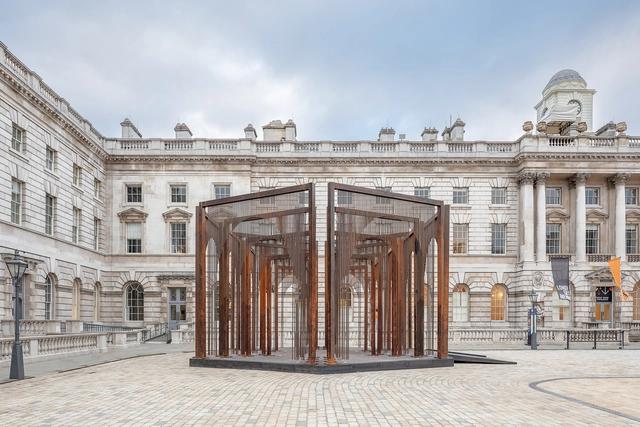
London Design Biennale has opened on June 1st, 2023, at Somerset House, bringing together participants from around the world to celebrate new forms of international cooperation through design. The Biennale, now in its fourth edition, will display more than 40 installations focused on the theme ‘The Global Game: Remapping Collaborations,’ chosen by this year’s Artistic Director, the Nieuwe Instituut, Instituut, led by Aric Chen. In addition to the national participants, the Eureka exhibition will showcase cross-disciplinary innovations from UK’s leading research centers.
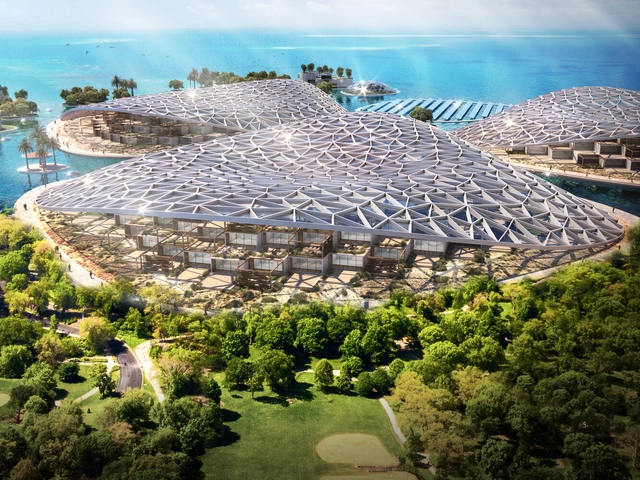
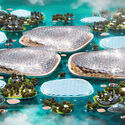
URB has revealed 'Dubai Reefs,' a floating living lab designed to restore marine ecosystems and promote ecotourism. The project's primary objective is to generate over 30,000 employment opportunities within a green economy in the city. Dubai Reefs encompasses a sustainable floating community dedicated to marine research, regeneration, and ecotourism, comprising residential, hospitality, retail, educational, and research facilities.