-
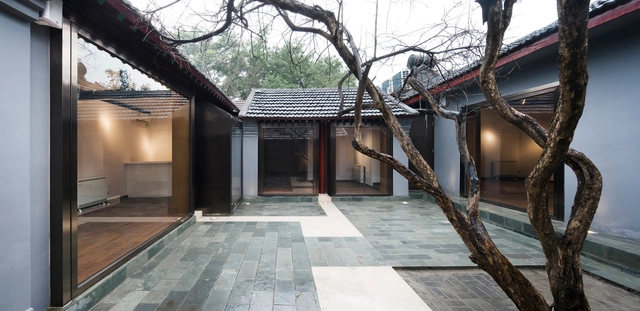
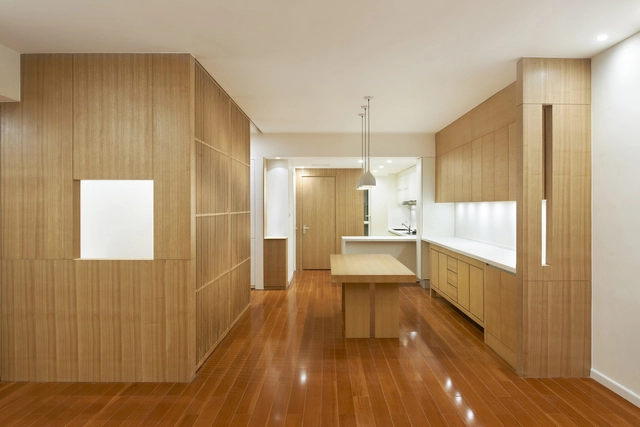
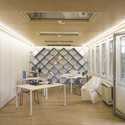
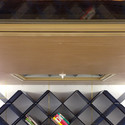
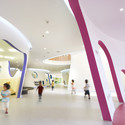
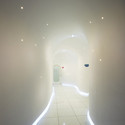
Architects: dEEP Architects
- Area: 600 m²
- Year: 2013


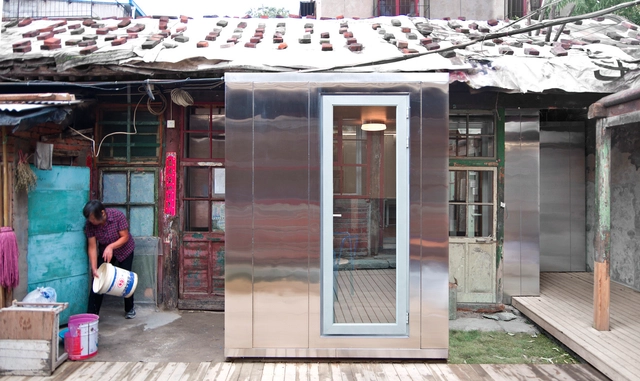


The architects of Emerging Objects have devised a scheme for a 3D printed house made from locally harvested salt and concrete. Known as the “3D Printed House 1.0,” the case study residence was commissioned by the Jin Hai Lake Resort Beijing. It integrates traditional construction methods with renewable 3D printed materials, manufactured by Emerging Objects, to build a house that is sustainable, structurally sound and beautiful.
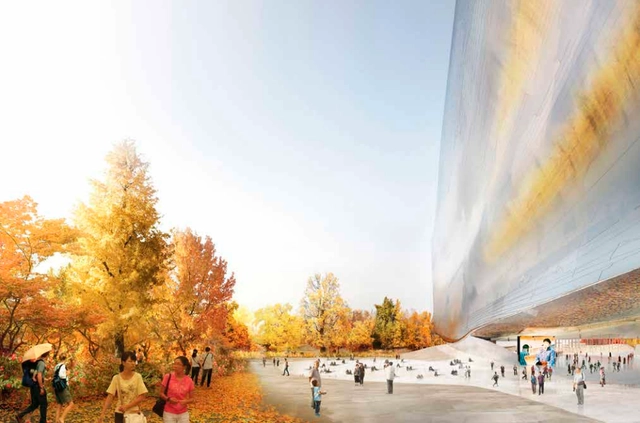
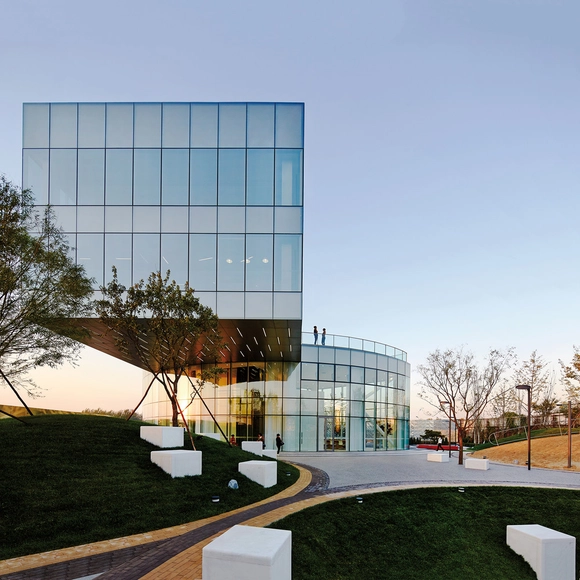
Jean Nouvel has unveiled the official design for the National Art Museum of China (NAMOC). Originally inspired by the simplicity of “a single brush stroke,” the 21st century art and calligraphy museum will become the centerpiece of a new cultural district at Olympic Park, rising next to the historic axis of Beijing and symbolically connecting to the Forbidden City.
New images of the NAMOC and more from Nouvel, after the break…
LaMIPA, a non-profit "architectural exchange platform" dedicated to exhibiting art and culture, will be part of the 2014 Beijing Design Week (BJDW) with a launch event on September 25th 2014 and following events on the 26th and 28th. Exhibiting seventy documentaries by Spanish and Portuguese architects, and organised in conjunction with the Spanish and Portuguese Embassies to China, the unique audiovisual LaMIPA collection will be part of the main section of the Beijing Design Week festival. Alongside the exhibition a series of lectures from a number of renowned practices including Souto de Moura and OAB Ferrater will also be taking place.


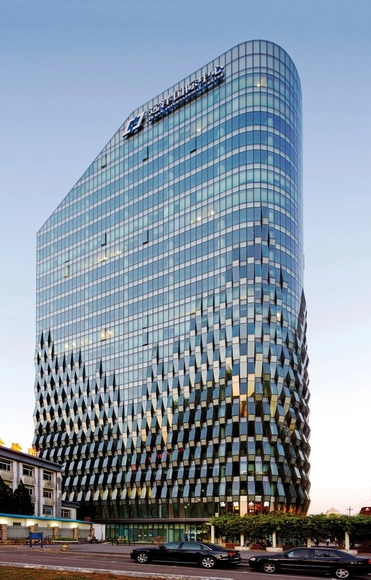
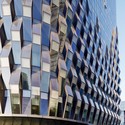
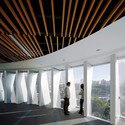
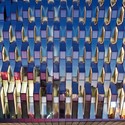
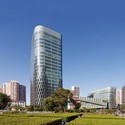
The Beijing city district of Wanjing has traditionally been a gateway for people entering the city. Its name literally translates as “Looking Towards Beijing.” J. J. Pan and Partners seek to renew that title with the design of Beijing Automotive Group’s new Research and Development Center. Taking inspiration from the character 北 (bei), which signifies openness, as well as Beijing itself, this mixed use building is meant to become a symbolic landmark both for Wanjing and for the company it houses.
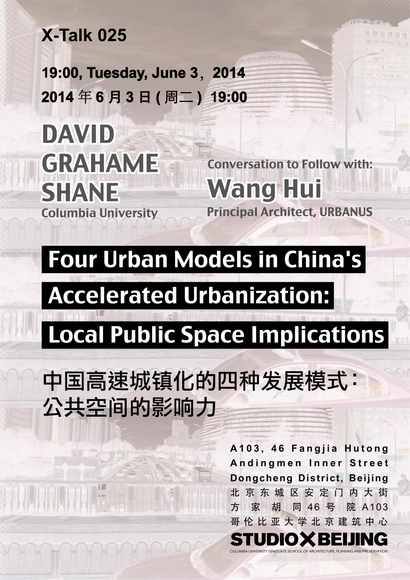
China's accelerated urbanization juxtaposes many local and global urban models in the contemporary urban space of the mega-city/metacity region. Since 1945 the global and local discourse on urban design and development has been dominated by four conceptual models. These four models, the metropolis, the megalopolis, the fragmented metropolis and the megacity/metacity have appeared in Asia with local characteristics and with special, hybrid characteristics. China's rapid urbanization has been based on an equally rapid industrialization that has telescoped the historical development pattern of western nations into 60 years.
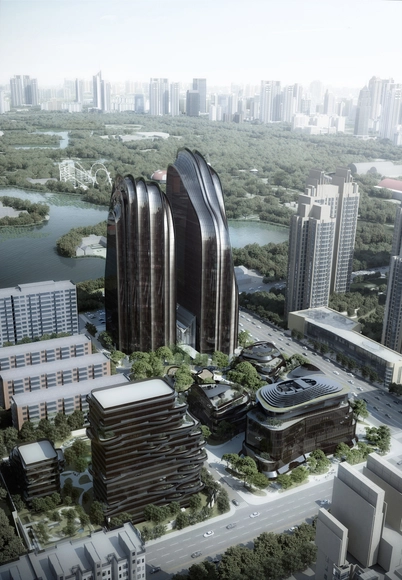
Construction has commenced on MAD’s Chaoyang Park Plaza within one of Beijing’s largest public parks and central business district. A continuation of Ma Yansong’s “Shan-Shui City” concept, which aims reintroduce nature into the urban realm, the mixed-use complex reinterprets natural formations illustrated in traditional Chinese paintings as contemporary “city landscapes.”
“Like the tall mountain cliffs and river landscapes of China, a pair of asymmetrical towers creates a dramatic skyline in front of the park,” described MAD. “Ridges and valleys define the shape of the exterior glass facade, as if the natural forces of erosion wore down the tower into a few thin lines.”








.jpg?1409119277&format=webp&width=640&height=580)
.jpg?1409122042 "© Zhi Xia")
.jpg?1409119324 "© Zhi Xia")
.jpg?1409119773 "© Zhi Xia")
.jpg?1409119434 "© Zhi Xia")
.jpg?1409119277)