

Produce personalized presentation boards that distill complex concepts into simple visual representations with a few helpful tools and effects.
Articles
How to Create Architectural Presentation Boards
| Sponsored Content
https://www.archdaily.comhttps://www.archdaily.com/catalog/us/products/37234/how-to-create-architectural-presentation-boards-lumion
Design for Health at the UIA World Congress of Architects 2023
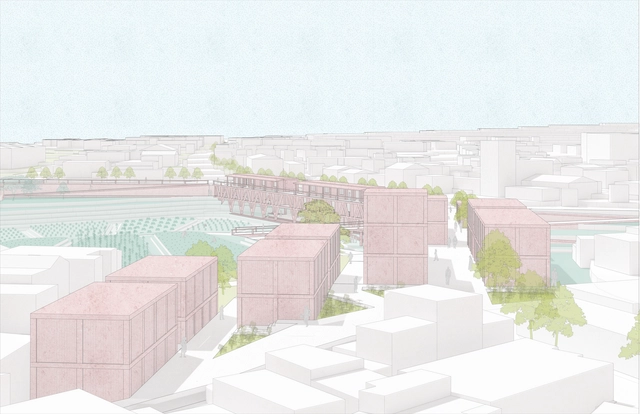
The UIA World Congress of Architects 2023 is an invitation for architects from around the world to meet in Copenhagen July 2 – 6 to explore and communicate how architecture influences all 17 UN Sustainable Development Goals (SDGs). For more than two years, the Science Track and its international Scientific Committee have been analyzing the various ways in which architecture responds to the SDGs. The work has resulted in the formulation of six science panels: design for Climate Adaptation, design for Rethinking Resources, design for Resilient Communities, design for Health, design for Inclusivity, and design for Partnerships for Change. An international call for papers was sent out in 2022 and 296 of more than 750 submissions from 77 countries have been invited to present at the UIA World Congress of Architects 2023 in Copenhagen. ArchDaily is collaborating with the UIA to share articles pertaining to the six themes to prepare for the opening of the Congress.
In this fourth feature, we met with co-chairs of design for Health architect Arif Hasan, former Visiting Professor NED University Karachi and member of UNs Advisory Group on Forced Evictions, and architect Christian Benimana, Senior Principal and Co-Executive Director at MASS Design Group



https://www.archdaily.com/1002652/design-for-health-at-the-uia-world-congress-of-architects-2023Pernille Maria Bärnheim
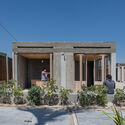
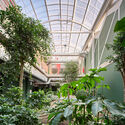
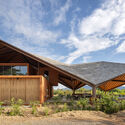
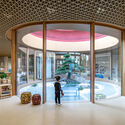
Biophilic Landscaping in Educational Spaces: Stimulating Learning, Well-Being and Creativity
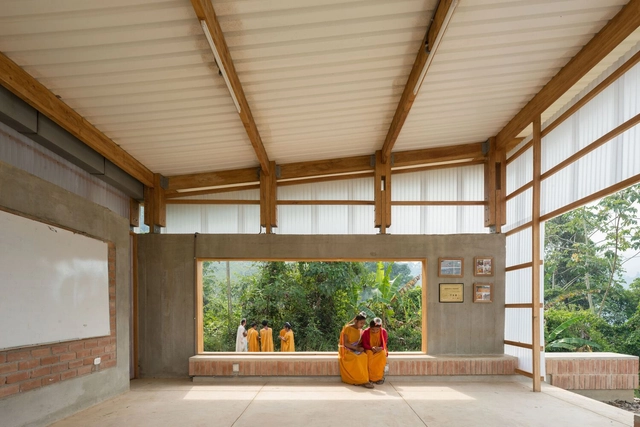
Environments that inspire, promote well-being and stimulate a connection with nature. Biophilic landscaping in education spaces recognizes the importance of this bond for student development, as it benefits well-being, academic performance, and people's health. We have selected eight projects that bring natural elements to the classroom or that place students directly in nature to illustrate the qualities in these spaces.

https://www.archdaily.com/1002422/biophilic-landscaping-in-educational-spaces-stimulating-learning-well-being-and-creativityArchDaily Team
The Poetry of Water: Symbolic Meanings in Built Space
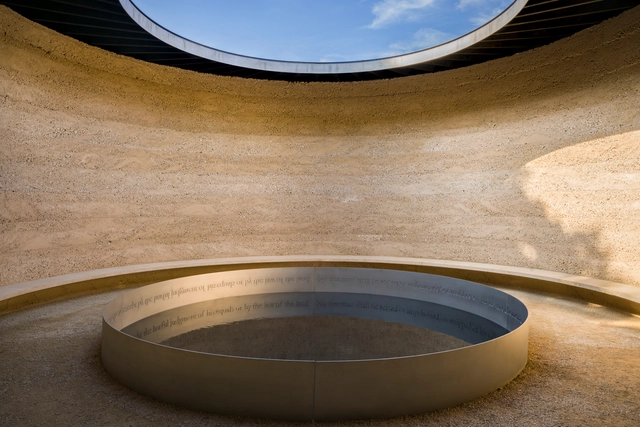
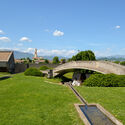
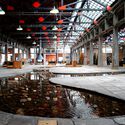
In a world of extravagant textures, colors, and flavors, who would have thought that a substance that has no color, no smell, and no taste is precisely the most essential for human existence? Antagonistic in itself, water carries an ambiguity of values and meanings that confer a high degree of complexity sustained by the versatile and soluble profile that distinguishes it in a complex simplicity. In this sense, water, as a source of life, has become an object of devotion and study over time. This has fostered a continuous effort focused on understanding, transporting, and controlling this element.


https://www.archdaily.com/1002413/the-poetry-of-water-symbolic-meanings-in-built-spaceCamilla Ghisleni
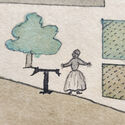
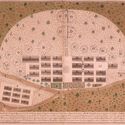
The Landscapes of the Black Atlantic World
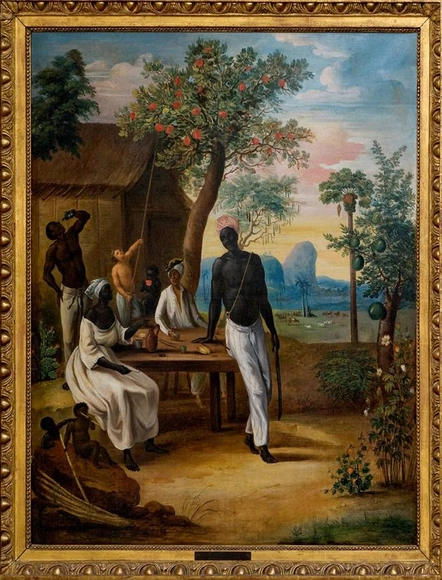
The institution of slavery shaped landscapes on both sides of the Atlantic Ocean. And in turn enslaved and free Africans and their descendants created new landscapes in the United States, the Caribbean, and Sub-Saharan Africa. African people had their own intimate relationships with the land, which enabled them to carve out their own agency and culture.
At Dumbarton Oaks in Washington, D.C., a symposium — Environmental Histories of the Black Atlantic World: Landscape Histories of the African Diaspora — organized by N. D. B. Connolly, a professor at Johns Hopkins University, and Oscar de la Torre, a professor at the University of North Carolina at Charlotte, sought to highlight those forgotten relationships between people and their environment.




https://www.archdaily.com/1002651/the-landscapes-of-the-black-atlantic-worldJared Green
How to Combine Colors to Enhance Architectural Design?

Even though Isaac Newton’s experiments and observations led to the development of the color wheel during the 17th century, his revolution in the understanding and application of colors continues to influence the creation of architecture and design projects. Arranging colors in a circular format, Newton mapped the color spectrum to create the first color wheel. As a visual representation of how colors relate to each other, it has been a fundamental tool for artists, architects, and designers to understand color relationships and therefore create appealing palettes for each space. Beyond merely “eyeing” color combinations, applying the color theory based on the geometric relationships in the color wheel helps designers determine which colors are suitable together. Color has the ability to play with spatial perception, create a sense of atmosphere, and evoke emotional responses, making it essential for design.
By exploring the multiple possibilities of the color wheel, we create a guide to enhance architectural design through three color combinations: monochromatic, analogous, and complementary.
https://www.archdaily.com/1002528/how-to-combine-colors-to-enhance-architectural-designCamila Prieto
Metallic Layers in Dialogue with Light: An Abstract Intervention at Casa Batlló
| Sponsored Content
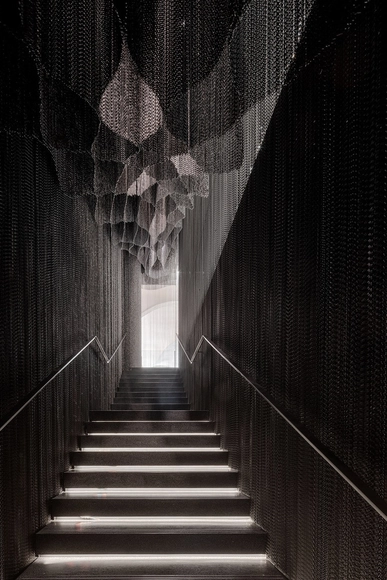
Some architects have left their mark on history; one such case is Antonio Gaudí. Through his nature-inspired conceptions, he became the foremost representative of Catalan modernism. The impact of Gaudí's work can be seen on various architectural scales, including the Sagrada Familia, Parc Güell, Colònia Güell, Casa Milà, and Casa Battló, the latter being an iconic landmark of Barcelona’s architecture.
Casa Battló emerged from the renovation of an 1877 building, which was acquired in 1903 and subsequently commissioned to Gaudí for its transformation. Inspired by animal forms, particularly those of the ocean, the facade and interior were renovated using curves and a combination of vibrant colors. This intervention marked a turning point for the house, as it significantly changed the facade, redistributed the interior, and provided a sublime interaction with natural light. Following the nature of the renovation that began with Gaudí, a new interior project for the stairs and atrium of Casa Batlló was developed in 2021. This renovation is the result of a dialogue between the anodized aluminum chains developed by Kriskadecor and the abstraction of the ingenious use of light in Casa Batlló through Kengo Kuma's design.
https://www.archdaily.com/1001552/metallic-layers-in-dialogue-with-light-an-abstract-intervention-at-casa-batlloEnrique Tovar
Architecture and Mezcal: Bars and Distilleries in Mexico
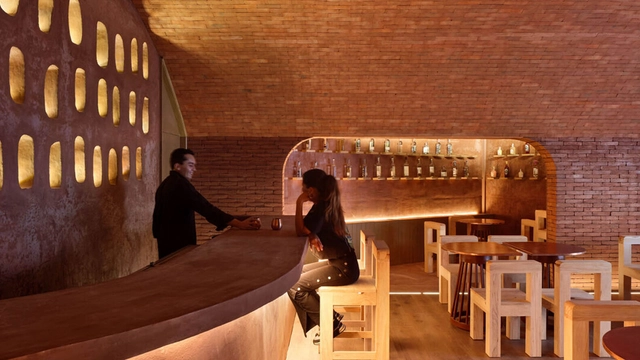
Mezcal is a Mexican beverage that has gained great popularity in the last decade. Its history dates back to pre-Hispanic times when cultures consumed various drinks derived from the agave plant in different ways. During the pre-Columbian period, this plant was used for various purposes, ranging from food to the production of fibers and medicines. However, within the different processes, they discovered that they could ferment and distill the juice of the agave to obtain an alcoholic beverage, which they called "pulque".
https://www.archdaily.com/1002415/architecture-and-mezcal-bars-and-distilleries-in-mexicoMónica Arellano
Life Is Temporary: Outdoor Installations That Highlight the Transient Nature of Humanity
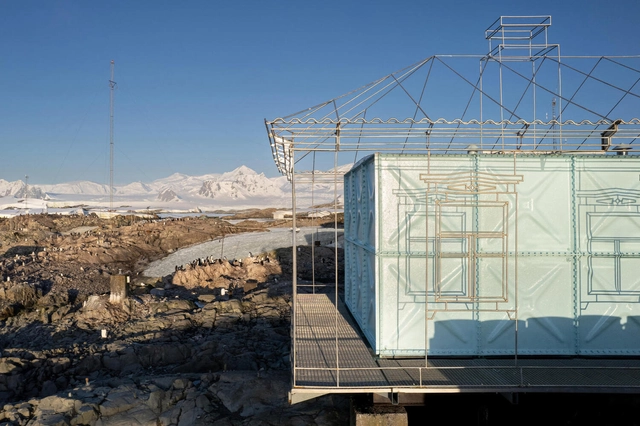
Einstein’s Special Theory of Relativity introduces the mind-blowing concept that time – as we know it – is not as stable and reliable as it first seems. As a defining characteristic upon which all of human history is referenced, the fallibility of time is a confusing prospect. 15 minutes, for example, seems an eternity while waiting in line, and yet the 300,000 years of human history equates to less than a day in the lifetime of the Earth.
So when we talk about ‘saving the planet’ by slowing and reversing climate crisis, what we really mean is extending our own existence upon it. Because no matter what we do, this rock will continue to spin for billions of years yet. In reality, humanity itself is only a temporary installation.
These four outdoor installation projects use the Earth’s environment and borrow its resources to investigate our human relationship with time, and how it affects our lives down here on the surface.

https://www.archdaily.com/1001833/life-is-temporary-outdoor-installations-that-highlight-the-transient-nature-of-humanityJames Wormald
Greenhouses: Spaces for Coexistence between Nature and People
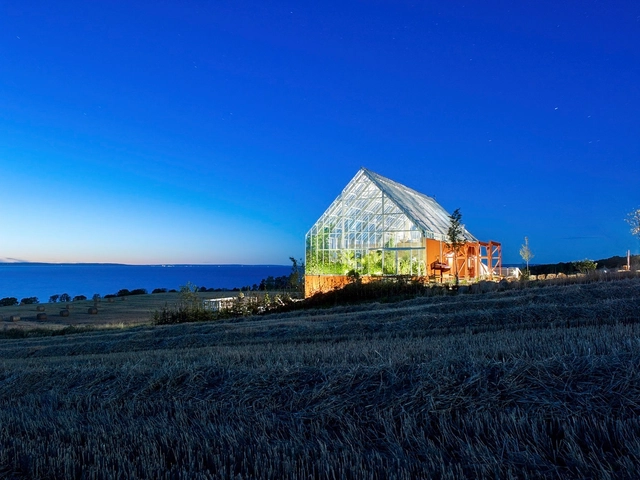
Researchers point out that "proto-greenhouses" arose to fulfill the desire of the Roman Emperor Tiberius (42 BC to 37 AD) to eat cucumbers every day of the year. Since it was impossible to grow the vegetable on the island of Capri in winter, his gardeners developed beds mounted on wheels that they would move into the sun when possible, while on winter days they would place them under translucent covers made of Selenite (a type of gypsum with a glassy appearance). But the production of large-scale greenhouses only became possible after the Industrial Revolution with the availability of mass-produced glass sheets. Since then, they have been used to grow food and flowers, forming a microclimate suitable for plant species even in places with severe climates. But in some cases, these artificial growing conditions can also form interesting living spaces. The recent Lacaton & Vassal awards rekindled this interest. How is it possible to create greenhouses that can be good for both humans and plants?
https://www.archdaily.com/959164/greenhouses-as-spaces-for-coexistence-between-nature-and-peopleEduardo Souza
Regionalism in Retail Design: Personalization through Localization
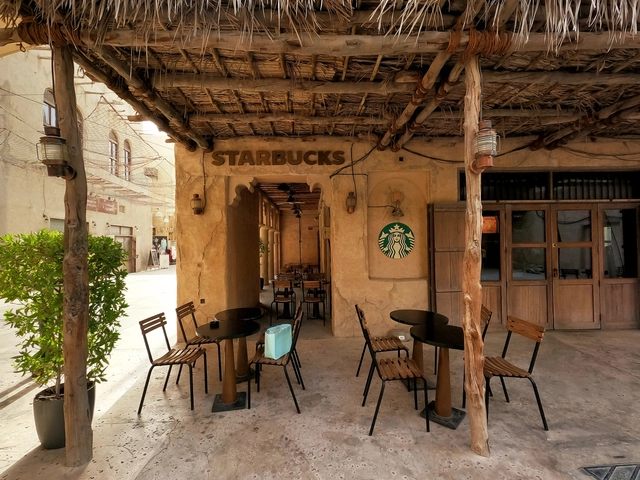
Two years ago, Starbucks' branch in Al Seef, Dubai captivated the internet with its contextual design. Located in the oldest part of Dubai, the renowned coffee outlet boasts a thatched roof, mud-like exterior finishes, traditional screens, and wooden furniture, all of which retain the picturesque charm of the landscape. The design not only garnered immense attention on social media but also attracted curious customers to the store. Effortlessly blending in with its regional context, the Al Seef branch has become an integral part of the locality. The store is one of Starbucks' many efforts at regionalizing its international outlets to create authentic connections with customers. In an era where consumers crave meaningful connections, regionalism in retail design emerges as a powerful design strategy.




https://www.archdaily.com/1002653/regionalism-in-retail-design-personalization-through-localizationAnkitha Gattupalli
Is It Possible to Use Cryptocurrencies to Buy a House?
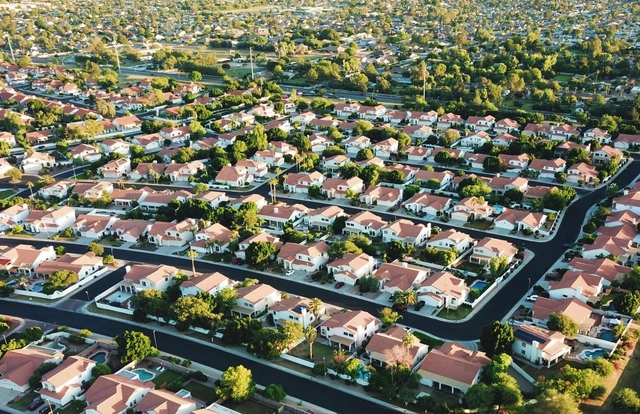
Acquiring real estate through cryptocurrencies, such as Bitcoin (BTC), Ethereum (ETH), and Binance Coin (BNB), is already a reality in many countries, including the United States, England, and Brazil. With the rise of this market and the increasing acceptance of these assets as a legitimate form of payment, investors and buyers are exploring new possibilities for transactions with cryptocurrencies, including the real estate sector.
https://www.archdaily.com/1002412/is-it-possible-to-use-cryptocurrencies-to-buy-a-houseAdele Belitardo
Tides are Changing: Protecting the Ocean through Architecture
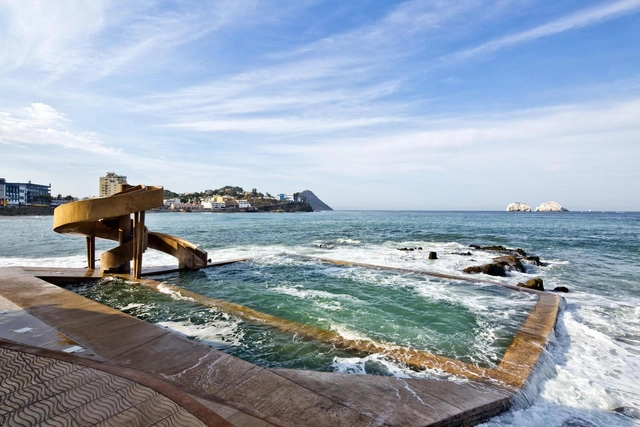
June 8th was World Oceans Day 2023, which brought the theme 'Ocean Planet: Tides are Changing'. The purpose of the United Nations was to generate a "new wave of enthusiasm for caring and protecting the ocean and the entirety of our blue planet."
A new opportunity to reflect on the importance of preserving these vast aquatic ecosystems that cover more than 70% of the Earth's surface - and an opportunity to reflect on how architecture can contribute to their protection and conservation through the design of resilient coastal infrastructure, the development of marine energy technologies, sustainable design of coastal buildings, and regeneration of marine ecosystems.
https://www.archdaily.com/1002416/tides-are-changing-protecting-the-ocean-through-architectureFabian Dejtiar
Designing for Water Scarcity: How Architects are Adapting to Arid Environments
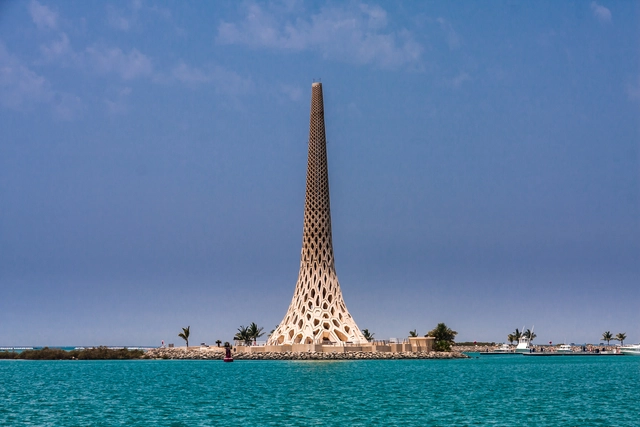
An arid environment refers to specific regions characterized by a severe lack of available water and extremely dry weather conditions. More specifically, arid regions by definition, receive less than 25 centimeters of rain per year. In the immense vastness of arid environments, where extreme climates present significant challenges, the role of water in architecture takes on a new dimension.
For centuries, architects and designers dealing with harsh desert landscapes and the vital necessity of water have invented techniques, technologies, and new structures. Moreover, many creative approaches have been created to harness, collect, and cool water in arid environments.


https://www.archdaily.com/1002473/designing-for-water-scarcity-how-architects-are-adapting-to-arid-environmentsNour Fakharany

UniverCities: The Integration of the Campus and its City
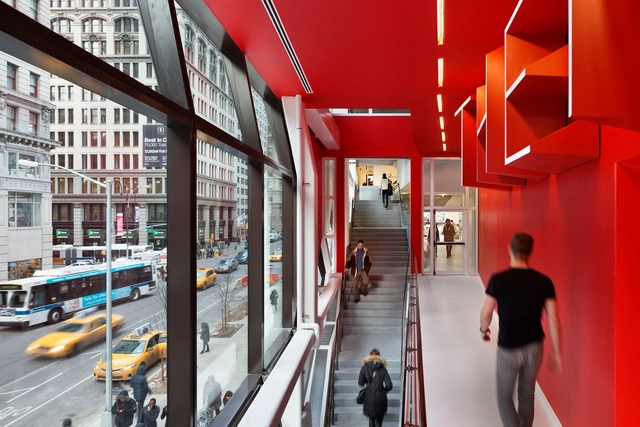
The university campus has a distinctive spatial typology. Established as a micro-city, these self-contained environments are subject to their own rules and systems. They are designed as a deviation from the cities that host it to allow for the growth and proliferation of knowledge outside the status-quo. Centered around the transfer of information, academic centers are becoming increasingly relevant to urbanism. Campuses and their host cities evolve to mimic each other's structure, forming opportunities for urban renewal.


https://www.archdaily.com/996393/univercities-the-integration-of-the-campus-and-its-cityAnkitha Gattupalli
How Water Responds to Land Reclamation in Coastal Cities
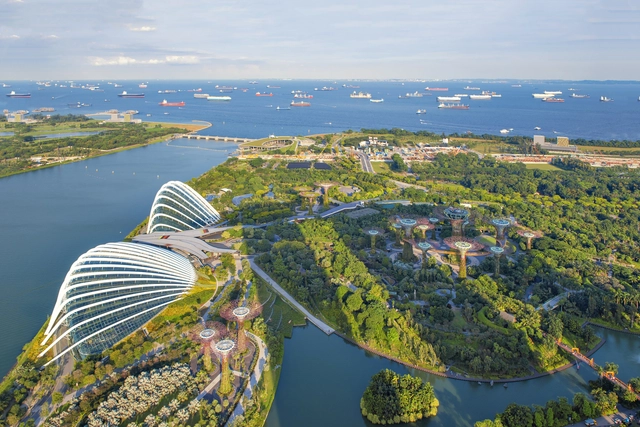
Land reclamation from the sea has become a popular phenomenon in coastal development. It is the most preferred solution to the need for land in coastal areas and has been implemented for various use cases, including flood control and agriculture. Nowadays, it has become a famous urban response to the rapid increase in coastal urbanization, economic activity, and global population. Countries like China and the Netherlands lead the chart on the amount of land area reclaimed. However, most reclamation projects today take place within urban centers in the global south. Cities in West Africa, East Asia, and the Middle East produce these new lands as economic forerunners for their commercial industry and as platforms to house luxury residences.
But the relationship between the design and production of reclaimed lands and the response of water in ocean environments is complex. It requires a symbiotic relationship with water bodies for stability but can provoke natural forces when negligently imposed on the sea. Ocean water behaviors, including tidal accumulation, sea level rise, connection to wetlands, and aquatic biodiversity, can question the success or failure of land reclamation projects in different contexts.


https://www.archdaily.com/1002420/how-water-responds-to-land-reclamation-in-coastal-citiesPaul Yakubu
Between Public and Private: Getting to Know the Work of MMMB Arquitetos
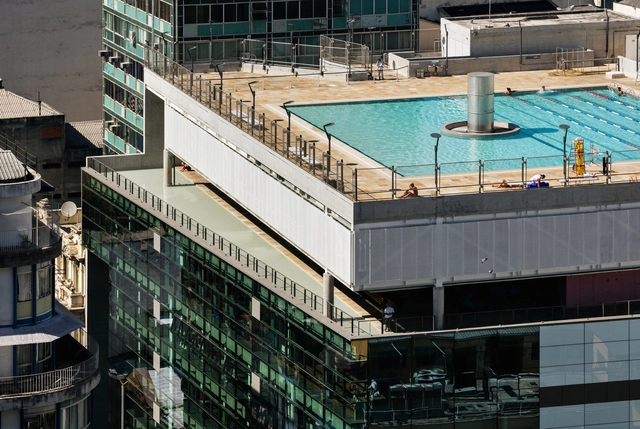
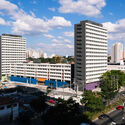
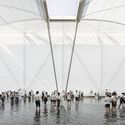
With a broad and diversified portfolio in terms of typologies, scales, and project locations, MMBB Arquitetos is a versatile office with multiple activities. Founded in 1991 in the city of São Paulo, the office is currently composed of Maria João Figueiredo, Marta Moreira, and Milton Braga, and over the more than three decades of its operation, it has had among its partners Angelo Bucci, Vinicius Gorgati, and Fernando de Mello Franco, in addition to having carried out several partnerships with Paulo Mendes da Rocha.

https://www.archdaily.com/1002201/between-public-and-private-getting-to-know-the-work-of-mmmb-arquitetosAdele Belitardo
Why Does America Provide More Space for Storing Cars Than Housing People?

This article was originally published on Common Edge.
How did we end up building an environment where the private car is often treated better than many of our fellow human beings? In the U.S., the center of car culture, parking is expected to be convenient, available, and free, writes Henry Grabar in his engaging and entertaining new book, Paved Paradise: How Parking Explains the World (Penguin Press). Parking consumes vast amounts of land; in Los Angeles County, for example, it totals about 200 square miles. In New York City alone, there are 3 million curb parking spaces (not counting parking garages), which account for 6% of the city’s area—the equivalent of 13 Central Parks! Grabar asks: What better use could we make of this space? A 2021 study revealed that if New York reclaimed just a quarter of the street space allotted to cars, the following could be created: 500 miles of bus lanes; 40 miles of busways; 38 million square feet of community space; 1,000 miles of open streets; 3 million square feet of new pedestrian space; and 5.4 million additional square feet for restaurants, businesses, and cultural institutions.

https://www.archdaily.com/1002504/why-does-america-provide-more-space-for-storing-cars-than-housing-peopleMichael J. Crosbie
Carlo Scarpa, a Virtuous Architect of Water
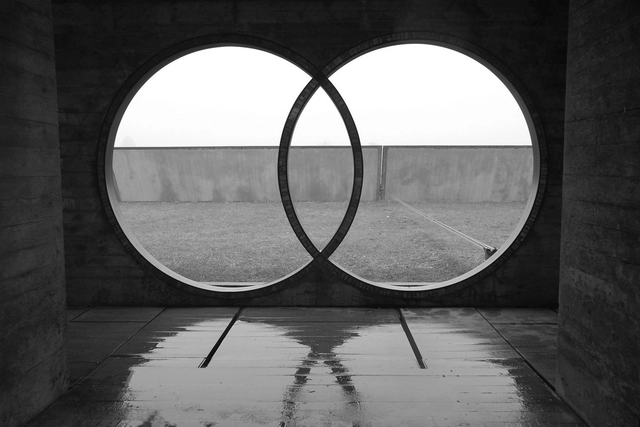
Even as a child, the Venetian architect Carlo Scarpa was very aware of the fundamental element that would describe and underpin his work many years later: water. When he played and ran around the maze of streets and canals, Scarpa listened to everything around him, especially the richness of stimuli that his hometown offered him. A sensitive reader of places, he found his great text in Venice. This culture, subtle and almost academic, except for that devotion to scenography and the esoteric, is built over time; art, space, history, all compiled in his readings, trips to knowledge, and in his contact with artists and writers.
Scarpa would base his evolution as an architect on his extraordinary visual culture and his respect for tradition and the way of doing things in past eras; taking up the baton of that time and converting his reality into architectural space where all the pieces are independent units, dialoguing with each other or, as he liked to say, singing. He positions himself before what exists, whether it be an artistic piece or architectural space, from knowledge and sensitivity. He will apprehend the history and place in which it occurs and accentuate the existing beauty in things, showing the prominence of the new as a precious element.
https://www.archdaily.com/1002226/carlo-scarpa-a-virtuous-architect-of-waterBorja Fernández
Navigating Complexity and Change in Architecture with Data-Driven Technologies
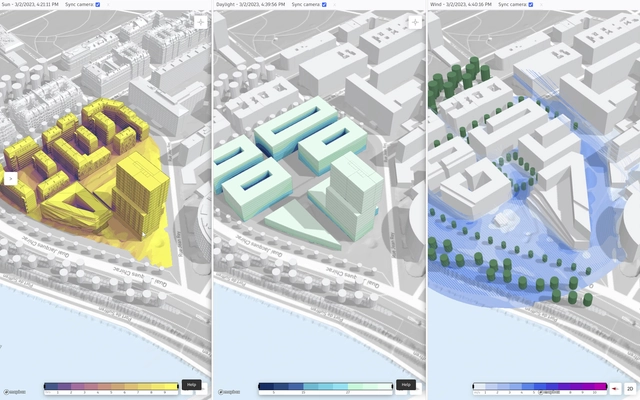
The architecture profession is increasingly facing the pressures of a rapidly changing era marked by urbanization, population growth, and climate change. To effectively navigate the complexities surrounding architectural and urban projects, there has been an acceleration in the adoption and integration of data-driven technologies such as Artificial Intelligence (AI) and machine learning. However, valid concerns have risen regarding the potential loss of the designer's creative control, with fears that their role may be reduced to a mere "parameter adjuster." Is this a genuine possibility or merely a reflection of resistance to change?
In a conversation with Carl Christensen, Autodesk's Vice President of Product, we delve into the impact of AI on the traditional role of the architect and explore the opportunities that arise with these technological advances. As paradigms shift, forward-thinking architects and designers could find themselves especially empowered to expand their influence and shape a new future for the discipline.
https://www.archdaily.com/1001585/navigating-complexity-and-change-in-architecture-with-data-driven-technologiesJosé Tomás Franco
How to Design Common Areas in Residential Buildings? Examples from Brazilian Houses
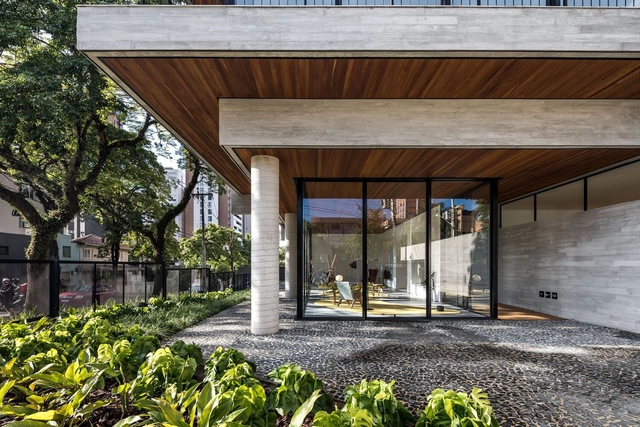
When designing buildings, attention often focuses on residential units, prioritizing apartment comfort and functionality. However, it is equally important to consider common areas, which play a fundamental role in residents' quality of life and in building a community that shares the same space. In addition to their social benefits, these communal spaces can also play a significant role in promoting sustainability and user well-being. After all, the integration of green areas and spaces dedicated to leisure and sports reduces stress and provides new activities for residents.
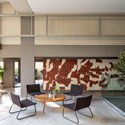
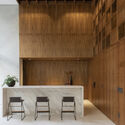

https://www.archdaily.com/1002154/how-to-design-common-areas-in-residential-buildings-examples-from-brazilian-housesArchDaily Team
Laminated Glass Skylights Infused with Vibrant Colors: The Kaleidoscopic Station
| Sponsored Content
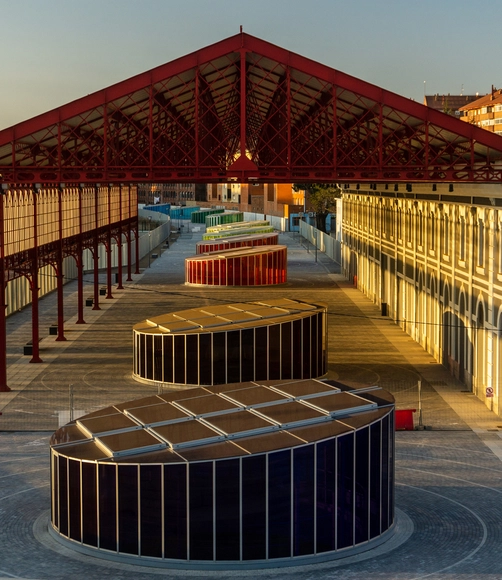
Light and color are intrinsically linked, as color cannot exist without the presence of light. In 1665, Isaac Newton made a momentous discovery when he observed that white light breaks down into different colors as it passes through a prism, creating a spectrum. This discovery laid the foundation for understanding the nature of light and developing color theory, which had a significant impact not only in the scientific field but also in artistic disciplines such as painting, photography and architecture.
https://www.archdaily.com/1001361/laminated-glass-skylights-infused-with-vibrant-colors-the-kaleidoscopic-stationEnrique Tovar
Architecture and Memory: The Sense of Smell and Recollection
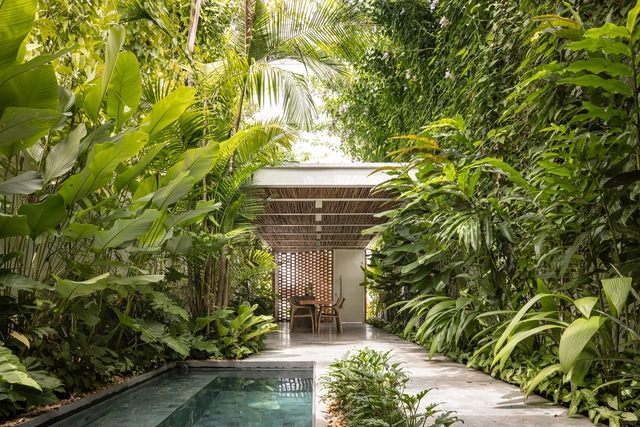
When asked about his memories of the house where he spent part of his childhood, Finnish architect Juhani Pallasmaa says that more than sight, his memories are based on the smell of the house. According to him, each house has its own smell, which we do not always perceive when we are in it, but immediately recognize upon returning.


https://www.archdaily.com/1002102/architecture-and-memory-the-sense-of-smell-and-recollectionCamilla Ghisleni