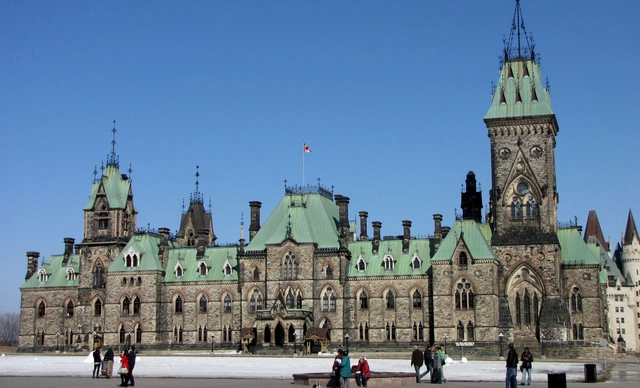
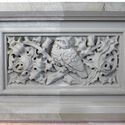
Heritage restoration has always been an intricate process that requires delicate balancing between preserving the integrity of historic materials while integrating contemporary techniques that can enhance accuracy, efficiency, and resilience. With the restoration process of Parliament Hill in Ottawa, Canada's capital city, this intersection of tradition and technology is now on full display. The East Block, built in 1865, offers a compelling example of how digital tools can support the efforts of heritage restoration and contribute to a centuries-old craft such as stone carving.
What is enough light? The question is difficult enough but when faced with having to calculate how much LED lighting you need to create a well-lit space, it can become a bit more complicated.
Whether it's architectural LED lighting for commercial applications or residential applications, here's how to determine how many LED Lumens you'll need to properly light your space.
https://www.archdaily.com/897277/how-to-determine-how-many-led-lumens-youll-need-to-properly-light-your-spaceDavid Hakimi
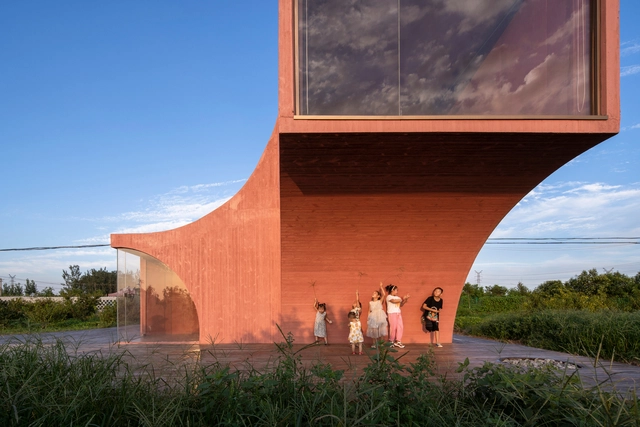
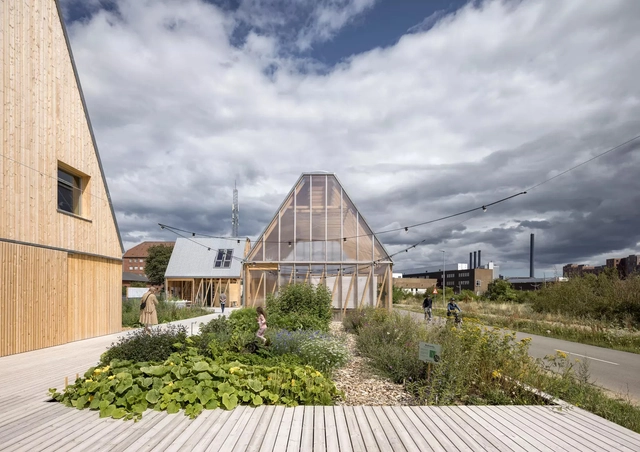
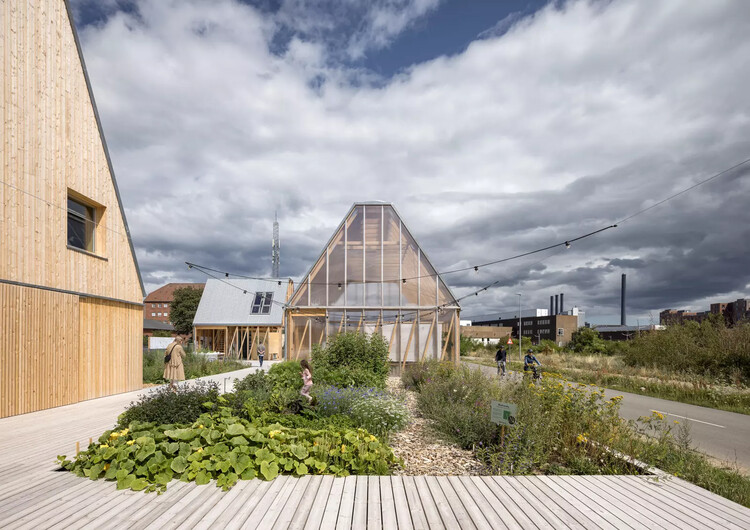
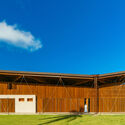
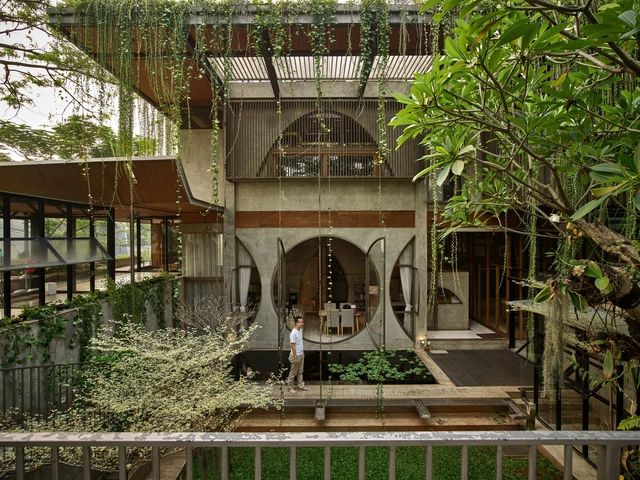
The architecture of cultural and community centers in rural areas around the world has become a rich field for experimentation, where tradition and innovation intersect. Rather than replicating standardized urban models, these projects embrace contemporary approaches tailored to local realities, blending bold design, sustainable technologies, and collaborative processes. Often developed in close partnership with local communities, they draw on regional materials and cultural symbols to create spaces that do more than host activities: they express a collective identity and a profound sense of belonging. By reimagining vernacular knowledge through a modern lens, these buildings support and inspire new ways of living in the countryside.
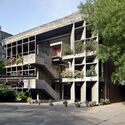
The twentieth century marked a definitive shift in the realm of architecture, as the Modernist movement broke from traditional building styles and encouraged experimentation and innovation. With the help of new materials and technologies, these times represent a crucial moment in the history of architecture as both cities and building styles evolved at an unprecedented rate. The structures that stand testament to this day are, however, nearing the age of a hundred years old. Their stark design features are not always embraced by the public, while the functionalist principles often hinder the adaptability of their interior spaces. Given that they also often occupy central positions within the city, there is increasing pressure to demolish these structures and redevelop the area in its entirety.
For decades, technological evolution was driven by the exponential growth in computer processing power—a trend famously predicted by Moore’s Law. From rudimentary mechanical devices to highly sophisticated microprocessors, this trajectory fueled the miniaturization and popularization of personal computers, laptops, and smartphones. Now, with the advent of quantum computing, a new leap is on the horizon. Unlike classical bits, which represent only one value at a time—either 0 or 1—qubits can simultaneously represent a combination of both states. This means that while a traditional computer tests one possibility at a time, a quantum computer can explore many at once, dramatically accelerating the resolution of complex problems. Molecular simulations, logistical optimizations, and advances in cryptography are just a few of the areas transformed by this new frontier.
In the construction industry—a sector historically resistant to abrupt changes—the evolution of materials also has its breakthrough moments. From carved stone to reinforced concrete, from raw timber to high-performance composites, each new material has expanded the structural, aesthetic, and functional boundaries of architecture. In recent years, however, researchers have been testing a new generation of materials that transcend the traditional idea of passivity. These are intelligent materials, capable of sensing, reacting to, and even interacting with their environment and users, challenging the very concept of inert matter.
Material intelligence refers to how materials perform, adapt, and interact with ecological and cultural systems. It considers how stone, steel, or timber respond to intertangled forces, how those materials are sourced and assembled, and how they persist after demolition. Designers are centering material intelligence in constructing our cities in a generation of environmental uncertainty and strained supply chains.
Traditional building development follows a risky model - design, build at full scale, and hope everything works as planned. Sustainable housing prototypes flip this script by creating functioning micro-versions of larger visions. This methodical approach allows designers to experiment with new materials, technologies, and systems without the enormous financial and environmental risks associated with full-scale development. Sustainable building prototypes serve as compact laboratories where theories can be tested before wider implementation.
The Master's Programme on Sustainable Cities blends hands-on experience with academic insights from the Norman Foster Foundation's global network of experts. Co-directed by Norman Foster, President of the Foundation, and Professor Kent Larson, Director of the City Science Group at MIT Media Lab, the programme places students at the forefront of urban innovation. Each year, students immerse themselves in three pilot cities, engaging directly with local planners and managers to address urgent urban challenges.
Following the success of this year's pilot cities in Africa, the 2026 edition of the programme expands its geographical horizons to span three continents: Asia, Europe and Latin America. The pilot cities will be announced in the upcoming months.
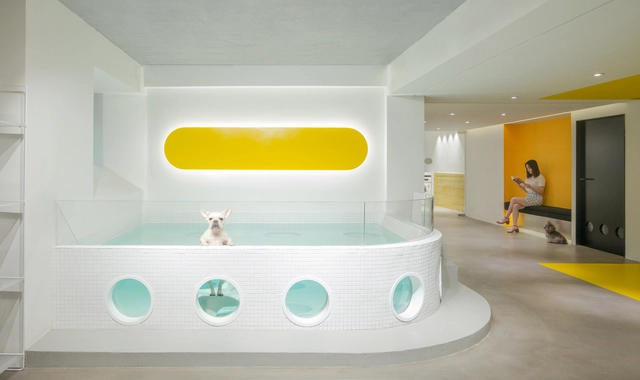
Humans and pets have long shared a deep and inseparable bond—and today, how we live alongside them is becoming increasingly important. Beyond offering companionship, pets are now often regarded as life partners, providing powerful support for mental health and emotional well-being. Yet it is not only the emotional connection that matters: the way we design and curate spaces for cohabitation with them plays a critical role in shaping meaningful spatial relationships between humans and their animal companions.
Whether through custom-designed furniture or more seamlessly integrated solutions like wall cavities and built-in nooks, an increasing amount of attention is being paid to how we can better coexist with pets in our homes. This shift reflects more than just affluence or pet ownership; it signals a broader evolution of companionship—one rooted in mutual support, emotional health, and shared environments.
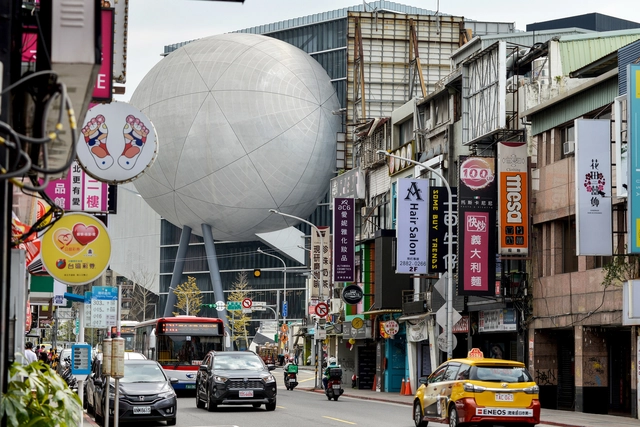
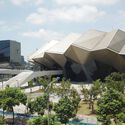
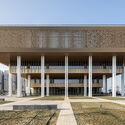
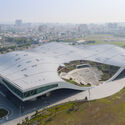
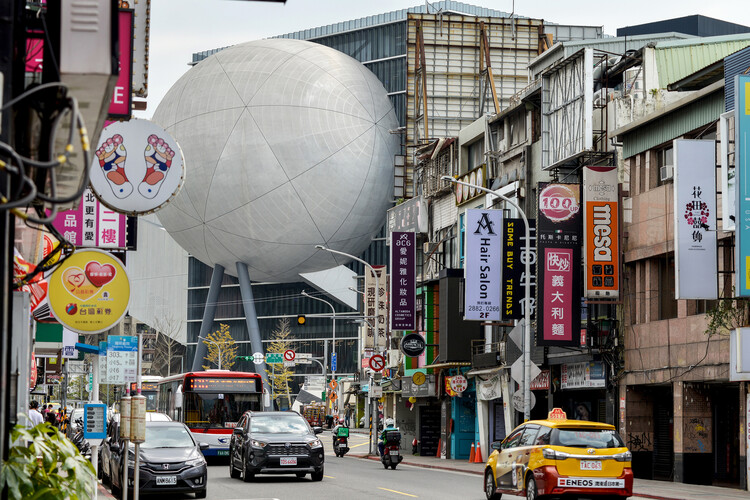
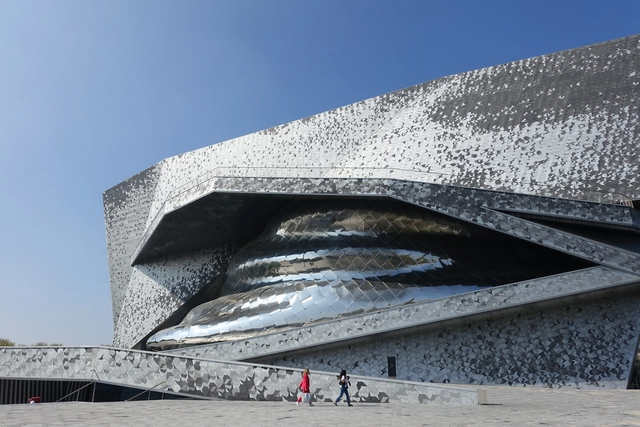
In most situations, architects navigate a complex web of construction codes, airspace regulations, and numerous other rules that dictate the form and execution of a project. However, cultural architecture often presents a unique opportunity for more daring and expressive designs. These projects frequently garner support from local governments, unlocking possibilities for formal explorations that might otherwise remain unrealized. In this regard, cultural architecture serves a dual purpose: enriching the community and establishing iconic landmarks that define the identity of their city or region. This ambition has certainly manifested in Taiwan. Situated in the heart of East Asia, this island nation boasts a remarkable array of formal explorations by both international and Taiwanese architects.
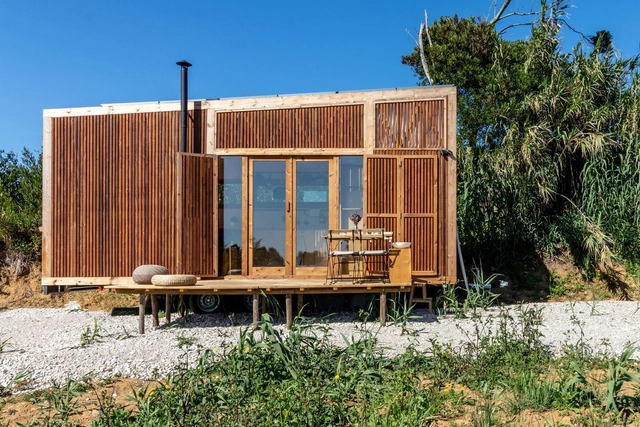
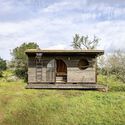
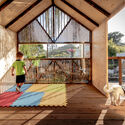
How is it possible to maximize livability in small spaces? What design decisions contribute to functionality and the fulfillment of the inhabitants' essential needs? Over the past decade, small-scale architecture has gained prominence in the quest to find new ways of living in connection with nature and in pursuit of relative self-sufficiency, among other reasons. From minimal homes or tree houses to fine carpentry solutions and sculptures, the Portuguese design studio Madeiguincho is dedicated to developing timber-based projects with the aim of promoting knowledge of wood craftsmanship as both a raw material and a building medium.
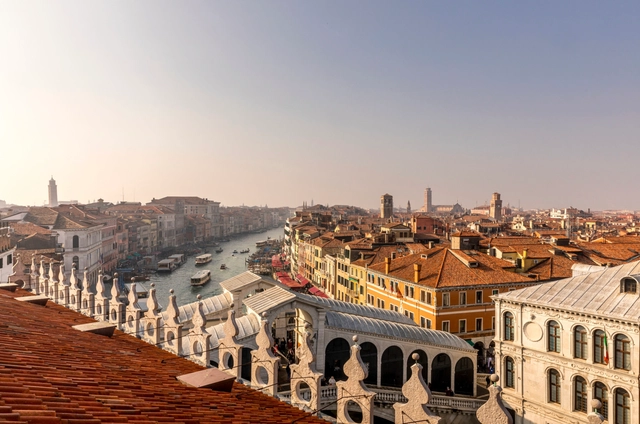
In recent weeks, cities around the world have introduced new policies, recovery efforts, and infrastructure projects that reflect growing pressure to adapt to climate realities. From Southern Europe to South America and the United States, these urban updates address both immediate challenges and long-term shifts in how the built environment is governed, designed, and inhabited. Some initiatives focus on regulation, tightening building codes in fire-prone areas or reforming aging safety systems, while others spotlight large-scale investments tied to global events such as COP30 and the Venice Architecture Biennale. This edition of Architecture Now gathers a selection of city-led actions and collaborative efforts that point toward a more resilient, responsive future for architecture and urban life.
In the past, AI-generated images often resembled psychedelic experiences—filled with strange, sometimes unsettling colors and forms. But recent advancements in artificial intelligence have transformed that landscape. Today, we are surrounded by images whose origins are often unknown. From playful mashups to portraits turned into works of art, it's undeniable that Artificial Inteligence has become a lasting part in our visual landscape. As Yuval Noah Harari noted in a 2023 interview with The Economist, "AI has gained some remarkable abilities to manipulate and generate language — whether through words, sounds, or images. It has, in effect, hacked the operating system of our civilization."
Architecture, naturally, has not been immune to this. Prompt-based image generators have flooded the virtual environment with renderings that span from surreal to hyper-realistic: futuristic cities, organic skyscrapers, and utopian cabins perched on idyllic cliffs. Most of these are created with general-purpose tools that prioritize visual novelty over design logic. But not all platforms follow this path. Gendo, for instance, was built specifically for architects and designers — offering finer control over parameters like scale, material, and spatial intent. Its goal isn't just to generate images, but to support design thinking. Still, these more intentional tools remain exceptions in a broader sea of generic, decontextualized imagery.
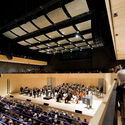
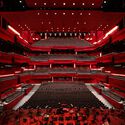
Theaters, concert halls, and opera houses are more than just venues — they are meticulously orchestrated environments where architecture, technology, and human emotion converge. Unlike conventional buildings, these spaces must accommodate a dynamic interplay between acoustics, sightlines, stage mechanics, and audience engagement, all while maintaining an architectural identity that resonates with performers and spectators alike. Whether it is the immersive embrace of a vineyard-style concert hall or the grandeur of a proscenium theater, every design decision shapes how performances are experienced and remembered.
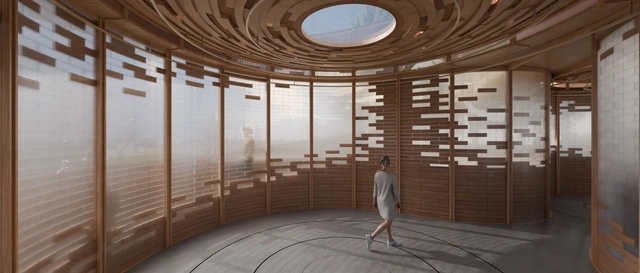
Buildner, in partnership with Collective Action for Culture (C.A.C), the Municipality of Peja, and the Ministry of Culture of Kosovo, has released the results of the Peja Culture Pavilion competition – an international architecture competition inviting architects and designers to reimagine a historically significant site in the heart of Peja, Kosovo.
The competition sought innovative and respectful design proposals that would revitalize a neglected urban square centered around a 15th-century water fountain. Entrants were asked to integrate this cultural heritage element into a multifunctional pavilion that could serve as a space for performance, reflection, gathering, and celebration.
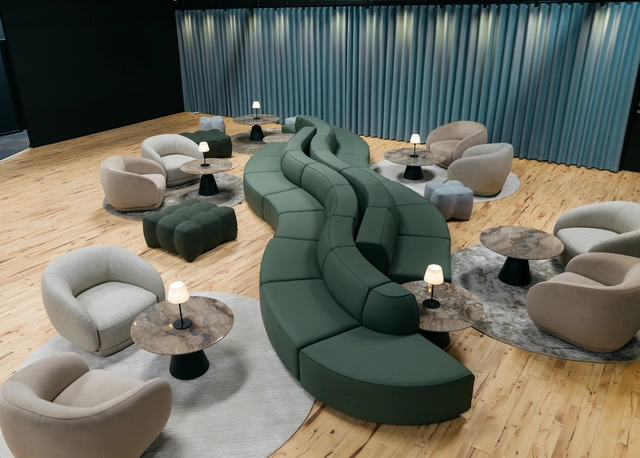
BoConcept’s modular solutions transform the space into a positive, diverse experience, enhancing the workplace environment
What is the meaning of architectural space if it is not used and enjoyed? This big picture question drills down to the essential purpose and sustainability of building architecture in the first place. It's a question that is perhaps most relevant today for offices that risk lying empty in an era of remote and hybrid work. An important challenge for design today is therefore to enhance the workplace environment to encourage attendance.
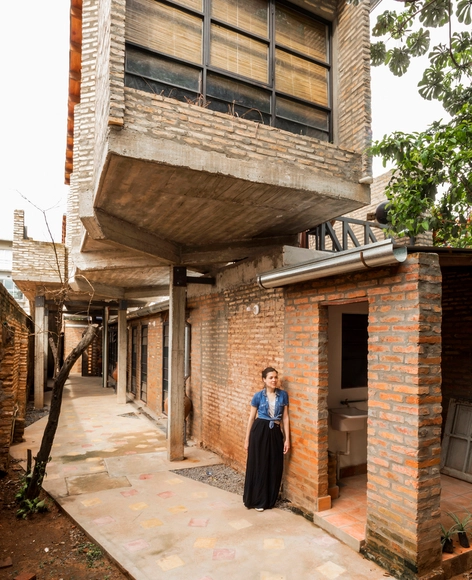
What makes a building architecture? The eternal debate over what distinguishes architecture from mere utilitarian construction has often included affordable and social housing as an influential topic, sparking different points of view. This question is particularly significant in the Latin American context, where unique conditions go beyond cost concerns, whether imposed or unavoidable. Limited access to financing, the prevalence of self-construction, and the spread of informal settlements are interconnected factors shaping the built environment. These dynamics foster an aesthetic that, for some, challenges notions of good architecture, manifesting in urban landscapes where exposed materials become a defining feature.
https://www.archdaily.com/1024259/unpolished-narratives-exposed-materials-in-latin-american-affordable-housingEnrique Tovar & José Tomás Franco
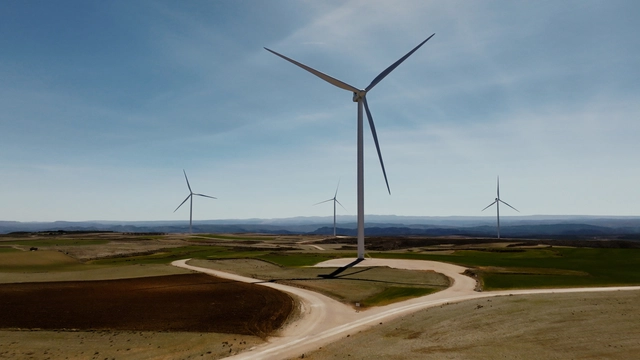
Enel, a global leader in renewable energy, launched "WinDesign", an international contest where talented professionals and students, in the domain of engineering, architecture and design, are invited to imagine and design new wind turbines. The goal is to develop turbines projects that blend more seamlessly into the landscapes that host them, thereby supporting a wider role for them in the energy transition.
The internal environment is the focus of this second article about designing for noise to improve well-being. According to several recent studies, noise in cities has become an increasing hazard to health. Environmental noise, that is, noise from traffic, industrial activities, or amplified music, which reaches internal spaces, is not merely an annoyance. It has been linked to cardiovascular disease, diabetes, dementia, and mental health issues. As the world urbanizes, more people are exposed to excessive levels of noise. In medium- and high-density housing, in office buildings, and in schools, noise pollution can emanate from internal as well as external sources.
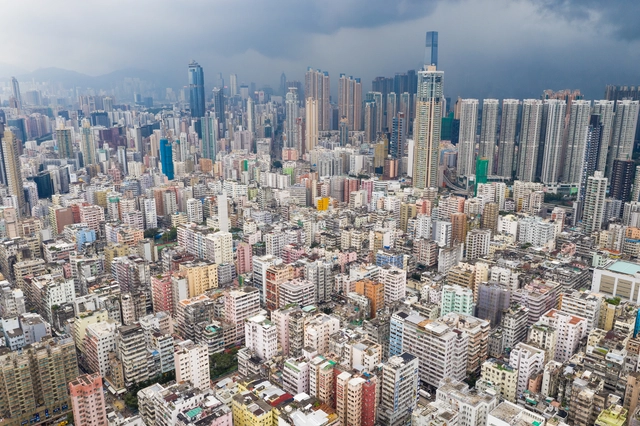
Concrete towers dominate the skylines of Asian and African cities - looming edifices embodying development. With access to the tools and materials of industrial modernity, the Global South steps onto the world stage showcasing its bounty. Yet, at the depths of rising ambitions, the construction material speaks to colonial legacies and extractive economics that result in power imbalances in the geopolitical sphere. A climate crisis on the horizon only intensifies the complicated relationship between building materials, sustainability demands, and sovereignty of many countries.
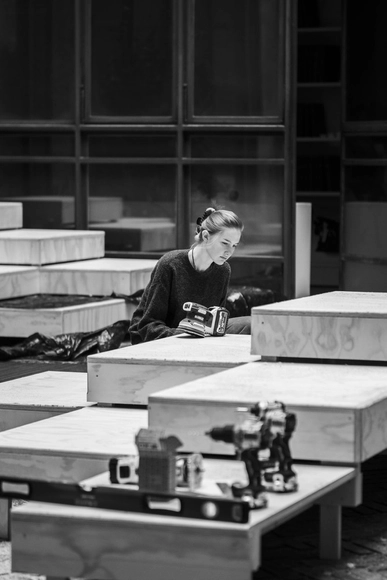
As the first postgraduate institute in architectural education born from connections with some of the most influential figures in contemporary design, Yacademy offers everyone who steps through its doors the chance to grow—both professionally and personally. Here, young architects experience a comprehensive journey designed to enhance their skills, sharpen their sensitivity, and foster meaningful relationships. A cornerstone of this journey is the construction workshop.
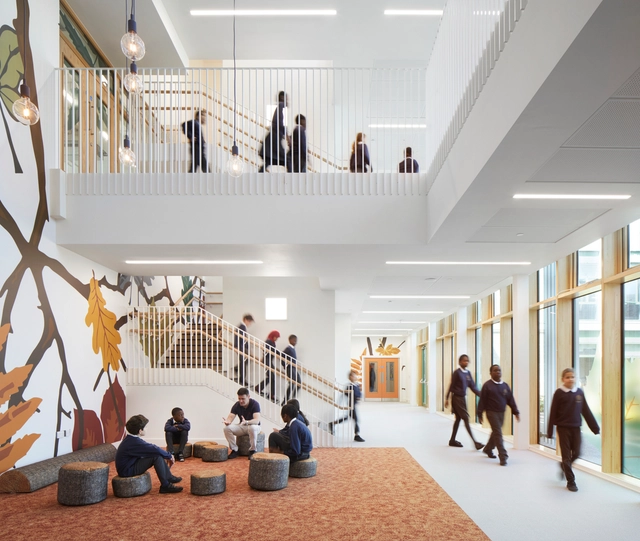
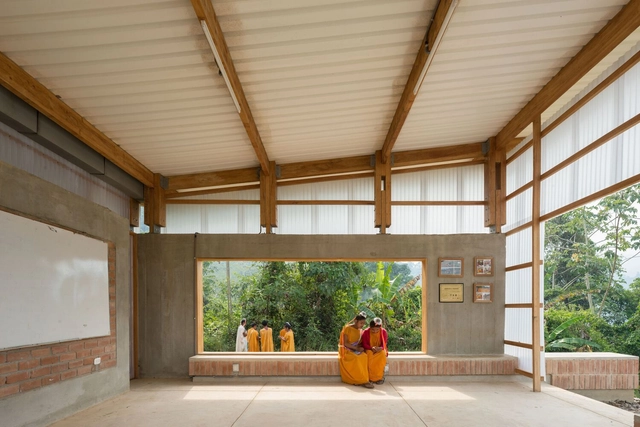
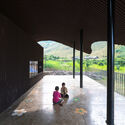
Educational infrastructure is key to any community. The better the quality of these spaces, the better the learning experience for those who use them. However, these facilities often serve a much broader purpose than just education. In Global South communities, in countries like Peru or Vietnam, where a significant portion of the population lives in rural areas far from urban centers, there are few educational spaces and a lack of places where the entire community—not just the students—can come together.