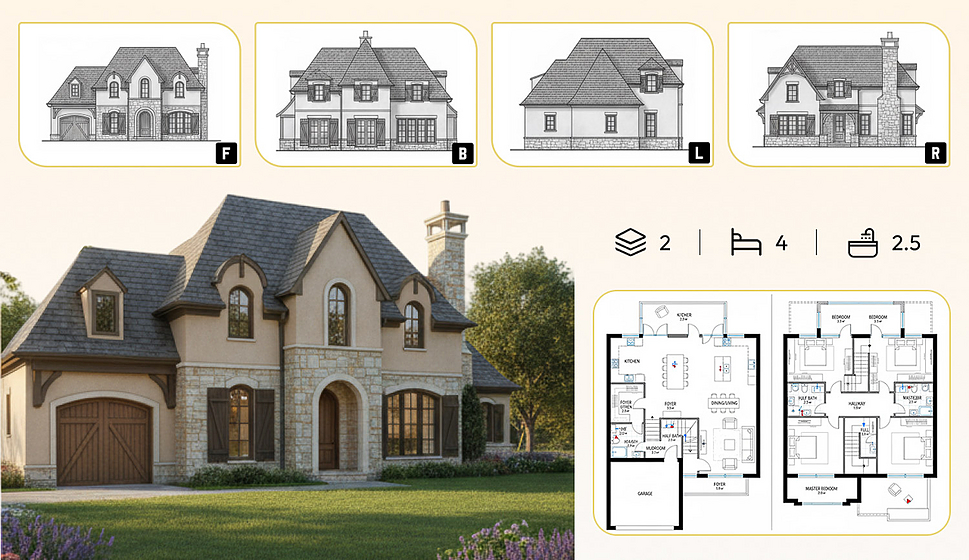
This guide covers a workflow that moves from project parameters to generated floor plans, 3D perspective views, exterior design exploration, and site context visualization, using AI tools in place of preliminary CAD and rendering work.
This guide covers a workflow that moves from project parameters to generated floor plans, 3D perspective views, exterior design exploration, and site context visualization, using AI tools in place of preliminary CAD and rendering work.
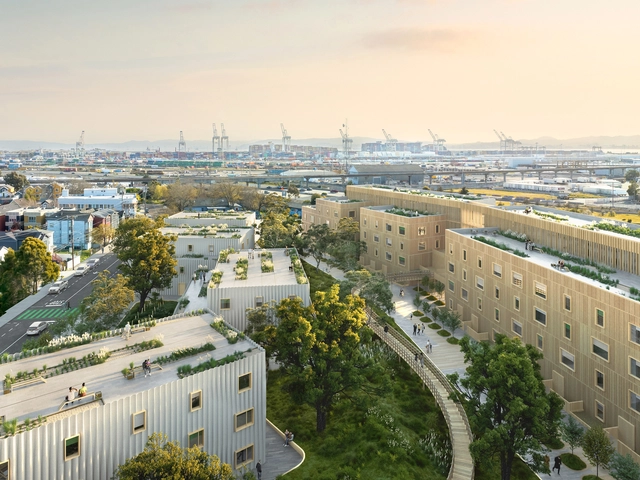
The global housing crisis generates a wide range of challenges, from those who are in situations of homelessness, to the realities of millions who face unaffordable housing conditions, overcrowding, and excessively high rents. Tackling this involves political will, the union of the state and private companies, and innovative solutions that prioritize accessibility, sustainability, and government mechanisms that enable a functioning system. Amongst all of these factors though, one thing is certain: we need to build massively in the future to improve the housing situation. The implementation of efficient construction methods, such as prefabrication and modular construction, can speed up the creation of affordable housing units, reducing construction costs and timeframes. Adopting green building practices, such as using recycled materials and designing energy-efficient structures, not only contributes to sustainability but minimizes long-term operating expenses for residents.
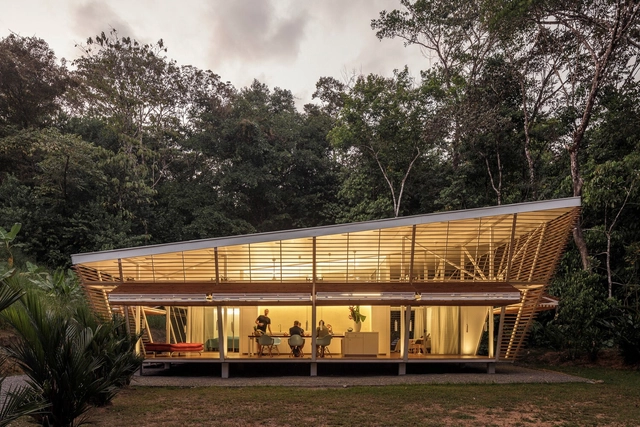
In the context of global initiatives to promote energy efficiency and the decarbonization of buildings, Latin America is at the center of the debate. The International Seminar on Sustainable and NetZero Buildings 2023, held in Bogotá and organized by CCCS, IEA, UNIANDES, CAF, and CEELA, aimed primarily to create a space for the exchange of experiences, such as Oliver Schütte's No Footprint House, while simultaneously conducting a review of government policies and the implementation of norms and standards in the region.
Among panels and conferences featuring Clara Camarasa, Nicola Borregaard, Laura Chapa, Paola Valencia, Iván Osuna, Juan Carlos Vega, Angélica Ospina, and Diego Velandia, five main learnings emerged as lessons: from creating more relevance and energy calculations to the development of the timber industry - and certifications.
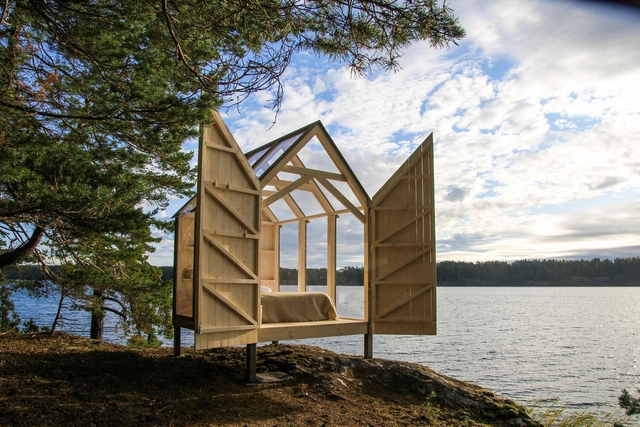
As one of the four essential elements that sustain life on this planet, water is key to the survival of all species. And just as wild animals like to stay close to the watering hole, we humans enjoy life by the water.
While our ports, lakes, and waterways are no longer the international transport hubs and feeding grounds they once were, the improved air quality, more temperate climate, and improved relaxation and mindfulness that’s brought by the presence of fresh or flowing water, means specialist spaces such as riverside pubs, beachfront hotels and lakeside homes are some of the most popular of their type.
The following homes show how prized nearby waterbodies can be better utilized with great architecture and design.

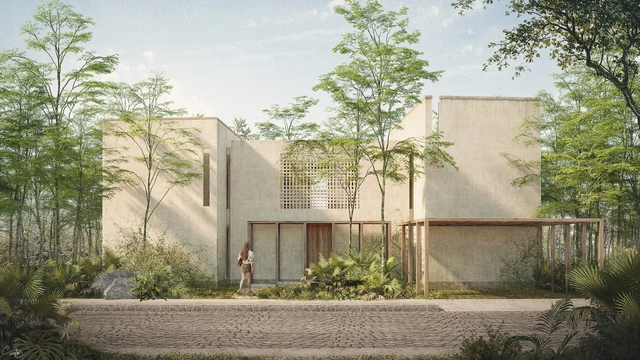
Mexico City- and Guadalajara-based firm Estudio AMA debuts with its "Riviera Ka’an Residencias" project, located in Xpu Ha, a town in the state of Quintana Roo, Mexico, situated south of Playa del Carmen and north of Tulum on the Caribbean coast. Estudio AMA presents itself as a creative space encompassing all fields of design: architecture, interiors, graphic design, and art.
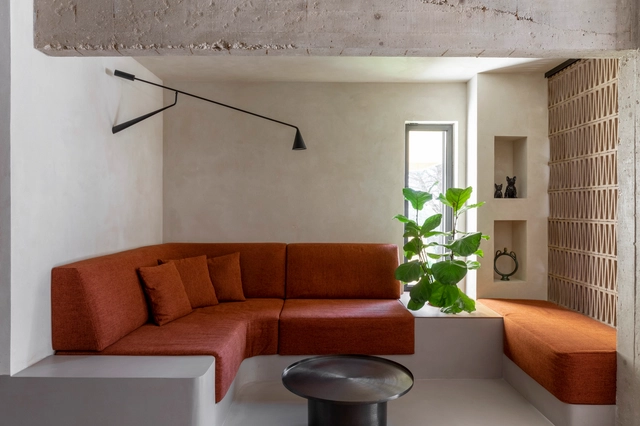
As we head towards the end of 2023, an eventful year that could be defined as the year of "shifts", we take a look at how global events and trends impacted the design of interior spaces. Looking back, people questioned everything, and the architectural practice was no exception. A new voice was given to nations often forgotten as architects searched for alternative ways of designing and building. We questioned colonialism, consumer culture, waste, tradition, and authenticity, bringing about new perspectives within the discipline. Interior design in 2023, however, was reserved; explorative, but a lot more modest and subtle compared to previous years. Following years of constant changes, it seems as though people felt the need to pause, slow down, and embrace simplicity, while expressing their individuality through acupuncture interventions.
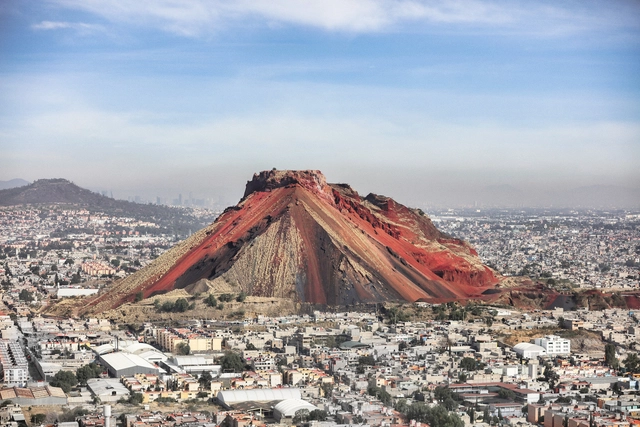
The heritage of Mexico City is extremely rich and diverse due to a long history that overlays like layers above the urban fabric since pre-Hispanic times. Currently, it is one of the largest cities in the world, and its heritage is reflected in its architecture, museums, historical sites, cultural traditions, protected sites, gastronomy, and much more. This chronology has been evidenced through various historical records. However, contemporary recording is essential in moments where we are writing history immediately with different digital tools.
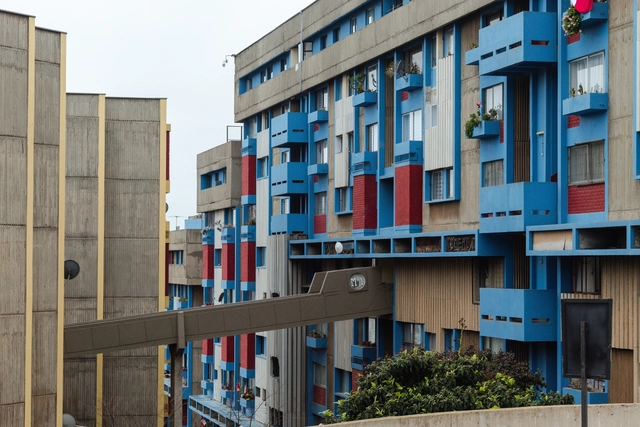
Architecture Classics showcased on ArchDaily serve as essential archives of architectural marvels, offering a window into the past. These classics showcase our collective design wisdom and innovation globally, enriching our design knowledge. In fact, through the acknowledgment and appreciation of different styles, functions, and narratives embedded within these structures, our view of architecture and its impact worldwide can become more comprehensive.
Within ArchDaily’s extensive list of Architectural Classics, 2023 saw the exploration of 16 diverse typologies. From public landmarks like Mies Van der Rohe’s Barcelona Pavilion to the Julio Mario Sant Domingo Cultural Center and the Biblioteca El Tintal by Bermùdez Arquitectos, showcasing the power of public infrastructure. Structures such as Mariano Moreno’s National Library and Oscar Niemeyer’s Aeronautics Center highlight the eclectic nature of these classics.
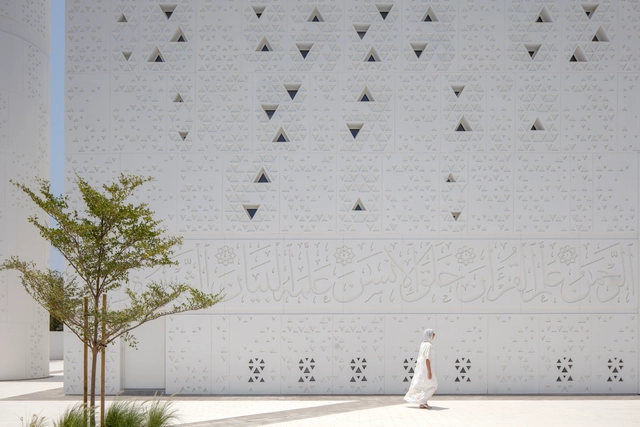
There are and have always been inspiring women architects, urban planners, and policymakers. However, worldwide, the built environment professions—and their upper echelons in particular—remain heavily male-dominated, more so than other fields like education or healthcare.
Today, 64% of architecture graduates in Brazil are women. In engineering, there has been a 42% increase in women registered with CREA since 2016. Yet, how is this reflected in Brazilian society? Globally, progress is even slower: only 40% of architects are women, with very few in leadership roles.
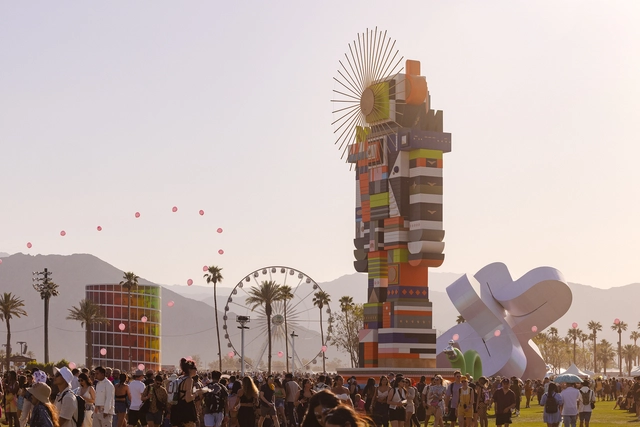
Music Festivals can provide artists, designers, and architects a platform to present their work to large crowds. The sheer scale of these installations, the space for artistic exploration, and the vast audience they reach can give designers the opportunity of a lifetime to showcase their ideas. Through scale, color, imagery, and lighting, these installations create lasting impressions on the people who attend these events and those who see them through news coverage or social media. Some themes explored this year included reframing familiar things in unfamiliar ways, large-scale abstract geometries at the intersection of technology and art, and the use of innovative new materials.

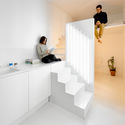
Finding an efficient configuration for a small apartment is not an easy task. Basic housing programs should be distributed in minimal spaces without losing comfort. Below, we have made a selection of 10 apartments under 38 square meters and compiled their axonometric drawings, to inspire you.
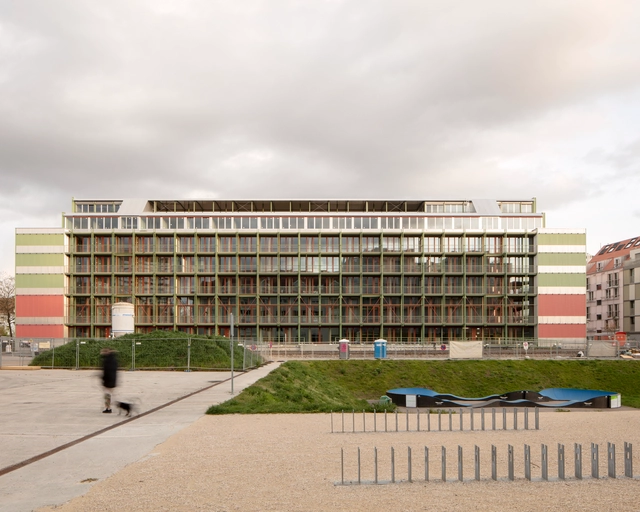
The ArchDaily projects library is managed by our curators who constantly seek to populate our stream with the most interesting global works, showcasing evolving focuses and criteria. While we usually share our reader’s top 100 favorites, this year, we also decided to initiate our editor’s picks on the ArchDaily Instagram account, where our curators highlight some projects that include interesting themes and unique traits.
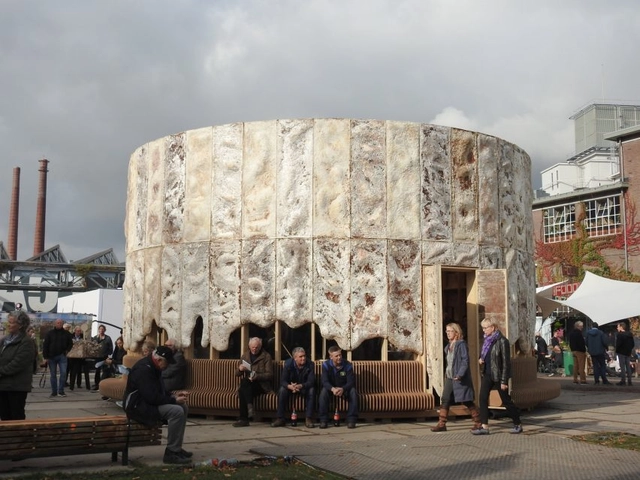
Innovative materials play a crucial role in shaping the future of architecture. They offer not only novel ways to craft buildings but also sustainable and efficient solutions to address pressing environmental challenges. Architects and designers are now more than ever exploring and integrating innovative materials into their projects. By harnessing the unique properties of these materials, they create structures with new visual languages while also being environmentally friendly.
As part of our year-in-review, we reflect on the innovative materials that were featured. These materials delved into the concepts of recycling agro-waste, adapting bio-based products, transforming local materials, and decarbonizing concrete. The objective was not only to offer alternatives to traditional construction practices but also to help reduce carbon emissions and promote a more sustainable built environment. In this dynamic field, these materials demonstrate the potential to revolutionize building design and construction in diverse contexts, paving the way for a more sustainable and resilient future.
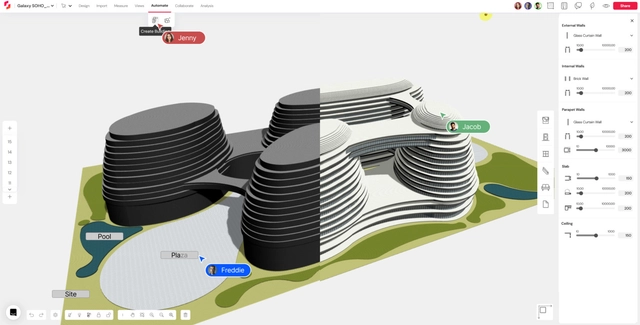
In the ever-changing world of design and construction, the tools at architects’ disposal have remained the same for decades. With its ability to deeply understand how architects design, Snaptrude has emerged as a collaborative 3D building design tool that incorporates smart, parametric modeling, live building information, easy real-time collaboration, and offers strong interoperability with other BIM tools like Revit.
By analyzing its wide variety of features, we showcase how Snaptrude empowers the design process to operate faster, smarter, and more collaboratively.
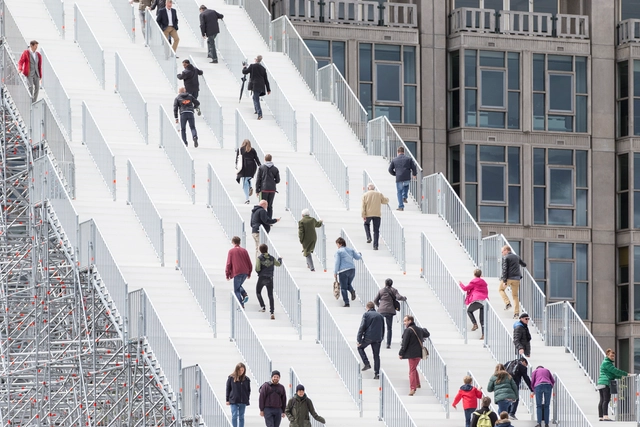
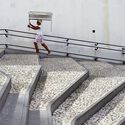
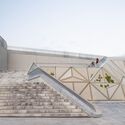
Staircases facilitate transit and movement within cities, influencing how communities interact and navigate their urban surroundings. Despite often going unnoticed within the cityscape, these staircases are significant witnesses to history. Beyond their architectural function, they are essential connectors, providing spaces where the pulse of urban life unfolds. Amidst buildings, hills, slopes, and bustling streets, staircases emerge as dynamic stages for movements, encounters, and disconnections, intertwining with the narratives embedded in each step.
This article was originally published on Common Edge.
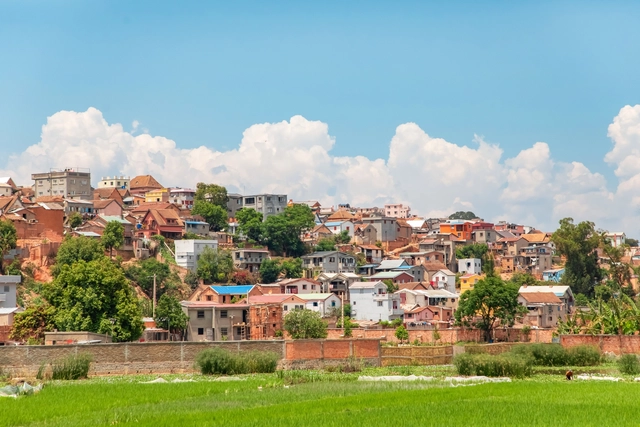
Madagascar is an island nation off the southeast coast of Africa that, despite its lush vegetation and unique flora and fauna, grapples with formidable environmental challenges, from rising sea levels to the excessive exploitation of natural resources. Joan Razafimaharo is an architect deeply involved in sustainability, climate change, and adaptation efforts in Madagascar and the broader Indian Ocean region. Razafimaharo is also one of only about sixty architects in the country, serving a population of 28 million.
Recently I spoke to her about environmental activism in the face of climate change, curbing the exploitation of natural resources, the role of architects in resource-scarce societies, and empowering women in isolated areas. The interview, originally conducted in French, has been translated and edited for length and clarity.


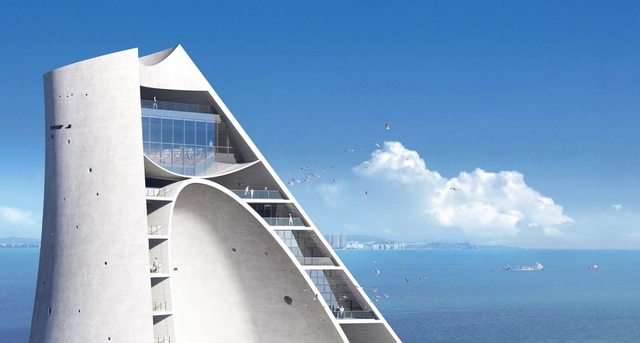
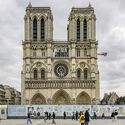
As the year 2023 comes to a close, we review the evolution of the field of architecture, but we also look forward to the most anticipated projects planned to open in 2024. As Paris is preparing to host the 2024 Summer Olympic Games, several projects and infrastructure updates have been planned to support the global event. Another milestone for Paris will be the reopening of the Notre Dame Cathedral, as reconstruction works near completion for the fire-damaged 12th-century monument.
The selection of projects spans various scales and programs, from restoration and expansion works such as OMA's plan for Museo Egizio in Turin, or David CHipperfield's Grand Residential Building in Belgium, to architecture developed with indigenous peoples, such as Snøhetta's Čoarvemátta in Northern Norway, cultural facilities in Asia and Europe and environmentally-conscious buildings such as Studio Gang's Hotel in the United States.
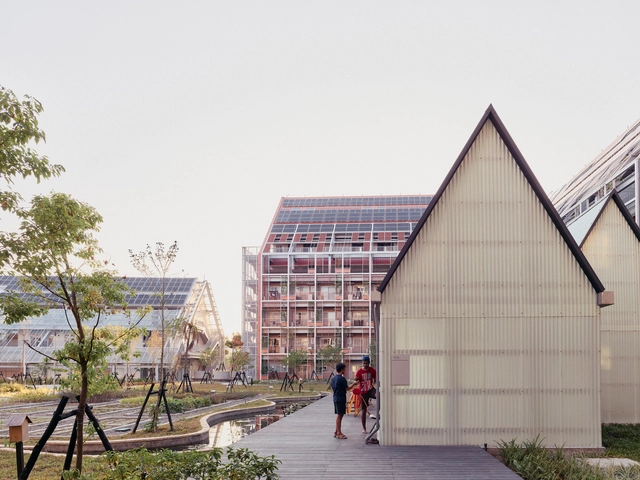
If the past few years were a perfect occasion for reflecting and debating on well-being, digitalization, and democratization in architectural design, this 2023 has been a tremendous opportunity to delve deeper and comment on other urgent topics: The climate crisis and the natural environment have unquestionably entered the global agenda of architecture and construction, alongside circularity, energy efficiency, and decarbonization. It's time to engage in dialogue about these matters to conscientiously build for the future.
Reviewing the future of wood, water, and lighting, in each of the related topics that ArchDaily developed month by month, we posed an open question for you - our dear readers - to actively contribute with your experiences and knowledge. After reading and compiling an immense amount of received messages, from construction professionals to students and architecture enthusiasts, it's time to present you with a summary of the main perspectives. Many thanks for your opinions, and we look forward to your comments for 2024!
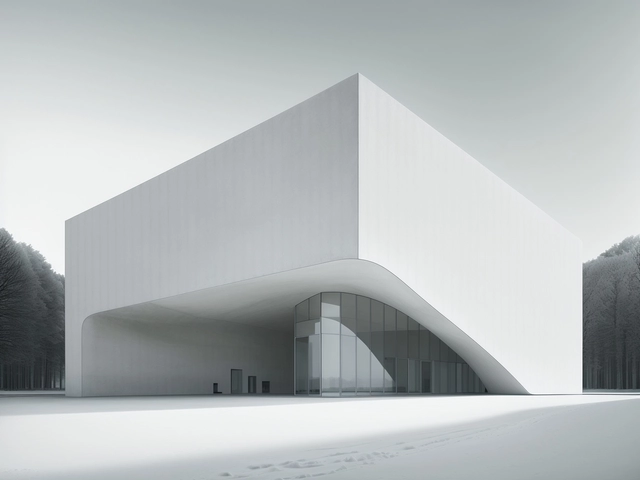
Nowadays, architectural work is closely linked to technology and the advances that emerge in this field. In that sense, various aspects of artificial intelligence have been widely discussed. The reality is that, rather than plunging into a competition of capabilities between Architects vs AI, —with nuances that could evoke some aspects of the ideology of 19th-century English Luddites— advances in this field can be seen as tools to optimize processes and open new perspectives within the profession.
In this context, architecture often spans various stages, from early phases where data decisively shapes built environments to later ones where generative design tools for spaces play a fundamental role in spatial configuration. In this process, visualization plays the crucial role of graphically understanding the expression of what is being designed. Thus, iterating on the visualization and evaluating each of the results is vital not only to express ideas but also to use those visualizations to interpret aesthetic elements.
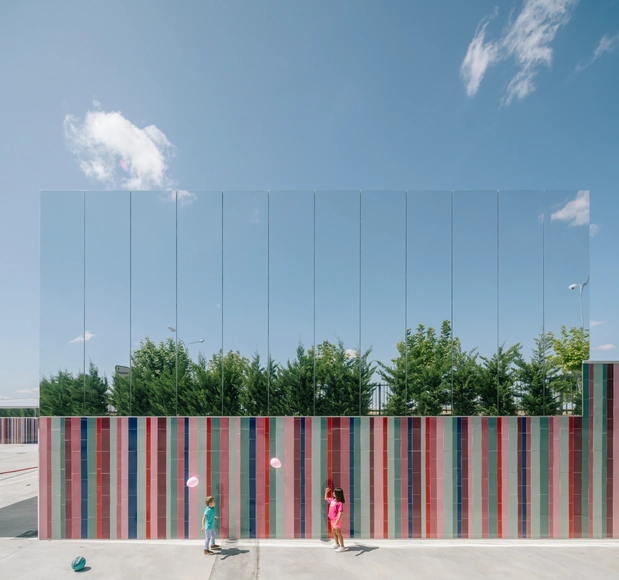
The referential of movement, which describes the variation in an object's position and velocity according to the observer's perspective, is one of the fundamental concepts of physics. This idea not only influences the understanding of movement in physical systems but can also be analogously applied in other areas, such as architecture, where the different perspectives of users can shape their experiences and interactions with built space. Each person brings cultural, emotional, and physical baggage, resulting in unique architectural interactions, similar to an observer's interpretation of a motion reference.
The academic world has much to contribute to the field of architecture and urbanism. Its research and proposals foster inspiring visions, new materials, and concepts, sparking essential debates on how we perceive, occupy, and design the built environment. Across their entire spectrum, final graduation projects offer students an opportunity to put forward a final proposal before earning their degree, addressing diverse themes and touching upon urgent issues. Consequently, we host an annual call for submissions open to all Portuguese-speaking countries to present a panorama of outstanding projects that help us reflect on the past year and look to the future.
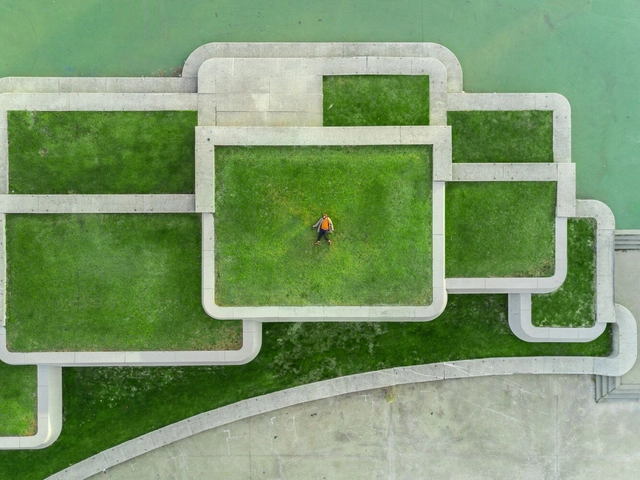
2023 witnessed major conflicts and political crises, catastrophic natural disasters, and global turmoil. It has also seen the decline in the severity of the COVID-19 pandemic, the continuous rise of generative AI models, as well as the emergence of India as the world's most populous country, surpassing China. 2023 has also sparked worldwide discussions in the architectural realm. The 18th International Architecture Exhibition – La Biennale di Venezia challenged its audience to think in a different, more empathetic way, taking a broader perspective on architecture and shifting its focus towards the discipline rather than just the profession. This shift also created space for voices and discussions often overlooked in global exhibitions. The 2023 Sharjah Architecture Triennial celebrated everything that exists, especially in the global south where places thrive amidst scarcity. The main themes of the year centered on decarbonizing the built environment, resources and production, traditional materials and know-how, consumer culture and waste, as well as decolonization, local narratives, and identities, among others.
ArchDaily has closely followed all these stories, consistently examining them through an urban and architectural lens to address global issues. Aligned with our commitment to "empowering everyone involved in shaping architecture to enhance the quality of life," the 2023 ArchDaily's Best Articles selection showcases a broad spectrum of current topics.
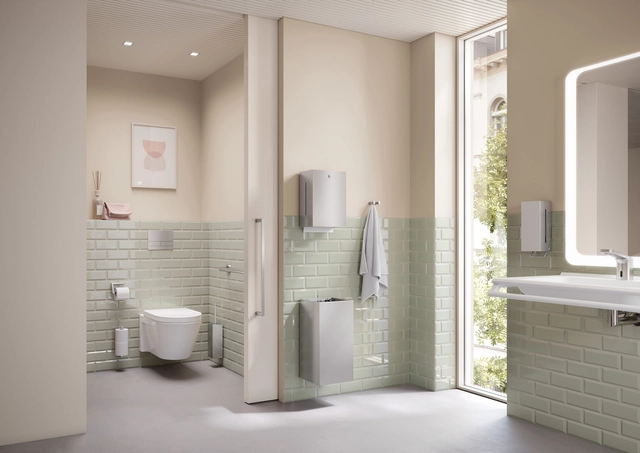
The world's population is undergoing a significant demographic transformation, with an increasingly larger portion of people reaching older ages. This has prompted governments to implement public policies aimed at promoting the well-being of the growing number of elderly individuals worldwide. Alongside this trend, there is a need to address special needs that extend beyond just the elderly population and encompass various age groups. Advancements in medical science have enabled many people with disabilities or special needs to lead fuller and more independent lives, contributing to a more inclusive society. This progress also places a crucial responsibility on architects and designers, who must create built environments that are genuinely inclusive, and capable of accommodating a wide diversity of individuals with specific medical needs and varying levels of mobility. This underscores the fundamental importance of universal design and accessibility principles.
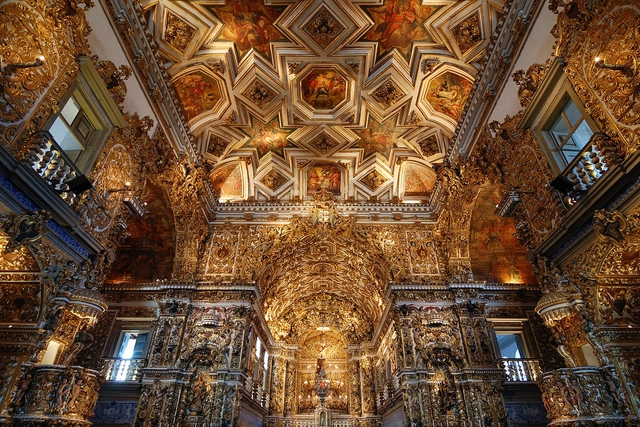
In the study of architectural history, one noticeable pattern is the apparent oscillation between different styles and languages. When a more restrained trend dominates, the subsequent one often reverts to more ornate motifs, and vice versa. It's crucial to acknowledge that this perceived 'flow' is only an impression; historical reality is invariably more intricate than records suggest, and the dominance of one style over another is an interpretation made by historians looking back from a future perspective. The Baroque style is a notable example of this phenomenon.
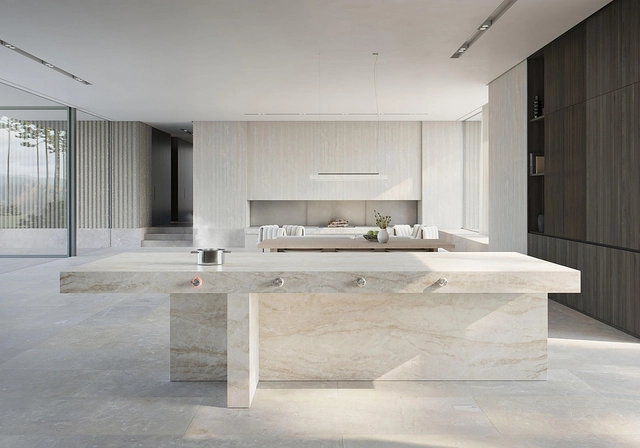
Following evolving lifestyle trends and technological innovations, contemporary architecture often enhances the design of kitchens to fulfill multifaceted and dynamic roles. By incorporating smart and automated systems and creating flexible, adaptable spaces with minimalist and clean lines, kitchens embody the essence of contemporary life.
Based on technological advances, a clear design language and functionality, Gaggenau’s innovative home appliances evolve in harmony with changing lifestyles. Among their solutions, the Essential Induction cooktop seamlessly integrates into the kitchen’s worktop, providing flexibility and cutting-edge design for culinary enthusiasts.