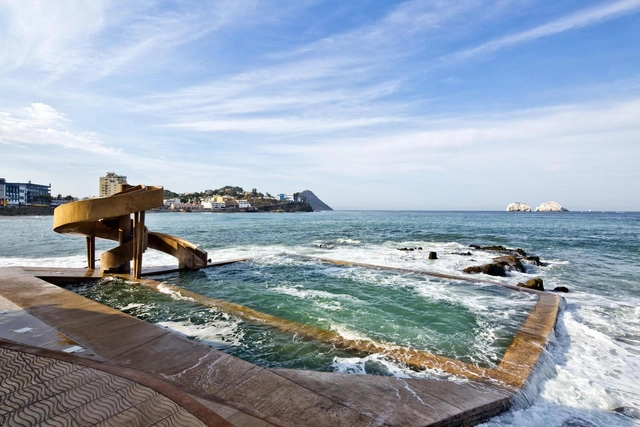
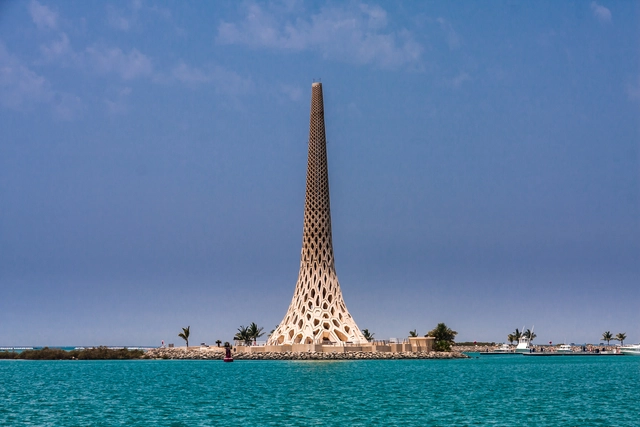
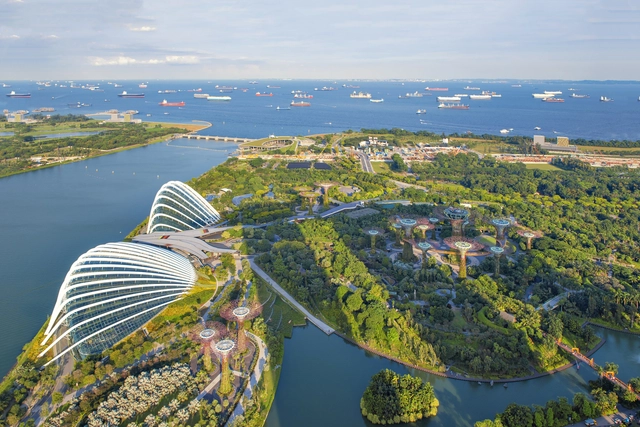
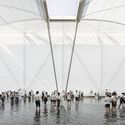
June 8th was World Oceans Day 2023, which brought the theme 'Ocean Planet: Tides are Changing'. The purpose of the United Nations was to generate a "new wave of enthusiasm for caring and protecting the ocean and the entirety of our blue planet."
A new opportunity to reflect on the importance of preserving these vast aquatic ecosystems that cover more than 70% of the Earth's surface - and an opportunity to reflect on how architecture can contribute to their protection and conservation through the design of resilient coastal infrastructure, the development of marine energy technologies, sustainable design of coastal buildings, and regeneration of marine ecosystems.
An arid environment refers to specific regions characterized by a severe lack of available water and extremely dry weather conditions. More specifically, arid regions by definition, receive less than 25 centimeters of rain per year. In the immense vastness of arid environments, where extreme climates present significant challenges, the role of water in architecture takes on a new dimension.
For centuries, architects and designers dealing with harsh desert landscapes and the vital necessity of water have invented techniques, technologies, and new structures. Moreover, many creative approaches have been created to harness, collect, and cool water in arid environments.
A trusted go-to for architects and interior designers, Buster + Punch’s hardware and fittings now feature in the smartest homes and hotels, Michelin-starred restaurants and concert halls. Image Courtesy of Buster + Punch
In 2013, home fashion label Buster + Punch emerged from a garage in East London, with a refreshing stance on everyday detailing and fittings that elevated them into desirable and trendy pieces.
The brand’s founder Massimo Buster Minale was renowned for his work as an architect by day and maker of custom motorcycles by night – the latter sold from the garage a few hundred yards from his London flat. His motorcycle clients began commissioning one-off interior pieces and detailing for their homes. Minale had always struggled to find premium hardware and fittings for his architecture projects for Richard Rogers and Foster & Partners and now saw a clear gap in the market.
The university campus has a distinctive spatial typology. Established as a micro-city, these self-contained environments are subject to their ownrules and systems. They are designed as a deviation from the cities that host it to allow for the growth and proliferation of knowledge outside the status-quo. Centered around the transfer of information, academic centers are becoming increasingly relevant to urbanism. Campuses and their host cities evolve to mimic each other's structure, forming opportunities for urban renewal.
Land reclamation from the sea has become a popular phenomenon in coastal development. It is the most preferred solution to the need for land in coastal areas and has been implemented for various use cases, including flood control and agriculture. Nowadays, it has become a famous urban response to the rapid increase in coastal urbanization, economic activity, and global population. Countries like China and the Netherlands lead the chart on the amount of land area reclaimed. However, most reclamation projects today take place within urban centers in the global south. Cities in West Africa, East Asia, and the Middle East produce these new lands as economic forerunners for their commercial industry and as platforms to house luxury residences.
But the relationship between the design and production of reclaimed lands and the response of water in ocean environments is complex. It requires a symbiotic relationship with water bodies for stability but can provoke natural forces when negligently imposed on the sea. Ocean water behaviors, including tidal accumulation, sea level rise, connection to wetlands, and aquatic biodiversity, can question the success or failure of land reclamation projects in different contexts.
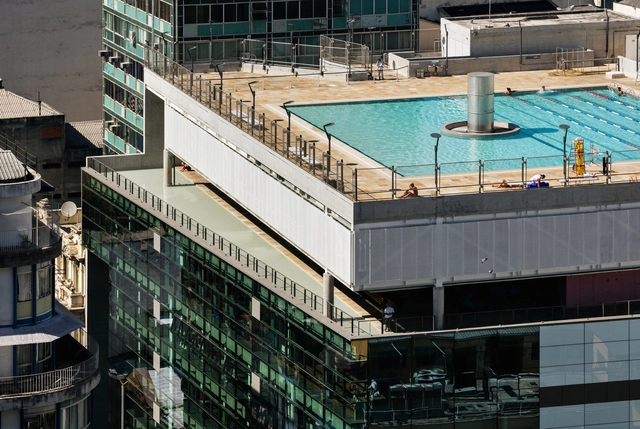
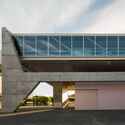
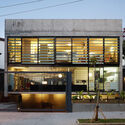
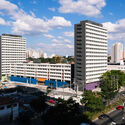
With a broad and diversified portfolio in terms of typologies, scales, and project locations, MMBB Arquitetos is a versatile office with multiple activities. Founded in 1991 in the city of São Paulo, the office is currently composed of Maria João Figueiredo, Marta Moreira, and Milton Braga, and over the more than three decades of its operation, it has had among its partners Angelo Bucci, Vinicius Gorgati, and Fernando de Mello Franco, in addition to having carried out several partnerships with Paulo Mendes da Rocha.
How did we end up building an environment where the private car is often treated better than many of our fellow human beings? In the U.S., the center of car culture, parking is expected to be convenient, available, and free, writes Henry Grabar in his engaging and entertaining new book, Paved Paradise: How Parking Explains the World (Penguin Press). Parking consumes vast amounts of land; in Los Angeles County, for example, it totals about 200 square miles. In New York City alone, there are 3 million curb parking spaces (not counting parking garages), which account for 6% of the city’s area—the equivalent of 13 Central Parks! Grabar asks: What better use could we make of this space? A 2021 study revealed that if New York reclaimed just a quarter of the street space allotted to cars, the following could be created: 500 miles of bus lanes; 40 miles of busways; 38 million square feet of community space; 1,000 miles of open streets; 3 million square feet of new pedestrian space; and 5.4 million additional square feet for restaurants, businesses, and cultural institutions.
https://www.archdaily.com/1002504/why-does-america-provide-more-space-for-storing-cars-than-housing-peopleMichael J. Crosbie
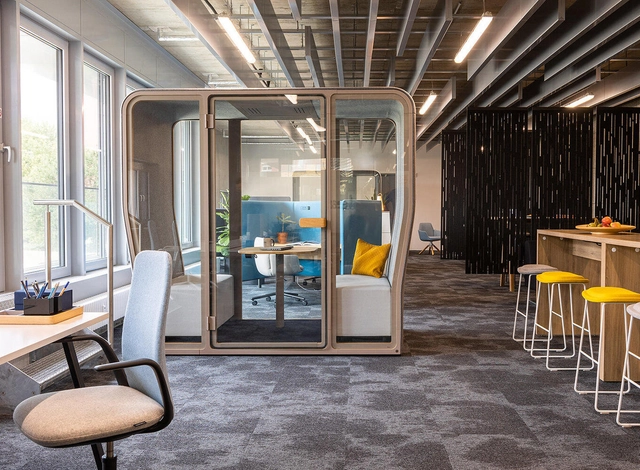
Neuro-diverse individuals might have sensitivity to light, colour or sound. It is important that flexibility is factored into an office design, with booths for quiet work and lighting options. Image Courtesy of Haworth
Global office furniture brand Haworth's concept of inclusion stretches well beyond simply accommodating disabilities, rather it involves a far-reaching philosophy that puts the well-being of all users in primary focus.
https://www.archdaily.com/1002463/making-workspaces-inclusive-through-designEmma Moore
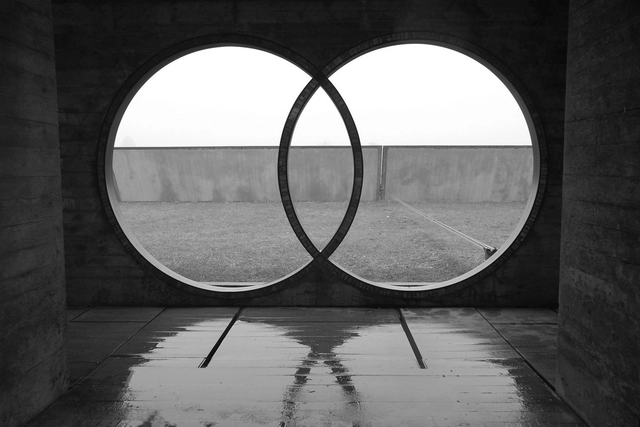
Even as a child, the Venetian architect Carlo Scarpa was very aware of the fundamental element that would describe and underpin his work many years later: water. When he played and ran around the maze of streets and canals, Scarpa listened to everything around him, especially the richness of stimuli that his hometown offered him. A sensitive reader of places, he found his great text in Venice. This culture, subtle and almost academic, except for that devotion to scenography and the esoteric, is built over time; art, space, history, all compiled in his readings, trips to knowledge, and in his contact with artists and writers.
Scarpa would base his evolution as an architect on his extraordinary visual culture and his respect for tradition and the way of doing things in past eras; taking up the baton of that time and converting his reality into architectural space where all the pieces are independent units, dialoguing with each other or, as he liked to say, singing. He positions himself before what exists, whether it be an artistic piece or architectural space, from knowledge and sensitivity. He will apprehend the history and place in which it occurs and accentuate the existing beauty in things, showing the prominence of the new as a precious element.
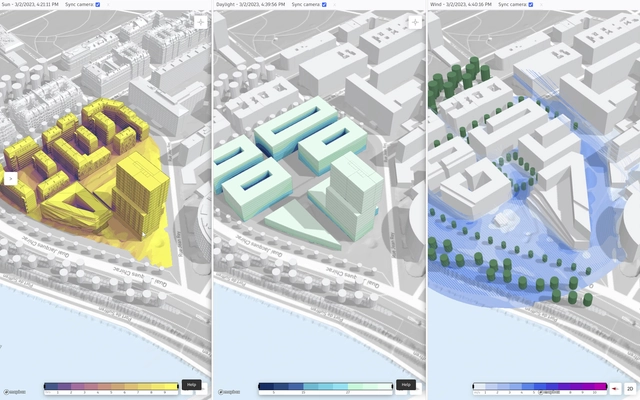
Proposal Comparison, Autodesk Forma. Image Courtesy of Autodesk
The architecture profession is increasingly facing the pressures of a rapidly changing era marked by urbanization, population growth, and climate change. To effectively navigate the complexities surrounding architectural and urban projects, there has been an acceleration in the adoption and integration of data-driven technologies such as Artificial Intelligence (AI) and machine learning. However, valid concerns have risen regarding the potential loss of the designer's creative control, with fears that their role may be reduced to a mere "parameter adjuster." Is this a genuine possibility or merely a reflection of resistance to change?
In a conversation with Carl Christensen, Autodesk's Vice President of Product, we delve into the impact of AI on the traditional role of the architect and explore the opportunities that arise with these technological advances. As paradigms shift, forward-thinking architects and designers could find themselves especially empowered to expand their influence and shape a new future for the discipline.
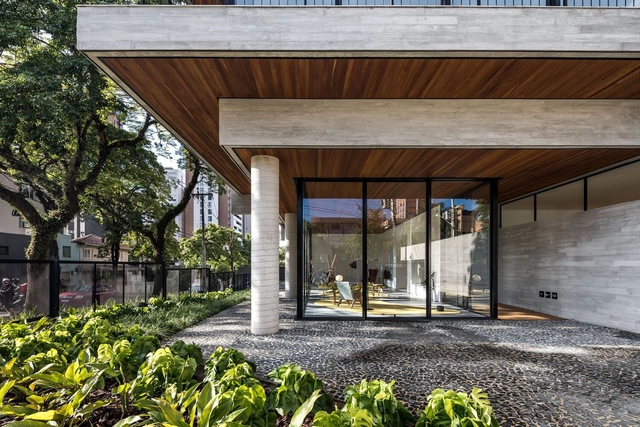
When designing buildings, attention often focuses on residential units, prioritizing apartment comfort and functionality. However, it is equally important to consider common areas, which play a fundamental role in residents' quality of life and in building a community that shares the same space. In addition to their social benefits, these communal spaces can also play a significant role in promoting sustainability and user well-being. After all, the integration of green areas and spaces dedicated to leisure and sports reduces stress and provides new activities for residents.
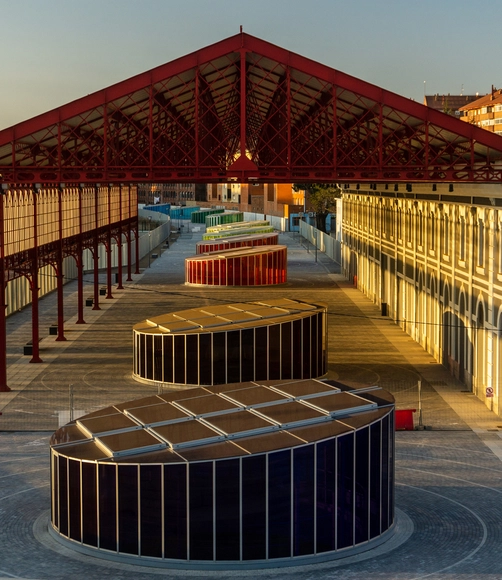
Light and color are intrinsically linked, as color cannot exist without the presence of light. In 1665, Isaac Newton made a momentous discovery when he observed that white light breaks down into different colors as it passes through a prism, creating a spectrum. This discovery laid the foundation for understanding the nature of light and developing color theory, which had a significant impact not only in the scientific field but also in artistic disciplines such as painting, photography and architecture.
https://www.archdaily.com/1001361/laminated-glass-skylights-infused-with-vibrant-colors-the-kaleidoscopic-stationEnrique Tovar
When asked about his memories of the house where he spent part of his childhood, Finnish architect Juhani Pallasmaa says that more than sight, his memories are based on the smell of the house. According to him, each house has its own smell, which we do not always perceive when we are in it, but immediately recognize upon returning.
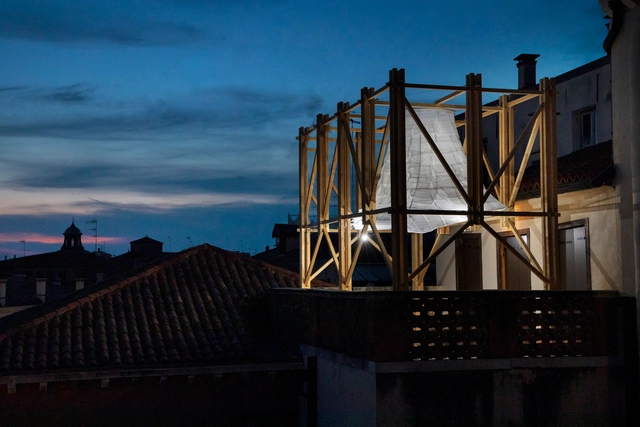
In parallel to this year's Venice Architecture Biennale, The European Cultural Centre (ECC) presented the sixth edition of its extensive architecture exhibition titled Time Space Existence. The 2023 iteration of the group show draws attention to expressions of sustainability in its numerous forms, ranging from a focus on the environment and urban landscape to the unfolding conversations on innovation, reuse, community, and inclusion. A total of 217 projects by established participants like Snøhetta or MADWORKSHOP and emerging players such as Urban Radicals or ACTA are currently on show through the 26th of November, 2023, at Venice's Palazzo Bembo, Palazzo Mora, and Marinaressa Gardens.
In response to climate change, the installations on show investigate new technologies and construction methods that reduce energy consumption through circular design and develop innovative, organic, and recycled building materials. Participants also address social justice by presenting living solutions envisioned for displaced communities and minorities, while others examine the tensions between the built urban environment and the nature surrounding it to identify opportunities for coexistence.
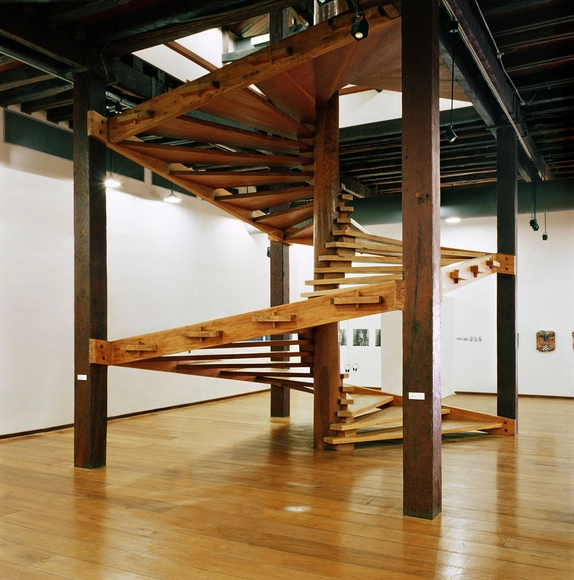
The Unhão complex, constructed in Salvador, Brazil in the 17th century, consisted of a sugar mill with a big house, chapel, and slave quarters. At the time, Salvador was one of the largest and most important Brazilian cities, and its port was the site of a large portion of the Portuguese colony's sugar exports, an economy fueled primarily by slave labor. The ensemble drew the attention of Italian-Brazilian architect Lina Bo Bardi at her first visit in 1958, during which she spent some years working and teaching in the city. Following Bo Bardi's decisive contributions, the buildings were restored and became the new home of the Museum of Popular Art and the Popular University. But within the whole complex, the element that draws the most attention for its plasticity, functionality, and symbolism is the helical wooden staircase.
Already known to be a great tool for experiencing a building before it’s built, real-time visualization also serves as an excellent means to understand the history of buildings that no longer exist.
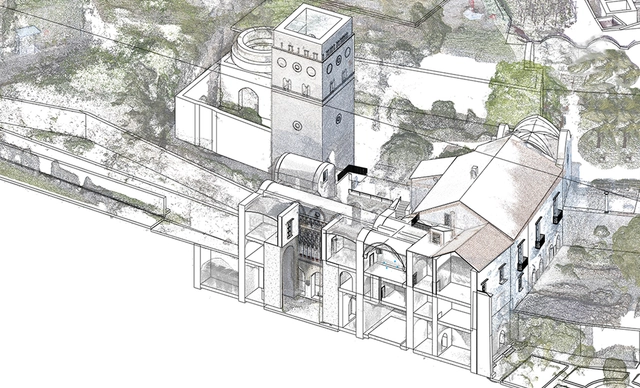
Here’s how two researchers from the University of Salerno (UNISA) retraced thousands of years of existence and unveiled the rich past of Villa Rufolo with the help of real-time visualization.
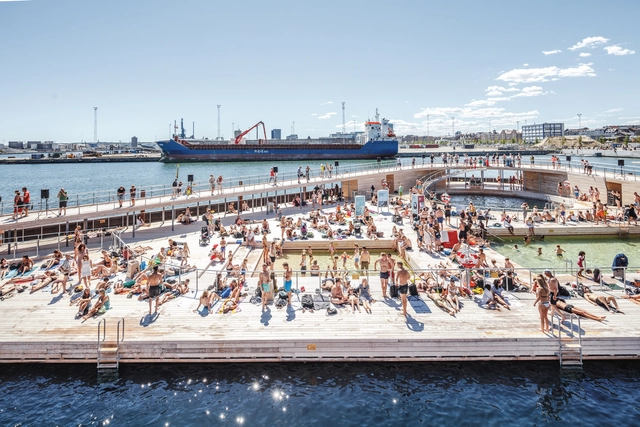
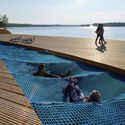
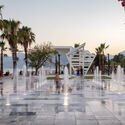
The redevelopment of maritime and riverfront areas is a crucial element in the transformation of many urban areas, providing a series of significant benefits for cities and their inhabitants. The presence of water, whether in rivers, lakes or seas, has historically played a fundamental role in the formation and development of many cities, intimately related to their dynamics. This relationship has changed and presented itself in different ways over time, and these spaces have often been neglected in numerous ways, particularly by a certain type of urban planning that disregarded their potential in favor of other imperatives, such as road transport and industrial equipment.
I always consider myself fortunate to have grown up outside the city, where my ‘cross-country’ lessons, for example –national right of hardship for 11-16-year-olds– were through the actual countryside rather than the high street. For many children, however, modern school life is not so close to nature.
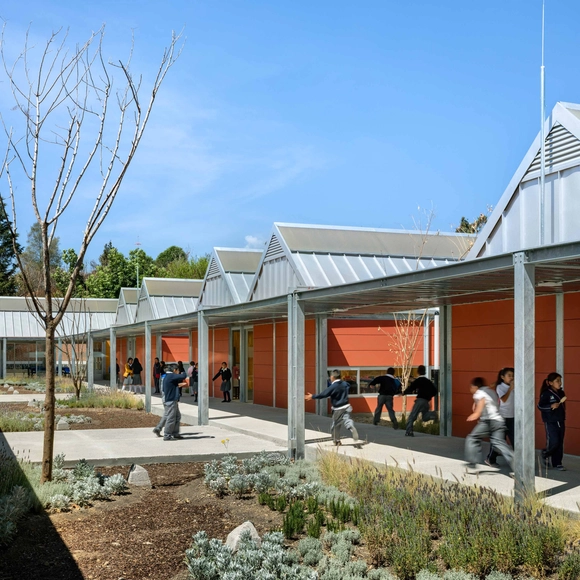
Already over-populated cities are continuing to expand, meaning more schools are suffering from the limitations presented by inner-city architecture including noise, air, and light pollution; a lack of space, especially green space; restrictive budgets and building regulations resistant to change.
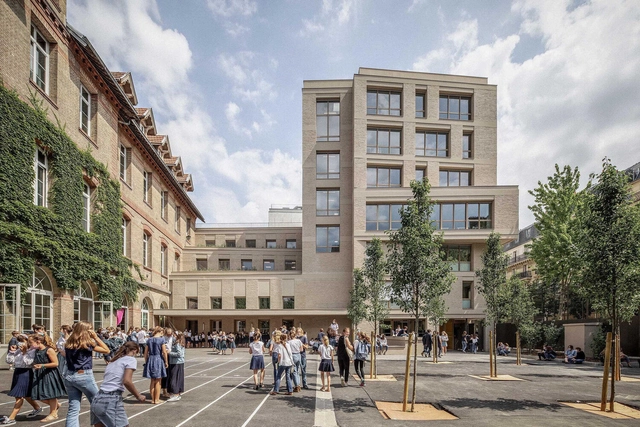
With innovative and considered design solutions, however, these four inner-city schools show the rest of the class how to work through their architectural answers and provide quality, green spaces for all.
Concrete, second only to water, is the most consumed material worldwide due to its structural strength, ease of handling, and versatility. Comprised of cement, sand, gravel, and water, it is extensively used in construction projects of various scales. However, even this resilient material can deteriorate over time, necessitating maintenance or, in severe cases, demolition. Abrasion and erosion are factors that can adversely affect the appearance of concrete, remove its protective layer, create a rough surface, and potentially lead to structural issues. These challenges are particularly critical in large and complex construction sites, where any irregularities or unevenness can result in significant losses and complications for architects, engineers, and contractors.
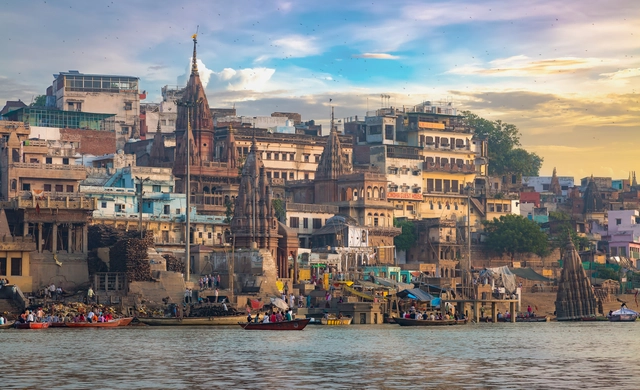
Water, with its religious connotations as a symbol of purification and life, holds great significance in many cultures. Nowhere is this respect for water more evident than in India, a country that reveres its rivers as holy. Water bodies serve as a testament to the veneration and use of water in religious rituals, embodying cultural heritage as public spaces, ritual sites, and places for cremation. Central to daily life in India, water and water architecture intertwine spirituality, and cultural traditions, offering a glimpse into the rich traditions of communities.
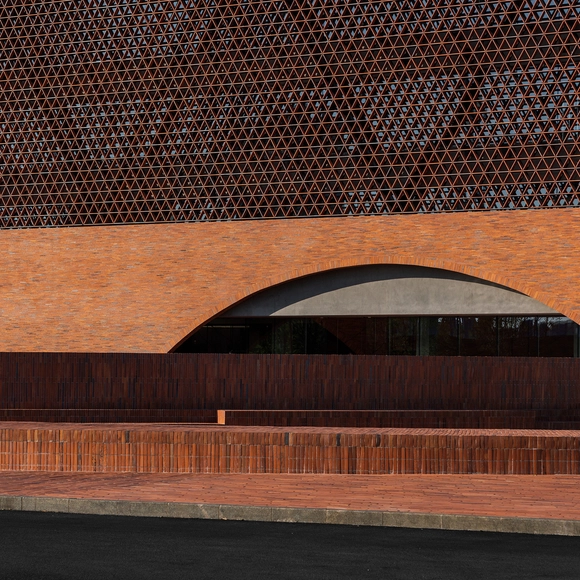
Tic Art Exhibition Center / Ann Yu. Image: Ann Yu, 2022. Image Courtesy of A' Design Award
As a designer, it can be difficult to find one's way through the many awards and competitions that currently exist. One award, however, offers a one-stop solution to honor designers, architects and design-oriented companies, anywhere in the world, and with global recognition and publicity. The A' Design Award is an international, juried design competition that spans over 100 categories, from Furniture Design, Architecture, Building and Structure Design, to Landscape Planning and Garden Design, and Bathroom Furniture and Sanitary Ware Design.
Old and compartmentalized plants, small openings, and lower floors receive scarce natural light. Improving natural lighting in an apartment can be challenging. However, some strategies can help maximize light entry into interiors and bring benefits such as comfort, spaciousness, well-being, and energy savings.
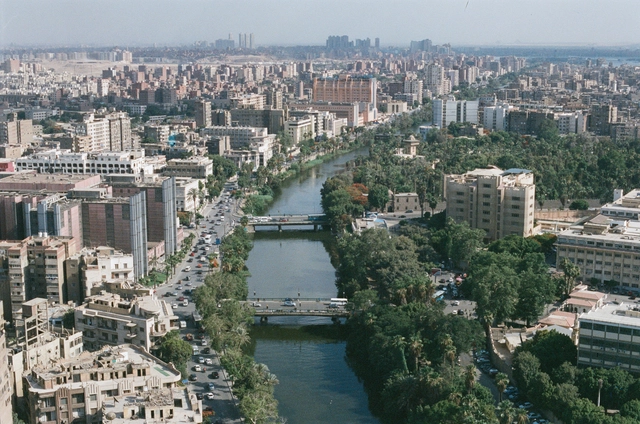
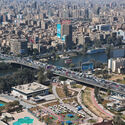
In the center of Cairo, The Nile River, one of the world's most iconic waterways, has shaped the course of civilization for thousands of years. Serving as a vibrant lifeline, connecting neighborhoods, and providing a bustling hub for transportation, the Nile River is an essential natural resource for arid Cairo. Throughout the country’s history, it has often been regarded as the source of life in fertility in its annual flooding, bringing richness to the surrounding lands. Interestingly, this year's edition of La Biennale di Venezia, the Pavilion of Egypt "NiLab" focused on exploring this layered water source and unfolding its effects on the built environment.
On January 24th, the fifth edition of the 'International Education Day' was celebrated under the slogan "Invest in people, prioritize education". Proclaimed by the United Nations General Assembly, it promotes a strong political mobilization seeking to chart the way and accelerate progress towards the 4th Sustainable Development Goal: Quality Education.