Contemporary family living setups mean parents and grandparents in need of care, teenagers and young adults in need of independence, and homeowners in need of the financial security of a guaranteed passive income are all finding themselves in the same situation, and under the same roof. With little extra space to move into, and few options in an increasingly squeezed housing market to move out to, the simple solution is just to add another roof.
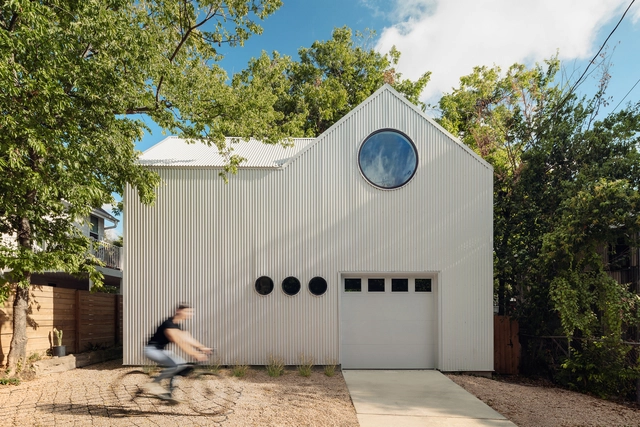
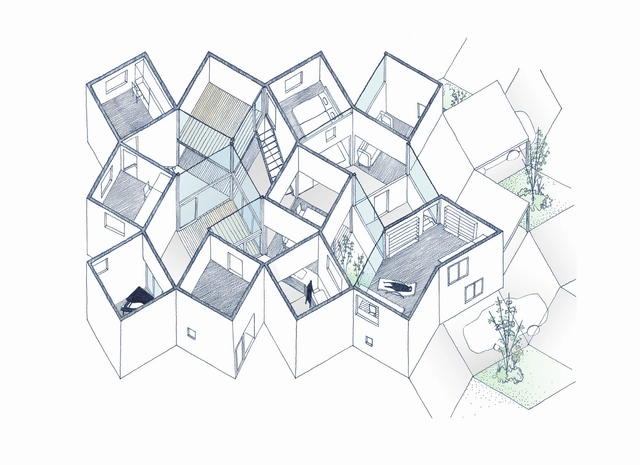
For those in the market for more functional floorspace, detached single-story ADUs (accessory dwelling units) are a simple way to boost a home’s usability fast, while avoiding the regulatory wranglings inherent in more complex structural adaptations.
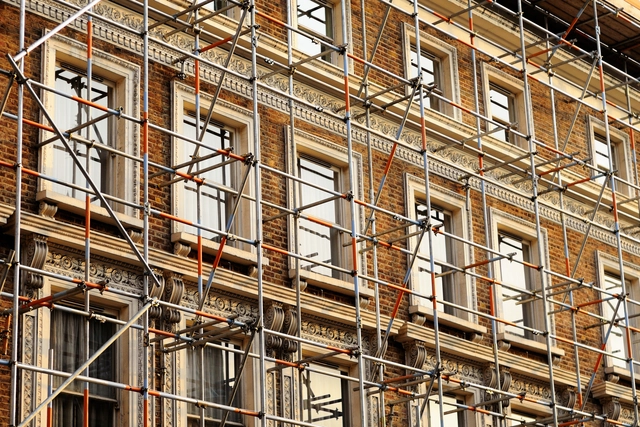
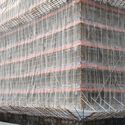
As one takes a visual tour through the city, one might spot structures that break the rhythm of finished architectural products. These are buildings encased in grids of metal or wooden sections, sometimes wrapped in colored nets, that communicate a moment of construction, repair, renovation, or demolition. They are called scaffolding systems, temporary structures built in the city to aid in the erection or maintenance of buildings. However, they have evolved to speak their own architectural language. As city-making is a continuous process, scaffolds serve as beacons, proposing silhouettes of the height, shape, or forms of new buildings. They step into the sidewalks, acting as shade or obstructions to the flow of human and vehicular traffic. In contrast to the permanence of architecture, they exhibit a sense of temporality that helps communicate time, the growth of neighborhoods, and the evolution of a city.
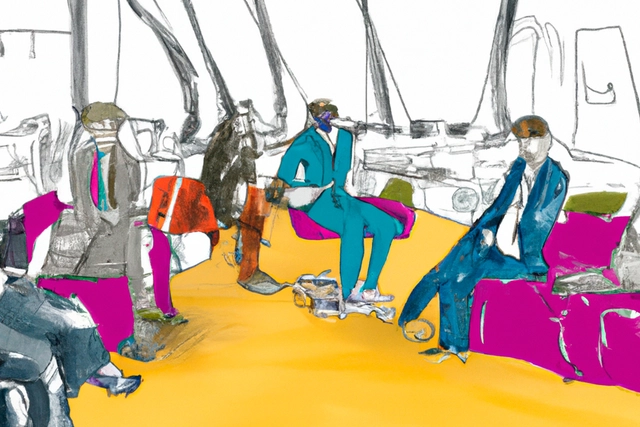
Image created in DALL-E by Lucas Reitz under the prompt: "an illustration of shopping mall sitting and waiting areas with couches and arm chair only occupied by white middle class men"
Space as a gender adjacency and sexuality's spatial dimension are recent themes in architecture. The case of the bathroom as a gender-regulating device is a constantly discussed topic at the intersections of queer theory in architecture. The discussion is even broader within LGBTQIA+ guidelines.
Recently, I resolved that I wasn’t going to be drawn into the silly posturing about how ChatGPT would take the jobs of every experienced architect on earth before 2030, but an intelligent post on this website by Geethanjali Raman and Mohik Acharya broke that resolve. What isn’t being stressed is that algorithms that sample internet-based information are only as good as the quality of that information. Architectural history suggests that all new things have a shelf life, quickly fading from view after being hyped. Only the best will persist after a lengthy period of evaluation and criticism. Any new architecture widely praised and available since the rise of the internet is likely to be untested by time and thus not worth using as a benchmark. And let’s face it: Some of the worst buildings ever designed by humans are out there in cyberspace, crowding out better ones that haven’t yet been digitized.
https://www.archdaily.com/1003243/architects-must-resist-the-ai-revolutionMark Alan Hewitt
In this fifth feature, we met with co-chairs of design for Inclusivity architect Magda Mostafa, Professor of Design, Department of Architecture, the American University in Cairo and architect Ruth Baumeister, Associate Professor of Theory and History, Aarhus School of Architecture.
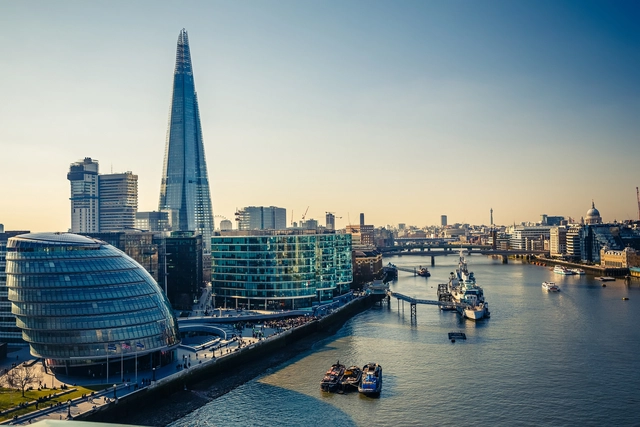
London’s architectural history is a rich tapestry that weaves together styles of various periods and influences. In the post-war era, the city experienced a surge in modern architecture, becoming a canvas for experimentation. New stylistic movements saw their expression crystalized through buildings such as Richard Rogers’ Lloyd’s Building, one of the most representative examples of High-Tech architecture, or the Barbican Estate, a large-scale housing estate that became the iconic structure for Brutalist architecture.
London’s contemporary architectural landscape continues to evolve, in part through the works of internationally-recognized architects such as Norman Foster, Zaha Hadid, and Thomas Heatherwick. This varied blend of styles, and ways of expression reflects the city’s ability to embrace architectural movements of global significance. As a center for innovation, London continues to attract established and emerging architects who shape its skyline and contribute to its international architectural discourse, with each new building offering a glimpse into the ever-changing nature of London’s urban fabric.
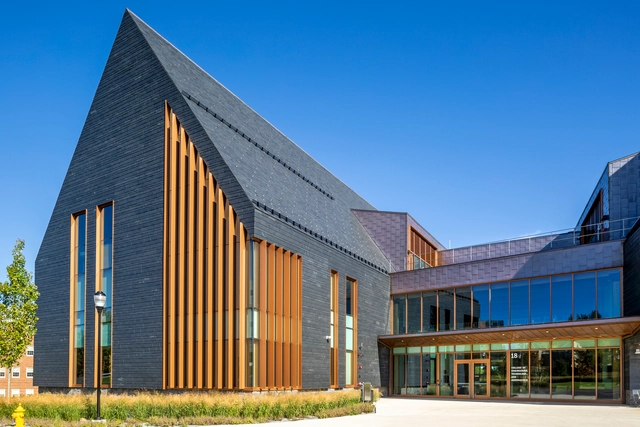
SNHU Innovation and Design Education Building / HGA. Image Courtesy of Cupa Pizarras
When designing architectural projects, protecting a building’s walls is key for ensuring its longevity, durability, and resistance to the elements, therefore preserving its aesthetic appeal. Among the protective measures available, cladding systems are exterior coverings that integrate varying textures, colors and finishes, allowing for customization and creative expression, while also providing weather resistance and thermal performance.
Exploring materials beyond traditional masonry cladding or commercial curtain wall systems, Cupa Pizarras has developed natural slate rainscreen facades. From linear to honeycomb patterns, these geometric facade layouts meet the requirements of current architectural trends, which demand more sustainable and energy-efficient buildings. The combination of high-durability tectonic slate with innovative fastening techniques, as well as the efficiency of rainscreen cladding, makes CUPACLAD a sustainable and aesthetically pleasing alternative for enhancing the LEED certification of projects.
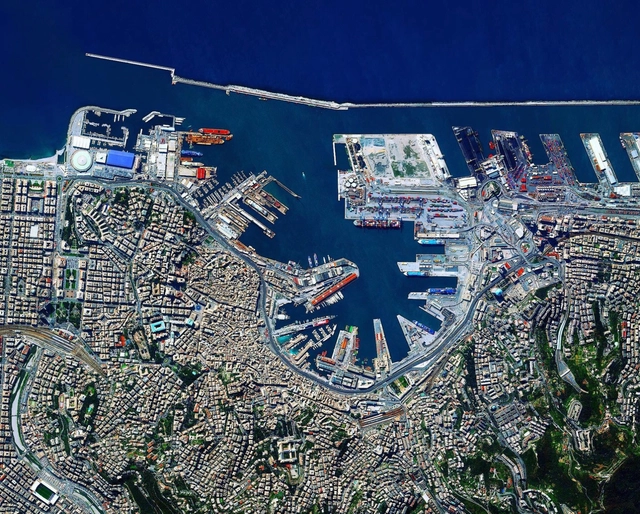
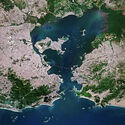
Genoa, Italy. Created by @dailyoverview. Image source: @maxartechnologies
The installation of commercial ports in various locations around the world, especially at the beginning of what we now call globalization, was a preponderant and structuring factor for the foundation of numerous cities. Thus, discussing the relationship between certain cities and their ports is also discussing their history, formation, and development over time, as these areas played a fundamental role in the growth of trade, the economy, and inevitably urban life, making these cities vital and strategic centers of cultural, commercial, and social exchange.
In architecture, drawing is a technical and artistic expression that involves creating visual representations using various analog instruments. While drawing remains relevant and current in practice today, efforts have been made to carry out architectural tasks and studies more efficiently. The drafting machine, a significant development in this regard, enabled precise strokes using fewer instruments. However, the emergence of computational tools, such as computer-aided drafting (CAD), has revolutionized the workflow by leveraging the advantages offered by computers. Architects can now play a more direct and creative role in the design process, reducing their reliance on time-consuming drawing and repetitive tasks. Moreover, workflow enhancements have fostered more effective collaboration among different stakeholders in the architectural process.
https://www.archdaily.com/1001757/generative-space-design-exploring-8-transformative-tools-in-architectureEnrique Tovar
The latest report from the UN’s climate panel states that the building industry accounts for 34% of global energy consumption and 37% of global CO2 emissions. As noted in the report: "The buildings and construction sector is not on track to achieve decarbonization by 2050." Dramatic numbers and rather depressing news. With this reality in mind, Danish window manufacturer VELUX recently set out to initiate a project to demonstrate that if the industry is willing to change, here and now, it’s possible. Together with their partners, Danish architect studio EFFEKT and engineer consultants Artelia, VELUX has built an experimental housing program called Living Places which exemplifies and proves that with current building technology and materials, a transition towards healthier and more sustainable living is already within reach.
India has witnessed a surge in urbanization and population growth. As a result of natural population growth and migration, the megacities of India have experienced a continual increase in their residents. Standing as the most populous country in the world, India is at a critical junction, grappling with opportunities and challenges in molding its built environment. Population boom, however, is not a recent predicament but a persistent one that has spanned over a century. How have Indian cities dealt with population growth and the complexities it brings?
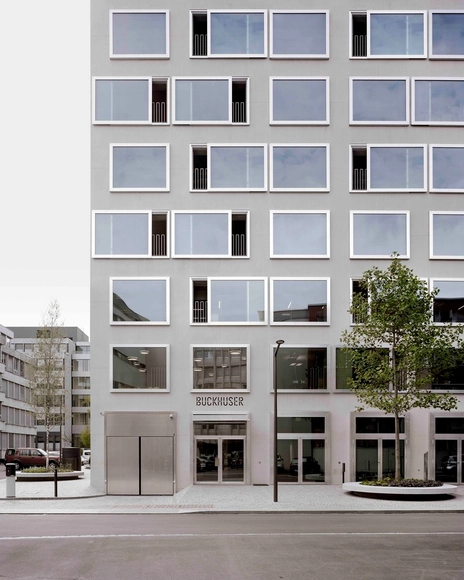
The selection of windows and doors plays a key role in the development of any architectural project, as it can significantly influence the final appearance of a building. A well-informed choice can convey values of modernity, craftsmanship, and elegance. On the other hand, inadequate specification can lead to problems such as air leakage, energy loss, and a less visually appealing aesthetic. It is also worth mentioning that windows and doors constitute a substantial part of a project's budget, which requires meticulous consideration. In this article, we examine four different residential projects, highlighting how their floor-to-ceiling glass sliding system effectively meets the needs of the residents and enhances their quality of life.
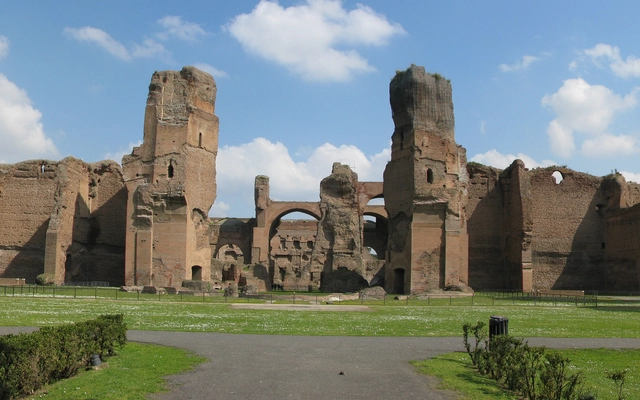
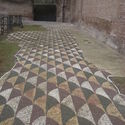
Within the canonical architecture, Vitruvius' treatises are the first treatises known. In addition to discussing the intellectual and cultural formation, interests, and sensitivity of the architect, or the "sacred" triad of architecture - venustas, firmitas, and utilitas (beauty, solidity, and functionality) - the treatise describes a design method, a kind of manual for Roman construction at the time. Complex and sophisticated, Roman architecture presented a variety of buildings with several functions. Among them were thermal baths, which did not escape Vitruvian prescriptions.
Under the titles of Optimism and Instability, this year’s global index score has returned to pre-Covid-19 days, highlighting that the world has fully recovered from the pandemic. Ranking living conditions in 173 cities based on stability, health care, culture and environment, education, and infrastructure, the survey suggests that nowadays, “life in cities is a bit better than at any time in the past 15 years”, although Stability scores dropped on average in 2023, due to worldwide clashes, political disruptions, social protests, inflation, and wars.
In a 2007 conference, Norman Foster stated: “As an architect you design for the present, with an awareness of the past, for a future which is essentially unknown." That talk was about the green agenda, which he termed the most important issue of the day, affirming that it is “not about fashion but about survival.” Admittedly, the rise in public interest in contemporary architecture that followed the creation of the Pritzker Prize in 1979 (Foster was the 1999 winner) has been focused on forms and personalities more than on substance. Philip Johnson, the first winner of the shiny award, made his view clear: “Architecture is art, nothing else.” Essays, magazines, and books have delighted in the foibles, verbal and sartorial, of celebrated architects, the hats, and eyeglasses of genius. Of course, figures like Frank Lloyd Wright and Le Corbusier did not wait for a prize to be famous, and it seems fitting that Wright’s literary alter-ego, Howard Roarke, would say: “Art is a selective re-creation of reality according to an artist’s metaphysical value judgments." The modern architect/artist as demiurge, responsible for fashioning and maintaining the universe: “…how like an Angel in apprehension, how like a God?”
Hansgrohe's Green Vision: Beyond Water. Image Courtesy of Hansgrohe
As a major current and future challenge, the climate crisis is defining the way architecture is adapting and designing the built environment. Today’s actions are key for the development of a sustainable and livable future, in which we need to adjust our behavior while responding to environmental changes. The two most critical changes are the water crisis and CO2 emissions, which have prompted calls for conserving water in an attempt to salvage the resources we still have and reduce our energy consumption required to heat the water. In terms of how this translates to architecture, making good use of natural resources is an essential part of a truly efficient design strategy, which can be incorporated with the creation of new spaces and innovative products in architecture projects.
Working towards the design of sustainable water management for a greener future, Hansgrohe Group has developed multiple faucets, showers and accessories that can save natural resources in bathroom design. As bathrooms are one of the areas that most consume water in homes and hotels, it is important to see them as key spaces to focus on for sustainability purposes.
Water and architecture are closely related in habitat design, encompassing both functional and aesthetic aspects. The best option is to take this into account from the beginning of the design process, as implementing appropriate technologies and systems will determine water consumption. Currently, it is our responsibility as professionals to think about how we can reduce and recycle water consumption within our own homes. There are various ways to address these needs, such as installing low-flow devices in faucets and showers, dual-flush toilets, and efficient irrigation systems for landscaping. In addition, rainwater collection and reuse systems can be implemented for irrigation or house cleaning, which contributes to its conservation.
Water scarcity is one of the most stressful situations that one could ever endure. And yet, in India, a country that holds 18% of the total world population with only 4% of its water resources, this is a recurring struggle with notable numbers of Indian households having to manage water scarcity on a daily basis.
The yearly water cycle is a tough one, ranging from one extreme to another. Harsh monsoons and flood seasons turn into insufferable droughts, making it increasingly difficult to control and retain water resources. While most large-scale actions focus on consequences to agricultural and production sectors, the result is also recognizable at an individual household level. Therefore cumulative small-scale actions are relevant gateways for citizens (? people, designers) to mitigate the issue.