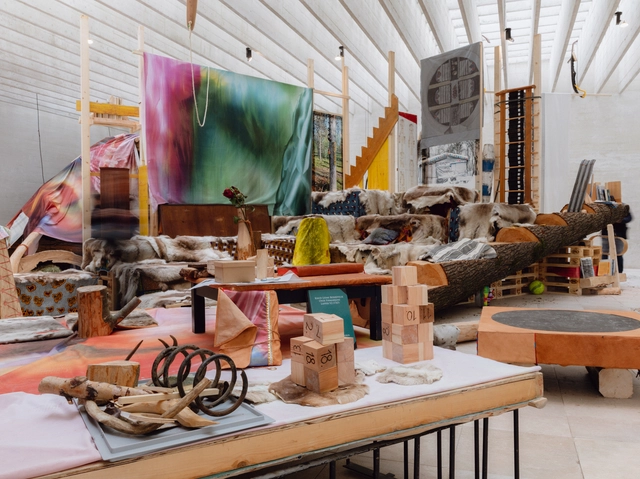
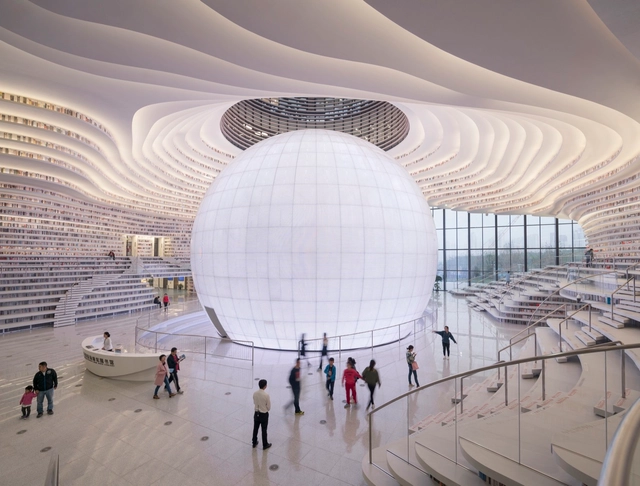
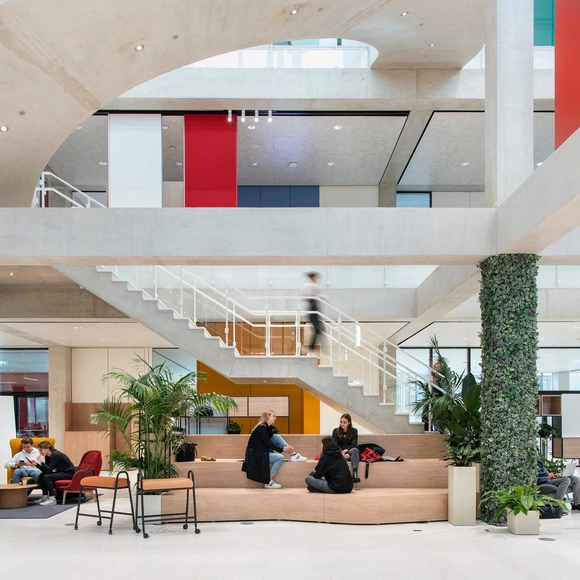
In light of the looming climate crisis and the pursuit of sustainability, the concepts of revival and reuse have emerged as crucial strategies in the quest for decarbonization in the architecture industry. These principles preach that creating new structures may be sustainable but encourage architects to minimize their ecological footprint by reactivating and recycling existing resources. This year specifically, innovative projects in line with these themes were displayed as part of the 18th International Architecture Exhibition – La Biennale di Venezia. This world-renowned event’s core purpose is to serve as a platform for architects, designers, and thinkers to collectively reimagine sustainability, decarbonization, resource conservation, and the industry's future.
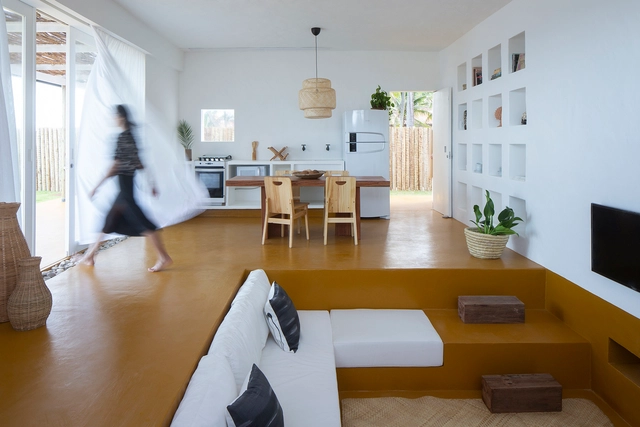
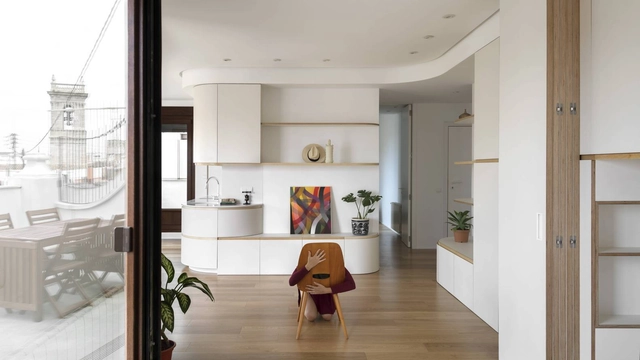
Implemented as a means to take full advantage of space, built-in furniture has grown in popularity as well as ingenuity as designers tackle the needs and tastes of a wide range of users. It's ability to adapt and integrate into architectural spaces allows it, through a variety of configurations and materials, to fulfill various functions; however, this poses an interesting question. Is it truly the furniture that adapts to our living spaces? Could it not itself become the protagonist and creator of the spaces that we project?
The Second Studio (formerly The Midnight Charette) is an explicit podcast about design, architecture, and the everyday. Hosted by Architects David Lee and Marina Bourderonnet, it features different creative professionals in unscripted conversations that allow for thoughtful takes and personal discussions.
A variety of subjects are covered with honesty and humor: some episodes are interviews, while others are tips for fellow designers, reviews of buildings and other projects, or casual explorations of everyday life and design. The Second Studio is also available on iTunes, Spotify, and YouTube.
This week David and Marina of FAME Architecture & Design discuss one of the ways they begin projects with new clients with their Project Starter Service. Embarking on a project can be daunting for those unfamiliar with the architecture, design, and construction industry. The initial onboarding phase—prior to the contract being awarded—also poses challenges for architects and professionals. In this episode, they discuss one way to have a smoother start for everyone that establishes a strong foundation for the project to build on.
https://www.archdaily.com/1007951/the-second-studio-podcast-overcoming-the-challenges-of-new-projectsThe Second Studio Podcast
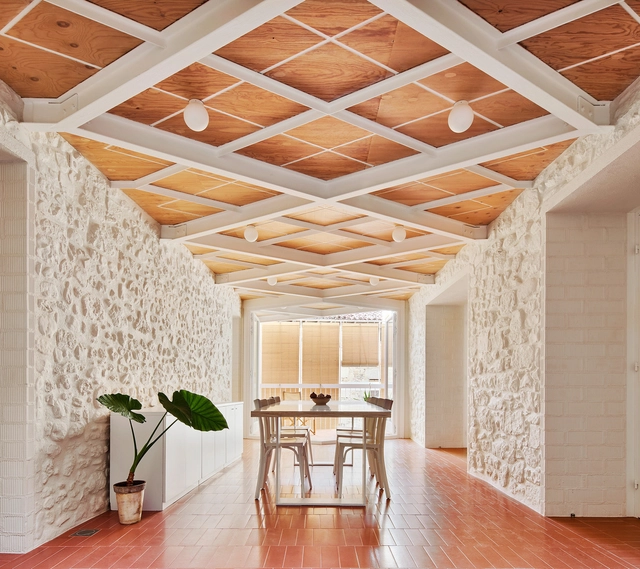
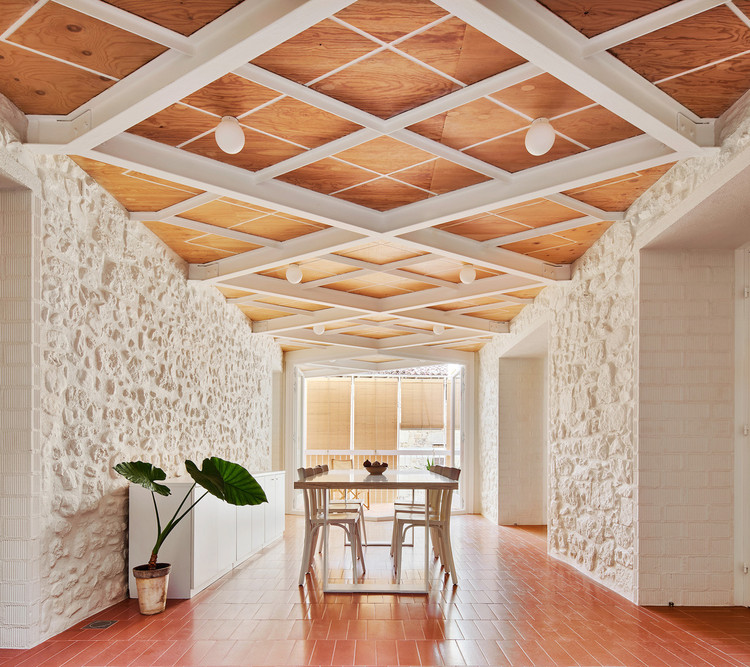
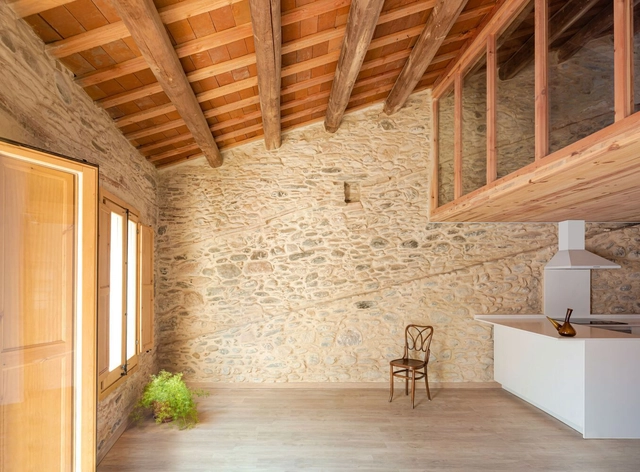
Renovation of a Village House / unparelld’arquitectes. Image
Perhaps one of the most common phrases you'll hear when talking about interior renovations is "whatever you initially planned on spending, double it, and double the time with it". Renovations, regardless of their scale, can be very time consuming and costly, especially when unexpected changes pop up last minute. However, we are often met with situations where the interior layout is no longer efficient or we feel that the interior design is a little outdated and its time for a change.
Giving your space an upgrade does not necessarily mean spending all your savings, and spending less does not necessarily mean low quality work. From doing the construction work yourself, to giving furniture pieces completely new functions, here are different ways you can renovate residential and commercial interior spaces without breaking the bank.
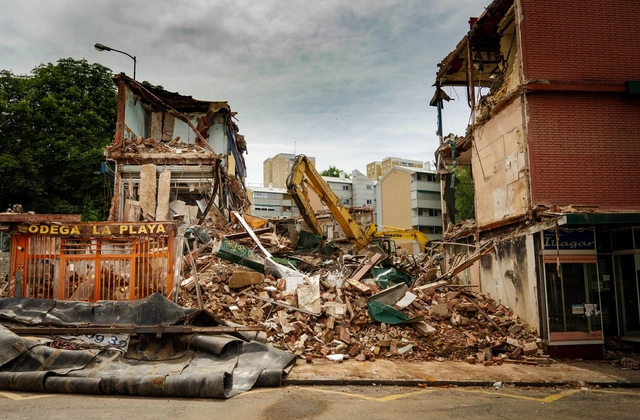
The built environment is responsible for approximately 42% of annual global CO2 emissions. During a building's lifespan, half of these emissions come from its construction and demolition. To decarbonize architecture and control global emissions, it is important to rethink and reduce the upfront or embodied carbon impacts of demolitions, as well as implement sustainable construction strategies for buildings. Demolitions typically involve dismantling, razing, destroying, or wrecking buildings and structural parts, leading to unsustainable levels of carbon emissions, material depletion, waste, and pollution. These hasty methods of ending the life cycle of a building have negative impacts on the environment, material components, and recycling strategies. Therefore, there is a clear need to re-think the way in which we approach the end of a building or infrastructure project's life towards a more sustainable system of deconstruction.
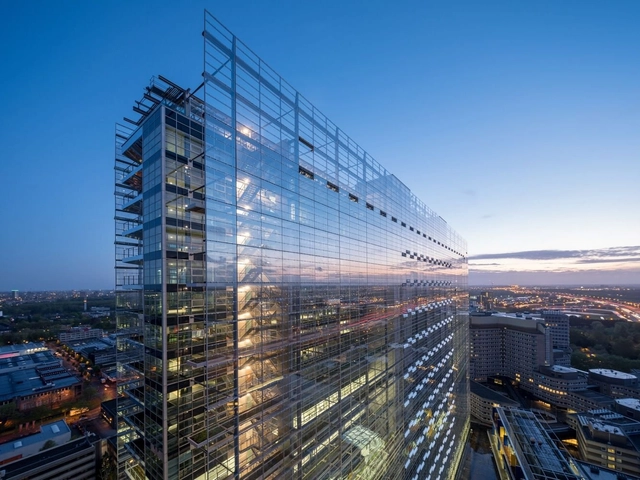
Moving towards a sustainable future is a global challenge that involves all disciplines working together. According to the 2021 Global Status Report for Buildings and Construction, almost 40% of carbon emissions come from the construction industry. This places a heavy responsibility on the industry, which must be open to exploring innovative strategies, technologies, and materials in order to pave the road towards a universal sustainability goal: reaching carbon neutrality by no later than 2050.
With that in mind, this article presents three specific products and systems –low-carbon glass, low-carbon concrete, and lightweight materials– that architects are applying in their projects to contribute to a low-impact architectural design.
In 1999, Birgit Lohmann and Massimo Mini co-founded designboom, self-proclaimed as the "first online architecture and design magazine." Seven years later, Facebook transitioned from Ivy League universities to massive audiences, while the first tweet was posted on formerly-known Twitter. Sixteen years have passed since these milestones.
While 16 years may be a short period in architecture, digital media and social networks are far from being considered emergent in the history of the internet. In fact, they form the core of the current Web 2.0 model, characterized by a dual interaction between content producers and consumers: sharing, liking, remixing, and reposting.
Indeed, the speed and magnitude of the transformations that digital media have undergone, and in turn, driven, provide the opportunity to begin documenting the history of the digital era and its impact on architecture.
A simple walk in the park will relax even the most tightly wound individual. But what about the places where people spend far more of their time, such as schools, office buildings, and hospitals? What role can design play in incorporating nature into those environments? And at what additional cost? Bill Browning has published a book—The Economics of Biophilia: Why Designing With Nature in Mind Makes Financial Sense, 2nd Edition (written with Catie Ryan and Dakota Walker)—arguing that the cost of bringing nature into building projects isn't prohibitive but additive. An environmental strategist with a long history in green building, Browning is one of the founding partners (with architects Bob Fox and Rick Cook) of the sustainable design consultancy Terrapin Bright Green. Recently I talked with Browning about biophilic design—and, because he was a founding member of the U.S. Green Building Council's board of directors, about the strengths and shortcomings of the LEED rating system.
For architecture full of light: large-area glass facades allow daylight to play a role throughout while also providing unrestricted views. Image Courtesy of Solarlux
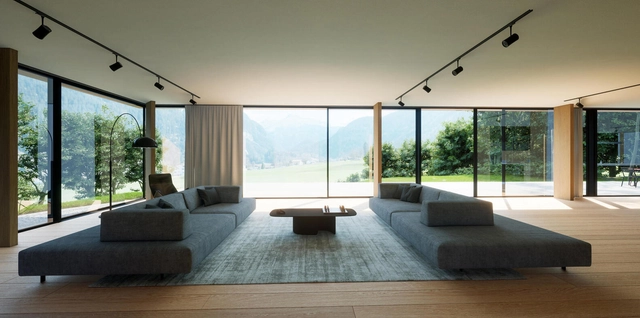
Living spaces framed solely by glass, whether in the city or the countryside, are a long-cherished architectural dream to which various architectural monuments already bear witness. First and foremost, there's Ludwig Mies van der Rohe, who blurred the lines between inside and out with modern steel constructions and large-scale glass facades that stage absolute space. Anyone strolling through the Neue Nationalgalerie in Berlin will sense the light-footedness and transparent generosity of this idea in all its glory.
Good architectural design can encompass a myriad of aspects, but can be generally regarded as buildings/constructions that are planned, designed and devised to be functional, aesthetic and durable. They can often be timeless designs, made for the benefit of the people who will inhabit them, and demonstrate a multi-disciplinary approach to space and interaction design. This is the spirit of the A’ Design Award and their “Good Architectural Design” super-category, which seeks to reward the best in architecture and design around the world.
https://www.archdaily.com/1007767/a-good-architectural-design-20-exemplary-winners-from-the-2022-2023-cycleDaniela Porto
The experience of a space depends on various factors, including its size, lighting, views, temperature, and uniqueness. In essence, multiple architectural elements evoke emotions in individuals, both intentional and unintentional. For architects, alongside considerations like client preferences and project proposals, there exists a formal intention, an aesthetic aspect that aligns with the artistic dimension of their discipline. Striking the right balance between these aspects forms the foundation of architectural thinking. This commitment to balance guides the work of spaceworkers, a firm founded by Carla Duarte, who serves as the financial director, and creative directors Henrique Marques and Rui Dinis.
Minghu Park / Turenscape. Photo Courtesy of Turenscape
A type of wetland that provides an incredible carbon-storing capacity. This could be an excellent way to describe a peatland. Found in practically every climate zone in the world, this type of ecosystem is much more than this short description, as it plays an important role in mitigating the climate crisis. But what is it, and how can we use it responsibly?
How can a building be more efficient? It is a concern that architects face on a daily basis, as they try to keep up with the demands of an industry that is increasingly aware of its environmental impact. Today more than ever, there is an effort to design buildings that integrate sustainability, efficiency and thermal comfort, which are fundamental pillars of a healthier built environment.
Having an effective solar control strategy is crucial to achieving a more efficient architecture. In addition to providing solar protection and economic savings, these strategies also carry benefits in terms of aesthetics, acoustics, thermal comfort, durability and maintenance.
How to design livable spaces, making the most of the available square meters? Currently, the design of housing in major urban centers is often linked to finding ways to optimize interior spaces, integrate environments for better lighting and ventilation, and establish a connection with the outdoors. According to the needs of its inhabitants, project requirements, and often construction costs, architecture professionals seek to provide flexibility, spaciousness, and adaptability to spaces through renovations, transformations, and more, which provide good living conditions and consider the possible changes that future generations may have to face.
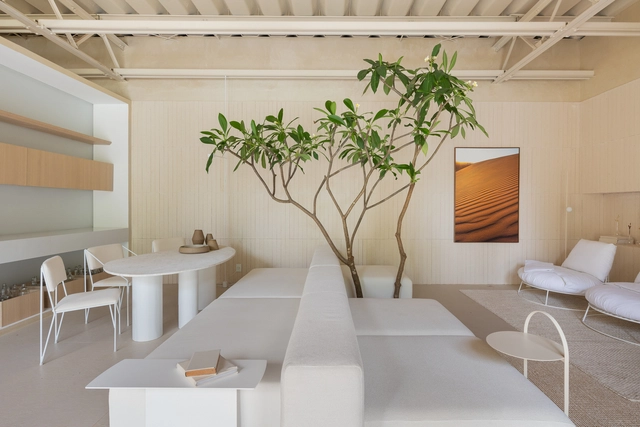
The history of 'neutral colors' is a fascinating journey through the evolution of human aesthetics and design sensibilities. Closely related to the makeup of materials organically found in nature, the color chorus of whites, grays, and earthy brown tones has played a pivotal role in artistic expression, fashion, interior design, and architecture for millenia. From the understated hues of early clay, straw, wood, or brick architectural structures to the now prevalent contemporary interior style, neutral colors have transcended cultural boundaries and continue to hold a special place in our visual landscape – offering a sophisticated elegance and versatility that has stood the test of time.
Exploring materiality, contextuality, and approach, our editors developed thought-provoking articles seeking to question and describe some of the aspects that make any Architecture, a good one.
Discover in this piece a selection of editorial writings that aim to answer this interrogation, grouped under the themes of cities, materials, history, context, and Interior Spaces. Moreover, find at the end an excerpt from the ArchDaily book.
Construction administration processes can pose significant challenges to project productivity. The processing of submittals and requests for information (RFIs—a necessary part of the project lifecycle) is a tedious and time-consuming task for most project teams. In the case of larger projects, teams can be flooded with thousands of submittals and hundreds of RFIs.
The AEC industry is moving at a lightning-quick pace, requiring architects and engineers to quickly process and resolve RFIs and submittals to maintain their tight deadlines and keep costs within budget, which poses an ever-present challenge for teams.
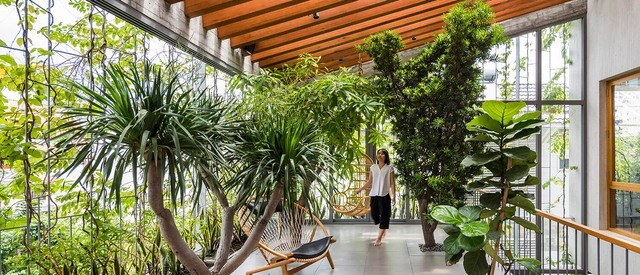
In today's fast-paced and highly connected urban environment, people are increasingly realizing the vital importance of nature in improving both our physical and emotional health. This awareness directly impacts the quality of the spaces where people reside. Discussions and studies on topics such as neuroarchitecture and biophilia are becoming more prominent in the field of modern architecture and interior design. These discussions prompt us to think critically about the deliberate and mindful selection of design elements that shape our shared living environments.
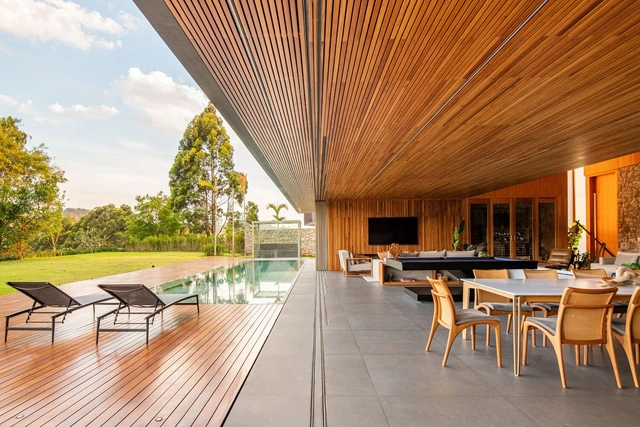
In this scenario, the use of materials such as wood, whether in residential, commercial, or corporate environments, has shown positive effects on how we feel and experience the spaces by eliciting a connection with the natural environment, reconfiguring the way we perceive our living and working spaces and how we are affected by them. By incorporating wooden elements, we can create places of greater tranquility that allow us to disconnect from the stress and busyness of urban life.