


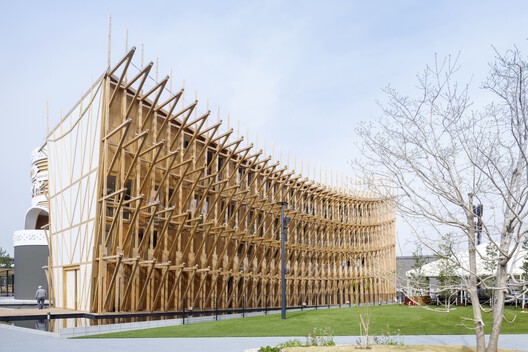
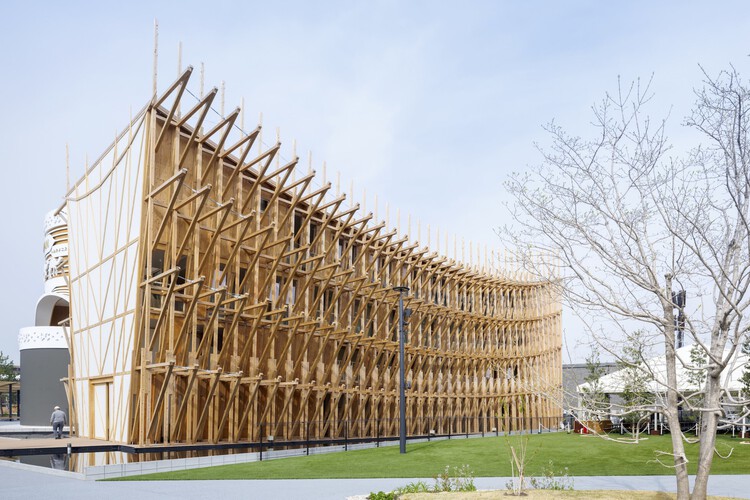
In 2025, the architectural field has been marked by a dense calendar of exhibitions, a measured slowdown in construction across multiple regions, and a period of reflection that scrutinizes the impact of intelligence (artificial and natural)—both on professional practice and workplace culture, as well as its use as a pedagogical tool. Over this calendar year, ArchDaily has published more than 30 interviews in a range of formats—Q&As, in-person conversations, video features, and more. These exchanges have engaged themes of sustainability and nature, housing and urban development, AI and intelligence, adaptive reuse and public life, and have closely followed major exhibition platforms including the Venice Biennale, Expo 2025 Osaka, Milan Design Week, Concéntrico, and others.


Although building activity has slowed for a mix of reasons—including geopolitical tensions, tariff complications, and persistently high interest rates—the discourse around how we build has been more active than ever. Architects, critics, writers, and media have used this moment to reflect, project, and debate how to build responsibly across all facets of the discipline.
Borrowing a term used earlier this year by Farrokh Derakhshani, Director of the Aga Khan Award for Architecture, "optimism" seems to capture the breadth of these conversations. The interviews gathered here trace stories of community, environment, cities, practice models, and emergent narratives that point toward architecture in 2025 and beyond.
Related Article
ArchDaily's Best Architectural Projects of 2025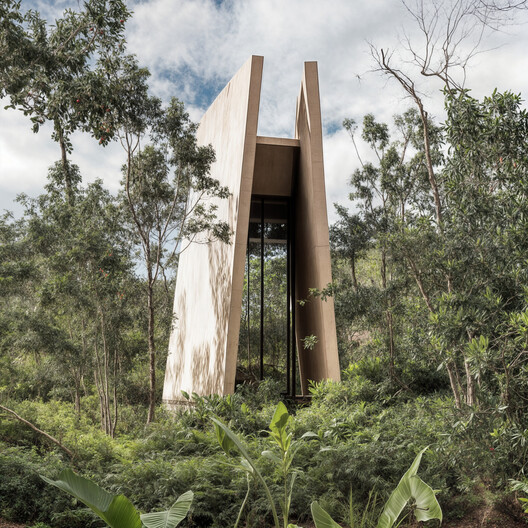
On Our Nature — Sustainability & Renewability
This collection of conversations approaches sustainability not as a checklist but as an ethic of renewal. Across practices and geographies, designers describe architecture that repairs before it replaces, draws down demand before adding systems, and treats materials, labor, and maintenance as circular rather than linear. The result is a shift from performance as specification to performance as relationship—between building and climate, program and time, community and stewardship.
Equally central is a return to site as teacher. Instead of imposing form, these voices read landscape, history, and use patterns as the brief—leveraging microclimate, existing structures, and local craft to minimize extraction and maximize continuity. Adaptive reuse, reversible assembly, and nature-based strategies recur throughout, projecting toward architectures that are situated, repairable, and capable of giving back more than they take.
"Nature is an Incredible Teacher": Jenny Sabin on the Fusion of the Digital, Biological and Physical in Louisiana Channel Interview
"Build Something That Disappears": Gabriela Carrillo on Public Space Design in Louisiana Channel Interview
"Can We Think of a Building as a Microclimate?": In Conversation With Bas Smets and Dennis Pohl About the Belgian Pavilion in Venice
"It's the Moment to Open Up the Practice": In Conversation with Andrea Faraguna, Curator of the Bahrain Pavilion
"Before Architecture, There Is Land": In Conversation With Lynn Chamoun, Elias Tamer, Shereen Doummar, and Edouard Souhaid, Curators of the Lebanese Pavilion
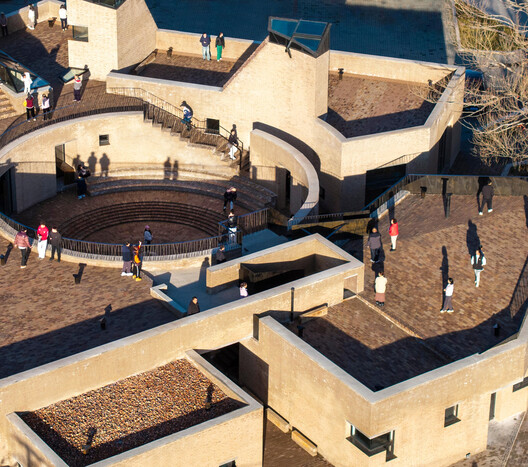
"To Emerge Naturally from the Site": Zhang Pengju on His Aga Khan Award-Winning West Wusutu Village
"Helping the Existing to Reconfigure Itself": In Conversation with Søren Pihlmann, Curator of the Danish Pavilion
Designing the Designer: Pedagogy for Climate, Labor, and Technological Change
Architectural education sits at a hinge moment. Schools are being asked to prepare graduates for a profession reshaped by climate imperatives, data-driven tools, shifting labor models, and new forms of authorship. Between studio, fieldwork, and emerging hybrid practices, the discipline is renegotiating what counts as core knowledge—how we teach design judgment, material intelligence, collective work, and social responsibility in parallel with rapidly evolving technologies.
Against this backdrop, these conversations examine pedagogy as part of a wider ecosystem: the pipeline between academy and industry, the values embedded in curricula, and the kinds of futures we are training students to imagine—and to build. They ask what should endure (drawing, craft, critical thinking), what must change (assessment, access, professional pathways), and how education can remain experimental without losing relevance to practice.
"Architecture is Survival": In Conversation with Curator Carlo Ratti at the 2025 Venice Architecture Biennale
"Even If You Want to Be a Gardener, Study Architecture": Archigram Co-Founder Sir Peter Cook on Boldness, Creativity, and Architectural Education
Why Do Modernist Principles Still Underpin Design Education in Brazil? Five Professors Share Their Perspectives
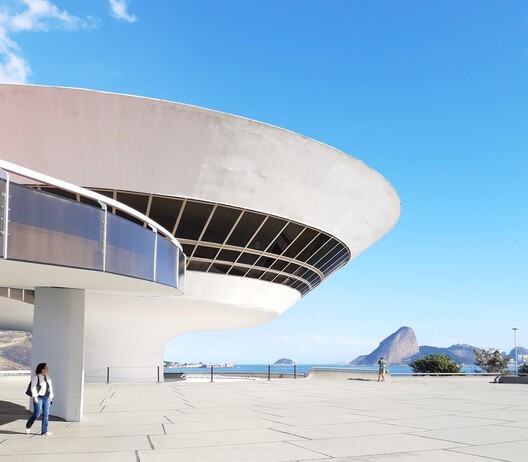
On the Social City: Housing, Urban Repair, and Adaptive Reuse
Cities are testing grounds for social contracts. Across housing, public space, and infrastructure, architects are reframing briefs from objects to systems: incremental additions instead of single grand gestures, adaptive reuse over demolition, and shared amenities that treat housing as civic infrastructure. Co-design and stewardship enter early, recognizing that who maintains a project is as decisive as who draws it.
This set of conversations follows that shift from form to consequence. The guests speak to pragmatic optimism—balancing affordability with carbon limits, private initiative with public good, and local culture with global pressures. Taken together, they outline a toolkit for doing more with less: reuse, phased growth, robust common spaces, and metrics that measure belonging as carefully as square meters.
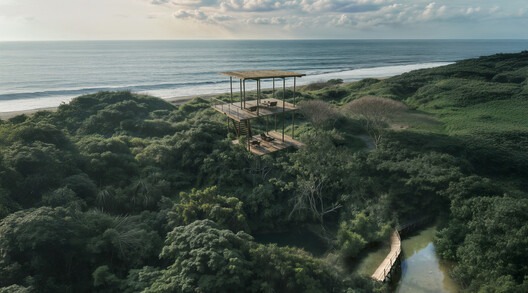
Consciously Driven: In Conversation with VOID, the Costa Rican Studio Shaping Regenerative Architecture
Between Housing Demand and Environmental Goals: Alejandro Aravena on Incremental Solutions and Net-Zero Concrete
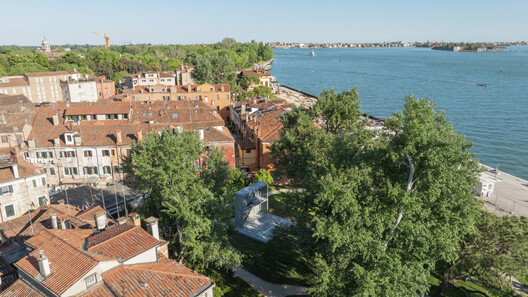
"No House Exists in Isolation": Riken Yamamoto on the Failures of Contemporary Housing in Louisiana Channel Interview
Financing Ambition, Grounding Form
Market realities shape what architecture can be—and what it must answer for. These conversations look at that tension from two fronts: aligning high design with financial, regulatory, and user constraints, and situating landmark ambition within a specific urban economy. Together they ask how vision is negotiated—through pro formas, approvals, leasing, and context—so that "iconic" work is not just spectacle but a calibrated response to value, place, and long-term viability.
"Luxury Without Context Is Just Excess": Elisa Orlanski Ours on Bridging Design Vision with Market Realities
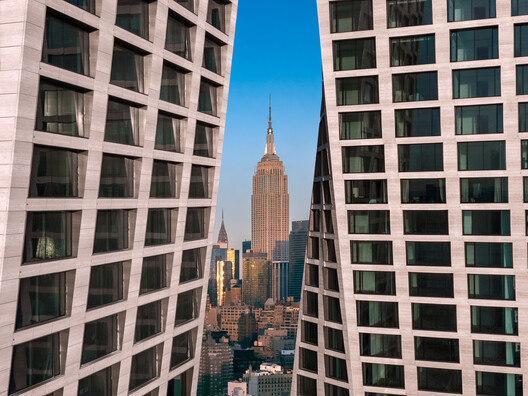
Hong Kong's Queensway Reimagined: Sara Klomps on the Genesis and Ambition of The Henderson by Zaha Hadid Architects
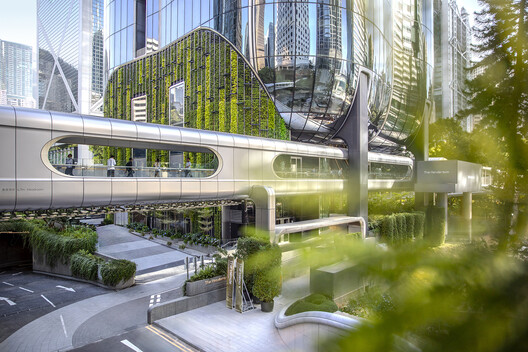
Culture, Archive, and Memory — From Preservation to Projection
Culture, archive, and memory form a continuous field where architecture both preserves and projects meaning. These conversations consider how museums, research platforms, and adaptive infrastructures translate fragments—objects, drawings, oral histories—into shared intelligence and future possibility. They ask how curators and practitioners choreograph access rather than authority, how collections become tools for design, and how the act of remembering can be catalytic: not nostalgia, but a living resource for imagining the next architectures of public life.
Lina Ghotmeh on Memory, Museums, and the Archaeology of the Future
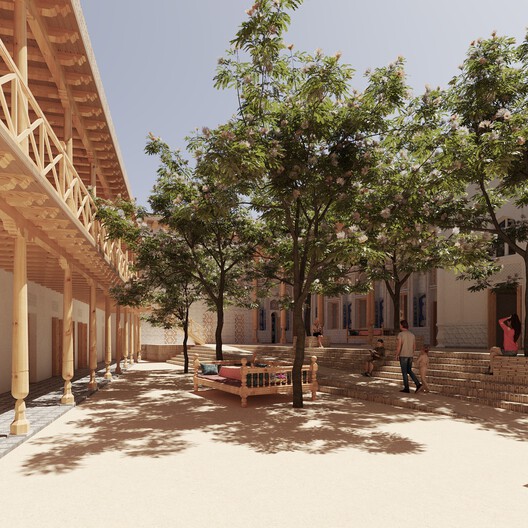
Beyond the Blueprint: Archiving Architecture as Collective Intelligence
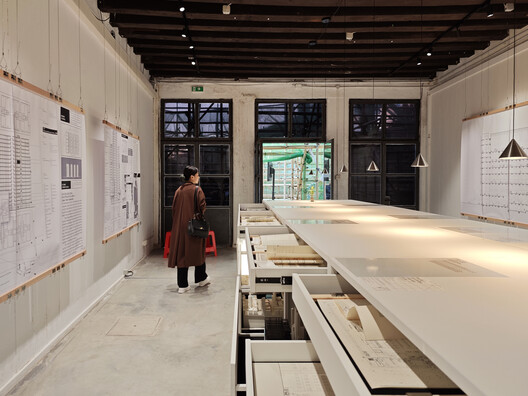
"The Logic Is to Let the Content Be Open to the Possibilities": In Conversation with Andrea Caputo, Founder of DROPCITY
This article is part of the ArchDaily Topic: Year in Review, proudly presented by GIRA.
GIRA sets the standard where architectural design meets intelligence. From the defining moments of 2025 to the innovations shaping 2026, we create smart solutions that elevate living and working environments with timeless aesthetics. Join us in shaping the future of architecture and interior design — where vision becomes reality.
Every month we explore a topic in-depth through articles, interviews, news, and architecture projects. We invite you to learn more about our ArchDaily Topics. And, as always, at ArchDaily we welcome the contributions of our readers; if you want to submit an article or project, contact us.


