

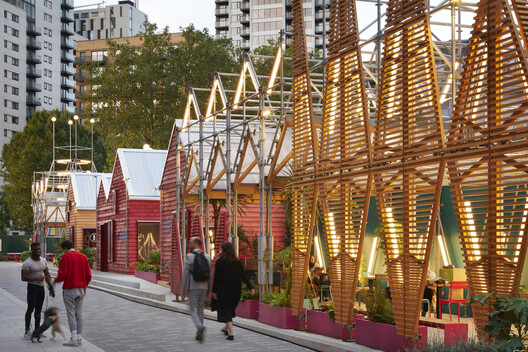
What does optimism feel like in cities that can no longer rely on perfection as their ultimate ambition? Across the world, urban environments bear the weight of overlapping pressures: climate volatility, spatial inequality, political fragmentation, public distrust, and chronic infrastructural disinvestment. These realities render the idea of an ideal city increasingly detached from lived experience. Yet the hope for building better systems persists. While utopian visions may seem like an escape from the growing complexities of the modern world, the greater challenge for contemporary city-making is to confront those complexities rather than avoid them.



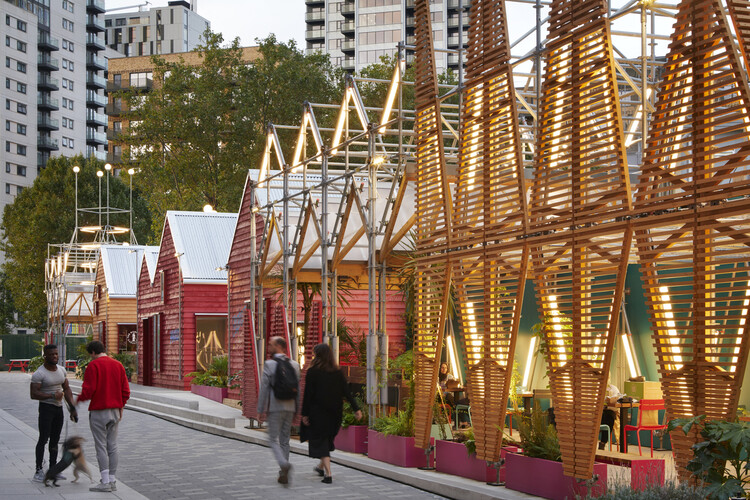
The generous conversations from Utopian Hours 2025 made this tension unmistakably clear. Rather than framing progress through the lens of aesthetics, the conversations in Turin revealed that meaningful transformation should not begin with erasure. It requires a direct engagement with inherited conditions, with landscapes shaped by long histories, layered identities, and unresolved tensions. The festival's theme, United Cities, casts this engagement not as a limitation but as an opportunity for cities to learn from one another, share intelligence, and recognize their interdependence.


