



Flor House / Stemmer Rodrigues Arquitetura


https://www.archdaily.com/1015948/flor-house-stemmer-rodrigues-arquiteturaAndreas Luco
Kurti 50A Apartment Building / Aline Hielscher Architektur


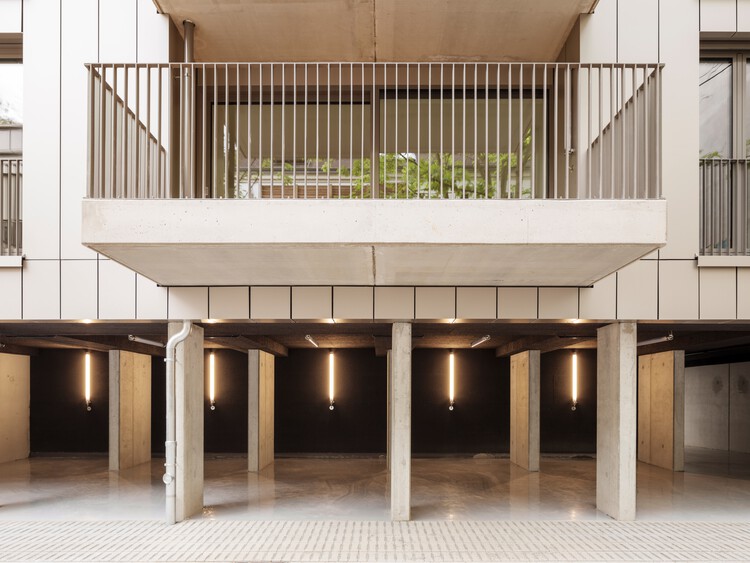
-
Architects: Aline Hielscher Architektur
- Area: 1086 m²
- Year: 2023
https://www.archdaily.com/1015974/kurti-50a-apartment-building-aline-hielscher-architekturAndreas Luco
O_CASELLA cabin / Atelier LAVIT

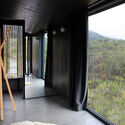

https://www.archdaily.com/1015892/o-casella-cabin-atelier-lavitPilar Caballero
Lombardini22 and Salone del Mobile's People-Centric Approach to Fair Design

The 62nd edition of the Salone del Mobile at Rho Fiera brought together designers, architects, producers, and prominent figures from the design realm. With more than 1950 exhibitors, the six-day event, running from April 16 to 21, 2024, emphasized conviviality, well-being, and sustainability. Designed with a human-centric approach, incorporating neuroscience principles to enrich visitor interaction, Salone del Mobile is revolutionizing the future of fairs.
On-site during the event, ArchDaily had the opportunity to speak with Cristian Catania, Senior Architect and Project Director for Reinventing Fairs at Lombardini22, responsible for revamping Salone, about the primary changes in the fair’s layout and the implementation of neuroscience approaches in conceptualizing the exhibition spaces.


https://www.archdaily.com/1015906/lombardini22-and-salone-del-mobiles-people-centric-approach-to-fair-designChristele Harrouk
Ummahat 9-3 Hotel, Café and Restaurant / Kengo Kuma & Associates


-
Architects: Kengo Kuma & Associates
- Area: 17000 m²
- Year: 2024
-
Professionals: Blumer-Lehmann AG
https://www.archdaily.com/1015953/ummahat-9-3-hotel-cafe-and-restaurant-kengo-kuma-and-associatesHana Abdel
Turning Challenges into Opportunities with the European Collective Housing Award
| Sponsored Content

Architectural awards serve as a fundamental platform within the profession and the wider community. They recognize and celebrate outstanding achievements in architectural projects, promoting excellence and innovation, while also providing visibility and exposure for architects and companies, highlighting projects that might otherwise go unnoticed. This impact is particularly evident in collective housing projects, which face a range of challenges, from issues of cost and compliance with urban planning legislation to the need to create welcoming and functional environments for residents. By highlighting diverse initiatives and approaches, awards inspire and educate, stimulate dialogue and the exchange of ideas, and contribute significantly to the advancement of architecture by recognizing projects that address specific themes such as sustainability or social impact.
https://www.archdaily.com/1015493/turning-challenges-into-opportunities-with-the-european-collective-housing-awardEduardo Souza
Creating Harmony with the Place: In Conversation with Kengo Kuma
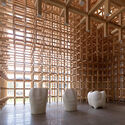
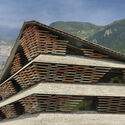
The 3rd edition of Shaping the City, a forum on sustainable urban development, took place in Venice between November 24-25, following successful events in Chicago and New Orleans. Organized by the European Cultural Centre, this forum was running in parallel to the 2023 Venice Architecture Biennial exhibition, Time Space Existence. The event, hosted at Palazzo Michiel del Brusà in Cannaregio, brings together global urban planners, architects, academics, and politicians. Notably, Japanese architect Kengo Kuma was among the experts invited to explore the intersection of nature and the built environment in Japanese architecture.
Over two days, the conference set out to explore crucial themes such as education, urban commons, displacement, nature integration, and the future of architecture media, a subject discussed during a panel talk attended by ArchDaily’s managing editor, Christele Harrouk. While on-site in Venice, the ArchDaily team sat down with Kengo Kuma to discuss his unique approach to nature-inspired and site-specific designs.



https://www.archdaily.com/1011041/creating-harmony-with-the-place-in-conversation-with-kengo-kumaMaria-Cristina Florian
Manglar House / Más que Arquitectura Estudio


-
Architects: Más que Arquitectura Estudio
- Area: 380 m²
- Year: 2023
https://www.archdaily.com/1015826/manglar-house-mas-que-arquitectura-estudioValeria Silva
Henning Larsen Architects Reveals Jeddah Opera House in Saudi Arabia

Henning Larsen Architect has just revealed the designs for The Jeddah Opera House, a new local landmark in Saudi Arabia. Drawing inspiration from the historical Al-Balad neighborhood, the Opera House celebrates culture and regional geography. Situated along the Red Sea waterfront, the opera house aims to connect residents and visitors to the sea through a culture spine under a natural canopy. Extending from the city, through the opera house, to the water, this “spine” forms an integral part of the Jeddah Central masterplan for the new Opera Quarter.
https://www.archdaily.com/1015981/henning-larsen-architects-reveals-jeddah-opera-house-in-saudi-arabiaNour Fakharany
Tips to Integrate Photovoltaic Energy on Houses

It seems like everyone is going solar these days. In the United States, the net solar power generation has increased by more than 113,000 million kilowatt hours in the last decade. Solar integration with residential projects saves homeowners money on energy bills and increases property value over time. As solar integration technology advances, the advantages span beyond financial and environmental; solar panels are assuming an aesthetic role in modern architecture, too.
Solar integration is becoming an expectation among new construction homebuyers. Architects and designers must adapt accordingly to increase the availability of photovoltaic integration in residential developments. However, with careful planning and execution, solar panels can be better incorporated during the design and construction phases. This article outlines how homebuilders can meet consumer demands for solar integration, creating an easy-to-follow pathway for accommodating changing home design trends.
https://www.archdaily.com/990582/tips-to-integrate-photovoltaic-energy-on-housesKevin Kling
AAC / Demo Working Group


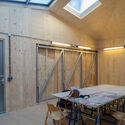
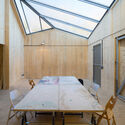
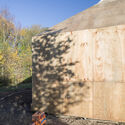

-
Architects: Demo Working Group
- Area: 125 m²
- Year: 2015
-
Manufacturers: Havells Sylvania, Jet Gruppe, Krinner, Zublin Timber
-
Professionals: Jerns Kampermann
https://www.archdaily.com/994118/aac-demo-working-groupAndreas Luco
Pirate's Yacht / Backraum Architektur


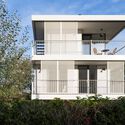
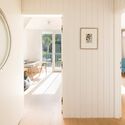

https://www.archdaily.com/1015951/pirates-yacht-backraum-architekturPaula Pintos
How Can Modular Design Be Used to Revolutionize Housing Architecture?

Housing is a diverse architectural typology whose configuration is determined not only by those who design it but also by the use of those who live in it. Therefore, homes are fundamentally adaptable structures that evolve in line with their time and users, undergoing constant changes manifested in the ways of living. The house conceived today will not be the same as the one built tomorrow, so it becomes necessary to maintain a critical and profound approach to the role it plays in the built environment.
In this sense, modular architecture has consistently presented itself as a dynamic design strategy that has revolutionized housing, developing versatile solutions for sustainable spaces and construction practices. Thus, modular housing has been fertile ground for exploring and deepening ways of inhabiting space and addressing human needs. From the prefabricated catalog houses of the 19th century to the post-World War II housing boom, its evolution reflects both past proposals and the exploration of new concepts for the future.
https://www.archdaily.com/1015545/how-can-modular-design-be-used-to-revolutionize-housing-architectureEnrique Tovar
CAA Liangzhu Campus Phasen Ⅰ / Atelier FCJZ


-
Architects: Atelier FCJZ
- Area: 18000 m²
- Year: 2023
https://www.archdaily.com/1015950/caa-liangzhu-campus-phasen-i-atelier-fcjzPilar Caballero
Cleave House / DADA Partners


-
Architects: DADA Partners
- Area: 8000 ft²
- Year: 2024
-
Manufacturers: Acier, Amit marbles, FCML, Go Alubuild, Jindal Steel, +2
-
Professionals: P.Arora & Associates
https://www.archdaily.com/1015896/cleave-house-dada-partnersPilar Caballero
Slack Toronto Office / Dubbeldam Architecture + Design


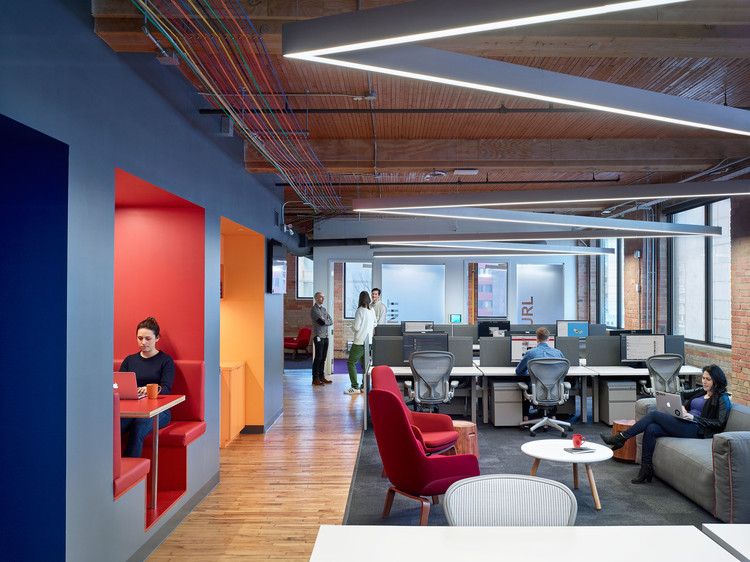
-
Architects: Dubbeldam Architecture + Design
- Area: 23000 ft²
- Year: 2017
-
Manufacturers: Alcon Lighting®, Actiu, Interface, Blu Dot, Felt Studio, +5
-
Professionals: Atelier Kozak
https://www.archdaily.com/892438/slack-toronto-office-dubbeldam-architecture-plus-designDaniel Tapia
FN Pinheiros Residence / Ponto de Apoio


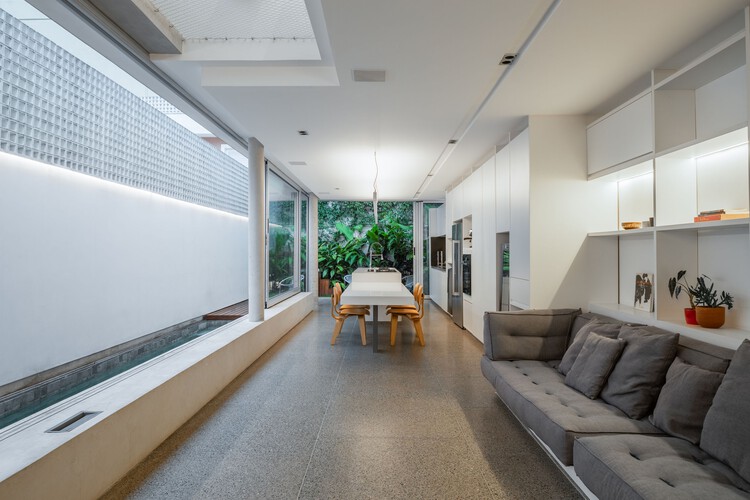
-
Architects: Ponto de Apoio
- Area: 1894 ft²
- Year: 2020
-
Manufacturers: Concresteel, Lumini, TM2
https://www.archdaily.com/1015784/fn-pinheiros-residence-ponto-de-apoioPilar Caballero
Kid's Workshop House St. Pauli / Hormann Architektur


-
Architects: Hormann Architektur
- Area: 200 m²
- Year: 2023
https://www.archdaily.com/1015947/kids-workshop-house-st-pauli-hormann-architekturPaula Pintos


