1. ArchDaily
  2. Windows

Windows: The Latest Architecture and News

Eliminating the Barrier Between Indoor Spaces and Nature

 | Sponsored Content
Eliminating the Barrier Between Indoor Spaces and Nature - Featured Image
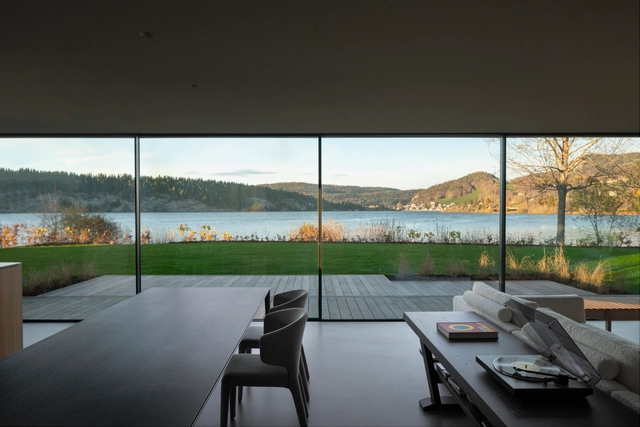
Detached House in Bavaria Visualization © xoio

For centuries, architecture has been shaped by the aspiration to create a smooth transition between the indoors and the outdoors. Today, technologically sophisticated window and facade systems allow architects to design open, light-flooded room concepts without losing heat. The Solarlux cero maximum sliding window can eliminate the boundaries between spaces, demonstrated most impressively when large-format elements replace building corners. This is a technical achievement accomplished entirely without supports that disrupt the view. cero creates a direct, immediate connection to nature that goes far beyond what standard solutions can offer.

Integrating Natural Light Through BIM: A Look at the VELUX Library

 | Sponsored Content

Daylight is one of the most effective tools in architecture. It creates atmosphere, improves comfort, and reduces energy demand. However, integrating daylight successfully requires precision at every project stage, from the first sketches to detailed planning. VELUX BIM tools give architects the flexibility and verified data to make that possible.

Framing Interiors and Landscapes in Aluminum and Glass to Master the View

 | Sponsored Content

Windows have long held an ambivalent role in architecture, as they both define and enclose interiors while simultaneously creating a link to the outdoors. This dual function goes beyond simply meeting construction needs or providing daylight, directly influencing how occupants experience and engage with the views. The 20th century saw the introduction of materials such as steel, aluminum, and glass, which enabled different types of windows with thinner frames and expansive panes, enhancing transparency and reinforcing the visual connection with the surrounding setting.

American architects such as Frank Lloyd Wright and Philip Johnson explored these possibilities to harmonize architecture with landscape. In Fallingwater House, windows and terraces seamlessly connect the house to the waterfall and surrounding forest, whereas the Glass House's minimal framing nearly dissolves the boundary between interior and exterior, bringing the natural environment to life inside the house. Through its evolution, windows have become an element that unites space, materials, and perception, opening new pathways for exploring the relationship between architecture and its environment.

Windows as Thresholds That Merge Interior and Exterior Spaces

 | Sponsored Content

In The Poetics of Space, French philosopher Gaston Bachelard proposes reading architecture as a lived experience, in which each environment carries emotional and symbolic meaning. Reflecting on the house, he places particular importance on thresholds (windows, doors, stairs, attics, basements) as zones of transition and rupture between the intimate and the open, the known and the unknown. For him, the window is not merely a functional opening, but a point of dreaming and contemplation: it is through the window that the inhabitant projects themselves into the world. This perspective inspires a sensitive approach to architectural work, in which boundaries are not limited to separation, but articulate imagination, memory, and desire.

High-Performance Sealing in Extreme Conditions at FiftyNine, Strandkai Hamburg

 | Sponsored Content

In the Port of Hamburg, the "FiftyNine" rises as a 16-story residential tower that combines elegance and technical sophistication to withstand the demanding weather conditions of the harbor. Here, 60 floor-to-ceiling air-lux sliding windows have been installed – with impressive dimensions of up to 5400 x 3085 mm. Thanks to the innovative, air-assisted sealing system, they withstand heavy driving rain, intense wind loads, and high noise pollution.

Frameless is More: How Minimalist Windows Shape Architectural Atmospheres

 | Sponsored Content

Challenging conventions has been a constant in artistic production throughout history, always seeking to reframe established limits. In the 20th century, societal, historical, and technological changes created the perfect context for profound architectural reconfiguring. In this process, modernism introduced new ideas around functionality, breaking with the ornamentation of the past. However, building on that foundation, minimalism further refined the reduction of form to its essence. Focusing on the relationship between space, restraint, and light, the Minimalist movement transformed contemporary architecture and interior design, turning windows into a fundamental resource for sensory perception and interaction with the atmosphere and space, opening up a realm of introspective, sensitive, and refined exploration.

Swissness Framed: Micromechanics and Minimalist Windows in Modern Architecture

 | Sponsored Content

Each region possesses a distinct architectural identity, serving as a cultural "fingerprint" that makes it uniquely recognizable. Italian design, for instance, draws from the Roman legacy using stone and light hues. Turkey is distinguished by intricate glazed tilework that adorns walls and ceilings, whereas Mexico embraces vibrant colors and textures through local materials and artisanry. Many of these elements are rooted in heritage-based practices, yet over time, they have been reimagined and transformed through new processes, giving rise to contemporary architectural expressions. In Switzerland, the concept of "Swissness" frames this core identity—a fusion of watchmaking precision and functionality. Rooted in micromechanics, Swiss engineering, and craftsmanship converge in the design of modern minimalist windows, where clean lines and transparency redefine boundaries and shape the architectural language.

How to Frame a View Worth Framing? Vitruvian Principles and the Ideal Window

 | Sponsored Content

Windows are an essential architectural element whose basic function, though simple, remains vital. Primarily designed to let in natural light and facilitate air circulation, they play a constant role in everyday life, presenting an interesting duality. From an artistic perspective, painters such as Johannes Vermeer and Henri Matisse have used them as expressive tools, exploring their ability to frame views and tell stories. In contrast, windows have transcended traditional scales and designs within their contemporary and minimalist architectural dimension, creating fluid spatial connections between inside and outside. Beyond formal and stylistic innovation, this evolution finds resonance in the foundational concepts and treatises that have guided architecture since the past.

Buoyed on the Bayou: The Pelican House Story

 | Sponsored Content

Located on an estuary of Prien Lake, straddling the Louisiana/Texas border, Pelican House exudes an elevated cabin aesthetic. Clad in Western red cedar and embellished with Texas Lueder limestone columns, broad overhangs, and exposed wood beams, it's a stunning bayou home anchored by glass walls that connect it to the surrounding landscape – and keep it safe when Mother Nature rages.

"It's a very picturesque location, but as you would imagine, it's also a very stormy one," says architect Winn Wittman, who designed the home for indoor-outdoor living in the Gulf Coast climate. Embraced and hammered by nature, Pelican House has withstood four hurricanes, both during and after construction. "The only evidence of the hurricanes is that the wood, which was initially smooth, now has a sandblasted appearance," Wittman says.

Villa Sidonius: Pneumatic Sealing Solutions in Unusual Settings

 | Sponsored Content

In the Czech river valley of the Berounka near Prague, Stempel & Tesař Architekti have created an extraordinary private residence. The elongated structure is primarily made of steel and glass, featuring oversized air-lux sliding windows. The entire volume juts out into the landscape like a pier.

Villa Sidonius embodies the purest form of view and overview. For good reason—the landscape along the Berounka River is characterized by the flora and fauna of various nature reserves. The town of Černošice, located on the southwestern outskirts of Prague, is also nestled in greenery. This environment inspired Stempel & Tesař to design this single-family home, resembling a pier stretching out into the landscape from a hillside.

Designing a Nature-Embracing Modern Home in Palo Alto, USA

 | Sponsored Content

When it came to designing a nature-embracing modern home in Palo Alto, California, USA, architect Tai Ikegami took his responsibility to protect and venerate the magnificent trees on the lot seriously.

“The house is designed around a series of trees on the site—an oak in the front, another oak on the side, a redwood in the back. These are dramatic trees with a large scale,” says Ikegami, a partner at Feldman Architecture, San Francisco.

Playing with Transparency: 4 Projects Challenging Traditional Window-Making in Architecture

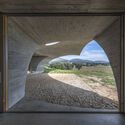
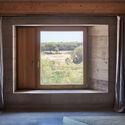
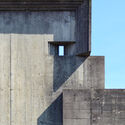
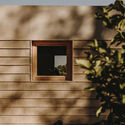
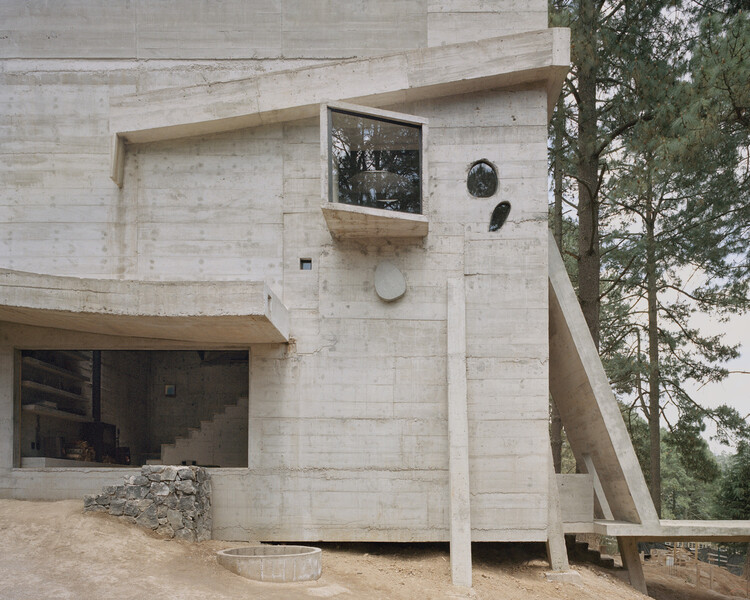
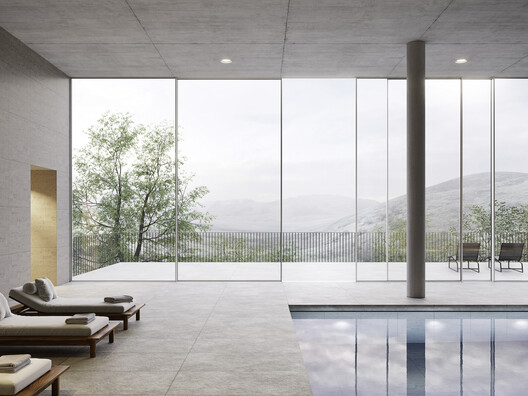
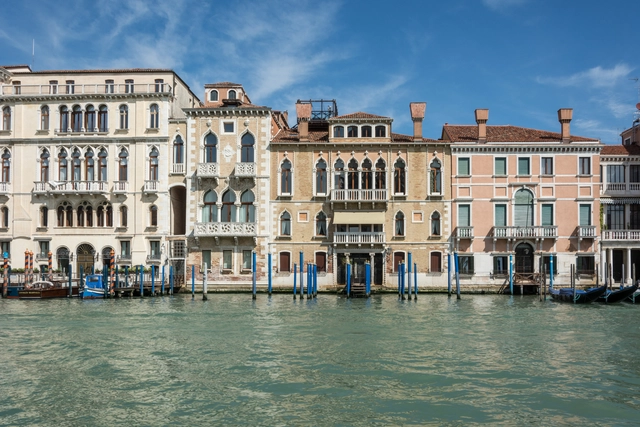
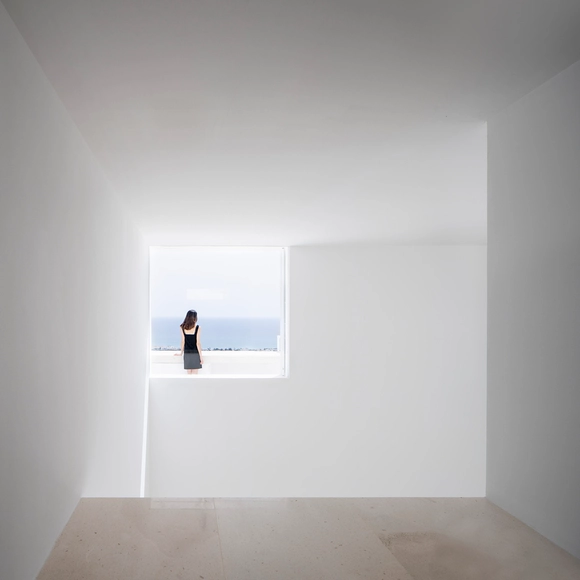
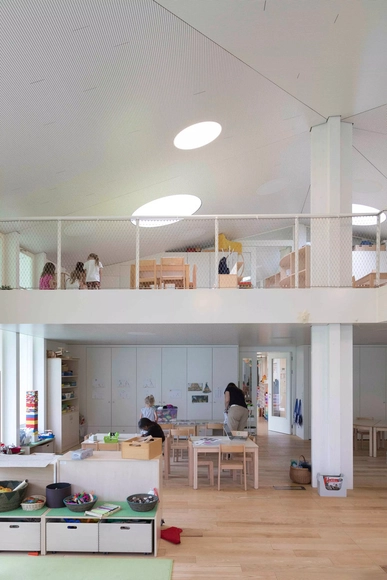
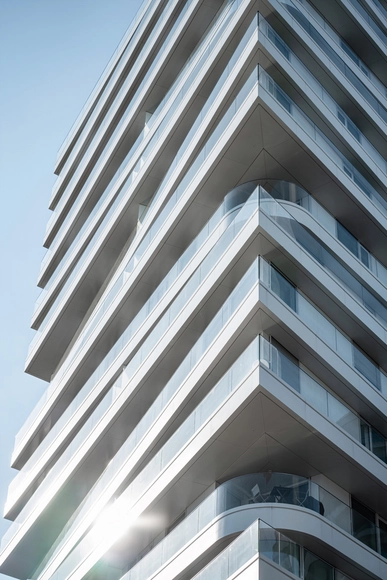
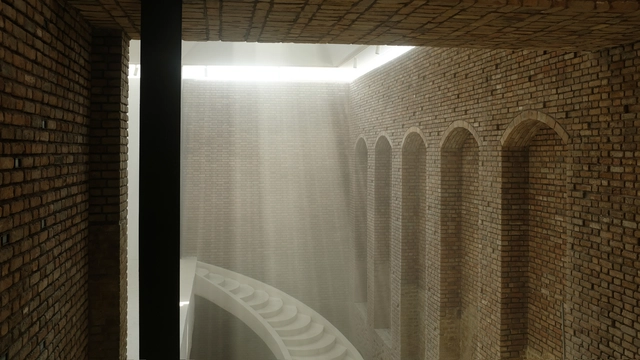
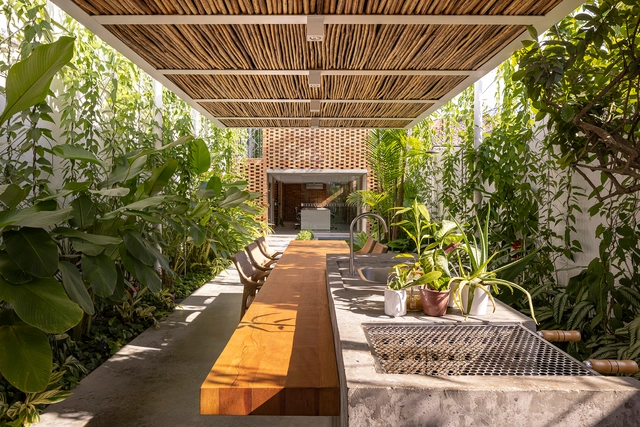
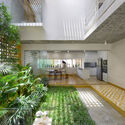
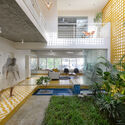
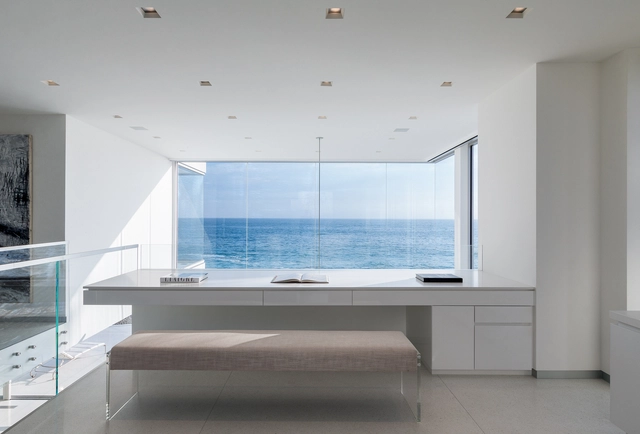
Formally, transparency usually takes the shape of a window, a door, a curtain wall, or a skylight. These are commonly created through rectangular punched openings or in the form of glass curtain wall systems or translucent screens. The following projects play with traditional notions of transparency and window-making in playful and unconventional ways. They create visually striking facades and dynamic relationships between their exterior and interior. They filter light and frame views through their glazing and opening articulation to craft memorable architectural experiences.

Playing with Transparency: 4 Projects Challenging Traditional Window-Making in Architecture - Image 1 of 4Playing with Transparency: 4 Projects Challenging Traditional Window-Making in Architecture - Image 2 of 4Playing with Transparency: 4 Projects Challenging Traditional Window-Making in Architecture - Image 3 of 4Playing with Transparency: 4 Projects Challenging Traditional Window-Making in Architecture - Image 4 of 4Playing with Transparency: 4 Projects Challenging Traditional Window-Making in Architecture - More Images+ 9

Pass-Through Windows: Inspiring the Design of Easy-Open Spaces

 | Sponsored Content

The desire for fluid integration between spaces has become increasingly relevant in contemporary architecture. This reflects a search for more connected and harmonious living experiences, especially in urban environments, where the cityscape can saturate us. By transcending conventional boundaries and blurring the lines between interior spaces and the vast outdoors, living environments can be created to celebrate connectivity, sustainability and the well-being that comes from being alongside nature. These types of integration not only make it possible to unite spaces with their surrounding contexts, but also to segment indoor environments when necessary, maintaining a visual connection while keeping them functionally separate. By creating these integrations, architects and designers allow spaces to merge with each other or with nature, promoting a sense of tranquillity, balance and rejuvenation, as well as integration and fluidity—a seamless transition that blurs the distinction between the two. This is achieved through architectural elements such as large windows and doors, which dissolve barriers through the simple action of opening and closing.