1. ArchDaily
  2. Windows

Windows: The Latest Architecture and News

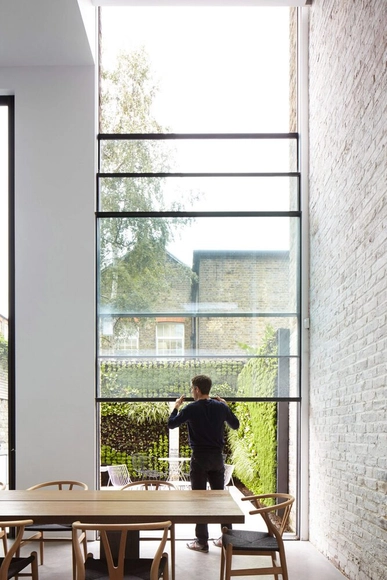
Reframing the Concept of Building Envelope Through Minimalist Windows

 | Sponsored Content

When we talk about the building envelope, we often make the analogy of a skin that protects and wraps the structure, creating a transition in the physical environment. This concept is interesting as it identifies that, similar to its function in humans, the skin plays a role in protecting and regulating the interior setting, besides contributing to the aesthetics of the building. In this way, both the human skin and the building envelope act as elements that respond to the stimuli of the surroundings and the life that develops within them. More than just protective barriers, they are experienced as means of active interaction with the context.

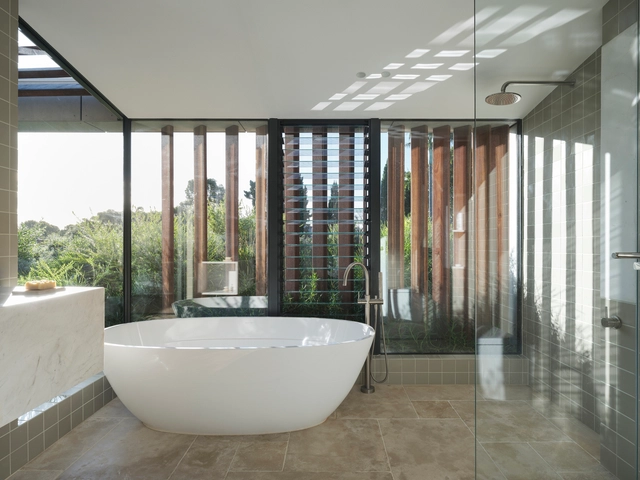
While envelopes evolve within diverse contexts, materials, and systems, minimalist windows distinguish themselves through their aesthetic qualities by being transparent and fluid skins. These windows excel with their functionality and visual lightness, standing out in the architectural landscape. In addition, they are noteworthy thanks to their versatility across different systems that connect life within the interior and exterior. Considering Swiss and Pritzker Prize-winning architect Peter Zumthor's statement that "architecture is exposed to life,” windows play a vital role in expressing that connection, becoming a significant part of the building's identity and essence.

Vertical Sliding Windows: Fusing Technology, Efficiency and Aesthetics

 | Sponsored Content

When it comes to windows, we can see how much the industry's technology has evolved over time. While the first versions of windows were small and not very transparent, today we can find large sheets of glass that blur the boundaries between the inside and outside, and can create virtually translucent façades. And this doesn't have to be limited to fixed glass. These days, we can use huge glazed surfaces that can be easily handled, thanks to a great deal of research and experimentation by manufacturers to improve components and raw materials. To create a large frame, for example, larger furnaces are needed for tempering, and strict technical control is required, demanding precision and high-quality standards, along with structural bonding using modified silicones and silyl-based polymers.

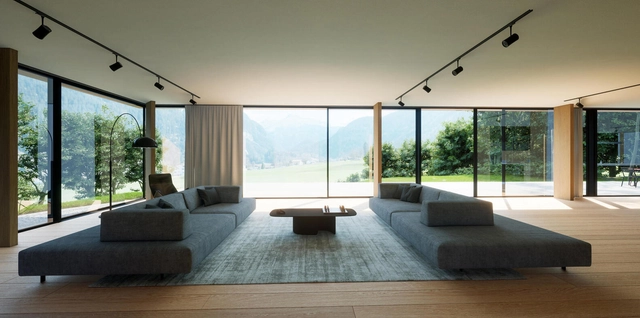
More Glass, More Light: Solarlux’s cero IV Sliding Window System

 | Sponsored Content

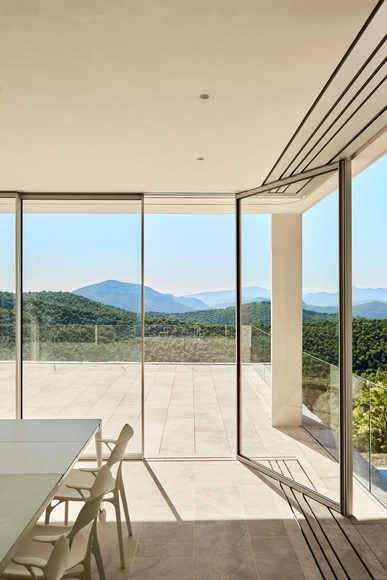
Living spaces framed solely by glass, whether in the city or the countryside, are a long-cherished architectural dream to which various architectural monuments already bear witness. First and foremost, there's Ludwig Mies van der Rohe, who blurred the lines between inside and out with modern steel constructions and large-scale glass facades that stage absolute space. Anyone strolling through the Neue Nationalgalerie in Berlin will sense the light-footedness and transparent generosity of this idea in all its glory.

Light Matters: Learning From Vernacular Windows

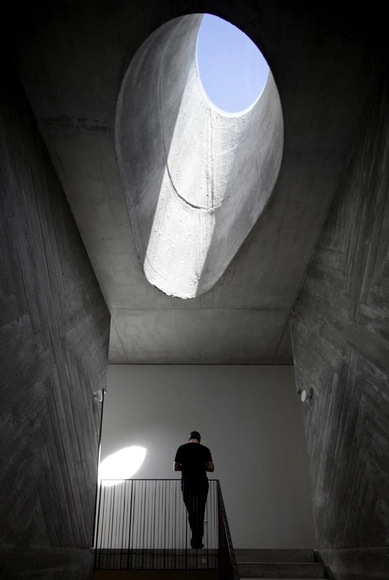
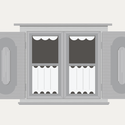
Before computer daylight simulations were used to optimize the atmosphere and energy in buildings, generations of builders developed simple principles to create the best windows for their site. Two lighting experts have studied these traditional openings in buildings to find inspiration for more sustainable designs today. Francesco Anselmo, a lighting designer at Arup, and John Mardaljevic, Professor of Building Daylight Modelling at the School of Civil & Building Engineering of Loughborough University, have analysed the sun and skylight variations from northern regions like Stockholm down to the equator in cities like Haiti or Abu Dhabi.

Read on to learn more about the variety of traditional windows.

Light Matters: Learning From Vernacular Windows - Image 1 of 4Light Matters: Learning From Vernacular Windows - Image 2 of 4Light Matters: Learning From Vernacular Windows - Image 3 of 4Light Matters: Learning From Vernacular Windows - Image 4 of 4Light Matters: Learning From Vernacular Windows - More Images+ 2