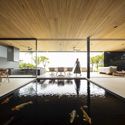
Few architectural typologies have the power to invoke a sense of being dual-natured quite as the modernist swimming pool can. The design of pools themselves implies that there are moments of activity both above and below the water. Above, and in the more obvious and visible sense, pools act as a space for leisure and athletic training. But underneath the surface, swimming pools have a long-standing history of acting as symbols of surveillance, death, and social conditions associated with an economic class.
The climate crisis has accentuated changes in the amount of rainfall, causing droughts or storms with large volumes of water, which result in floods that can cause great damage to urban infrastructure. To combat this, the sponge city is a solution that has a green infrastructure to operate the infiltration, absorption, storage and even purification of these surface waters.
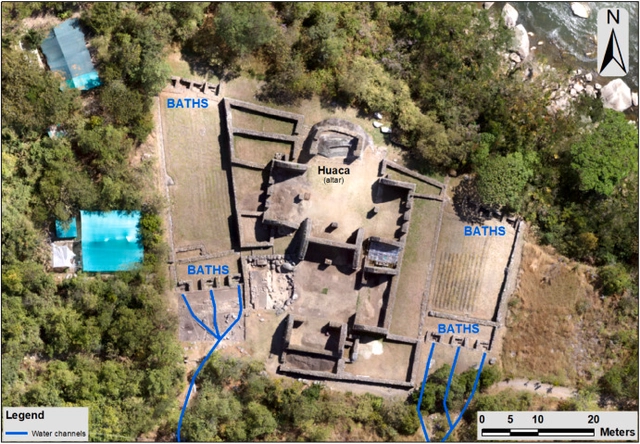
Machu Picchu, also known as "The Lost City of the Incas", located high in the Peruvian Andes (2430 m.a.s.l.) in Cuzco, is one of the most famous archaeological complexes and one of the 7 wonders of the modern world. It is here, under the dense foliage of the surrounding jungle, that a network of hidden river channels has been discovered.
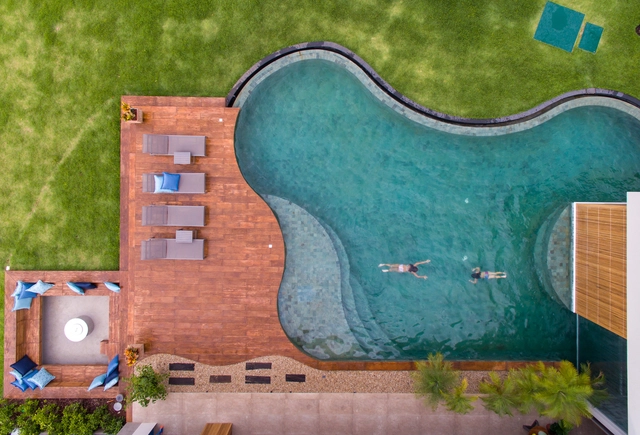
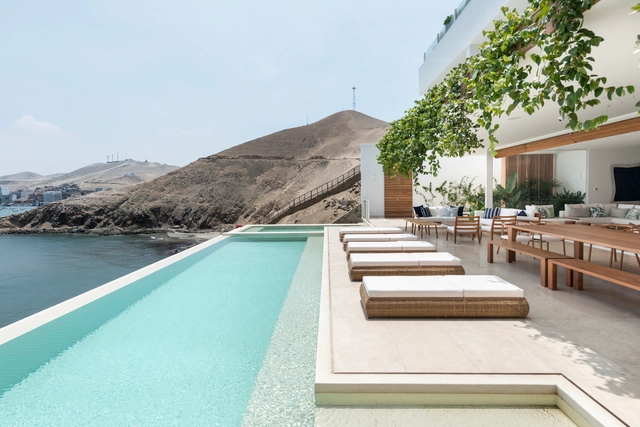
It could be said that one of the main aspects to take into account when designing a swimming pool is the choice of colour for the coating. The light, the shadows, the depth, the environment and the elements that surround it are variables that directly affect the final tonality of the water. The effects of artificial and/or natural lighting also determine the final aesthetic, because if it's located outdoors, reflecting the sky, it will create a different effect than if it's located indoors, where the ceiling would influence its colour.
Videos
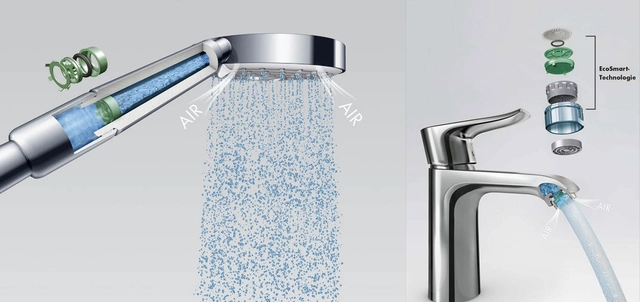
‘Precision O-ring’ in EcoSmart hand showers: If the water pressure is high, the size of the opening decreases. If it is low, it expands.. Image Courtesy of Hansgrohe
Water scarcity will directly affect nearly 20% of the human population by 2025, according to several UN reports, and indirectly influence the rest of the planet’s inhabitants as well as economies and the whole ecosystems. Designing effective water management systems is an important process that encompasses the planning, developing, and managing of water resources, in terms of both water quantity and quality, across all water uses. It includes the institutions, infrastructure, incentives, and information systems that support and guide water management.
Nestled at the base of Vail Mountain, along the banks of Gore Creek, Grand Hyatt Vail is located in the heart of Vail Valley within the Cascade Village neighborhood. The hotel features bold, vibrant architecture inspired by its scenic locale, as well as welcoming service with exclusive amenities ideal for both leisure travelers and conference attendees alike. When they were due for repairs to their current water heating system, Grand Hyatt Vail knew they needed a solution that could be implemented quickly, plus handle the hotel’s demand for years to come. Grand Hyatt Vail turned to Intellihot for tankless water heating reliability, cost savings, and cutting OPEX, and ended up saving on both upfront and installation costs.
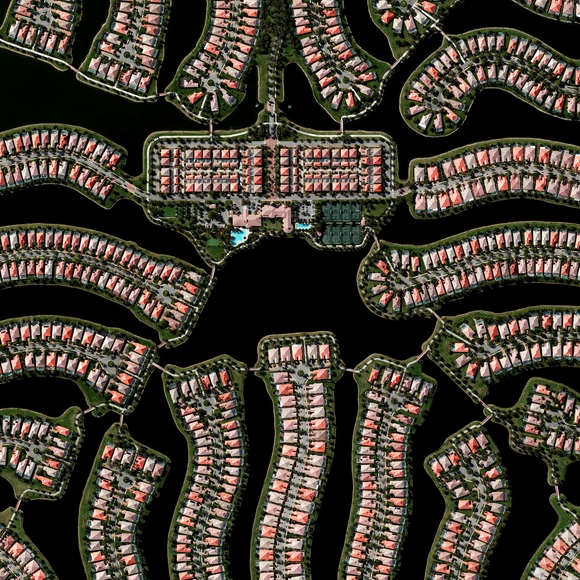
The state of Florida, in the United States, is bordered to the south, east, and west by the Atlantic Ocean, with a coastline of over two thousand kilometers in length, and is characterized by extensive areas of lakes, rivers, and ponds. Land booms during the early and mid-20th century resulted in the development of new communities and the expansion of low-density suburbia across many parts of the state, which frequently incorporated the abundant water resources, sometimes failing in their efforts.
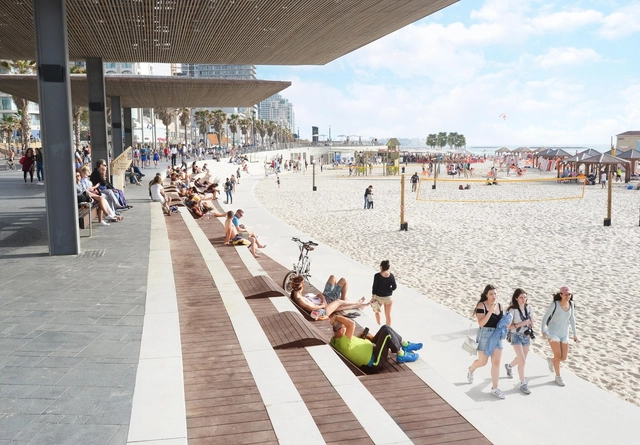
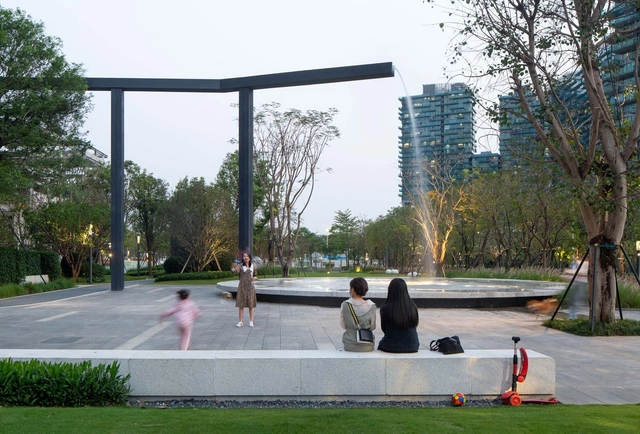
The area surrounding a river, lake, lagoon or sea coast acts as a transition zone between water and land. Therefore, turning the water banks into dynamic and appealing public spaces helps to establish a certain balance between the stiffness of the built environment and the fluidity of water.
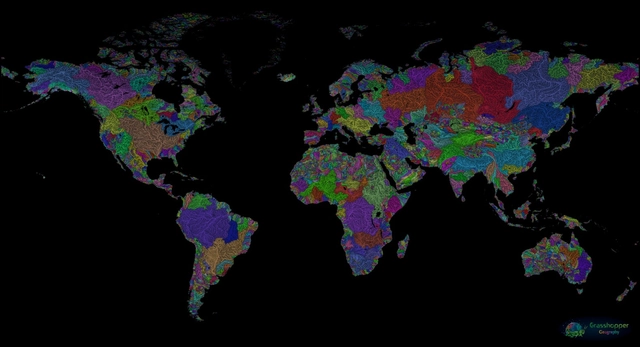
GIS analyst and Hungarian cartographer Robert Szucs has shared an impressive collection of maps that bring together all the drainage basins of the world in vibrant colors. Titled GrasshopperGeography, the maps showcase the rivers and watercourses of the world, featuring the basins of selected regions, countries and continents.
The total amount of water on our planet has, theoretically, stayed the same since earth's formation. It's possible that the glass of water you drank earlier contains particles that once ran down the Ganges River, passed through the digestive system of a dinosaur, or even cooled a nuclear reactor. Of course, before it quenched your thirst, this water evaporated and fell as rain millions of times. Water can be polluted or misused, but never created or destroyed. According to a UNESCO study, it is estimated that the Earth contains about 1386 million cubic kilometers of water. However, 97.5% of this amount is saline water and only 2.5% is fresh water. Of this fresh water, most (68.7%) takes the form of permanent ice and snow in Antarctica, the Arctic, and in mountainous regions. Another 29.9% exists as groundwater. Ultimately, only 0.26% of the total amount of fresh water on Earth is available in lakes, reservoirs, and watersheds, where it is easily accessible for the world's economic and vital needs. With the population steadily increasing, especially in urban areas, several countries have already had severe problems with providing the necessary amount of drinking water to their populations.
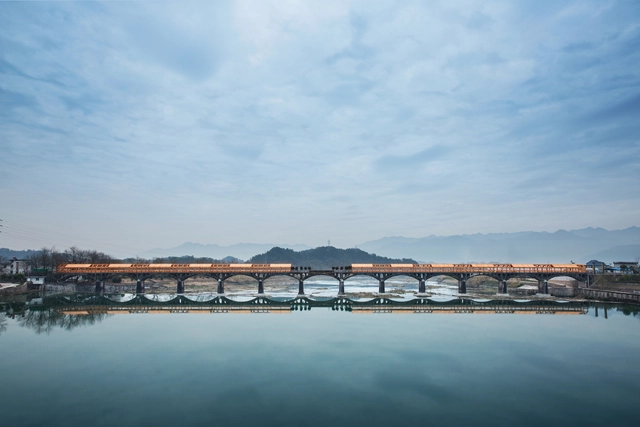
Shimen Bridge by DnA Design and Architecture. Photography: Wang Ziling
The Asia Pacific Architecture Festival (APAF) has announced its return to Brisbane from 7 to 20 March 2020. APAF is a collaboration between founding partners Architecture Media and State Library of Queensland.
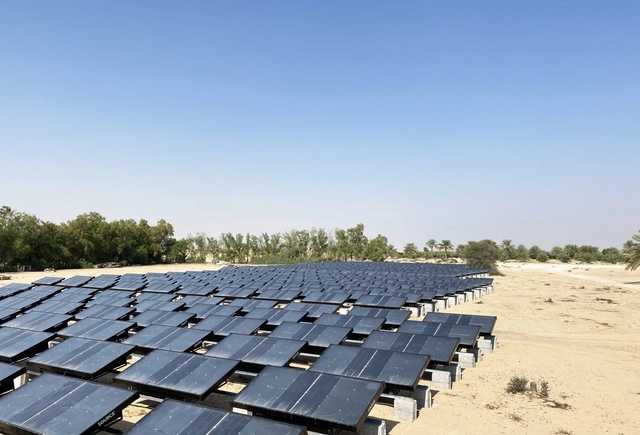
As the climate crisis continues to unfold, professionals in architecture, engineering, and sustainable design have relentlessly searched for new ways to mitigate the negative effects of modern industrial production. One group of such innovators, Zero Mass Water, have contributed to this effort through their creation of ‘the world’s first and only hydropanel’ - an apparatus called SOURCE.
https://www.archdaily.com/932519/generating-water-from-air-humidity-to-face-global-droughtLilly Cao
From playful indoor pools to tranquil exterior fountains to soaring waterfalls and grand lakes of enormous proportions, architecture throughout the centuries has engaged with water in endlessly innovative ways. Sometimes serving aesthetic purposes, but just as often acting as centers of activity or promoting sustainability, water features can take countless different forms and serve multiple different purposes. Below, we synthesize a series of water features espoused by innovative contemporary architectural projects, ranging from single-family residential homes to vast commercial complexes.
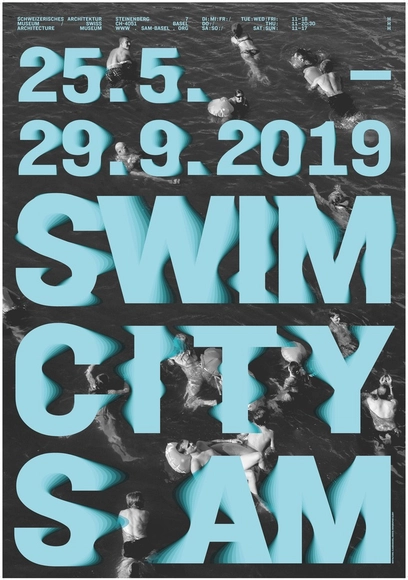
The exhibition «Swim City», held at the S AM Swiss Architecture Museum from the 25th of May to the 29th of September 2019, is the first to draw attention to a particular contemporary phenomenon in urban space: river swimming as a mass movement. Swiss cities have played a leading role in the development of this activity over the last few decades, gradually opening up the river as a natural public space within the built environment. The river has thereby become a place of leisure, open to all, located right in front of residents’ doors and seamlessly integrated into everyday life. The rest of the world looks on in awe at this bathing culture, seeing it as an example of how waterways in cities can be reclaimed for the people in order to sustainably improve the quality of life in urban centers.
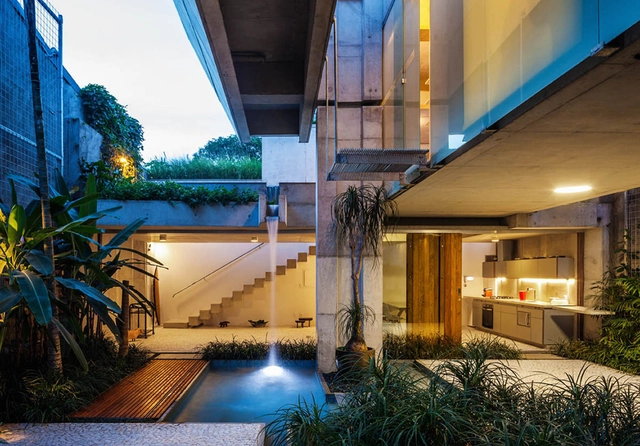
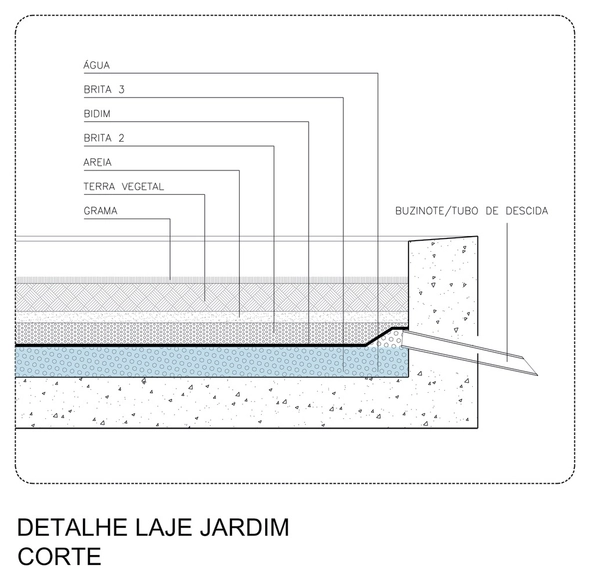
During the modern period, the buildings that used the traditional sloping roofs with tiles, draining the waters as quickly as possible, have begun to give way to the well-known 'waterproof flat roofs.' In spite of delivering a clean aesthetic to the project, allowing the use of the last slab as a space for living and contemplation, this solution can become a headache for its occupants if its execution and design are not careful. It is no accident that there have been infiltrations in famous modern buildings, such as the Vile Savoye or the Farnsworth House, designed by great masters of architecture. Currently, the civil construction industry has developed more sophisticated products and techniques that drastically reduce the chances of subsequent infiltration. However, we could say that waterproof flat slabs continue to be fragile points in buildings. The architects from Brasil Arquitetura have improved an inventive and very simple solution to avoid infiltrations in flat slabs, much used in the 70's by architects like Paulo Mendes da Rocha and Ruy Ohtake, filling them with vegetation.
The 2°C Symposium is an opportunity to learn essential technologies, strategies and tools that address climate change at a critical time for our collective future.
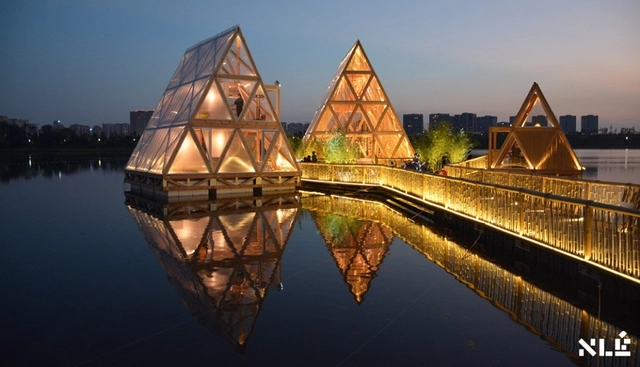
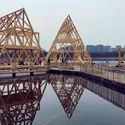
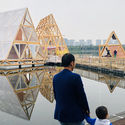
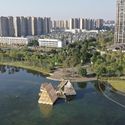
As part of a collaboration between the Centre Pompidou and the Mao Jihong Arts Foundation, the Cosmopolis #1.5: 'Enlarged Intelligence' exhibition features the developments of NLÉMakoko Floating School. The Minjiang Floating System (MFS IIIx3), the fourth prototype and the third iteration of the prefabricated self-built system for water, investigates methods to counter the challenges posed by urbanization and climate change.
Earlier prototypes of the Makoko Floating School include the Waterfront Atlas (MFS II) launched in Venice, Italy and the Minne Floating School (MFS III) in Bruges, Belgium. The project, initially developed for the water in Lagos, is now usable in all these sites including the Jincheng Lake in Chengdu.


.jpg?1614803567&format=webp&width=640&height=580)