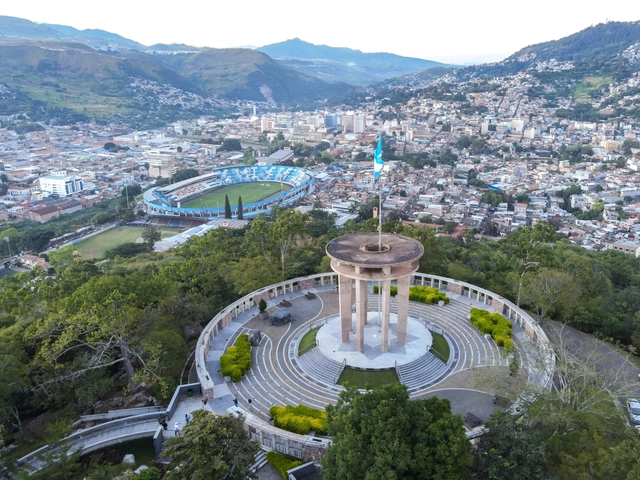
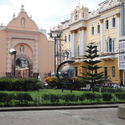
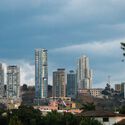
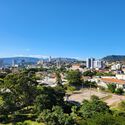
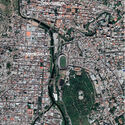
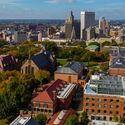
In the first decades of the XXI century, Honduras experienced higher levels of crime and violence compared to its other Central American neighbors. This situation caused the country to be largely avoided by most visitors and investors. However, it didn’t stop Tegucigalpa, its capital city, from experiencing an explosion of residential and office developments which are currently reshaping its skyline. Defined by a unique topography, and tropical weather, the city served as a testing ground for modernist urban principles that contributed to the transformation of a small mining town into one of the largest metropolises in Central America.
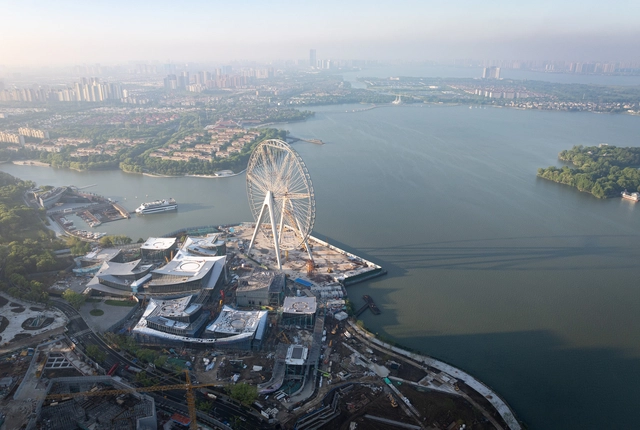
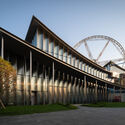
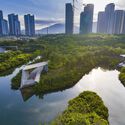
The Suzhou Museum of Contemporary Art, spanning 60,000 square meters, is envisioned as a village of 12 pavilions, presenting a contemporary take on the city's historic urbanism, architecture, and landscape. Designed by Bjarke Ingels Group - BIG, ARTS Group, and Front Inc., the project is part of Suzhou's development around Jinji Lake. It reimagines the classical garden 'lang,' or corridor, framing gardens with outdoor art installations. The pavilions' layout draws inspiration from Suzhou’s garden heritage, guiding visitors through an artistic, natural, and aquatic journey. The museum, which recently celebrated its topping out, is scheduled for completion in 2025.
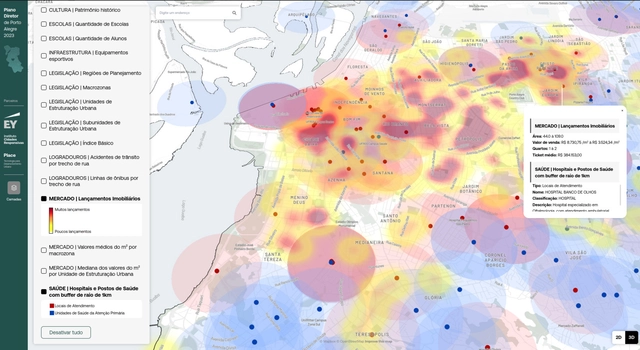
Musicians, advertisers, and renowned chefs are just some of the professionals who initially found inspiration and training in architecture before changing course. Beyond designing buildings, architecture promotes a comprehensive view of space, aesthetics, and functionality—all valuable skills in various fields. Architects are trained to think creatively and solve complex problems, applying this expertise to the development of all kinds of projects. With the help of technology and artificial intelligence tools, this field can expand even further. Contemporary urban development, in particular, faces complex challenges that require innovative solutions. An example of architects venturing into different areas beyond design or construction sites is the OSPA Group, based in Porto Alegre, Brazil. Although it began as an architecture firm, over the years it evolved to include three main vertical activities, each playing a crucial role in urban development: the Responsive Cities Institute, Urbe.me, and Place.
Alarming cases of climate disasters are a constant presence in world news. Last month's floods in southern Brazil gained special attention from heat waves and forest fires to droughts and cyclones. This tragedy, which left over half a million people homeless, was understood to be the result of a combination of factors, including human actions that have devastated ecosystems to create environmentally irresponsible cities.
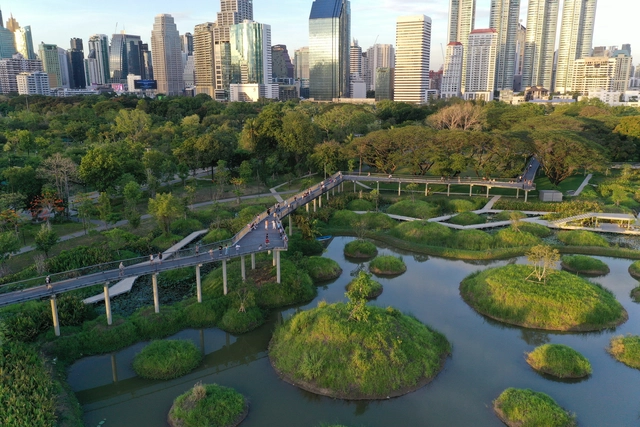
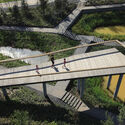
In this context, the work of Beijing-based architect Kongjian Yu, founder of the landscape architecture firm Turenscape, has gained international visibility and recognition, which included receiving the 2023 Cornelia Hahn Oberlander International Landscape Architecture Prize (“Oberlander Prize”). His "sponge cities" concept, designed to address and prevent urban flooding in the face of accelerated climate change, was adopted as national policy in China in 2013. This approach prioritizes large-scale nature-based infrastructures such as wetlands, greenways, and parks.
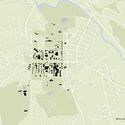
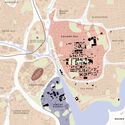
In London, where I live, there are 23 universities. Those universities make up an institutional population of nearly half a million people. In a city with almost 10 million residents, 5% may seem a small number, but it’s a significant one, roughly the population of Atlanta. Shrink the city, and the proportion can increase dramatically. In our neighbouring cities of Oxford (population 150,000), 40% of the population is institutional; in Cambridge (population 125,000), it’s 33%. Campus and city are so intertwined in those places that a plan for one is almost necessarily a plan for the other.
This article is the ninth in a series focusing on the Architecture of the Metaverse. ArchDaily has collaborated with John Marx, AIA, the founding design principal and Chief Artistic Officer of Form4 Architecture, to bring you monthly articles that seek to define the Metaverse, convey the potential of this new realm as well as understand its constraints. In this feature, architect John Marx interviews Peter Hirshberg, chairman, and Anna Fedorova, principal at the Maker City Project.
On April 10, 2024, the New York Landmarks Conservancy bestowed the Preservation Leadership Award to author and urbanist Roberta Brandes Gratz. A longtime preservation activist, Gratz served on the City’s Landmarks Preservation Commission. She also led the successful effort to restore the Eldridge Street Synagogue, now the Museum at Eldridge Street. The following is a slightly edited version of the speech Gratz delivered at the 34th annual Lucy C. Moses Preservation Awards.
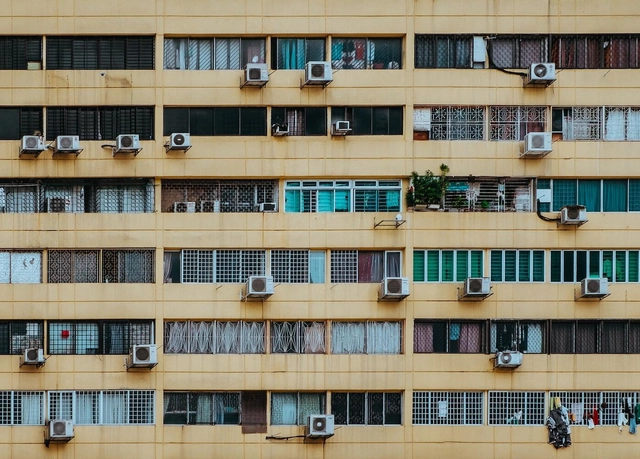
Between now and 2050, worldwide installation of cooling appliances, like air conditioning, is projected to triple, resulting in a twofold increase in energy consumption. This reliance on such devices, often seen as exacerbating global warming, poses a paradox: how can we fightrising temperatures in cities while simultaneously contributing to them through our dependence on these solutions?
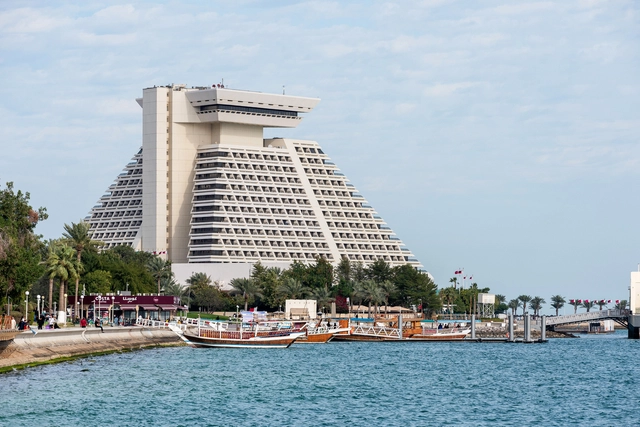
As part of the Design Doha 2024 Biennial, Glenn Adamson and Péter Tamás Nagy present the exhibition “Colors of the City: A Century of Architecture in Doha” investigating the architectural evolution of the capital of Qatar based on multiple global influences that characterize it. Running until March 30, 2024, the exhibition offers a journey through Doha's architectural history featuring various styles such as Classicism, Art Deco, and Modernism, contemplating the Qatari adaptations of these styles developed by architects from Europe, America, the Middle East, and South Asia.
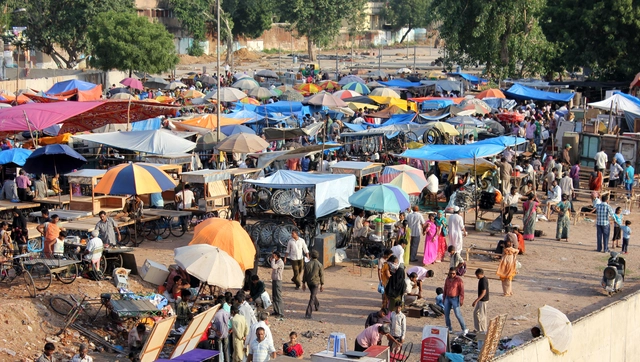
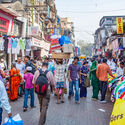
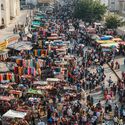
India's urbanscapes are characterized by a negotiation between the formal and the informal; permanence and impermanence. Structured amidst the concrete high-rises and planned neighborhoods, makeshift markets and bazaars form the core of city life. Often composed of sustainable structures, these transient commercial hubs exhibit a form of rudimentary architecture that spreads its roots deep in India's cultural and economic traditions.
The heart of India's informal urbanism lies in its public marketplaces and roadside bazaars that have existed for centuries. These urban zones have a history, believed to have originated from the era of traveling merchants and imperial trade relations. Today, these environments have evolved into dense labyrinths of impermanent shelters made from recycled tin sheets, tarpaulin canopies, and wooden poles. These bazaars organically transform neighborhoods into a choreographed chaos of vendors, goods, and the common public. Weekly markets are usually massive in scale and are set up every few days only to disappear again.
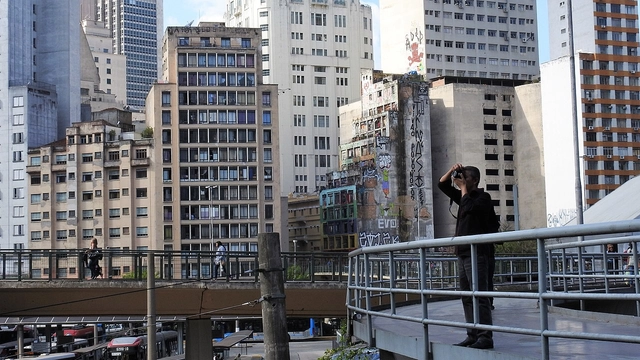
São Paulo. Image by joao batista Shimoto licensed under the Creative Commons Attribution-Share Alike 3.0 Unported license.
Considered the fifth most populous city in the world as of 2022, São Paulo is confronted with a multitude of challenges befitting its over 22 million inhabitants. Among the numerous urban issues faced, the depopulation of the city's historic center has been a recurring topic for at least four decades, with governments announcing measures that could potentially reverse the situation. In the meantime, the same center has witnessed a rise in housing occupations in abandoned buildings, highlighting the importance of its redefinition and residential potential.
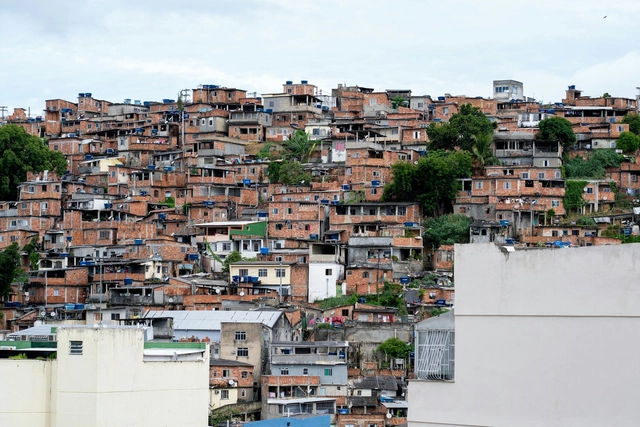
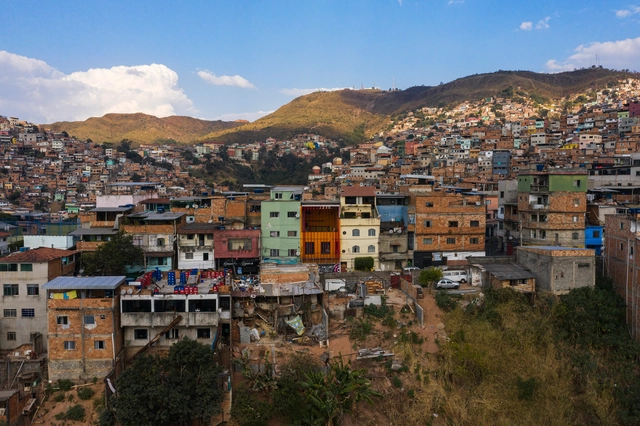
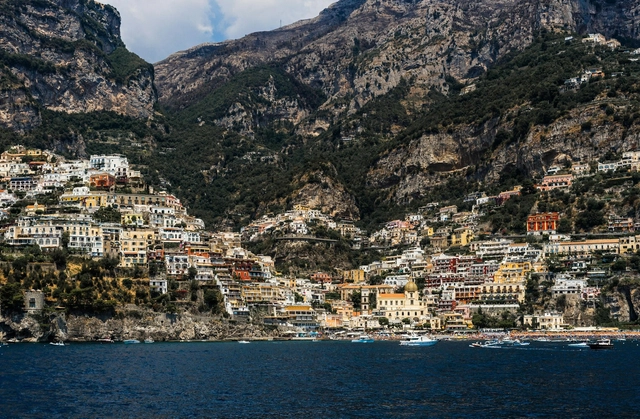
Throughout history, numerous cities worldwide have been settled and built on hillsides, where one can observe the myriad urban challenges they face due to their topographical conditions. However, beyond issues related to their urban infrastructure or transportation systems, which can become more complex due to the geography, hillside urban occupation typically involves various intersections of social, environmental, and economic issues.
These settlements are often inhabited by vulnerable and low-income communities, driven by a variety of motivations. Frequently, the lack of information about certain hazards, coupled with the scarcity of adequate housing policies, leads to decisions and actions that place these communities in high-risk situations, especially during the rainy season, resulting in a cycle that disproportionately affects the most marginalized residents.
Multifaceted and full of complexities, the scenario of architecture and urbanism in Latin America reveals nuances and specific challenges in the face of the issues faced by the various countries, such as social inequality, violence, and rapid urban growth. In this context, architectural practice plays a relevant role in the construction of possible and adequate solutions for each reality, highlighting the importance of reaffirming local references and narratives in this process. In the face of the hegemony established especially by North America and Europe, which often marginalizes Latin American architectural and urban achievements, especially those that are not even considered as such, the appreciation of this diversity and complexity becomes imperative for any thought and intervention regarding the region. Below, we have selected six interviews that help us understand the architecture of Latin America, and that contribute to a more contextualized and sensitive approach to its needs, potential, and richness. Emilio Lopez: Latin American architecture is experimenting with geography and resources Emilio López is an architect from the Pontifical Catholic University of Ecuador and holds a master's degree in the History and Theory of Architecture from the Polytechnic University of Catalonia. He affirms that he still lives in Ecuador, a territory with one of the world's greatest biodiversities. He points out that the geography, plants, climates, and cultures of the country are great stimuli, and he sustains that with architecture comes the possibility of immersion and blending with the environment, allowing oneself to be transformed by the other. He says that the strength of architecture lies in being a product of the immersive affection that implies rethinking its relationship with resources and the world in which it lives. Gabriela de Matos and Paulo Tavares: We seek to expand architecture from other stories and cultures Questioning the canonical history of architecture and shedding light on spatial practices long invisibilized is what Gabriela de Matos and Paulo Tavares propose. "It is our way of shaking things up," comment the curators, who turn their attention to ancestral ways of dealing with the earth, aiming at fairer and more comprehensive present and future possibilities. Addressing the earth in all the meanings that the word carries, the curators superimpose issues related to soil and territory with planetary issues, proposing an approach between reparations and decoloniality - emerging in the Brazilian context - with broad topics such as decarbonization and the environment, decisive in the contemporary global debate. Sergio Ferro: In our construction field, the only way out would perhaps be to "brush history against the grain" Sergio Ferro is a Brazilian architect, artist, historian, and architecture critic who, due to his political activism during the military dictatorship, was imprisoned and exiled to France in the 1970s. Throughout his career, he observed and intervened in the spaces of civil construction production, developing a critique of the production of plastic arts and architecture based on the construction process and its agents: the construction site, technologies, materials, and the builder. Taller General: Our definition of architecture is collectively shaped Taller General is a meeting point where Martín Real and Florencia Sobrero, among other members and collaborators, gather daily to do what they are passionate about: channeling their creativity through architecture, merging all aspects that shape their lives, from activism to teaching. Based in Ecuador, the team undergoes changes according to the needs of the projects and, most of the time, expands, with a collaborative work that allows sharing different perspectives, opinions, and practices, enriching the environment and generating results that would be unimaginable individually. EseColectivo: The minimum we consider in our exercise is not to waste ESEColectivo is an architecture studio composed of Belén Argudo, José de la Torre, Santiago Granda, and Pablo Silva based in Quito, Ecuador. Their interests focus on experimenting with alternative building materials, with an emphasis on technologies and logic. In their conception process, they seek to reconcile sustainable low-impact strategies with the specific needs and limitations of each project so that their results are heterogeneous and different in terms of the type of methodological and technical approach. Coletivo Levante: We experience a coexistence that brings forth affections, dialogues, values, and aspirations for an inclusive and participatory transformation Focused on the development of architecture projects in slums and outskirts, the action of Coletivo LEVANTE has shown great sensitivity to the characteristics and particularities of these contexts. According to the group, "the recognition of what already exists and is attributed with values lived and conquered by the residents of the favelas - landscape, constructions, identities, and relationships" is what they seek as the raw material of the projects. The Coletivo team is currently formed by Alan Franca, Amanda Castilho, Anna Lobato, Fernando Maculan, Marcos Franchinni, Nattalia Bom Conselho, Giovanna Camisassa, Helder Machado, Kdu dos Anjos, Maria Soalheiro, Marina Vilela, Matheus Angel, Pedro Assis, Rafael Yanni, and Ricardo Lobato. However, as the works of LEVANTE have shown, the network of professionals, suppliers, partners, and collaborators is extensive and expands beyond the collective itself, proving to be a valuable factor for the realization of their projects.
Living in cities built on geographical slopes is a unique and challenging experience. While these areas can offer panoramic views and impressive landscapes, the steep topography presents a series of challenges in terms of urban planning, structural safety, and socio-environmental risks. These cities require special care and solutions in the design of streets, buildings, and infrastructure, as well as an understanding that, for reasons of environmental safety and population well-being, not all areas should be occupied.
The convergence of artificial intelligence (AI) and urban planning holds significant promise for creating more intelligent, efficient, and sustainable cities. This fusion entails the integration of cutting-edge technologies that can guide decision-making, enhance resource allocation, predict trends, engage citizens, and more. In this framework, where AI is seen as a tool for advancing various urban aspects, there has been a surge in the development of applications, software, and other technological systems tailored to support urban planning. Below, we have highlighted some global studies and technologies applied from urban morphology to community involvement.
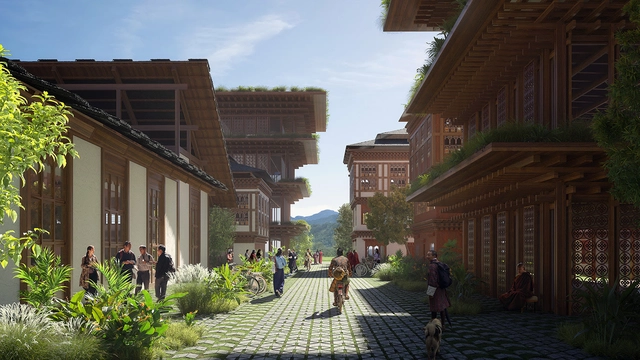
BIG unveils "Mindfulness City", which unites historical heritage and the future of Bhutan. Courtesy of Bjarke Ingels Group
Recently, the renowned Danish office BIG announced the launch of its project for the city of Gelephu in Bhutan. This masterplan is inspired by the country's culture and its principles of happiness. The "Mindfulness City" aims to offer numerous possibilities for public engagement, fostering investments in infrastructure, education, and sustainable technologies—all aligned with the precepts of Gross National Happiness (GNH).
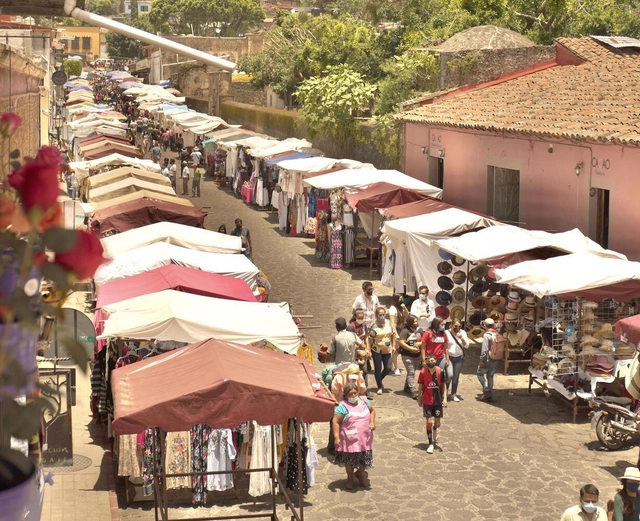
via Unsplash | Street fair in Tepoztlán, Mexico. Photo by Karo Kujanpaa
Usually defined by their open-air settings, diverse offerings, local and independent sellers, temporary nature, and acting as social hubs, street markets have been around for thousands of years. From the days of the Roman Forum to the Silk Road and the markets of ancient Greece, they are undoubtedly essential parts of urban life, or “the center of all that is unofficial.” Mostly categorized under the informal economy due to lack of regulations and authorization, street markets in the global south have often been seen as a threat to urban development. However, these erratic and adaptive urban spaces serve core functions in any developing city, acting as pillars of community in many different facets of society.
Policymakers and city officials have long struggled with informality, considering it the “antithesis of modernity.” Conventionally, the informal economy consists of activities with market value but are not formally registered, often unregulated, undocumented, and operating outside the incentive system offered by the state. Street vendors, specifically in the global south, constitute a substantial portion of the informal economy. Moreover, as cities grow and approach development, public spaces become more contested and privatized, leading to an overall mission to remove street markets or push them into formalization.
When internationally acclaimed music icons like Beyoncé, Taylor Swift, and Paul McCartney announce their global tours, the anticipation sparked by revealing the countries and respective host cities is met with thorough preparations. These preparations aim to adapt to the array of changes that will unfold in the urban spaces of these cities due to the impact of these events. These mega-concerts extend beyond the musical realm; they transcend the stage to mobilize significant financial figures and result in various transformations in the everyday urban life of these cities. Even though these events do not last long, they instigate alterations in diverse spheres and urban sectors, including tourism, hospitality, food, and transportation.