1. ArchDaily
  2. Urbanism

Urbanism: The Latest Architecture and News

It’s Time to Blur the Boundaries Between Town and Gown

This article was originally published on Common Edge.

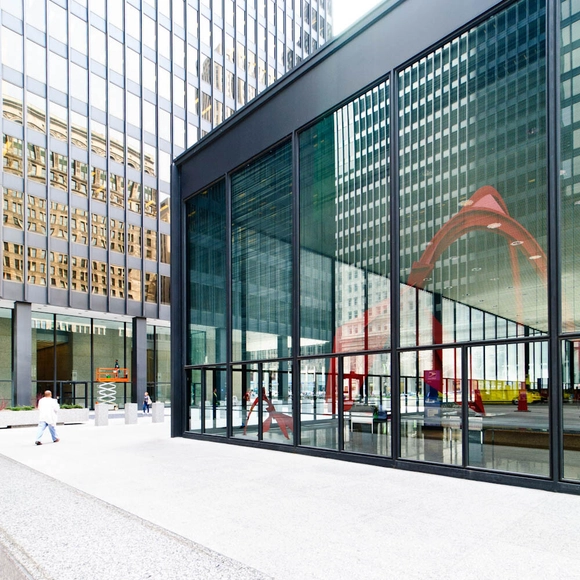
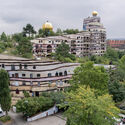
In London, where I live, there are 23 universities. Those universities make up an institutional population of nearly half a million people. In a city with almost 10 million residents, 5% may seem a small number, but it’s a significant one, roughly the population of Atlanta. Shrink the city, and the proportion can increase dramatically. In our neighbouring cities of Oxford (population 150,000), 40% of the population is institutional; in Cambridge (population 125,000), it’s 33%. Campus and city are so intertwined in those places that a plan for one is almost necessarily a plan for the other.

It’s Time to Blur the Boundaries Between Town and Gown - Image 1 of 4It’s Time to Blur the Boundaries Between Town and Gown - Image 2 of 4It’s Time to Blur the Boundaries Between Town and Gown - Image 3 of 4It’s Time to Blur the Boundaries Between Town and Gown - Image 4 of 4It’s Time to Blur the Boundaries Between Town and Gown - More Images+ 1

AI, Data, and Predicting Urbanism: Interview with Peter Hirshberg and Anna Fedorova

This article is the ninth in a series focusing on the Architecture of the Metaverse. ArchDaily has collaborated with John Marx, AIA, the founding design principal and Chief Artistic Officer of Form4 Architecture, to bring you monthly articles that seek to define the Metaverse, convey the potential of this new realm as well as understand its constraints. In this feature, architect John Marx interviews Peter Hirshberg, chairman, and Anna Fedorova, principal at the Maker City Project.

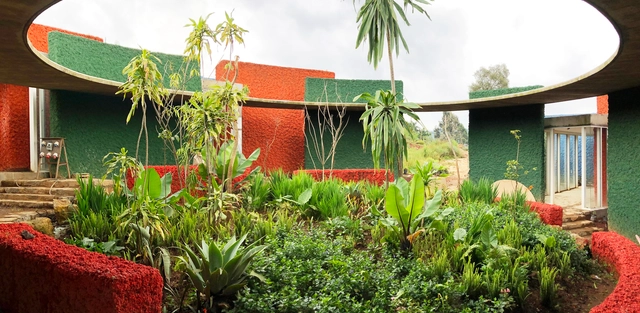
AI, Data, and Predicting Urbanism: Interview with Peter Hirshberg and Anna Fedorova - Image 1 of 4AI, Data, and Predicting Urbanism: Interview with Peter Hirshberg and Anna Fedorova - Image 2 of 4AI, Data, and Predicting Urbanism: Interview with Peter Hirshberg and Anna Fedorova - Image 3 of 4AI, Data, and Predicting Urbanism: Interview with Peter Hirshberg and Anna Fedorova - Image 4 of 4AI, Data, and Predicting Urbanism: Interview with Peter Hirshberg and Anna Fedorova - More Images+ 3

Developers Are Dangerously in Control of New York City

This article was originally published on Common Edge.

On April 10, 2024, the New York Landmarks Conservancy bestowed the Preservation Leadership Award to author and urbanist Roberta Brandes Gratz. A longtime preservation activist, Gratz served on the City’s Landmarks Preservation Commission. She also led the successful effort to restore the Eldridge Street Synagogue, now the Museum at Eldridge Street. The following is a slightly edited version of the speech Gratz delivered at the 34th annual Lucy C. Moses Preservation Awards.

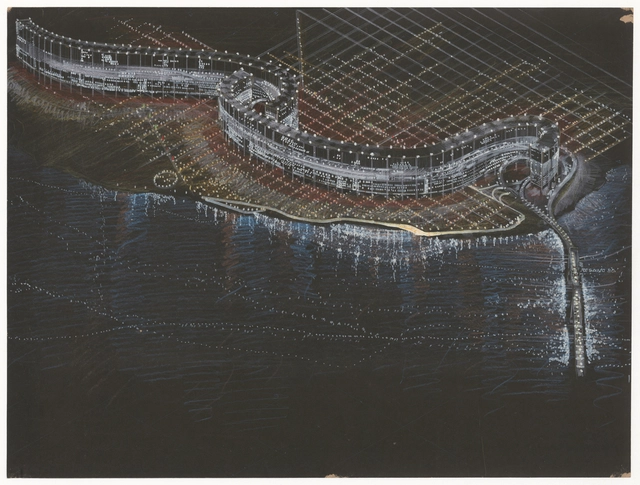
Developers Are Dangerously in Control of New York City - Featured ImageDevelopers Are Dangerously in Control of New York City - Image 1 of 4Developers Are Dangerously in Control of New York City - Image 2 of 4Developers Are Dangerously in Control of New York City - Image 3 of 4Developers Are Dangerously in Control of New York City - More Images

Successes and Contradictions in Urban Center Retrofitting: The Case of São Paulo

Subscriber Access | 

Considered the fifth most populous city in the world as of 2022, São Paulo is confronted with a multitude of challenges befitting its over 22 million inhabitants. Among the numerous urban issues faced, the depopulation of the city's historic center has been a recurring topic for at least four decades, with governments announcing measures that could potentially reverse the situation. In the meantime, the same center has witnessed a rise in housing occupations in abandoned buildings, highlighting the importance of its redefinition and residential potential.

Between Slopes and Inequalities: Risky Urban Occupations and Environmental Racism

Subscriber Access | 

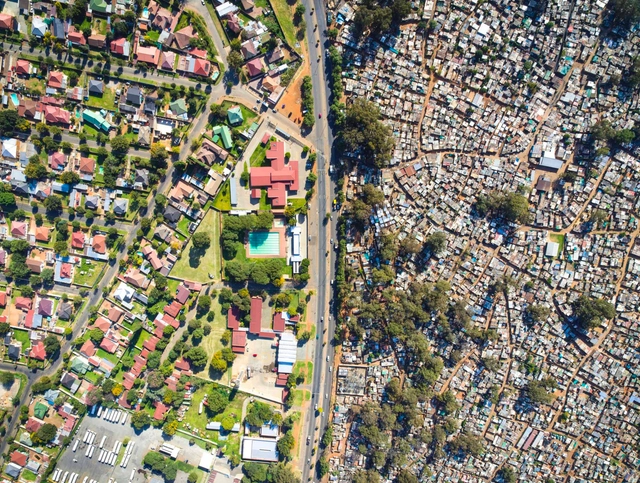
Throughout history, numerous cities worldwide have been settled and built on hillsides, where one can observe the myriad urban challenges they face due to their topographical conditions. However, beyond issues related to their urban infrastructure or transportation systems, which can become more complex due to the geography, hillside urban occupation typically involves various intersections of social, environmental, and economic issues.

These settlements are often inhabited by vulnerable and low-income communities, driven by a variety of motivations. Frequently, the lack of information about certain hazards, coupled with the scarcity of adequate housing policies, leads to decisions and actions that place these communities in high-risk situations, especially during the rainy season, resulting in a cycle that disproportionately affects the most marginalized residents.

Between Slopes and Inequalities: Risky Urban Occupations and Environmental Racism - Image 1 of 4Between Slopes and Inequalities: Risky Urban Occupations and Environmental Racism - Image 2 of 4Between Slopes and Inequalities: Risky Urban Occupations and Environmental Racism - Image 3 of 4Between Slopes and Inequalities: Risky Urban Occupations and Environmental Racism - Image 4 of 4Between Slopes and Inequalities: Risky Urban Occupations and Environmental Racism - More Images+ 4

Six Interviews to Understand Latin American Architecture

Subscriber Access | 

Multifaceted and filled with complexities, the landscape of architecture and urbanism in Latin America unveils specific nuances and challenges in light of the issues faced by various countries, such as social inequality, violence, and rapid urban growth. Within this context, architectural practice assumes a significant role in crafting feasible and appropriate solutions tailored to each reality, emphasizing the importance of reaffirming local references and narratives in this process.

In the face of the established hegemony, particularly by North America and Europe, which often marginalizes Latin American architectural and urban achievements, especially those not even recognized as such, the appreciation of this diversity and complexity becomes imperative for any consideration and intervention in the region. Below, we have selected six interviews that aid in understanding the architecture of Latin America and contribute to a more contextualized and sensitive approach to its needs, potential, and richness.

Six Interviews to Understand Latin American Architecture - Image 1 of 4Six Interviews to Understand Latin American Architecture - Image 2 of 4Six Interviews to Understand Latin American Architecture - Image 3 of 4Six Interviews to Understand Latin American Architecture - Image 4 of 4Six Interviews to Understand Latin American Architecture - More Images+ 4

Urban Challenges of Hillside Cities

Subscriber Access | 

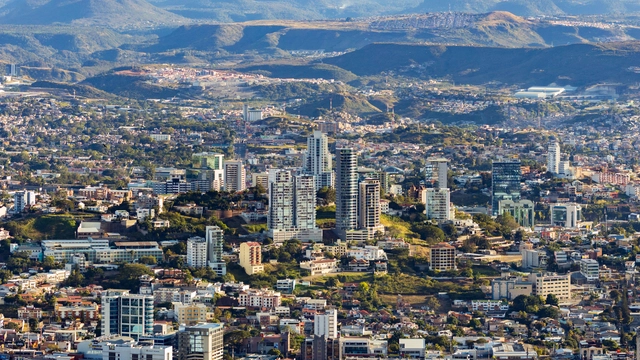
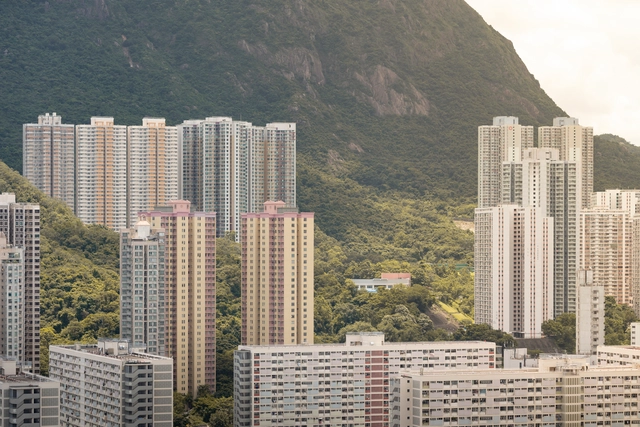
Living in cities built on geographical slopes is a unique and challenging experience. While these areas can offer panoramic views and impressive landscapes, the steep topography presents a series of challenges in terms of urban planning, structural safety, and socio-environmental risks. These cities require special care and solutions in the design of streets, buildings, and infrastructure, as well as an understanding that, for reasons of environmental safety and population well-being, not all areas should be occupied.

Artificial Intelligence and Urban Planning: Technology as a Tool for City Design

Subscriber Access | 

The convergence of artificial intelligence (AI) and urban planning holds significant promise for creating more intelligent, efficient, and sustainable cities. This fusion entails the integration of cutting-edge technologies that can guide decision-making, enhance resource allocation, predict trends, engage citizens, and more. In this framework, where AI is seen as a tool for advancing various urban aspects, there has been a surge in the development of applications, software, and other technological systems tailored to support urban planning. Below, we have highlighted some global studies and technologies applied from urban morphology to community involvement.

How Television Narratives Shape Urban Imaginaries

Subscriber Access | 

Cities are not just inert landscapes or lifeless settings; they play active and significant roles in shaping numerous television narratives. Whether in series or soap operas, urban environments play a fundamental role not only as the backdrop where plots unfold but also in shaping the developments of storylines, their creations, guidelines, and contexts. While, on the one hand, cities and their urban cultures contribute to the composition of various small screen plots, on the other hand, television programs can also help shape a certain idealized imagination about these urban spaces, generating unrealistic expectations and perpetuating a series of stereotypes about the represented cities.

How Television Narratives Shape Urban Imaginaries - Image 1 of 4How Television Narratives Shape Urban Imaginaries - Image 2 of 4How Television Narratives Shape Urban Imaginaries - Image 3 of 4How Television Narratives Shape Urban Imaginaries - Image 4 of 4How Television Narratives Shape Urban Imaginaries - More Images+ 2

Urban Staircases: Vertical Poetry in Cities

Subscriber Access | 

Staircases facilitate transit and movement within cities, influencing how communities interact and navigate their urban surroundings. Despite often going unnoticed within the cityscape, these staircases are significant witnesses to history. Beyond their architectural function, they are essential connectors, providing spaces where the pulse of urban life unfolds. Amidst buildings, hills, slopes, and bustling streets, staircases emerge as dynamic stages for movements, encounters, and disconnections, intertwining with the narratives embedded in each step.

Urban Staircases: Vertical Poetry in Cities - Image 1 of 4Urban Staircases: Vertical Poetry in Cities - Image 2 of 4Urban Staircases: Vertical Poetry in Cities - Image 3 of 4Urban Staircases: Vertical Poetry in Cities - Image 4 of 4Urban Staircases: Vertical Poetry in Cities - More Images+ 15