1. ArchDaily
  2. Urbanism

Urbanism: The Latest Architecture and News

Public Protests and the Urban Legacies of Colonialism and Military Dictatorship in Nigeria

Subscriber Access | 

This article was originally published on Common Edge.

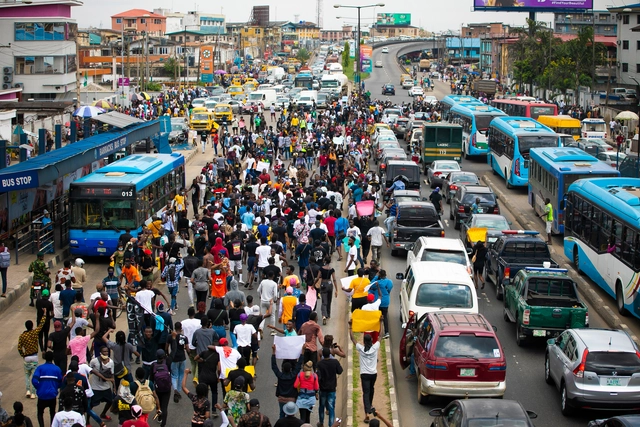
For the past two weeks, cities across Nigeria were hit by protests against the notorious Special Anti-Robbery Squad (SARS), a police unit setup in 1992 to fight armed robberies. The anti-SARS protesters are calling for the unit’s disbandment, due to its high-handedness, extra-judicial killings, extortion, and numerous human rights abuses.

Tragically, the protests came to a brutal climax on October 20, with the shooting of protesters at the Lekki Tollgate by gunmen believed to be agents of the Nigerian state. This led to casualties, which are currently a subject of controversy: the Lagos State government concedes that two persons lost their lives; groups like Amnesty International insist the figures are much higher.

Henning Larsen Designs New Masterplan for Wolfsburg, Germany, Home City of Volkswagen

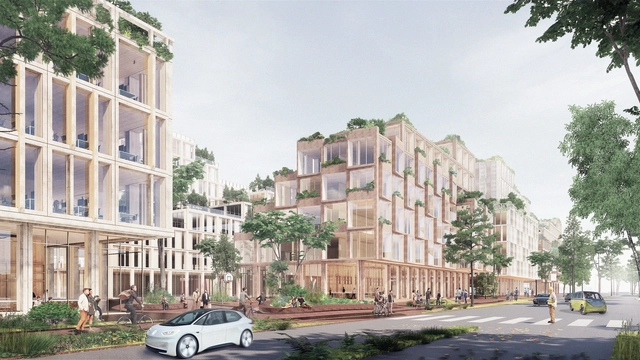
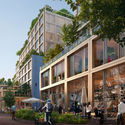
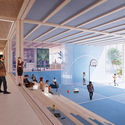
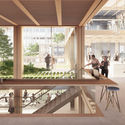
Creating new standards for a more connected and livable city, Henning Larsen has designed a New Masterplan for Wolfsburg, Germany. The new prototype for urbanism across the European continent diffuses new energy in the city center. Selected to design the project in a competition in 2019 that included competitors UNStudio and Bjarke Ingels Group, Henning Larsen’s proposal for phase 1 is expected to reach completion by 2023.

Henning Larsen Designs New Masterplan for Wolfsburg, Germany, Home City of Volkswagen - Image 1 of 4Henning Larsen Designs New Masterplan for Wolfsburg, Germany, Home City of Volkswagen - Image 2 of 4Henning Larsen Designs New Masterplan for Wolfsburg, Germany, Home City of Volkswagen - Image 3 of 4Henning Larsen Designs New Masterplan for Wolfsburg, Germany, Home City of Volkswagen - Image 4 of 4Henning Larsen Designs New Masterplan for Wolfsburg, Germany, Home City of Volkswagen - More Images+ 1

A New Urban Model for a New Project of Society: An Interview with Tainá de Paula

A New Urban Model for a New Project of Society: An Interview with Tainá de Paula - Featured Image
Tainá de Paula. Image: Publicity Photo

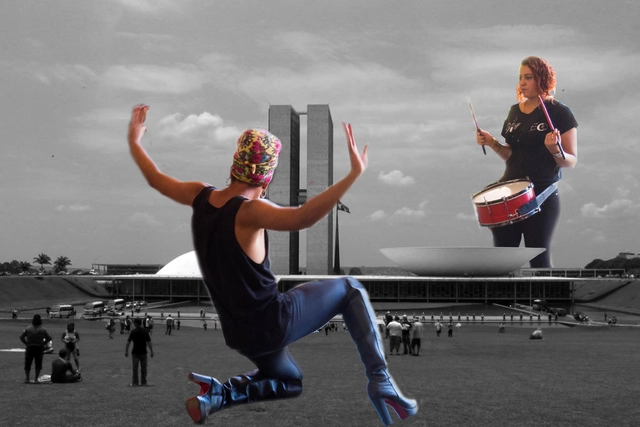
Approaching the context of widening political divides and growing economic inequalities. A new spatial contract. Learning how will we live together. These thoughts brought by Hashim Sarkis, curator of the 17th International Architecture Exhibition of Venice Biennale 2021, may raise important questions about how architecture crosses and materializes social and political conflicts. To understand a more decentralized point of view, which indicates possibilities other than those dictated by normative mindsets, we interviewed Tainá de Paula, a Brazilian architect and community mobilizer in poor suburban areas.

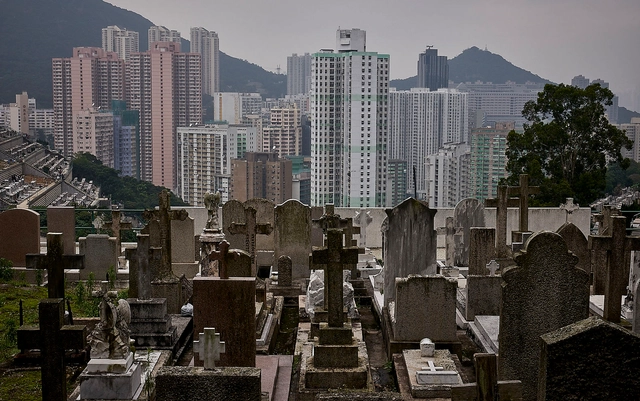
No More Room for the Living or the Dead: Exploring the Future for Burials in Asia

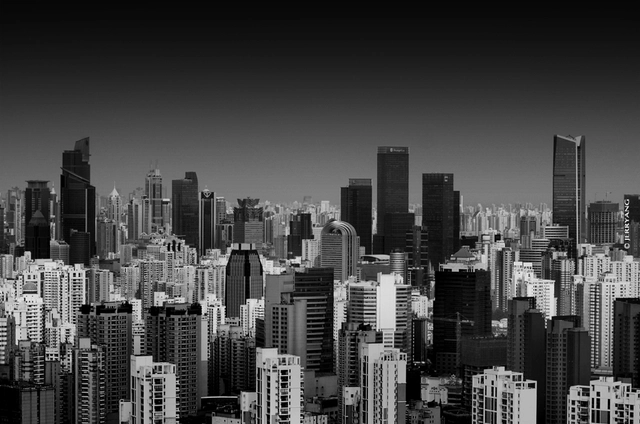
In some of the most dense cities around the world, it’s becoming an increasing challenge to find a comfortable space to live- and similar for when you die, too. It’s estimated that 55 million people pass away each year, and for every one living person today, there are 15 times the number of deceased. Yet urban planners and architectural developers are more interested in dealing with the living than dabbling in the business of death. As a result, it’s created tension in the two parallel worlds- and as time goes on, more questions are being raised about how we address public space that can be designed so that both the living and the dead can coexist.

Revitalized Public Spaces: Fostering Human Connections in Cities

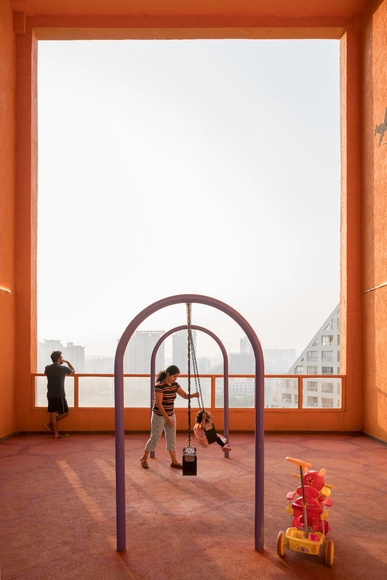
Revitalized Public Spaces: Fostering Human Connections in Cities  - Image 1 of 4Revitalized Public Spaces: Fostering Human Connections in Cities  - Image 2 of 4Revitalized Public Spaces: Fostering Human Connections in Cities  - Image 3 of 4Revitalized Public Spaces: Fostering Human Connections in Cities  - Image 4 of 4Revitalized Public Spaces: Fostering Human Connections in Cities  - More Images+ 25

Public space has always been a top priority in every city’s urban planning agenda and given today’s world context, these urban spaces have emerged as fundamental elements of cities and neighborhoods. Plazas, squares, and parks, undeniable necessities in the urban fabric, have become, today, more vital than ever.

Carlos García Vázquez: "The Modern Urbanism Has Rediscovered Traditional Cities"

Three years ago, in the wake of the release of his book Theories and History of the Modern City ("Teorías e Historia de la Ciudad Contemporánea", 2016, Editorial Gustavo Gili), we sat down with the author, Carlos García Vázquez, to discuss this complex and "uncertain creature' that is the modern city, focusing on the three categories that define cities today: Metropolis, Megalopolis, and Metapolis.

Based on an analysis of those "who have traditionally led the way in the planning of spaces" (sociologists, historians, and architects), the book illustrates the social, economic, and political forces that, in service to their own agendas, drive the planning, transformation, exploitation, and development of cities. In 120 years, urban centers have transformed from places where "people died from the city" to bastions of personal development and economic prosperity; however, the question remains —have cities really triumphed?

"Yes", says García Vásquez, "but we have paid dearly for it."

Carlos García Vázquez: "The Modern Urbanism Has Rediscovered Traditional Cities" - Image 1 of 4Carlos García Vázquez: "The Modern Urbanism Has Rediscovered Traditional Cities" - Image 2 of 4Carlos García Vázquez: "The Modern Urbanism Has Rediscovered Traditional Cities" - Image 3 of 4Carlos García Vázquez: "The Modern Urbanism Has Rediscovered Traditional Cities" - Image 4 of 4Carlos García Vázquez: The Modern Urbanism Has Rediscovered Traditional Cities - More Images+ 6

After All, Who Do We Build Architecture and Urbanism for?

What would all the built environments be without its users? This question may make it easier to understand that not only do architecture and urbanism sustain themselves as physical spaces, but they also gain meaning mainly through the human and non-human movements and bonds, that - together with the architectural or spontaneous traces that make up the urban landscape - provoke the sensations that each individual feels in a unique way.

Bryan C. Lee on Design Justice and Architecture’s Role in Systemic Racism

This article was originally published on Common Edge.

In the rage, furor, and sorrow that followed the murder of George Floyd, one voice in the architecture community managed to put the nation’s centuries-overdue reckoning with race into the larger context of the built environment. Earlier this month, CityLab published architect Bryan C. Lee Jr.’s essay “America’s Cities Were Designed to Oppress,” an impassioned polemic on design and race that also had the great virtue of offering up specific solutions.

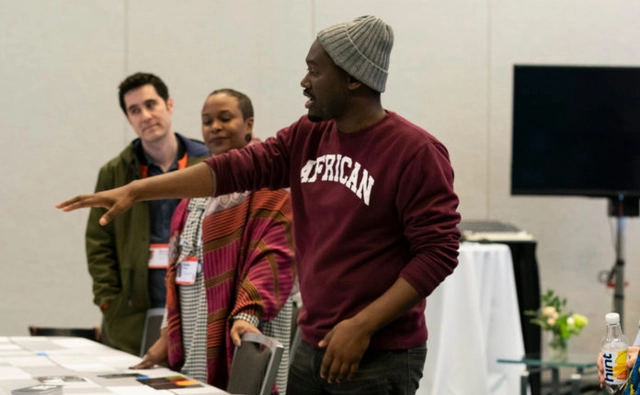
Lee is the founder and design principal of Colloqate, a New Orleans–based design and public advocacy firm that was named an Emerging Voice in 2019 by the Architectural League of New York. Colloqate led the Paper Monuments project in 2017, a public art and public history campaign that was launched in conjunction with the successful fight to remove the Confederate statues in New Orleans. In addition to its advocacy work, the firm is currently working on architectural projects in Portland, Toronto, and New Orleans. Last week I talked with Lee about his essay, the charged moment that we’re in, and where the nation goes from here.

Paul Goldberger on Architecture, Cities, and New York’s Long Road Back

This article was originally published on Common Edge.

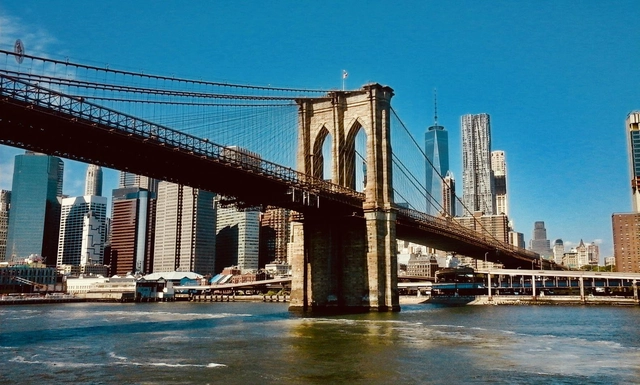
In recent weeks, we’ve seen an explosion of internet speculation about the “future of cities.” Apparently, they are either doomed—or destined to prevail. The office is dead (obviously), the office tower (especially tall ones) clearly a building type in need of a proper funeral. All kinds of chatter have subsequently ensued (we have time on our hands) about the dire outlook for public space, the impending collapse of public transportation, the inevitable return to the suburbs, even the (gasp!) demise of the luxury cruise ship. We’ll see; we’re still wandering around in the dark here and might be for some time. With that somber thought in mind, I reached out to Paul Goldberger, Pulitzer Prize-winning architecture critic and urbanist, for what I felt certain would be a nuanced and measured take on our presently fraught moment. (A note: we spoke prior to the protests, which have erupted in American cities in response to the murder of George Floyd.) For the most part, we resisted the urge to make sweeping and almost certainly premature predictions about our urban future.

Gardens, Parks, and Boulevards: Mapping Green Spaces Via Satellite

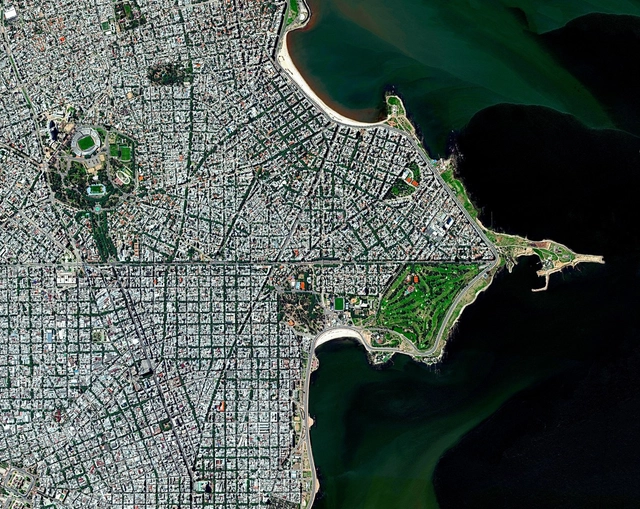
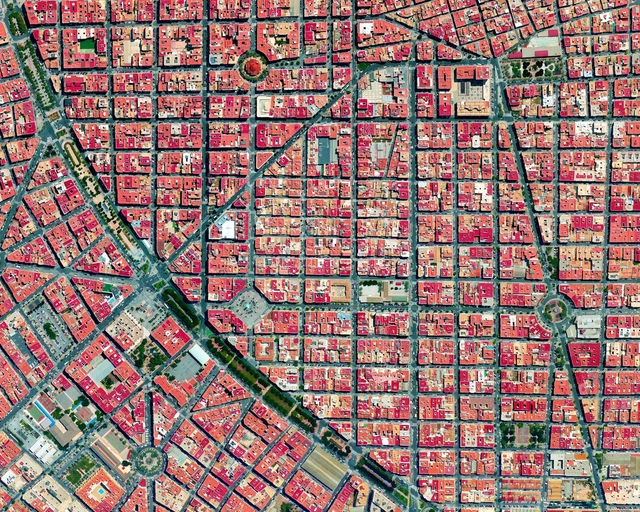
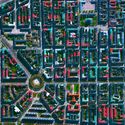
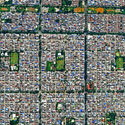
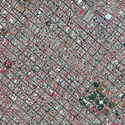
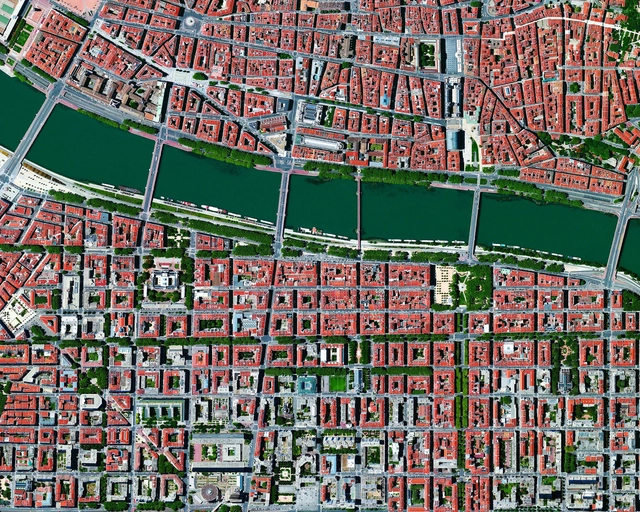
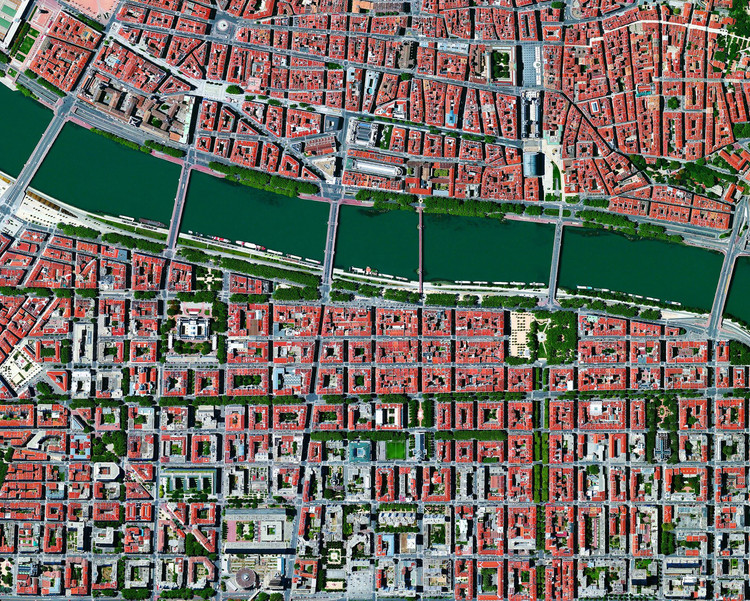
There are a plethora of benefits associated with urban green spaces, namely pollution control, temperature regulation, and biodiversity--all of which ultimately add to the quality of life of city dwellers. Like other urban common areas used for sports and recreational activities, green spaces have a direct impact on the health and well being of the residents who use them.

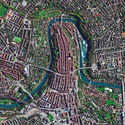
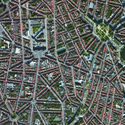
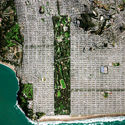
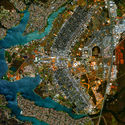
Gardens, Parks, and Boulevards: Mapping Green Spaces Via Satellite - Image 4 of 4Gardens, Parks, and Boulevards: Mapping Green Spaces Via Satellite - Image 8 of 4Gardens, Parks, and Boulevards: Mapping Green Spaces Via Satellite - Image 12 of 4Gardens, Parks, and Boulevards: Mapping Green Spaces Via Satellite - Image 13 of 4Gardens, Parks, and Boulevards: Mapping Green Spaces Via Satellite - More Images+ 11

How Community Participation can Assist in Architectural and Urban Post-Disaster Reconstruction

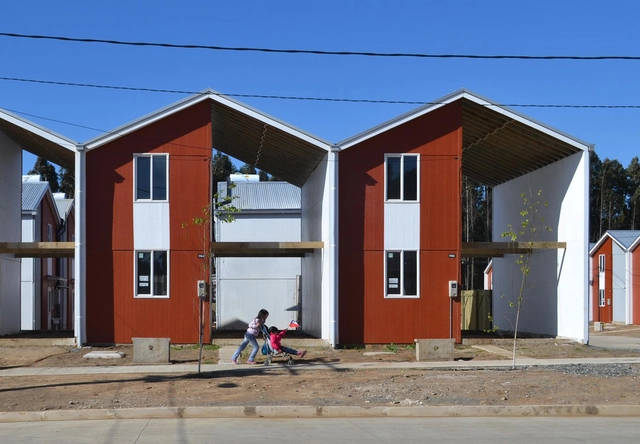
The concepts of autonomy, collaboration, and participation have gained relevance in architecture and urbanism through collaborative actions involving the community, architects, urban planners, and designers. As the number of climate disasters has significantly increased - doubling in the last 40 years according to a report released in 2016 by CRED (Centre for Research on the Epidemiology of Disasters) - in addition to conflicts and other tragedies, the demand for the rebuilding of houses and infrastructure in affected areas has grown simultaneously. This has called for a major collaborative effort in architectural and urban reconstruction.