Nearly 40% of the energy produced in the U.S. is used for building operations. The near-central role of buildings in the global climate and energy scenario makes it crucial for architects, engineers and building owners to take appropriate action. These stakeholders can help reduce the carbon footprint of the building through strategic design decisions.
Conventionally, the active modes of heating, cooling, ventilation and lighting utilize energy-intensive electrical processes. On the other hand, passive measures help maintain indoor thermal comfort using the inherent physical and thermal properties of the building envelope and its surroundings
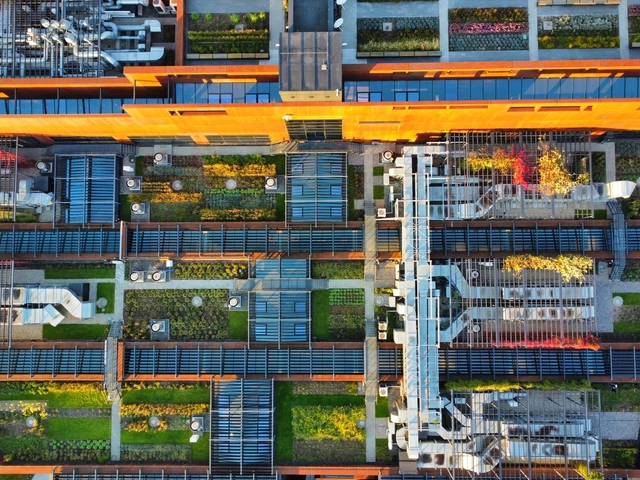
Typically, a well-designed and well-operated building uses envelope-level passive measures to minimize the thermal loads first. Then, it uses energy-efficient active modes of heating, cooling, ventilation and lighting. This article highlights 4 key envelope-level passive strategies to implement for decarbonizing building systems.
As the holiday season approaches, so do college application deadlines. SCI-Arc’s priority deadline is January 15, 2023, at 11:59pm. All applicants that submit by the priority deadline will have their application reviewed for merit-based scholarship consideration.
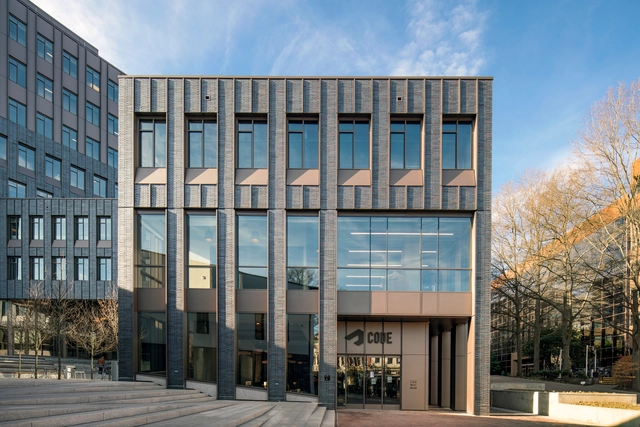
CODE Building / Wolf Ackerman, EskewDumezRipple. Image Courtesy of Kingspan
A 2022 United Nations report claims that the negative impacts of the climate crisis are mounting much faster than scientists predicted less than a decade ago. Rising greenhouse-gas emissions could soon outstrip the ability of many communities to adapt, and the consequences will continue to hit the world’s most vulnerable populations. As climate scientist Maarten van Aalst suggests, “Any further delay in global action on adaptation and mitigation will miss a brief and rapidly closing window of opportunity to secure a livable and sustainable future for all.” The data is clear: to protect our planet, we need to prevent a 1.5°C rise in global temperatures this century. To do so, the world must achieve a 45% reduction in global carbon emissions from 2010 levels to 2030, to then reach a net-zero state by 2050. It is evident, however, that we are on track to miss this goal by a substantial amount. The clock is ticking, and every industry should act fast (and drastically) to even dream of greener cities.
When Facebook changed its name to Meta, millions of people began wondering, "What is the metaverse?"
Put simply, it's a virtual space where people can collaborate with one another and interact with places and things. It began gaining popularity amid the waves of COVID-19, meeting a need as the pandemic drew on. Today, it looks like the metaverse is set to become business as usual.
Expected to grow to USD 426.9 billion by 2027, the metaverse is a lucrative platform for brands to develop immersive experiences for consumers. Gaming companies such as Epic Games and Roblox have already hosted virtual events, and clothing retail giants Gucci and Nike have launched interactive experiences of their own.
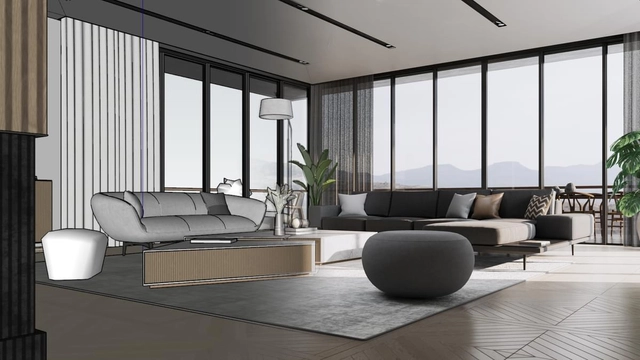
Real-time visualization takes a 3D architectural model and transforms it into something that can be used to communicate with those less technically inclined. Your vision and design intent can be understood easily, which allows you to make decisions faster.
Architectural visualization technology has made this process accessible, but many tools on the market claim to offer the same thing; real-time updates, a seamless design experience, and high-quality, industry-standardized renderings. So, how do you know which one to choose?
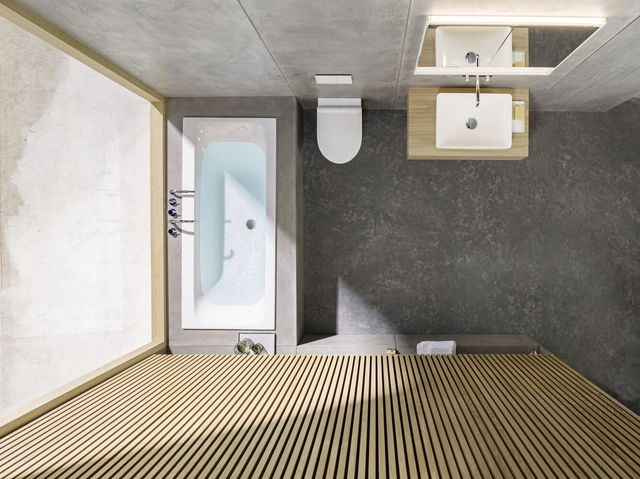
Winning Design. Bjerg Arkitektur, Denmark. Image Courtesy of Geberit
As living spaces are becoming more scarce and expensive, design must create innovative strategies that maintain a balance between functionality and aesthetic expression, enhancing the creation of smaller spaces. With this goal in mind, Geberit has launched a competition across six European countries –Germany, France, Great Britain, Switzerland, Czech Republic and Denmark– to reimagine the bathroom inside a 6 m2 space, a common size in the urban environment that still allows for different layouts.
While offering a realistic approach, these proposals work as a guide on how to design bathrooms that optimize space and, at the same time, combine different products, materials and colors accordingly (and creatively).
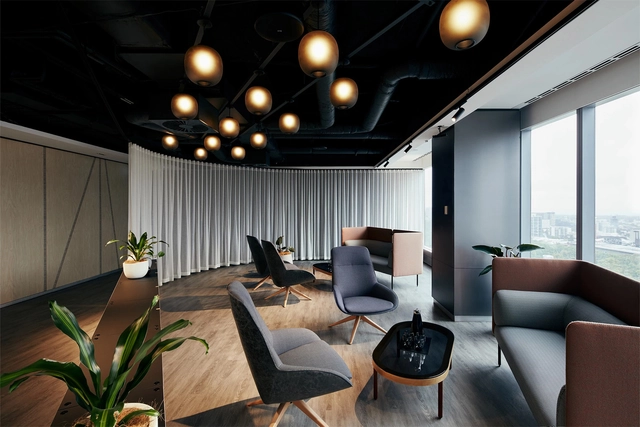
Representing the values of a company, without falling into obviousness and clichés, is quite a challenge for architects. This was the case for Rezen and Templewell, who were commissioned to design the headquarters for IGO, a leading exploration and mining company based in South Perth, Australia. Contrary to the obvious "brutality and harshness" that immediately comes to mind when we think of this extractive activity, the project seeks its antithesis: a space designed for the people who work there, exploring textures, sober palettes, and pleasant surfaces. The office has been selected among the five winners of the 2022 Shaw Contract Design Awards "Best of Globe".
Taking a shower goes far beyond the act of sanitizing. For many, it is the place where the best ideas and epiphanies emerge. Others turn the shower into a stage, rehearsing lines and allowing themselves to sing or pretend to receive an award. Showering can also reduce stress, as well as improve mood and body function: studies show that a shower can activate the parasympathetic nervous system, which is basically a network of nerves that relaxes the body after periods of stress or danger.
Ambitious technologists have claimed for decades that self-driving cars are the future. Yet, looking at recent years, the biggest revolution has come from vehicles on two wheels, not four. Fueled by the pandemic, increased oil prices, climate change and the desire for healthier lifestyles, we are now living in the midst of a bicycle renaissance. But to understand how we got here, it is crucial to look back. When the automobile became more widespread in the early 1900s, it quickly became a symbol of progress along with all it entailed: speed, privatisation and segregation. Adopting a car-centric approach, urban planners had to reorganise entire cities to separate traffic. Cars took over public spaces that used to host dynamic city life and parking lots, highways and gas stations became common landscapes. Pedestrians that once ruled the streets were herded into sidewalks and children relegated to fenced playgrounds. Ironically, cities were being designed for cars (not humans).
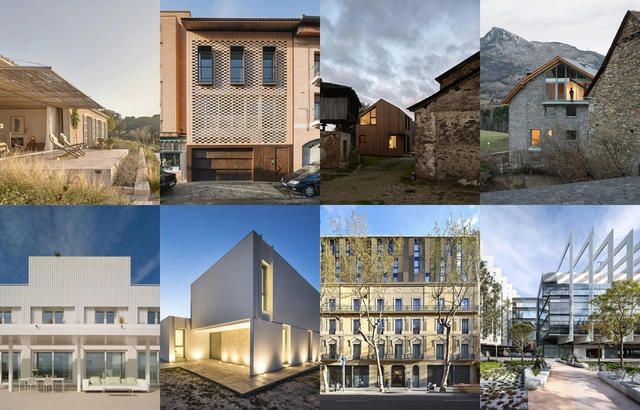
The following Spanish buildings illustrate how it is possible to tackle sustainability from several perspectives. In one way or another, their architects and designers have succeeded in transforming what was an imperial necessity into the project's main strength.
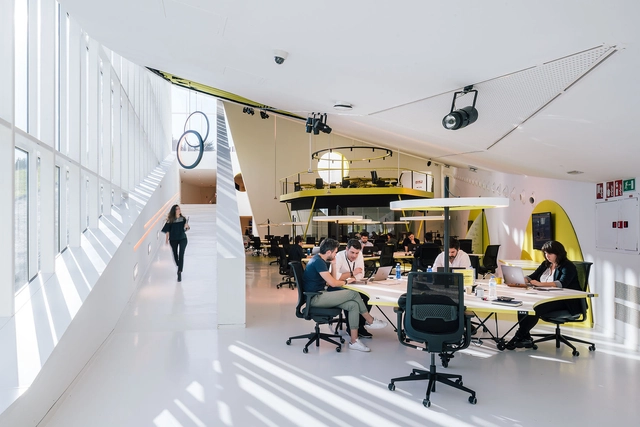
By re-energising the existing building’s meeting floors, the EY Melbourne Project takes a step forward towards collaborative spaces and the way to reinvent workplaces. Within an architectural layout that combines adaptive reuse with the incorporation of featured products, Gensler designs a flexible space which has been selected among the five winners of the 2022 Best of Globe Winner.
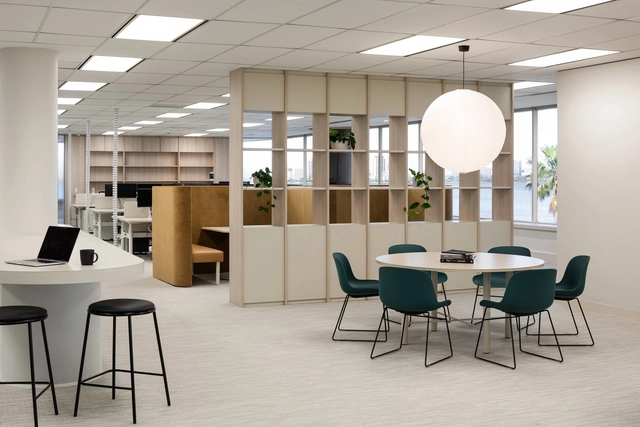
Across Europe, more and more companies are investing in refurbishment. Hoteliers are increasingly seeking out creative design solutions to develop more creative, unique offerings. Airports and train stations are hiring passenger experience experts to create more human centric design solutions. Companies are downsizing physical offices, while exploring ways to enhance remote workplace culture. Employees are prioritizing meaningful work, smaller teams, and opportunities to collaborate, coach, develop skills and get inspired.
And as the line between the physical and digital world is increasingly blurred, a future of interacting in virtual spaces like the Metaverse is quickly becoming a reality.
Largely driven by rural migration to cities and overall population growth, 68% of people worldwide will live in urban areas by 2050. By doing so, many will benefit from greater access to basic services, proximity to public transportation, and better education and employment opportunities. But the pursuit of living urbanized lives also leads to isolation from the outdoors –be it a forest, a meadow or the mountains– that can negatively impact our physical and mental health. Exposure to nature has long been proven to reduce stress levels, boost mood, foster productivity and, above all, enhance well-being. So, considering we typically spend around 93% of our time indoors (and that the pandemic has magnified that statistic), now more than ever we find ourselves seeking a connection with the outdoors and all its inherent benefits. Architects thus face the important challenge of bringing nature in, which is precisely where biophilic design comes into play.
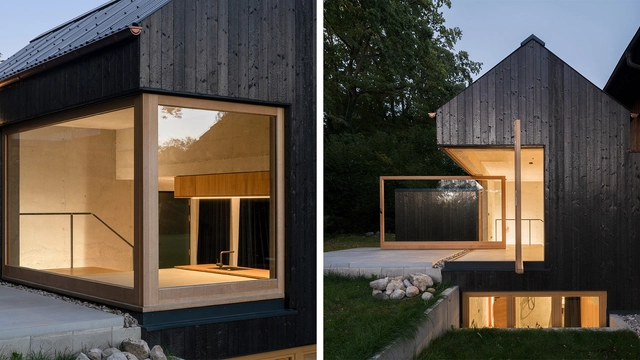
Austria – Designed by Büro Wagner – Made by Bau- und Möbelschreinerei Leutenbauer / Photography by Florian Holzherr . Image
This year saw another round of amazing submissions for the FritsJurgens Best Pivot Doors 2022, with an astonishing amount of high-end pivot doors collected – both for interior and exterior doors, movable walls, hidden passages, and more. After a period of deliberation, the jury has made their decision: take a look below at the winners of FritsJurgens Best Pivot Doors of 2022.
Cities concentrate opportunities and exchanges, culture and business, while, at the same time are a key contributor to climate change. They are highly complex organisms, with multiple actors involved, that bring to light underlying social interests and conflicts present in society. In 2007, the world's urban population surpassed the rural and this difference has been increasing ever since. According to the 2018 Revision of World Urbanization Prospects report, 55% of the world's current population lives in urban areas, rising to 68% by 2050. This will represent an increase of 2.5 billion people in urban areas, with almost 90% of this increase occurring in Asia and Africa. The Smart Sustainable Cities: Reconnaissance Study also points out that urban centers account for 67% of global energy demand, emit 70% of greenhouse gases and, on top of it all, buildings consume 40% of all energy worldwide. The prospect of a mostly urban world, along with the alarming onset of climate change, both raise challenges regarding living conditions in the coming decades and centuries, and all the implications that will accompany these changes.
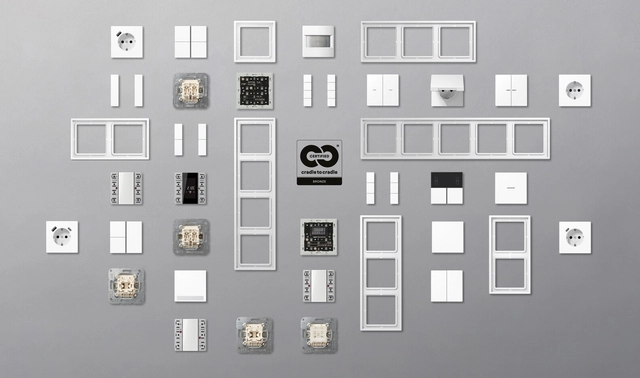
Frames, inserts, modules - hundreds of individual elements from JUNG have successfully gone through the Cradle to Cradle certification process. The LS 990, LS CUBE, AS 500, A 550, A FLOW, A CREATION series from JUNG in white are now Cradle to Cradle certified. Image Courtesy of JUNG
Annually, 13% of the waste generated by humans is recycled, but where does the remaining 87% go? The combination of different types of waste is gradually filling the Earth’s oceans and landfills, leading to a negative impact on wildlife, the natural environment and human health. Within the large amounts of solid waste produced in developed cities, used electronics are a clear example of how materials can be efficiently managed after their life cycle ends. Understanding the behavior of these materials and resources before, during and after their useful life cycle has guided the search for new solutions, such as the Cradle to Cradle (C2C) methodology.
C2C proposes the design of products or processes that function as a healthy ecological system, where resources are efficiently managed in a cyclical way. By applying this methodology to electric appliances, JUNG has developed circular design strategies for their most-used switches and plugs for conventional and smart building technology, allowing them to be dismantled and reused when the product is no longer fit for use.
Cross-border guests catch up Cross-border guests catch up at the forumat the forum. Image Courtesy of Shaoxing Jianhu Planning and Design Competition
From October 29th to 30th, 2022, the Final Review Meeting, Award Ceremony and Cross-border Forum of the 「Beyond YUE|Jianhu Revival」Shaoxing Jianhu Planning and Design Competition were successfully held at Jianhu in Keqiao. After 11 months of international competition, gathering talents from all over the world and global wisdom, the design and cultural event was held in October to kickstart the transformation of Shaoxing's Jianhu.
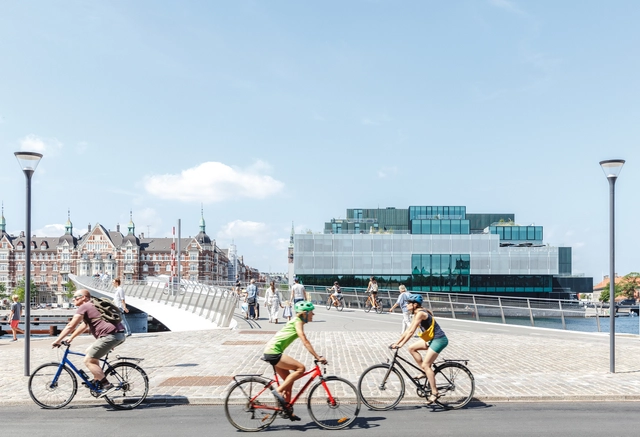
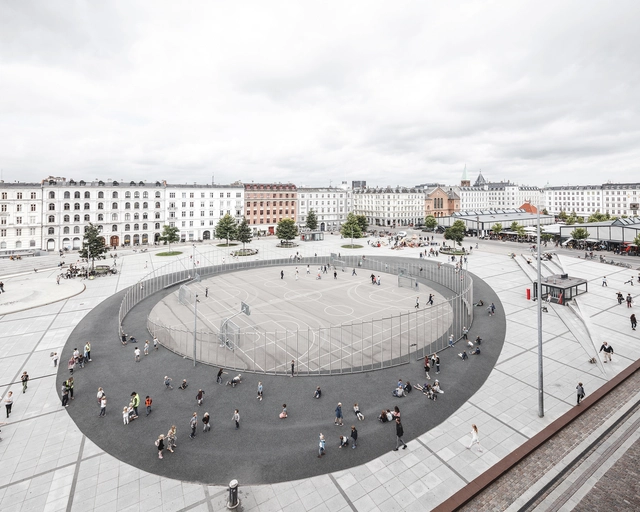
"Life, space, buildings - in that order". This phrase, from the Danish urban architect Jan Gehl, sums up the changes that Copenhagen has undergone in the last 50 years. Currently known as one of the cities with the highest levels of quality of life satisfaction, the way its public spaces and buildings were and are designed have inspired architects, government authorities and urban planners around the world. What we see today, however, is the result of courageous decision-making, much observation and, above all, designs that put people first. Copenhagen will be the UNESCO-UIA World Capital of Architecture in 2023 as well as host of the UIA World Congress of Architects due to its strong legacy in innovative architecture and urban development, along with its concerted efforts in matters of climate, sustainability solutions and livability.