

-
Architects: Plainoddity
- Area: 77 m²
- Year: 2022
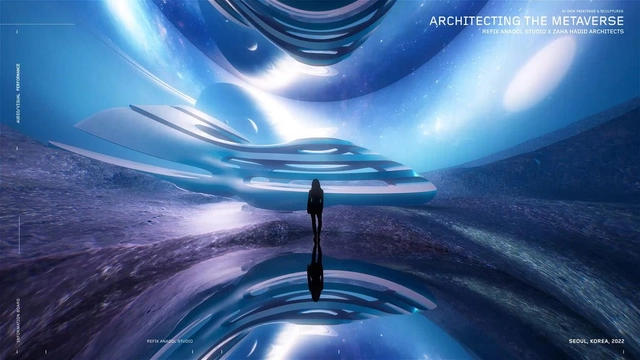
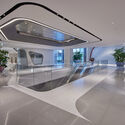
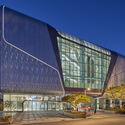
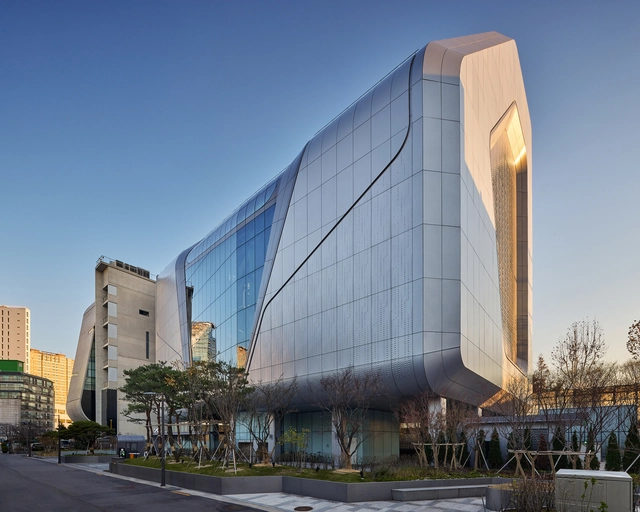
Dongdaemun Design Plaza (DDP) has collaborated with Zaha Hadid Architects (ZHA) for the 'Meta-Horizons: The Future Now' exhibition in Seoul, Korea. Designed by ZHA to promote the instigation and exchange of new ideas and to showcase innovative technologies and media, the inaugural exhibition of DDP’s new Design Museum explores ZHA’s work across multiple fields, from digital technology to artificial intelligence and virtual reality, featuring the firm's recent designs, process, and research that incorporates immersive technologies and new fabrication techniques. The exhibition will be on display from 26 May - 18 September 2022.


Over the past two decades, urban highways' social and economic ramifications have been brought into focus as a large part of this mid-century infrastructure comes to the end of its lifespan, prompting conversations over its role in contemporary urban planning. Freeway removal entails the replacement of the transport infrastructure with new urban developments, green amenities and alternative street grids to promote a healthier urban environment and smart growth. In some cases, the idea of removing highways is met with concern over the potential increase in traffic and gentrification of the areas adjacent to the road, but the pandemic has further exacerbated the need for quality public spaces and brought once again into question the hegemony of the car. The following highlights various highway removal projects, discussing how these interventions restore the urban fabric, reknit communities and recover urban spaces for city dwellers.


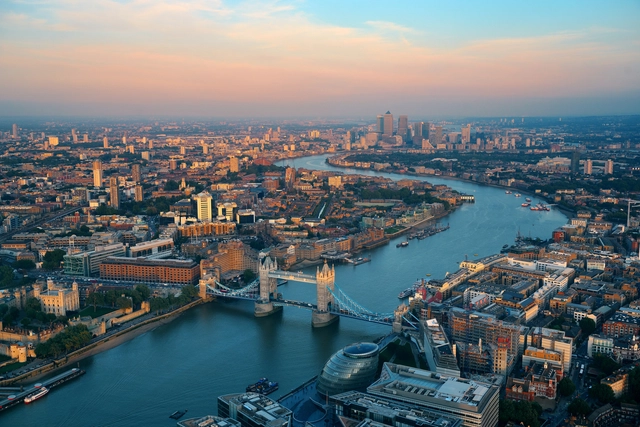
Global Finance's ranking of the world's best cities to live in, during 2022 has just been released. Centered on 8 different parameters that calculate and compare the quality of life of people living in urban areas such as economy, culture, population, environment, etc., this year’s edition also took into consideration Covid-19 deaths per thousand for each country, to reflect the new reality we live in. With data from the Global City Power index, Johns Hopkins University, Statista, and Macrotrends, the list seeks to have a complete vision, putting together traditional metrics with new factors.
Claiming the first position is London, U.K, a city that although didn’t get high rankings in its Covid-19 metrics, still topped the list, mainly due to its scores in culture, accessibility, and population growth. Tokyo was selected for the second position, showing weakness in one parameter, population, as its numbers have been declining for the past 10 years. Shanghai followed next, in the third position, because of relatively low Covid-19 death figures and strong population growth. Singapore and Melbourne came in 4th and 5th positions.


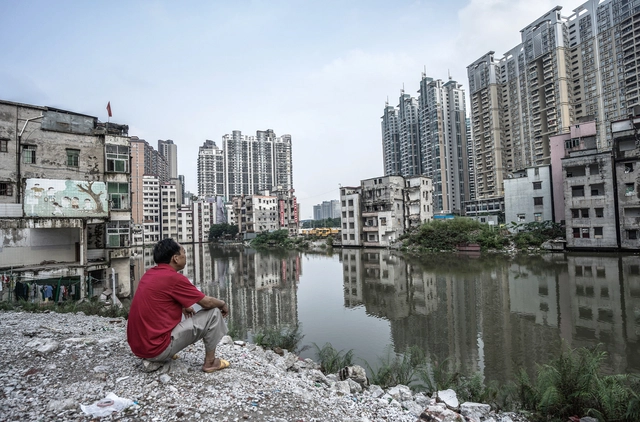
As is obvious to anyone with even a passing interest in demographics, cities are becoming denser—much denser. Rural life continues its steady emptying-out as urban life accelerates its explosive filling-in. The tilt has been apparent at least since the middle of the last century when the French geographer Jean Gottmann invented the word “megalopolis” to describe the continuous urbanization from Boston to Washington, D.C., then containing one-fifth of the United States’ population. But nowhere has the shift from countryside to city been more dramatic than in present-day Asia.

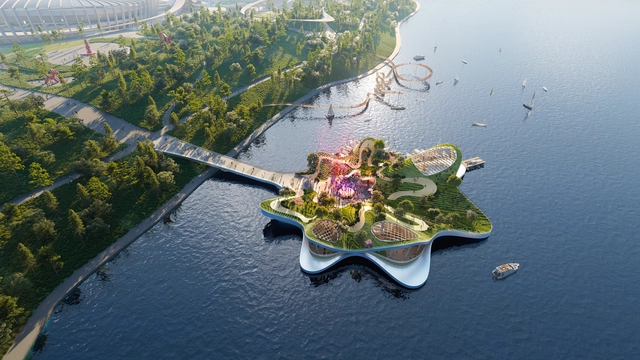
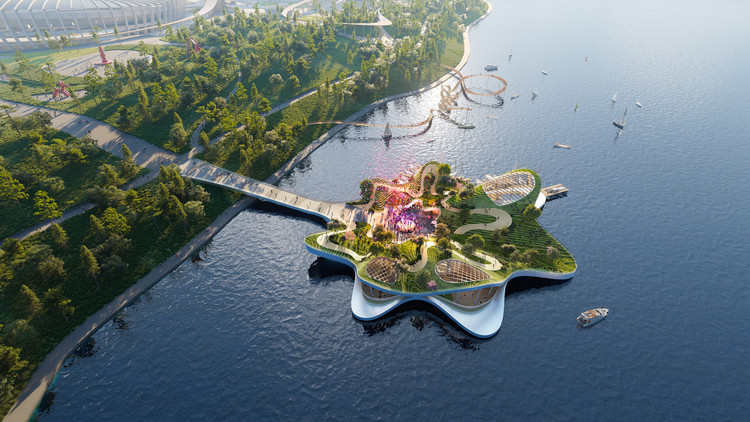
Following the Seoul Metropolitan Government's announcement of reviving and expanding the city's Olympic Jamsil Sports–MICE Complex, Heatherwick Studio has proposed a dynamic multi-leveled pier that promotes notions of "community spirit, activity, equality, play, and togetherness". Titled The Leaf, the project will feature plant-covered platforms built on the Han River, and will offer visitors recreational and cultural spaces across a floating platform.


During the last quarter of 2021, Herzog & de Meuron completed the construction of three museums: M+ in Hong Kong, 433 MKM Museum Küppersmühle Extension in Duisburg, and 473 SONGEUN Art Space in Seoul. To celebrate this milestone and highlight the projects' varied approaches to the presentation of art as culturally-enriching platforms, the firm has put together a video compilation of all three projects alongside each other, showcasing the different approaches to their contexts and geographical locations, spatial requirements and materiality, and how all three of them share a collective focus to foster the exchange between people and culture.
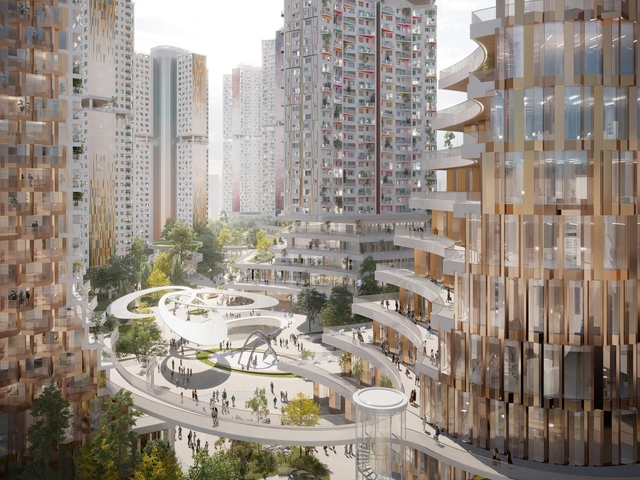
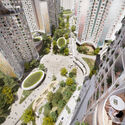
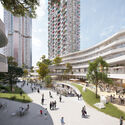
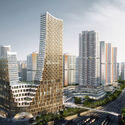
UNStudio has revealed the design for Project H1, a tech-assisted masterplan for a 10-minute neighbourhood in Seoul that would cater to the digital economy. The project transforms an industrial site and railyard into a dense mixed-use urban environment containing all the amenities of contemporary living within a 10-minute walk. This pedestrian-friendly, diverse neighbourhood is complemented by a digital infrastructure developed by UNSense, providing a framework for managing energy production and consumption, local food production, and the shared use of communal spaces.


.jpg?1653902387 "ZHA_RAS_Architecting the Metaverse Render. Image Courtesy of RAS")
.jpg?1653902366 "ZHA_RAS_Architecting the Metaverse Render. Image Courtesy of RAS")

.jpg?1653901572 "ZHA_RAS_Architecting the Metaverse. Image © Kyungsub Shin")