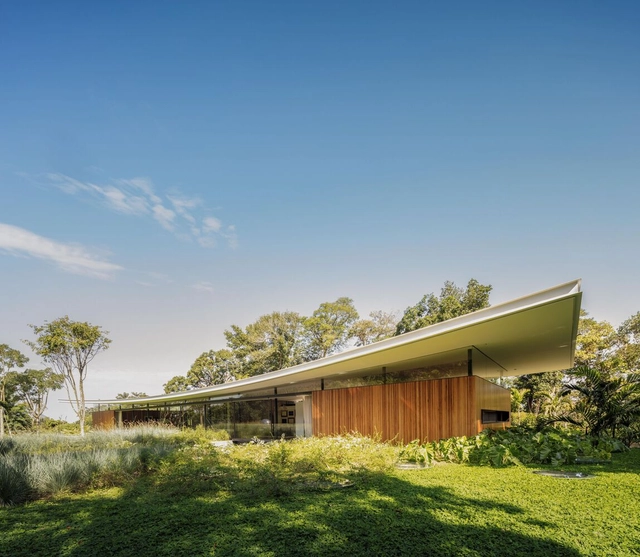
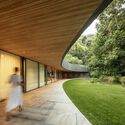
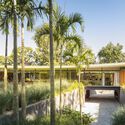
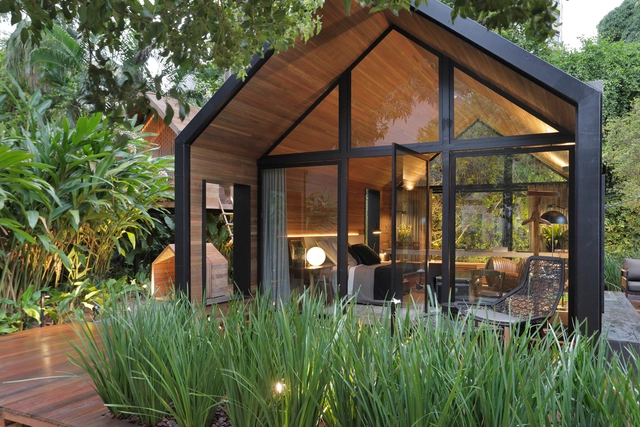
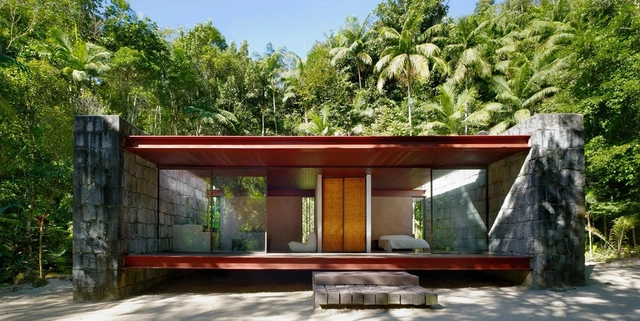
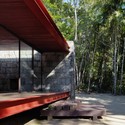
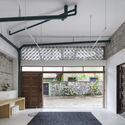
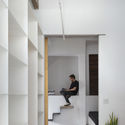
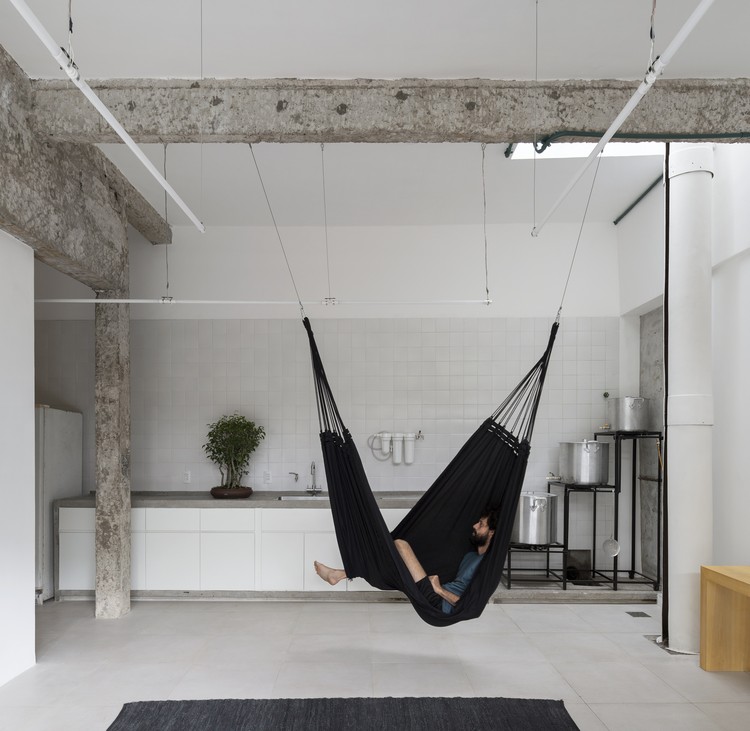
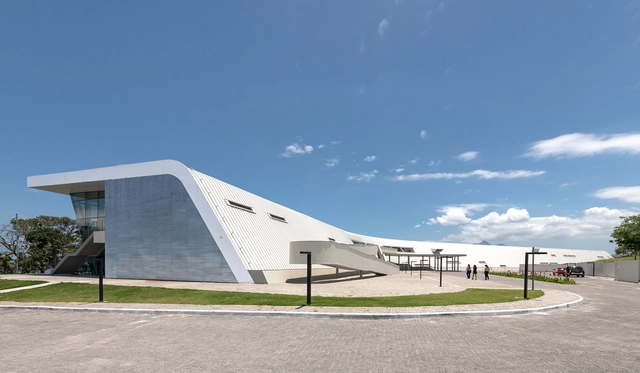
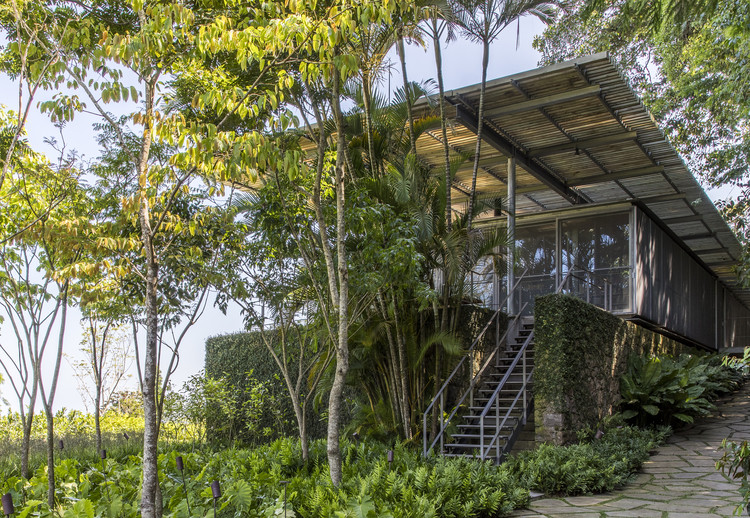
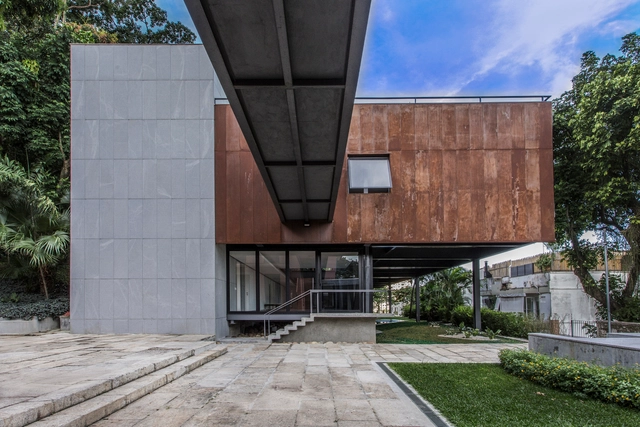
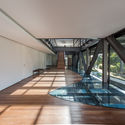
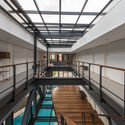
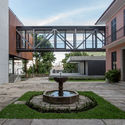
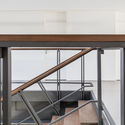
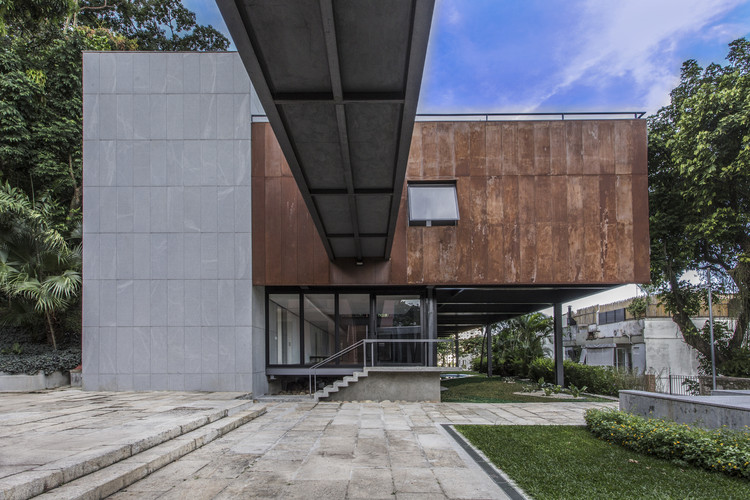
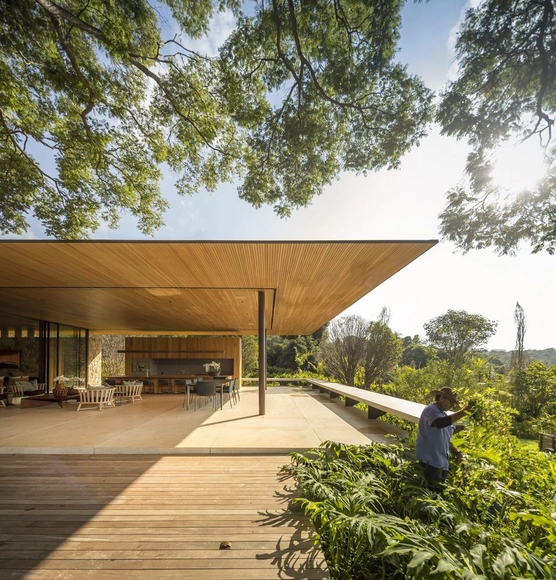
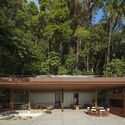
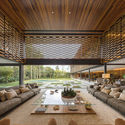
Intense integration between the built environment and its natural context: this is the premise that surrounds the projects of Jacobsen Arquitetura, from Rio de Janeiro. Founded 45 years ago, the office emerged from the union between architects Paulo Jacobsen and Cláudio Bernardes, who worked together until Bernardes' death in 2001. After that, Paulo joined forces with Thiago, Cláudio's son, starting a new office. The partnership with Thiago Bernardes fell apart in 2012, giving rise to the formation of Jacobsen Arquitetura, whose partners are Paulo and Bernardo Jacobsen (Paulo’s son) and Edgar Murata.
Paul Clemence has released a new series of images showcasing the incomplete construction of Diller Scofidio + Renfro's Copacabana Museum of Image and Sound (MIS). The project first took shape in 2014 but was completely suspended in 2016. Although the project has been untouched since then, a recent announcement by Governor Cláudio Castro promised the revival of construction works at the museum, with an expected public opening in early 2023.
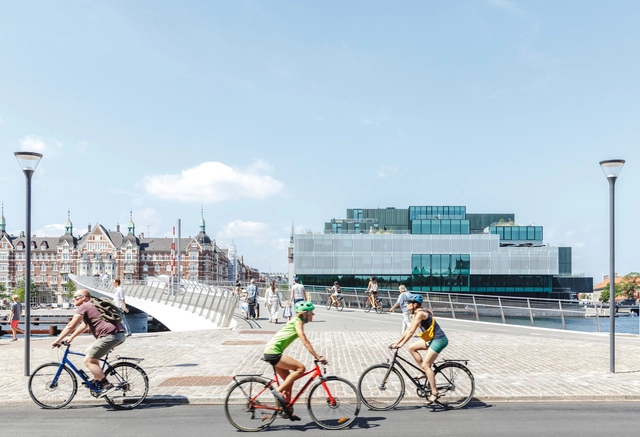
Following Rio de Janeiro’s inaugural hold of the title, Copenhagen has been named World Capital of Architecture for 2023 by UNESCO and will host the International Union of Architect’s World Congress 2 years from now. At its second edition, the initiative supported by UNESCO in partnership with UIA is meant to highlight the role of architecture and urban planning in shaping a sustainable future and tackling global challenges. Designated triennially, the city World Capital of Architecture will become an international forum for debate around issues related to the urban environment.
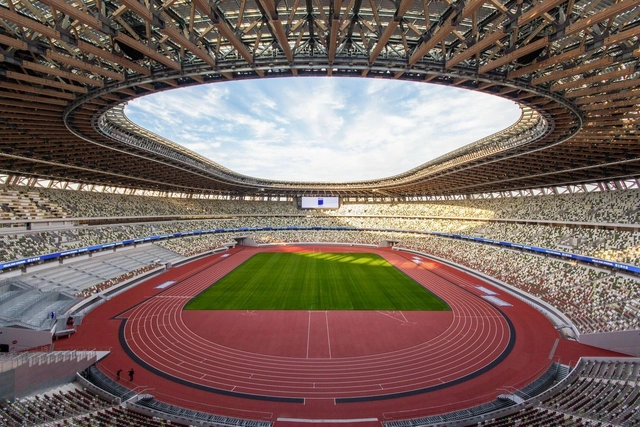
Since their inception in 1896, modern-day Olympics have been regarded by hosting cities as an opportunity to project to the world a specific image of themselves, to subsidize large infrastructure projects, or to rapidly unfold redevelopment schemes. Past the frequently discussed eye-catching stadiums, there is a complex story of Olympic urbanism, which encompasses the large scale developments catalyzed by the event. Exploring the urban and architectural legacy of the Games, the success stories, the white elephants, and the administrative agendas, the following discusses what the Olympics leave behind in the hosting cities.
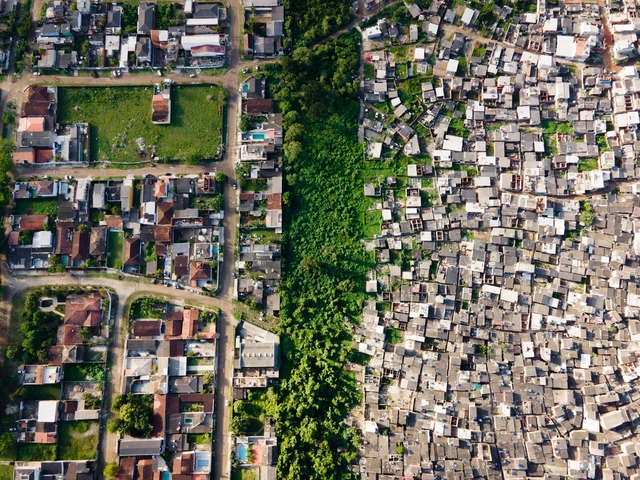
Most people are familiar with the concept of social and economic inequality, but although it affects a large part of the world's population, it is still somewhat abstract for many people. Photographer Johnny Miller intends to make it visible through his project Unequal Scenes, capturing images of spatial inequality from a very revealing perspective: aerial imagery.
The project started in South Africa, a country that is socially and spatially marked by apartheid, and now has been taken to Brazil to document scenarios in which extreme poverty and wealth coexist within a few meters, showing how distance is not only a measurement of physical length but can also imply more complex aspects, deeply rooted in our society.









.jpg?1633649207&format=webp&width=640&height=580)
.jpg?1633649158 "© André Nazareth")
.jpg?1633649260 "© André Nazareth")
.jpg?1633649154 "© André Nazareth")
.jpg?1633649370 "© André Nazareth")
.jpg?1633649207)


.jpg?1628582806&format=webp&width=640&height=580)
.jpg?1628583235 "© Paul Clemence")
.jpg?1628583065 "© Paul Clemence")
.jpg?1628583007 "© Paul Clemence")
.jpg?1628582926 "© Paul Clemence")
.jpg?1628582806)