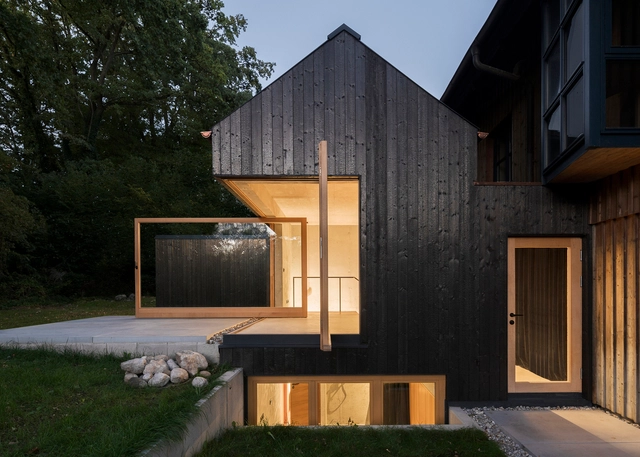
German design has become synonymous with accuracy, efficiency and precision. While the stereotype has roots in geography and local culture, the country's built environment reflects an affinity for structure, privacy and order. Combined with influences across Europe, Germany's contemporary architecture showcases refined forms and an emphasis on craft.
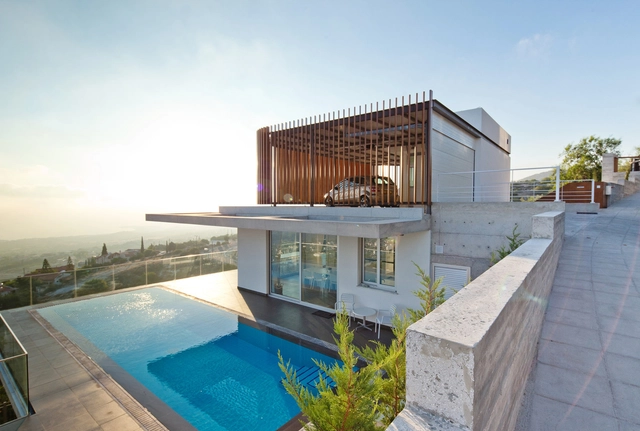
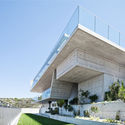
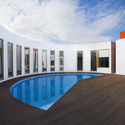
The architecture of Cyprus has been defined by larger geopolitical forces throughout history. Located in the Eastern Mediterranean, the island country is shaped physically and socially by the Cyprus dispute. Dating back to the bronze and iron ages, its architecture has been influenced by the Greeks, Assyrians, Egyptians, Persians, and Romans. Today, new homes are built across the island that reinterpret past building methods and construction techniques.
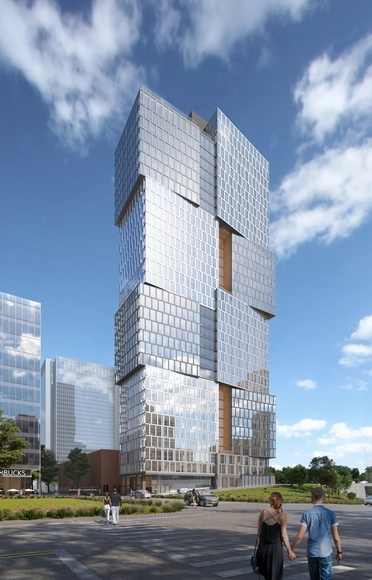
Goettsch Partners (GP), the global architecture firm based in Chicago, has designed Alcove, the first residential building adjacent to Nashville Yards. Located in Tennessee, the 34-story building “is composed as a series of stacked, shifted cubes organized in pairs on four levels”.
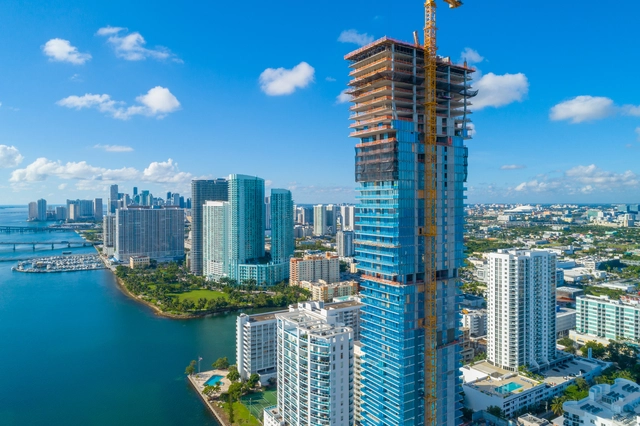
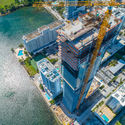
Miami’s tallest luxury condominium, the recently completed Brickell Flatiron tower is designed by architect Luis Revuelta, with interiors created by Italian design architect Massimo Iosa Ghini. Standing tall at 736-feet-high, the residential building is the newest icon of Brickell's Financial District
The vision for the project is to build unique, modern and racy duplex apartments compound in Dahran city, Saudi Arabia. Our main goal is to create different living experience for our tenants by providing duplex units along with many other facilities (Parking, Gardens, Kids play areas, recreational areas…etc) and to provide enjoyable and private daily life.
Höweler + Yoon Architecture and Sasaki have announced the groundbreaking for new construction on 212 Stuart Street, in the historic Bay Village neighborhood in downtown Boston. The residential tower is a 19-story building containing 126 units with two townhouses and retail space on the ground level.
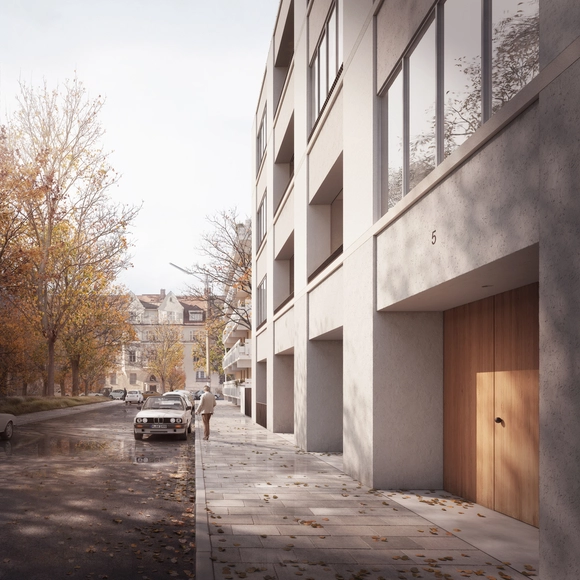
Commissioned by real estate developer Euroboden, Kolberger 5 is a contemporary take on the historical typology of Munich’s Stadtpalais. Designed by David Chipperfield Architects and Studio Mark Randel, the project featuring different size apartments is located at the entrance of historic Herzog Park.
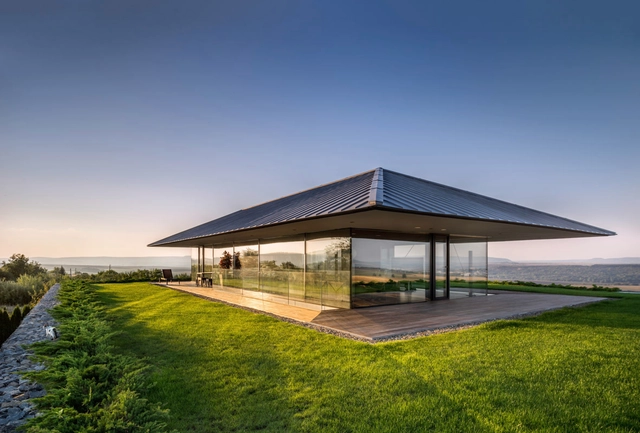
The architecture of the Balkans is rooted in its history and geography. While Bulgaria seemingly goes unnoticed in the region’s design circles, the country’s architecture reflects a larger move towards more modern projects. This is especially true in Bulgaria’s residential architecture, where a range of new single family homes have been built in the last decade.
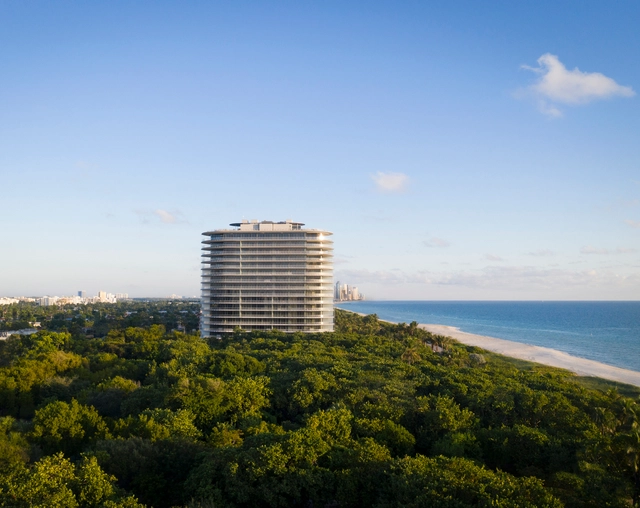
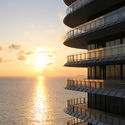
Just completed, Eighty Seven Park in Miami is Renzo Piano’s first residential commission in the United States. The Pritzker Prize winner, known for his cultural interventions around the globe, imagined an architecture that creates the illusion of a floating building above the ocean and park.
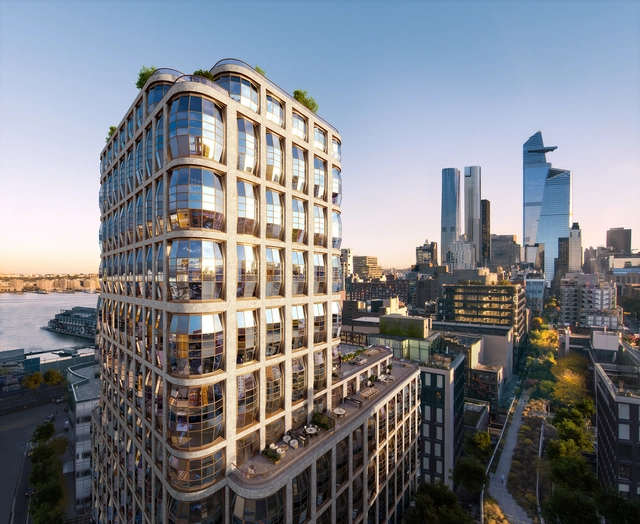
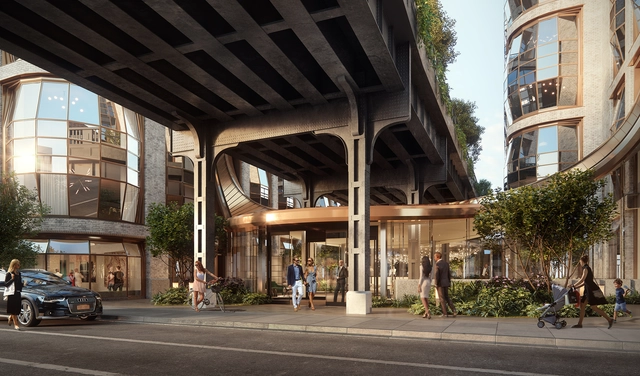
New renderings were unveiled for Heatherwick’s first residential project in New York, currently under construction. The recently dubbed “Lantern House”, in West Chelsea’s neighborhood, will join a series of developments, expanding the High Line's facades.
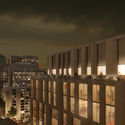
Photographer Paul Clemence has shared with us a series of new photographs of a nearly completed 130 William development by Adjaye Associates. The firm’s first residential tower in the USA, topping out in the spring of last year at 800 feet, is located in the Financial District of Lower Manhattan, New York.
Courtesy of Architect: Jean Nouvel - Ateliers Jean Nouvel. Associated architect: Alberto MEDEM - Humboldt Arquitectos S.L.
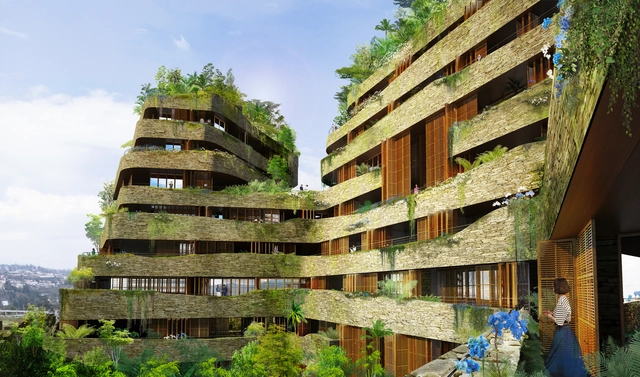
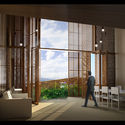
Jean Nouvel’s recently designed residential development, Aquarela, in Quito, Ecuador is under construction. In collaboration with local architectural developer Uribe & Schwarzkopf, the 136,580-square-metre organically designed project blends with the surrounding mountainous landscape.
Designed by Arquitectonica, Miami’s most anticipated landmark dubbed Elysee has topped-off construction at 57 stories. Upon its completion in 2020, the 649-foot-tall glass tower will become the tallest residential building in the Edgewater district.
Lisi Green Town. Image Courtesy of Lisi Development
Architects and developers have always been on opposite ends of the construction world. While the first wanted to create dreamy spaces, the latter just wanted to cater to the basic needs. In these past few years, the world has witnessed significant changes, with the aggravation of climate-related issues, the evolution of technological solutions, and the newly acquired awareness and growth of the population.
While everything is transforming, building trends also evolved, mainly due to an alteration in people’s perceptions and priorities. However, one question remains unanswered: Could all these changes mean that the never-ending conflict between architects and developers reached some sort of common grounds? And could they finally be seeking one same goal, of a sustainable, resilient and inclusive future?
Heatherwick Studio offered a first look at the freestanding glass lobby pavilion at Lantern House, the firm’s first residential building in the United States. The project consists of 2 volumes, an east structure standing at 10-stories and a west structure standing at 22-stories, connected under the High Line.
Courtesy of JDS Development Group/ 111 West 57th Street
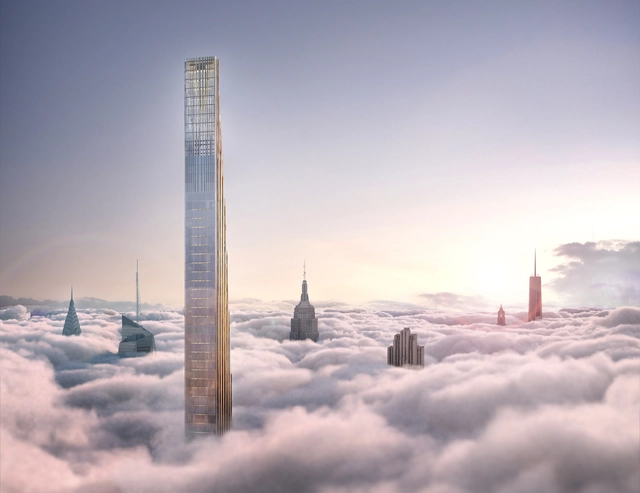
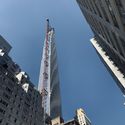
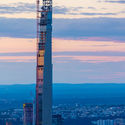
Centered over Central Park in Midtown Manhattan, 111 West 57th Street, the second tallest residential building in the Western Hemisphere has topped out at 1,428 feet. Designed by SHoP Architects with interior architecture by Studio Sofield, the tower is considered the most slender skyscraper in the world.
Led by Iyad Alsaka, Reinier de Graaf, Jad Semaan, and Adrianne Fisher, OMA’s proposal was selected as the winning entry for a residential project on Kuwait City’s waterfront. In collaboration with local partner Kuwait-based consultant Pace, The Wafra tower will be OMA's first venture in the country upon its completion.


_Golden_Dusk_Photography.jpg?1586260356&format=webp&width=640&height=580)
_Golden_Dusk_Photography.jpg?1586259969 "© Golden Dusk Photography")
_Golden_Dusk_Photography.jpg?1586260024 "© Golden Dusk Photography")
_Golden_Dusk_Photography.jpg?1586259696 "© Golden Dusk Photography")
_Golden_Dusk_Photography.jpg?1586260139 "© Golden Dusk Photography")
_Golden_Dusk_Photography.jpg?1586260356)












.jpg?1580392782&format=webp&width=640&height=580)
.jpg?1580389246 "© Paul Clemence")
.jpg?1580389418 "© Paul Clemence")
.jpg?1580389494 "© Paul Clemence")
.jpg?1580391840 "© Paul Clemence")
.jpg?1580392782)











.jpg?1572951787 "Courtesy of 111 West 57th Street")

_OMA.jpg?1571676595&format=webp&width=640&height=580)
_OMA.jpg?1571677954 "Courtesy of OMA")
_OMA.jpg?1571684132 "Courtesy of OMA")
_OMA.jpg?1571683555 "Courtesy of OMA")
_OMA.jpg?1571674872 "Courtesy of OMA")
_OMA.jpg?1571676595)