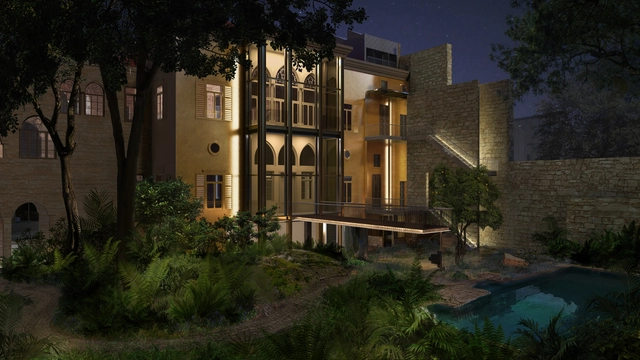
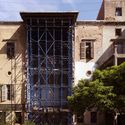
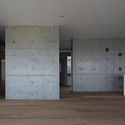
AKK Architects, an architecture practice founded by architect Annabel Karim Kassar, with offices in Beirut, Dubai, and London, is transforming a historical 19th-century Lebanese home into a contemporary family home. Bayt K was shortlisted for the WAF future projects awards under House category.
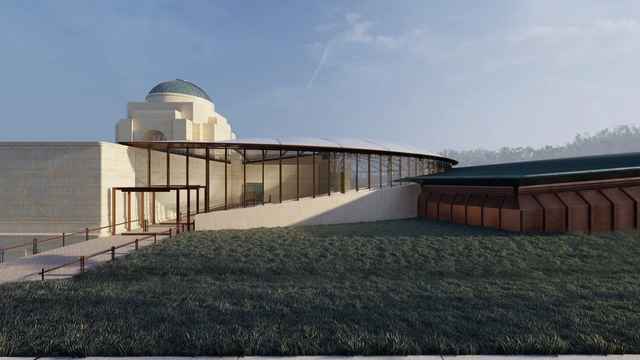
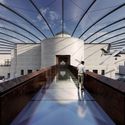
The AWM or the Australian War Memorial will undergo a series of development and refurbishments works, in order to renovate its galleries and its buildings. COX architecture will design the new Anzac Hall with its connection to the main structure, while Scott Carver will be in charge of the southern entrance.
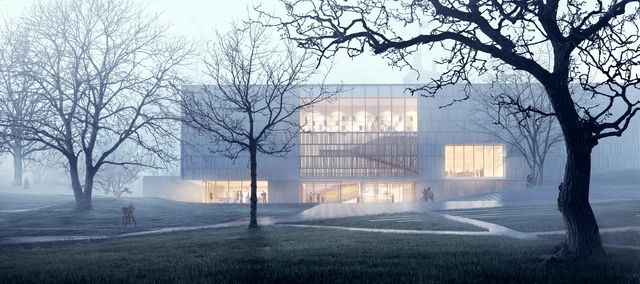
The first phase of construction on the Bruce Museum in Greenwich, Connecticut has begun. The New Orleans based architecture, interiors and urban planning firm EskewDumezRipple (EDR) was selected to design the new addition and renovation for the community-based Museum.
The Mies van der Rohe residential building, the Bailey Hall built in 1955, at Illinois Institute of Technology will be subject to renovation works by Dirk Denison Architects. The Chicago-based firm will modernize the mechanical, structural, and interior works, modifying its original function, and introducing a new configuration to host up to 330 first- and second-year students, while the exterior will remain faithful to the original design and the ground floor lobby will still hold on to the Mies’ iconic recessed glass lobby.
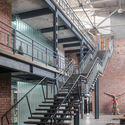
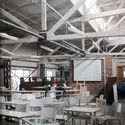
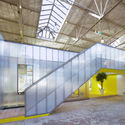
Olson Kundig is one of the quintessential Seattle-based architectural practices, with a focus on creativity, experimentation, and craftsmanship that has allowed them to expand on a global scale over the past few decades. This expansion has necessitated office improvements and renovations throughout the years, the most recent of which occurred in 2018. As explored in a recent article by Metropolis Magazine, this 2018 expansion reflected key values of collaboration and flexibility, expressed through the firm's unique visual and kinetic language.
https://www.archdaily.com/920730/olson-kundigs-innovative-office-renovation-and-expansionLilly Cao
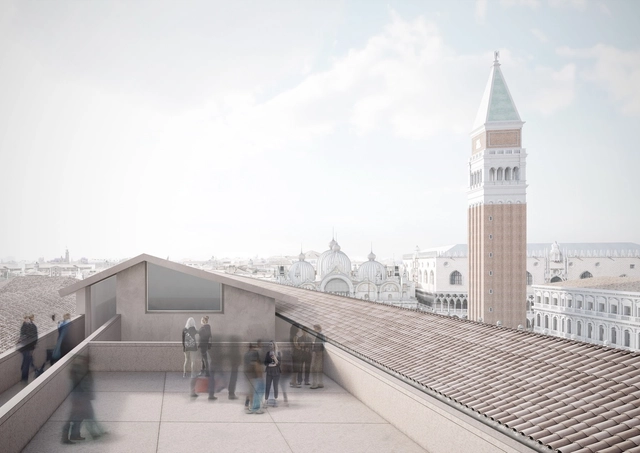
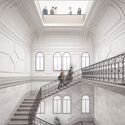
David Chipperfield Architects Milan’s renovation of the historic Procuratie Vecchie building in Venice is set to get underway, following a granting of permission by the Superintendency of Archaeology, Fine Arts and Landscape earlier this year. For the first time in 500 years, a large portion of the Procuratie Vecchie on the Piazza San Marco will be made accessible to the public to host activities of The Human Safety Net, supporting vulnerable communities.
The 2019 CANactions International Architecture Festival focused on an exploration of a notion of "Hromada" — Ukrainian name for the 'community', which is embedded into the country's historic and cultural codes and reflected in contemporary social movements and architectural forms.
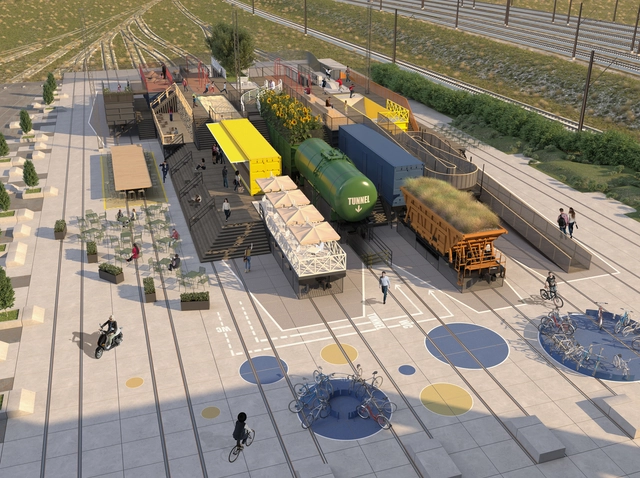
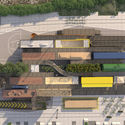
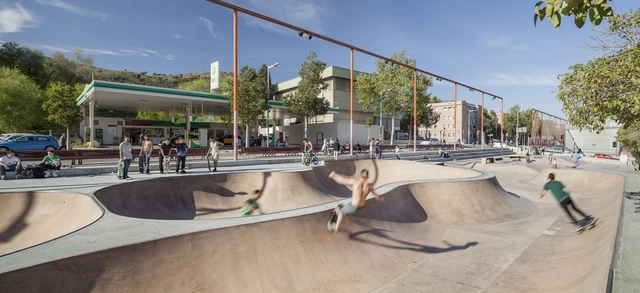
Architect Illya Rastvorov is one of the winners of this year’s CANactions Youth Competition presented in Kyiv, Ukraine. For his proposal, the architect transformed the railroad depot of the Copenhagen Railway Station in Denmark into the “Copenhagen Playground”, a recreational area that caters to people of all ages and enhances the social conditions of the city.
As technology moves forward, so does architecture and construction. Architects, designers, and planners around the world now have infinite tools and resources to design and build the cities of today and the future. As promising as this may sound, new construction is also consuming our world’s limited resources faster than we can replenish them.
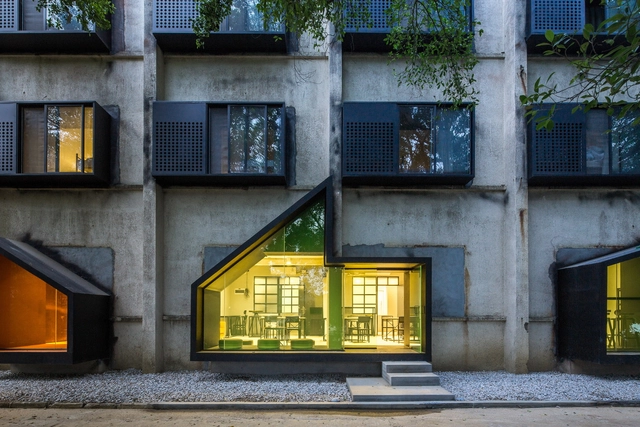
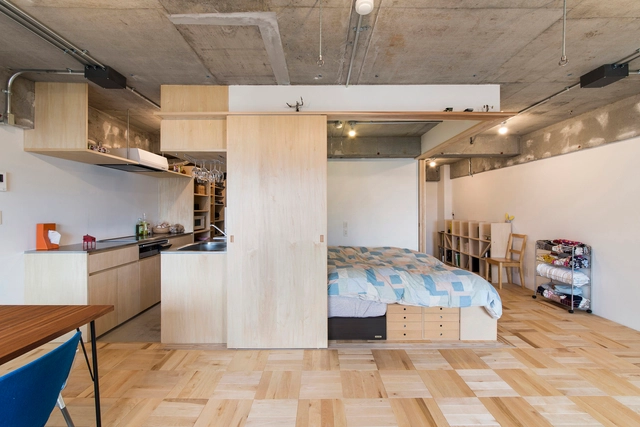
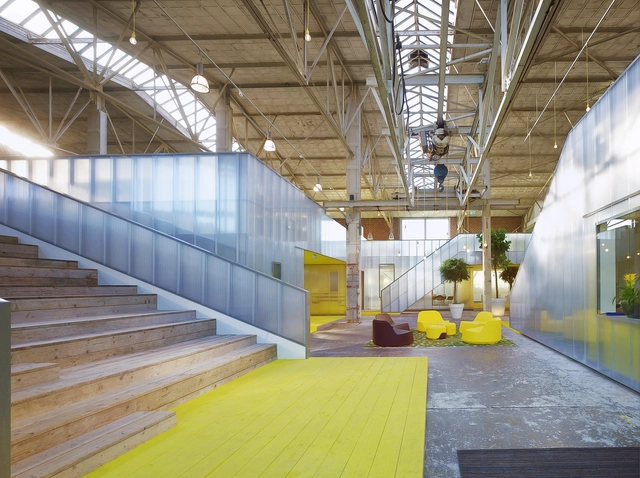
This situation leaves architects with an important responsibility: the rehabilitation and reuse of the existing built environment. This means using creative thinking and design to save and incorporate old or historic buildings that currently exist, in the present and future of our cities, by adapting them through creative and sensitive treatments.
By the initiative of the Boghossian Foundation urbanlab (http://www.urbanlab.am) announces an open international architectural competition “Reviving NPAK” (http://npak.urbanlab.am) for all interested individuals and teams.
The purpose of the present architectural competition is to find the best design solutions for the existing building of NPAK located at 1/3 Buzand Street of Yerevan (Armenia), which needs to reflect the aspects of the competition package through contemporary architectural language that is conscious of social and environmental responsibility, the importance for radical technical experimentation and the need to sustain a dialogue with the Centre’s legacy and its traditions.