Prague: The Latest Architecture and News
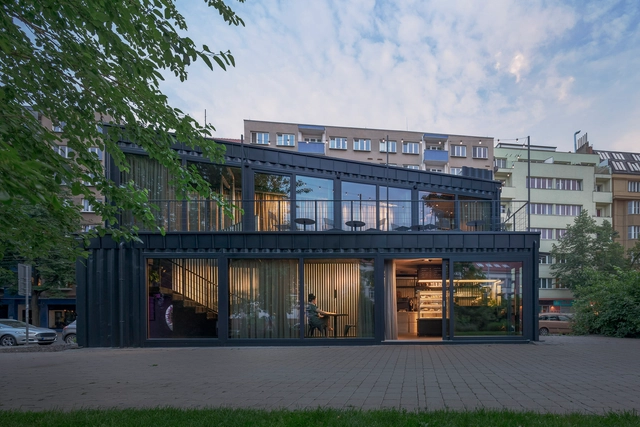
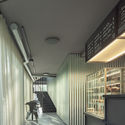
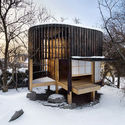
Café Kontejner / Collarch

https://www.archdaily.com/971604/cafe-kontejner-collarchValeria Silva
Construction on Zaha Hadid Architects' Masaryčka Building is Underway
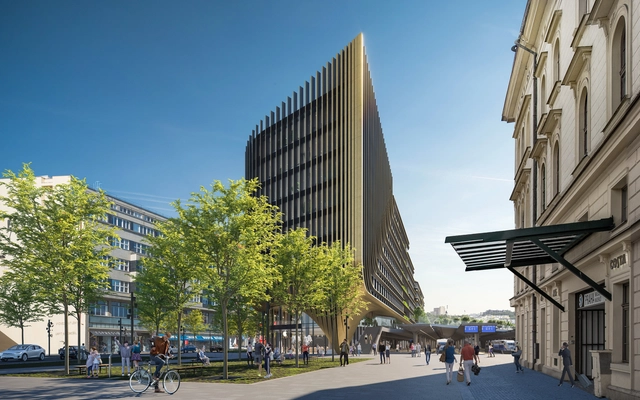
Construction on Zaha Hadid Architects' Masaryčka building in Prague has reached level three, with completed work on the retail levels on the ground and first floors, and ongoing work on the higher floors, which include cantilevered offices and terraced roof gardens. The 28,000 sqm project, which will replace an existing car park, is expected to open in 2023 with a structure that rises seven storeys towards its eastern section and nine storeys at its western end.


https://www.archdaily.com/970508/construction-on-zaha-hadid-architects-masarycka-building-is-underwayDima Stouhi
Prague: A Window to the World

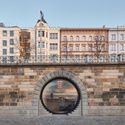
Few cities combine history and contemporary culture like Prague. The so-called "Mother of all Cities" was spared from widespread destruction during World War II, and as a result, its diverse architecture dates back over a millennium. As a political, cultural and economic center of Europe, the city has become a significant metropolis balancing both its past and future as one of the world's most beautiful cities.

https://www.archdaily.com/947146/prague-a-window-to-the-worldEric Baldwin
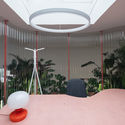
GROUNDS Coffee / KOGAA




https://www.archdaily.com/953896/grounds-coffee-kogaaPaula Pintos
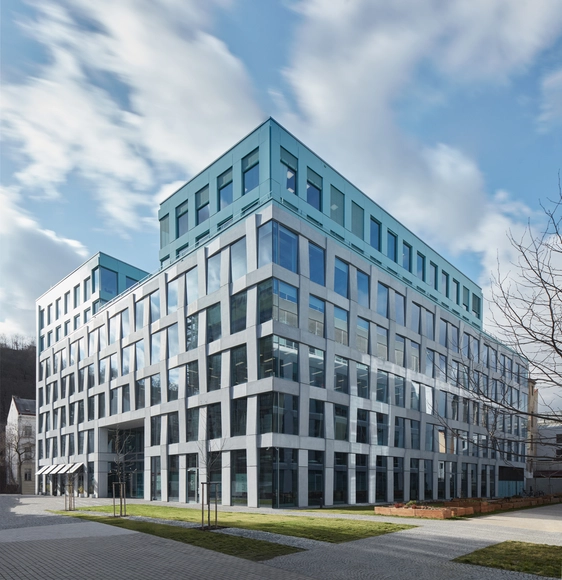
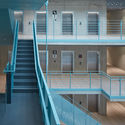
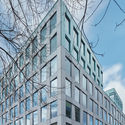
Praga Studios / ADNS architekti



-
Architects: ADNS architekti
- Area: 6420 m²
- Year: 2019
https://www.archdaily.com/959043/praga-studios-adns-architektiPilar Caballero
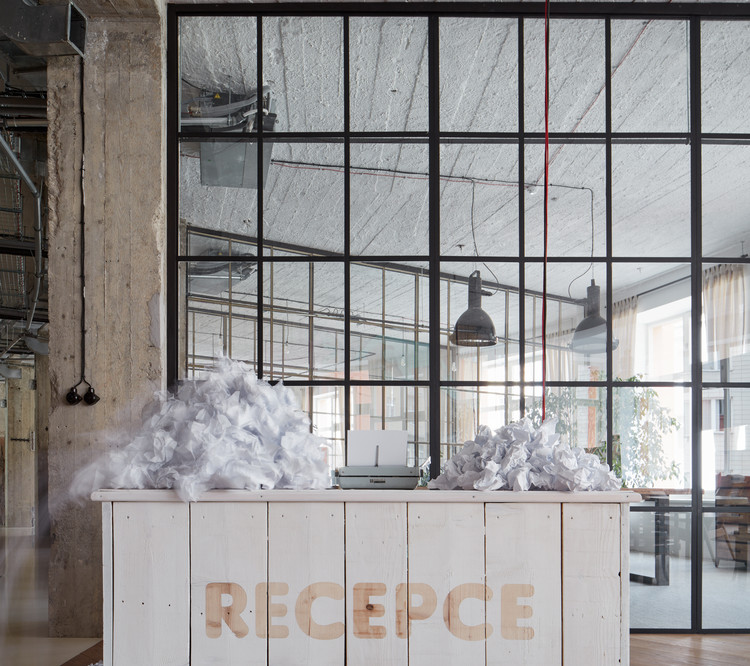
Office Premises for Czech Promotion / Kurz architects




-
Architects: Kurz architects
- Area: 900 m²
- Year: 2017
https://www.archdaily.com/898109/office-premises-for-czech-promotion-kurz-architectsDaniel Tapia
9 Cities with Medieval Plans Seen from Above
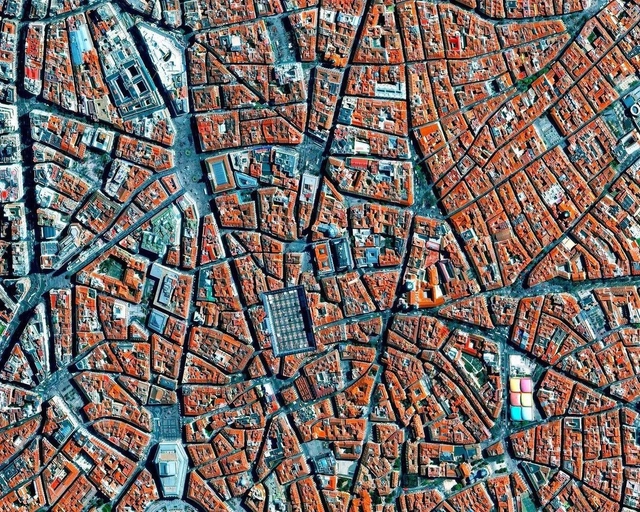
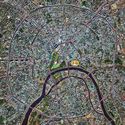
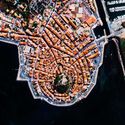
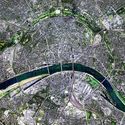
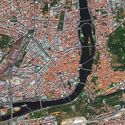
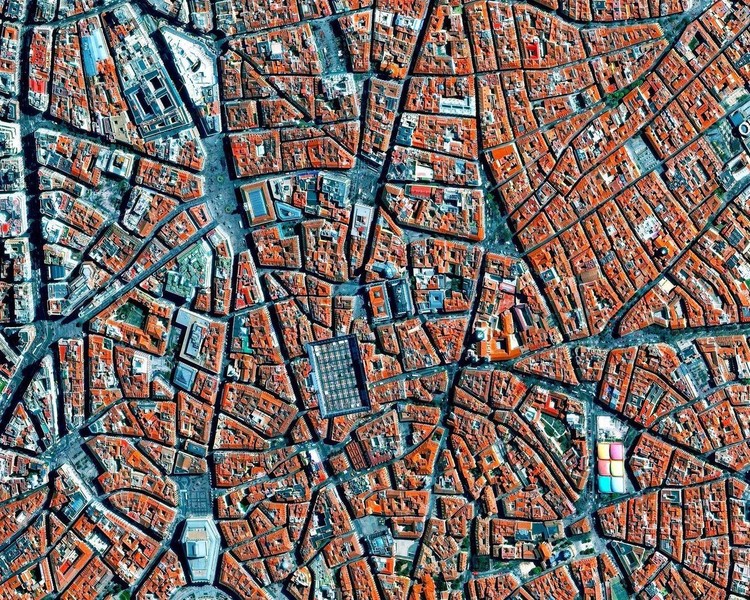
In his book Breve Historia del Urbanismo (Brief History of Urbanism), Fernando Chueca Goitia states that the medieval city appeared at the beginning of the 11th century and flourished only between the 12th and 13th centuries. According to the author, this growth was closely linked to the development of commerce that allowed permanent occupations, resulting in a city no longer composed mainly of travelers. In other words, the bourgeoisie was formed thanks to the most diverse activities - craftsmen, tradesmen, blacksmiths, longshoremen - which stimulated the development of the medieval city.

https://www.archdaily.com/952084/9-cities-with-medieval-plans-seen-from-aboveCamilla Ghisleni
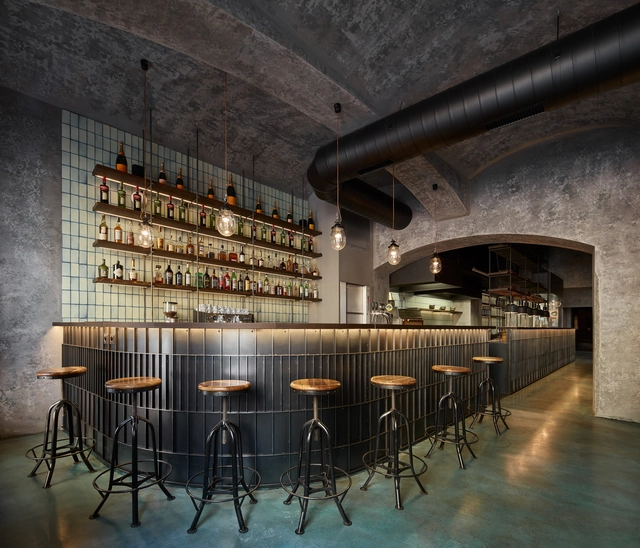
Gran Fierro Argentinian Restaurant / Formafatal


-
Architects: Formafatal
- Area: 390 m²
- Year: 2020
-
Manufacturers: Buster + Punch, Cevica, Emu, Industrial Antik, Manufactori, +4
https://www.archdaily.com/951614/gran-fierro-argentinian-restaurant-formafatalValeria Silva
Manifesto & reSITE Office / Marco Maio Architects

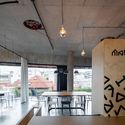



-
Architects: Marco Maio Architects
- Area: 270 m²
- Year: 2020
https://www.archdaily.com/951529/manifesto-and-resite-office-marco-maio-architectsAndreas Luco
A Rural School in Haiti and an Indian Community Center for Women: 12 Unbuilt Projects Submitted by our Readers
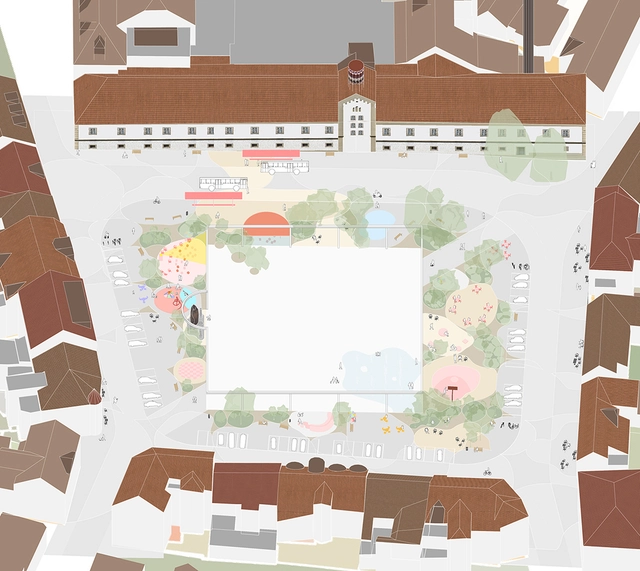
Recognizing the importance of international contests in pushing forward inventive concepts and design, ArchDaily has put together a curated selection of Best Unbuilt Architecture featuring competition entries from around the globe. Submitted by our readers, these projects include winning proposals, honorable mentions, and recognized admissions.
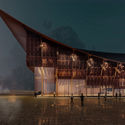
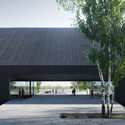
In this week’s article, urban interventions take the lead with multiple square designs and infrastructural elements. On the cultural level, projects underlined include Museums in Iran and Norway, a National Concert hall in Lithuania, and a Mosque in Turkey. For the civic category, the functions highlighted comprise a new city hall for a South Korean district and an Indian community development center for at-risk women. Finally, other programs involve a rural school in Haiti, a tourist center in China, and a housing complex in Prague.

https://www.archdaily.com/951653/a-rural-school-in-haiti-and-an-indian-community-center-for-women-at-risk-12-unbuilt-projects-submitted-by-our-readersChristele Harrouk
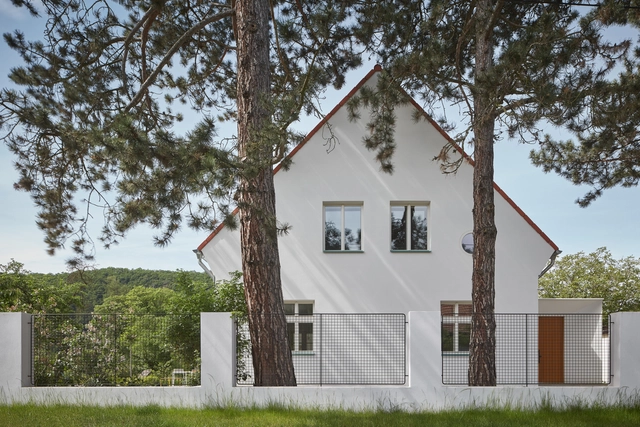
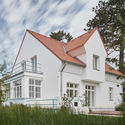
The Fountain Villa / Mjölk architekti


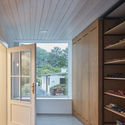

-
Architects: Mjölk architekti
- Area: 260 m²
- Year: 2020
-
Manufacturers: AZ EKOTHERM, Egoé, Truhlářství Alois Šuhaj, Vdesign
-
Professionals: All Real
https://www.archdaily.com/948418/the-fountain-villa-mjolk-architektiValeria Silva
Cabins and Chalets: Secluded Homes in the Czech Countryside
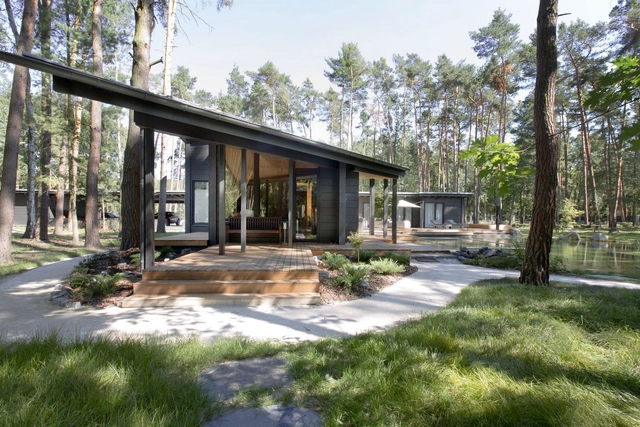
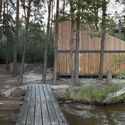
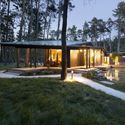
Architecture in the Czech Republic is defined by the country's incredibly diverse landscapes. As one of Europe's cultural hearts, Czechia has a rich history, and was once home to the Kingdom of Bohemia. Today, architects and designers are drawing inspiration from the country's low mountains, foothills and forests as they design a range of secluded residential retreats.

https://www.archdaily.com/941494/cabins-and-chalets-secluded-homes-in-the-czech-countrysideEric Baldwin
Anagram and Gruppa Design "Mountain of Knowledge" for Prague
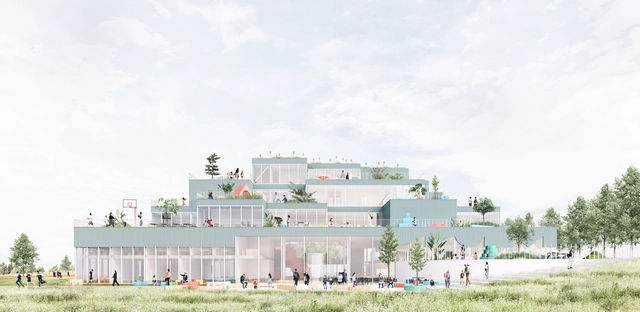
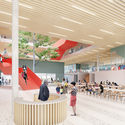
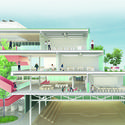
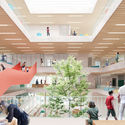
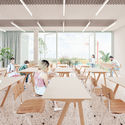
Barcelona and the Netherlands based Anagram A-U and Gruppa have designed a "Mountain of Knowledge" for the School of Dolní Měcholupy in Prague. Made for the national competition to create a new kindergarten and primary school, the proposal embraces connection and interaction to drive learning. The design is made of contour lines that delineate the mountain, while the building's core features a series of indoor-outdoor classroom spaces.

https://www.archdaily.com/944624/anagram-and-gruppa-design-mountain-of-knowledge-for-pragueEric Baldwin
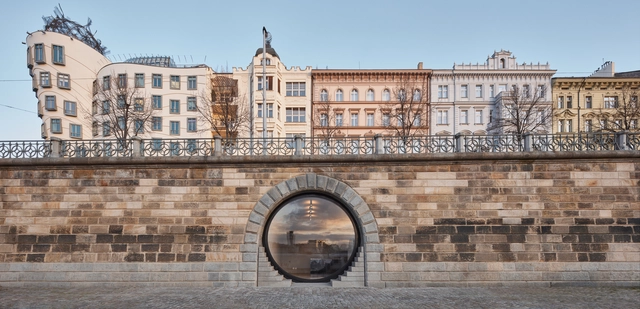
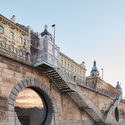
Revitalization of Prague's Riverfront / petrjanda/brainwork



-
Architects: petrjanda/brainwork
- Year: 2019
-
Professionals: Active Elements, EL-EX, BREMA, Ateh, AVE-servis, +4
https://www.archdaily.com/942192/revitalization-of-pragues-riverfront-petrjanda-brainworkPaula Pintos
Residence Vysočany - Architectural and Urban Design Competition

In this difficult time, Penta Real Estate is inviting local and foreign architects and architectural studios to participate in an open, international architectural and urban design competition. The aim of the competition is to find the best solution to complet the residential block in the western part of Prague's Vysočany. The scope of the project should be at least 280 residential units together with the amenities of commercial or non-commercial purpose (respectively 24,200 square meters of gross floor area).
It is two round competition. The first round is open, it is qualifying. In order to participate in it, please first register and then hand over the portfolio - max. 9 pages. Applicants will indicate their previous experience, references and the overall concept of the proposal.
https://www.archdaily.com/937026/residence-vysocany-architectural-and-urban-design-competitionRene Submissions
Heatherwick Discusses Design on a Human Scale in First Episode of ReSITE Podcast
TomasPrinc-400.jpg?1580894143&format=webp&width=640&height=580)
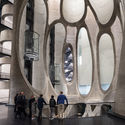
Design and the City is a podcast by reSITE, raising questions and proposing solutions for the city of the future. In the first episode, Thomas Heatherwick founder of Heatherwick Studios discusses the notion of Designing on a Human Scale, describes his conceptual approach and introduces his latest venture in the heart of historic Prague. Joining the interview is ArchDaily editor, Christele Harrouk.


TomasPrinc-221.jpg?1580898318 "© Tomas Princ")
TomasPrinc-400.jpg?1580894143)
https://www.archdaily.com/933213/heatherwick-discusses-design-on-a-human-scale-in-first-episode-of-resite-podcastAD Editorial Team
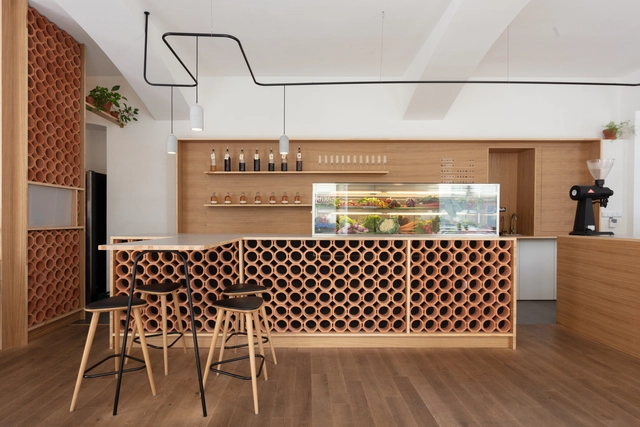
Typika Specialty Cafe / KOGAA


-
Architects: KOGAA
- Area: 120 m²
- Year: 2019
-
Manufacturers: AutoDesk, Adobe Systems Incorporated, Duro, Duro design, Trimble
-
Professionals: KOGAA studio
https://www.archdaily.com/931099/typika-specialty-cafe-kogaa-studioAndreas Luco
Ondřej Císler and Petr Tej Design Concrete Bridge Over a Stream in the Czech Republic
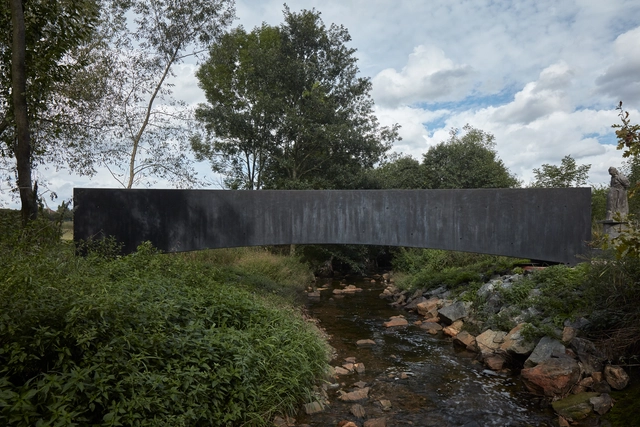
Ondřej Císler from Aoc architects and Petr Tej from the Klokner Institute at CTU in Prague have designed a bridge over the Dřetovice stream in Vrapice, near the city of Kladno in the Czech Republic.
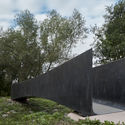
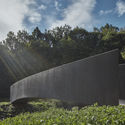
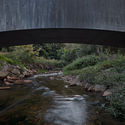
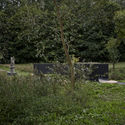

https://www.archdaily.com/929143/ondrej-cisler-and-petr-tej-design-concrete-bridge-over-a-stream-in-the-czech-republicChristele Harrouk