-
Architects: Andrade Morettin Arquitetos Associados
- Area: 3417 m²
- Year: 2026


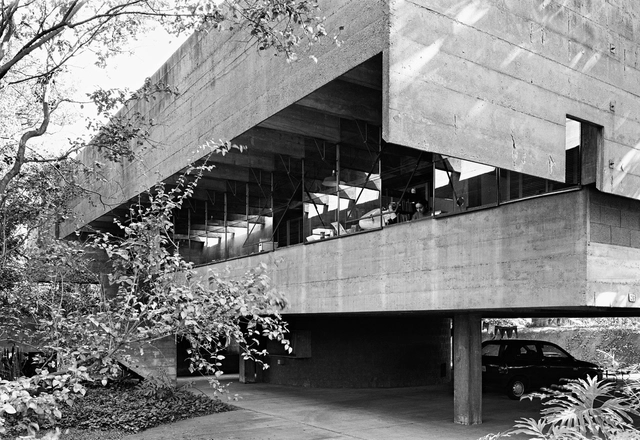
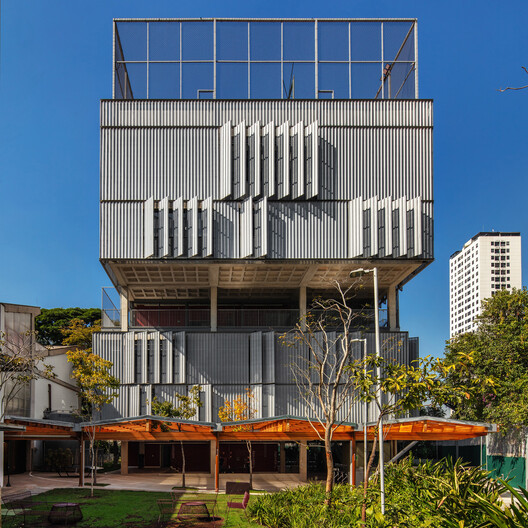
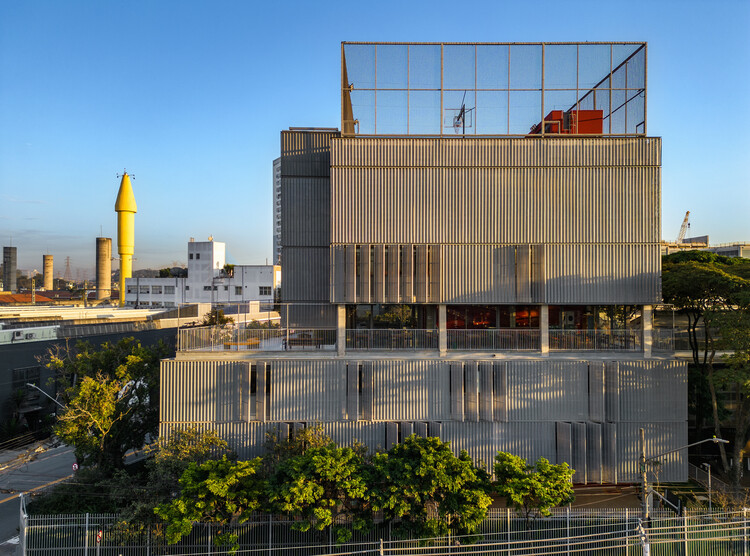
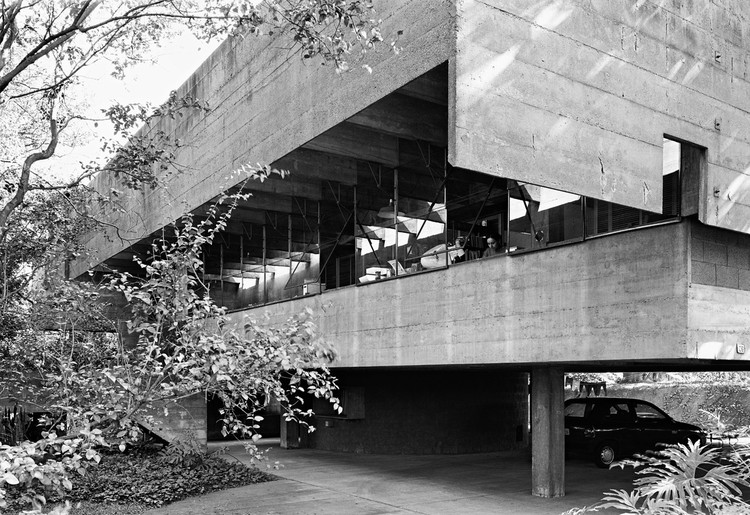
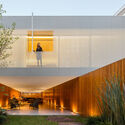
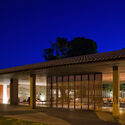
If the two outermost transverse beams of the roof slab descended to form the end walls of the main floor, they would align perfectly with the perimeter of the floor slab. Had the longitudinal beams not cantilevered twenty centimeters to support and offset the concrete end walls, there would be no room for the upper gutter, nor would a gap be created in the main floor to indirectly illuminate the interior. If low concrete-block walls had not been raised along the sides of this floor, the facades would lack their two overlapping planes and the constant shadow between them—and, at times, a third, intermediate plane.


Over the past two weeks, the ArchDaily Brasil community has nominated more than 14,000 projects, resulting in 15 finalists representing some of the most iconic architectural works published over the last year. Now in its 10th edition, the Obra do Ano Award recognizes the best of architecture in Portuguese-speaking countries, chosen by the readers themselves. The finalists offer a snapshot of the current state of architecture, spanning residential, urban, cultural, and other programs.
Representing Brazil and Portugal, the 15 projects reflect the needs of their specific contexts through creative solutions proposed by local architects. From interior renovations to large-scale urban interventions, and from single-family homes to community projects, the selection is diverse, yet united by a common thread: recognition from the public, who seek to see their own aspirations represented.

Three Brazilian projects have been chosen as the winners of the 2026 Obra do Ano Award by ArchDaily Brasil's readers. After three weeks of public voting, more than 700 projects were narrowed down to 15 finalists, concluding the process with three grand winners that represent the very best of Lusophone architecture.


Following nearly 50 years of rapid urbanization, urban renewal has transitioned from an era of incremental growth to one of existing stock. Urban planning has shifted from expansion toward the high-quality renovation of existing assets to reactivate spaces. Looking back at recent adaptive reuse projects by Pritzker Prize laureates, we examine how these masters respond to today's challenges of urban stock renewal.
It is well known that Australia's eucalyptus forests burn periodically. This is how the eucalyptus ensures its reproduction, as its woody fruits, known as gumnuts, feature an insulating layer that breaks open under the intense heat of a fire. Once opened, the seeds blanket the scorched soil, initiating the process of forest regeneration. Australian architect Glenn Murcutt has created a body of work deeply rooted in the country's landscape. He has designed houses engineered to withstand these frequent fires, incorporating elements that contain the flames and minimize damage. In short, these buildings are constructed from highly non-combustible materials and equipped with massive water reservoirs and a "soaking system" that allows the structure and its surroundings to survive a wildfire.
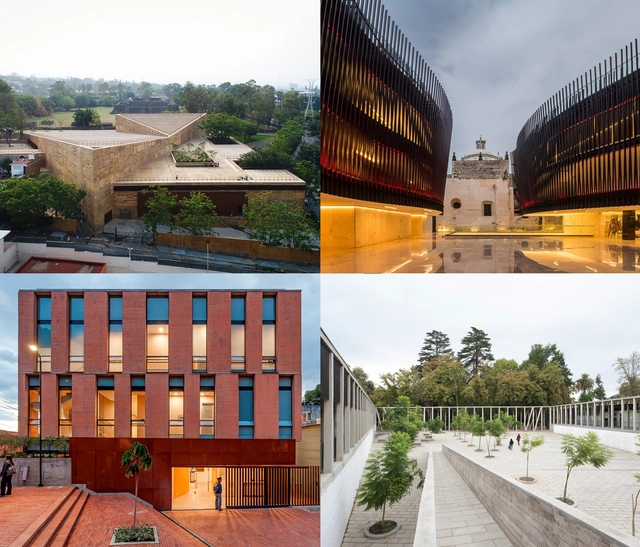
The ‘Rogelio Salmona Latin American Architecture Prize: open spaces / collective spaces’ seeks to recognize built works of architecture that create significant spaces for citizens, helping to foster more welcoming cities. Unlike previous editions, this year two categories were established: Latin America and Colombia.
From the 42 submissions, the jury—comprising Sol Camacho (Brazil/Mexico), Nicolás Campodónico (Argentina), Carlos Campuzano (Colombia), Carlos Jiménez (Spain/Colombia), and Mauricio Rocha (Mexico)—selected 26 Latin American works to be published, featured, and exhibited during this 2024 edition. The final awards ceremony will take place on October 24 of this year.
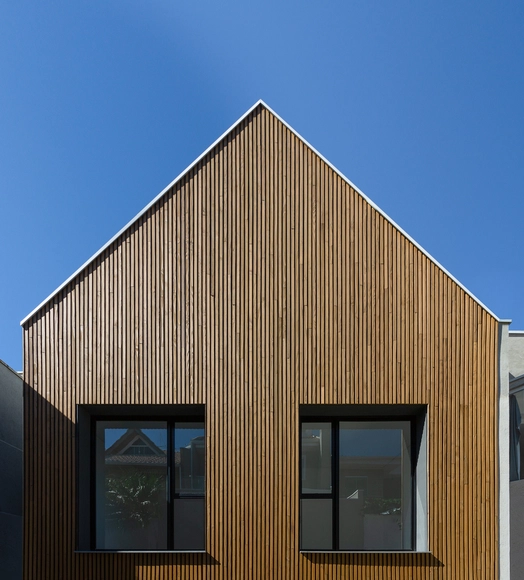
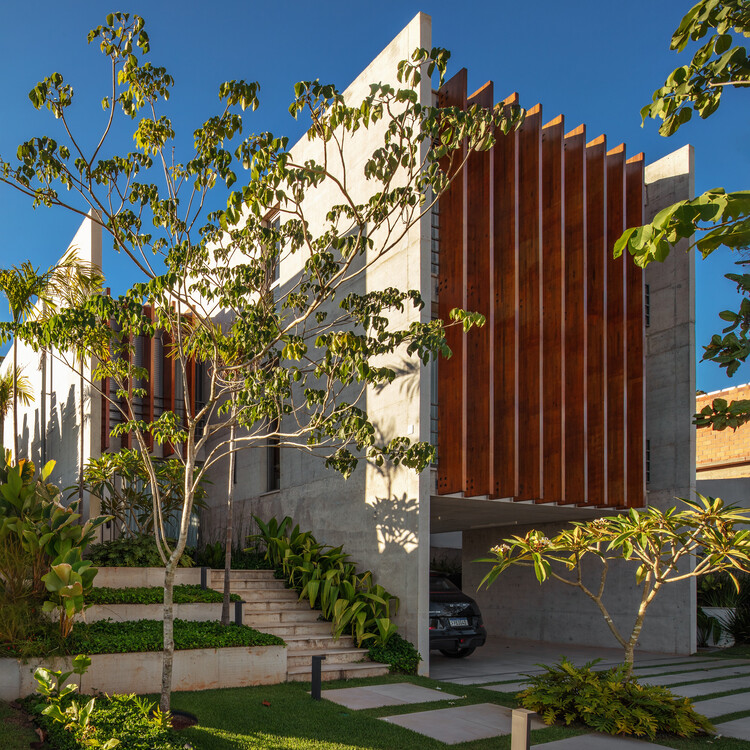
Wood is an incredibly common material in the construction industry, utilized across various stages and for multiple purposes. Below, we explore its potential to shape residential facades through 17 examples of Brazilian houses.
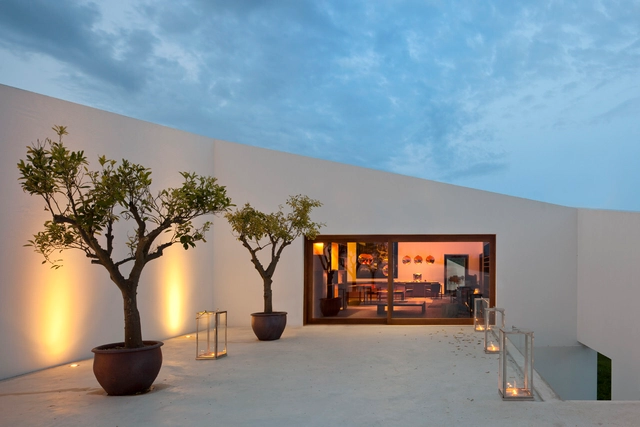
No País dos Arquitectos is a podcast created by Sara Nunes, who also runs the architectural film production company Building Pictures. The podcast aims to profile the professionals, projects, and stories behind leading contemporary Portuguese architecture. With just over 10 million inhabitants, Portugal is a fascinating country when it comes to this professional field, and its architectural output far exceeds what its population or territorial scale might suggest.
In this episode, Sara talks with Marcio Kogan, Diana Radomysler, and Suzana Glogowski of Studio MK27 about the use of the muxarabi (wooden latticework) and the influences of Portuguese colonialism and Brazilian modernism on the firm's work. Listen to the full interview and read an excerpt of the conversation below:

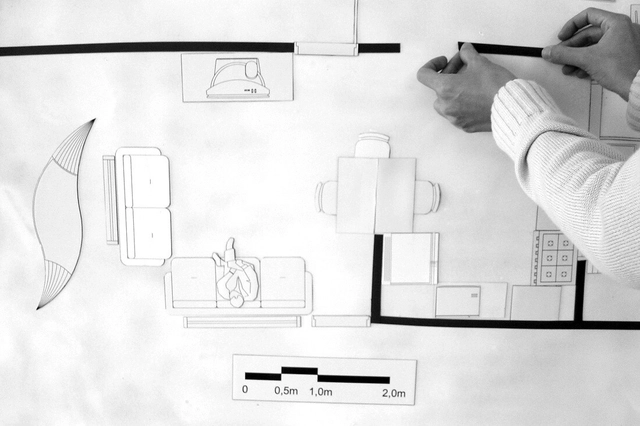
The vulnerability found in countries on the periphery of capitalism, such as Brazil, has wide-ranging consequences that are evident both in statistics and in how the occupied territory is shaped. Peripherization and the struggle to access fundamental rights—such as healthcare, education, and housing—are among these consequences. Addressing these challenges falls to organized social groups striving to build alternatives within this context, as seen in social movements and Usina CTAH, an architectural practice dedicated to providing technical assistance to organized social groups.