1. ArchDaily
  2. Museums

Museums: The Latest Architecture and News

Shaping the Future of Cultural Spaces at NEXT IN Summit 2025

 | Sponsored Content

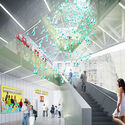
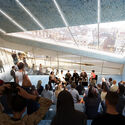
On April 23-24, 2025, at the ACCIONA Campus, the second edition of the NEXT IN Summit, hosted by ACCIONA Living & Culture, brought together global leaders in museology, architecture and art. Inaugurated in the presence of Madrid's mayor, José Luis Martínez Almeida, the event highlighted best practices in cultural space design, management, and innovation. Esteemed figures such as architect David Chipperfield, Glenn D. Lowry, director of MoMA, digital artist Rafael Lozano-Hemmer, and Mariët Westermann, director and CEO of the Solomon R. Guggenheim Museum, led discussions on the future of cultural institutions.
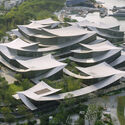
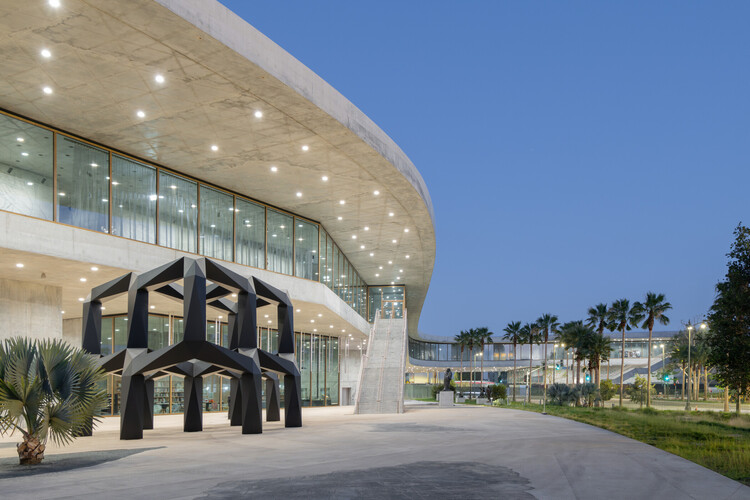
Zaha Hadid Architects Completes the Shenzhen Science & Technology Museum

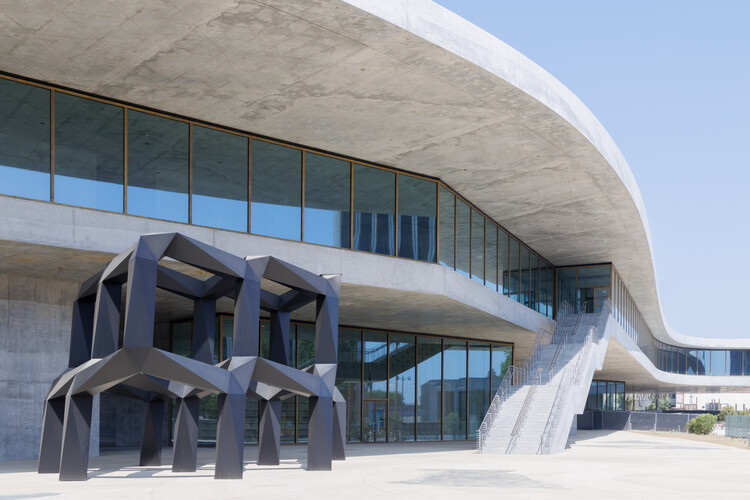
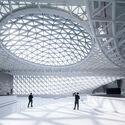
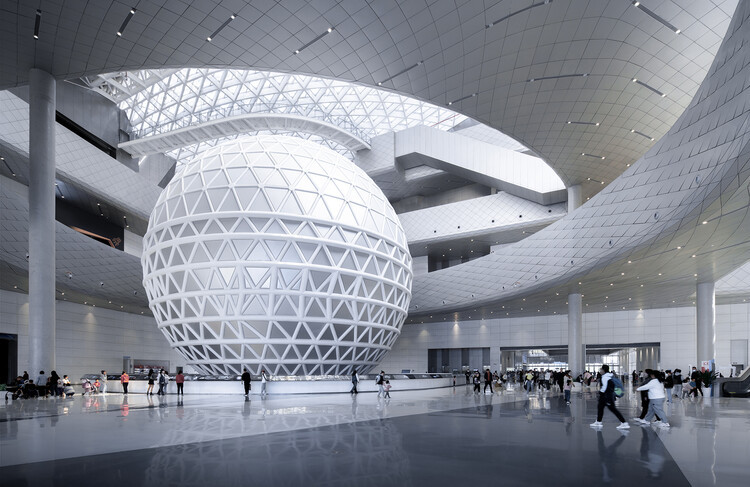
Zaha Hadid Architects has just revealed that the Shenzhen Science & Technology Museum, located in the Guangming District, has officially opened. Designed as a platform to highlight scientific research and technological innovation, the institution will explore the role of science in shaping the future. Adjacent to Guangming Station on Shenzhen's metro network, the design responds to its location as a solid, spherical volume facing the city, defining the southeast corner of the new Science Park. The museum aims to provide a space for public engagement with current developments in science and technology.
Zaha Hadid Architects Completes the Shenzhen Science & Technology Museum - Image 1 of 4Zaha Hadid Architects Completes the Shenzhen Science & Technology Museum - Image 2 of 4Zaha Hadid Architects Completes the Shenzhen Science & Technology Museum - Image 3 of 4Zaha Hadid Architects Completes the Shenzhen Science & Technology Museum - Image 4 of 4Zaha Hadid Architects Completes the Shenzhen Science & Technology Museum - More Images+ 13

Architecture Now: Recent Proposals by BIG, Foster + Partners, and More Shape the Future of Urban Living

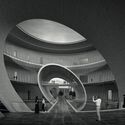
In recent weeks, a number of architecture firms have unveiled new projects that reflect an ongoing shift toward integrated, environmentally responsive urban planning. From Europe to the Middle East and North America, these proposals balance spatial innovation with long-term sustainability, whether through car-free living, passive performance strategies, or adaptive modular construction. While some projects reimagine infrastructure and public institutions, others explore how urban density can coexist with natural ecosystems. This edition of Architecture Now highlights a selection of recently announced masterplans, cultural buildings, and residential communities that offer new models for ecological and social resilience in the built environment.

Architecture Now: Recent Proposals by BIG, Foster + Partners, and More Shape the Future of Urban Living - 1 的图像 4Architecture Now: Recent Proposals by BIG, Foster + Partners, and More Shape the Future of Urban Living - 2 的图像 4Architecture Now: Recent Proposals by BIG, Foster + Partners, and More Shape the Future of Urban Living - 3 的图像 4Architecture Now: Recent Proposals by BIG, Foster + Partners, and More Shape the Future of Urban Living - 4 的图像 4Architecture Now: Recent Proposals by BIG, Foster + Partners, and More Shape the Future of Urban Living - More Images+ 9

BIG Unveils Timber-Structured Design for the New Hungarian Natural History Museum in Debrecen

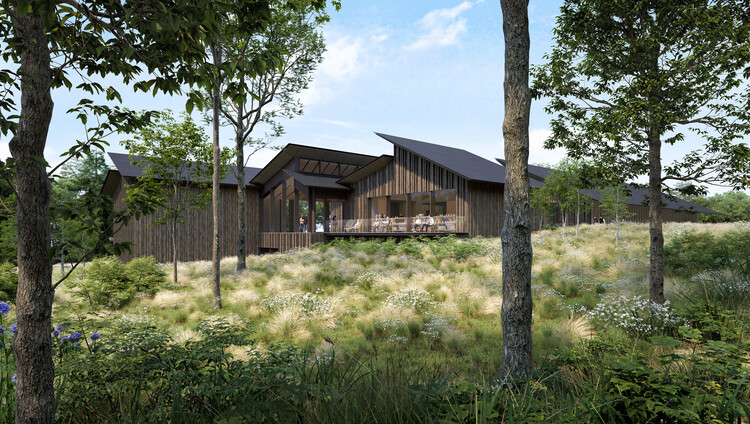
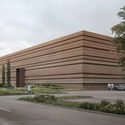
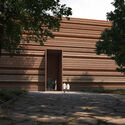
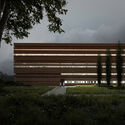
BIG, Bjarke Ingels Group, has been selected to design the new Hungarian Natural History Museum in Debrecen. Located on a former sports ground at the northern edge of the city's Great Forest, Nagyerdő, the 23,000 m² museum is being developed in collaboration with Vikár és Lukács Építés Stúdió, Museum Studio, and TYPSA. The new institution will replace the existing museum in Budapest, supporting the government's vision to establish Debrecen as a regional hub for education and culture by 2030. Commissioned by the Museum and the Ministry of Culture and Innovation, the new building will house permanent and temporary exhibition halls, educational and research facilities, public amenities, and back-of-house spaces.

BIG Unveils Timber-Structured Design for the New Hungarian Natural History Museum in Debrecen - 1 的图像 4BIG Unveils Timber-Structured Design for the New Hungarian Natural History Museum in Debrecen - 2 的图像 4BIG Unveils Timber-Structured Design for the New Hungarian Natural History Museum in Debrecen - 3 的图像 4BIG Unveils Timber-Structured Design for the New Hungarian Natural History Museum in Debrecen - 4 的图像 4BIG Unveils Timber-Structured Design for the New Hungarian Natural History Museum in Debrecen - More Images+ 15

Kengo Kuma and Studio Gang Among Shortlist for Nelson-Atkins Museum Expansion in Kansas City, United States

The Nelson-Atkins Museum of Art in Kansas City, United States, has reached a critical moment in its expansion project, revealing six finalist designs that propose new ways to engage visitors, integrate the museum with its surroundings, and create an open and inviting cultural space. The shortlisted teams - Kengo Kuma & Associates, Renzo Piano Building Workshop, Selldorf Architects, Studio Gang, Weiss/Manfredi, and WHY Architecture - bring a range of approaches, each responding to the museum's architectural legacy and evolving role within Kansas City.

Kengo Kuma and Studio Gang Among Shortlist for Nelson-Atkins Museum Expansion in Kansas City, United States - Image 1 of 4Kengo Kuma and Studio Gang Among Shortlist for Nelson-Atkins Museum Expansion in Kansas City, United States - Image 2 of 4Kengo Kuma and Studio Gang Among Shortlist for Nelson-Atkins Museum Expansion in Kansas City, United States - Image 3 of 4Kengo Kuma and Studio Gang Among Shortlist for Nelson-Atkins Museum Expansion in Kansas City, United States - Image 4 of 4Kengo Kuma and Studio Gang Among Shortlist for Nelson-Atkins Museum Expansion in Kansas City, United States - More Images+ 7

Kengo Kuma, Lina Ghotmeh, and Snøhetta Among the Finalists for the New Kistefos Museum Gallery Competition in Norway

In the autumn of 2024, the Kistefos Museum Foundation invited 28 architectural firms to participate in a prequalification process to design a new site-specific standalone gallery. Scheduled to open in 2031, the new museum building will house the art collection of the museum's founder, Christen Sveaas. The gallery will join Kistefos' sculpture park, which features 55 works by international artists such as Yayoi Kusama, Olafur Eliasson, Fernando Botero, and Anish Kapoor, as well as an industrial museum and BIG's award-winning art gallery, The Twist. Additionally, a new visitor center, designed by the Oslo-based architectural firm Lund Hagem, is set to open in 2026.

Kengo Kuma, Lina Ghotmeh, and Snøhetta Among the Finalists for the New Kistefos Museum Gallery Competition in Norway - 1 的图像 4Kengo Kuma, Lina Ghotmeh, and Snøhetta Among the Finalists for the New Kistefos Museum Gallery Competition in Norway - 2 的图像 4Kengo Kuma, Lina Ghotmeh, and Snøhetta Among the Finalists for the New Kistefos Museum Gallery Competition in Norway - 3 的图像 4Kengo Kuma, Lina Ghotmeh, and Snøhetta Among the Finalists for the New Kistefos Museum Gallery Competition in Norway - 4 的图像 4Kengo Kuma, Lina Ghotmeh, and Snøhetta Among the Finalists for the New Kistefos Museum Gallery Competition in Norway - More Images

The New Museum Expansion by OMA to Open in Fall 2025 with Exhibition on Humanity

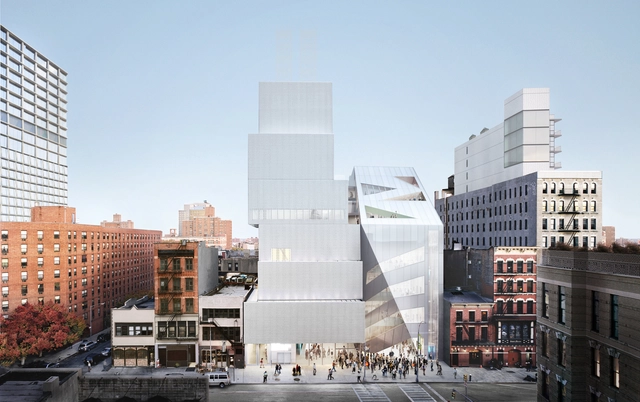
The New Museum is the only museum in New York City dedicated exclusively to contemporary art. From its beginnings as a one-room office on Hudson Street to the inauguration of its first freestanding building on the Bowery, designed by SANAA in 2007, it has evolved into a center for exhibitions, research, and documentation on international living artists. In 2017, Shohei Shigematsu and Rem Koolhaas of OMA were selected to design the New Museum's expansion. The first design images were released in 2019. This year, the Museum announced that its 60,000-square-foot expansion, designed in collaboration with Cooper Robertson, will open in fall 2025 with an exhibition exploring the very definition of humanity.

The New Museum Expansion by OMA to Open in Fall 2025 with Exhibition on Humanity - Image 1 of 4The New Museum Expansion by OMA to Open in Fall 2025 with Exhibition on Humanity - Image 2 of 4The New Museum Expansion by OMA to Open in Fall 2025 with Exhibition on Humanity - Image 3 of 4The New Museum Expansion by OMA to Open in Fall 2025 with Exhibition on Humanity - Image 4 of 4The New Museum Expansion by OMA to Open in Fall 2025 with Exhibition on Humanity - More Images+ 4

Absorb, Filter, Store: 9 Projects Showcasing How Sponge Cities Adapt to Climate Challenges

Subscriber Access | 

The concept of "sponge cities" has gained prominence since it was introduced by Chinese landscape architect Kongjian Yu, founder of Turenscape, and was officially adopted as a national policy in China in 2013 to combat urban flooding. This approach prioritizes nature-based infrastructure such as wetlands, rain gardens, and permeable pavements, creating landscapes with porous soil where native plants can thrive with minimal maintenance. When it rains, these systems absorb and slow down water flow, reducing flood risks. In contrast, traditional concrete- and pipe-based drainage solutions, though widely used, are costly, rigid, and require frequent maintenance, sometimes even making cities more vulnerable to flooding due to blockages and overflows.

Absorb, Filter, Store: 9 Projects  Showcasing How Sponge Cities Adapt to Climate Challenges - Image 1 of 4Absorb, Filter, Store: 9 Projects  Showcasing How Sponge Cities Adapt to Climate Challenges - Image 2 of 4Absorb, Filter, Store: 9 Projects  Showcasing How Sponge Cities Adapt to Climate Challenges - Image 3 of 4Absorb, Filter, Store: 9 Projects  Showcasing How Sponge Cities Adapt to Climate Challenges - Image 4 of 4Absorb, Filter, Store: 9 Projects  Showcasing How Sponge Cities Adapt to Climate Challenges - More Images+ 5

From the Tar Pits of Los Angeles to the Forests of Finland, Discover 8 Conceptual Museum Designs from the ArchDaily Community

Subscriber Access | 

Museums and cultural centers hold a unique position in society as spaces for learning, community, and connection. They serve as platforms for preserving history and engaging the public with new ideas and perspectives. Architecture plays a key role in shaping these experiences, providing the physical and emotional framework that enhances how people interact with art, culture, and each other. From monumental structures to more intimate designs, these cultural buildings have the potential to reflect local identities, champion sustainability, and inspire visitors while creating lasting cultural landmarks.

From Los Angeles to Turku and Vinh Long, this collection of conceptual museum and cultural center designs submitted by the ArchDaily community highlights the diversity and creativity of unbuilt projects. Each month, ArchDaily's editors select a collection of conceptual projects centered around a specific theme or program, submitted by architects from across the globe. In this collection, proposals range from a children's museum expansion in the United States to a sustainable agricultural museum in Vietnam, all showcasing how architecture can respond to distinct local contexts while fostering universal themes of education, play, and discovery. Whether celebrating archaeological heritage in Cyprus or reimagining public spaces in Finland, these projects explore how museums can serve as cultural hubs that engage and uplift their communities.

From the Tar Pits of Los Angeles to the Forests of Finland, Discover 8 Conceptual Museum Designs from the ArchDaily Community - Imagem 10 de 4From the Tar Pits of Los Angeles to the Forests of Finland, Discover 8 Conceptual Museum Designs from the ArchDaily Community - Imagem 14 de 4From the Tar Pits of Los Angeles to the Forests of Finland, Discover 8 Conceptual Museum Designs from the ArchDaily Community - Imagem 22 de 4From the Tar Pits of Los Angeles to the Forests of Finland, Discover 8 Conceptual Museum Designs from the ArchDaily Community - Imagem 25 de 4From the Tar Pits of Los Angeles to the Forests of Finland, Discover 8 Conceptual Museum Designs from the ArchDaily Community - More Images+ 42

Zaha Hadid Architects and Bureau Cube Partners Transform Historic Industrial Paper Mill into a Cultural Center in Belgrade, Serbia

Following an international design competition, the winning proposal for the new Nikola Tesla Museum in Belgrade, Serbia, was announced. Designed by Zaha Hadid Architects (ZHA) in collaboration with Serbia's Bureau Cube Partners, the project seeks to transform the historic Milan Vapa Paper Mill into a contemporary cultural center that celebrates Nikola Tesla's scientific achievements while preserving the site's architectural heritage.

Zaha Hadid Architects and Bureau Cube Partners Transform Historic Industrial Paper Mill into a Cultural Center in Belgrade, Serbia - Image 1 of 4Zaha Hadid Architects and Bureau Cube Partners Transform Historic Industrial Paper Mill into a Cultural Center in Belgrade, Serbia - Image 2 of 4Zaha Hadid Architects and Bureau Cube Partners Transform Historic Industrial Paper Mill into a Cultural Center in Belgrade, Serbia - Image 3 of 4Zaha Hadid Architects and Bureau Cube Partners Transform Historic Industrial Paper Mill into a Cultural Center in Belgrade, Serbia - Image 4 of 4Zaha Hadid Architects and Bureau Cube Partners Transform Historic Industrial Paper Mill into a Cultural Center in Belgrade, Serbia - More Images

The Museum of Emotions: How Buildner’s Winners Bring Feelings to Life

 | Sponsored Content

Buildner has announced the results of its Museum of Emotions Competition Edition 5. The Museum of Emotions is an annual international design competition that tasks participants with exploring the extent to which architecture can be used as a tool to evoke emotion.

The MET Museum Reveals Design of a New Wing in New York by Architect Frida Escobedo

The Metropolitan Museum of Art in New York has unveiled the design for a new wing dedicated to its 20th- and 21st-century art collection. Architect Frida Escobedo, the first woman to design a Met wing, is leading the project. The Oscar L. Tang and H.M. Agnes Hsu-Tang Wing will increase gallery space by almost 50 percent, adding over 70,000 square feet. This expansion will address accessibility issues, improve infrastructure, and enhance the sustainability of the building. The opening of the new wing is anticipated in 2030.

The MET Museum Reveals Design of a New Wing in New York by Architect Frida Escobedo - Image 1 of 4The MET Museum Reveals Design of a New Wing in New York by Architect Frida Escobedo - Image 2 of 4The MET Museum Reveals Design of a New Wing in New York by Architect Frida Escobedo - Image 3 of 4The MET Museum Reveals Design of a New Wing in New York by Architect Frida Escobedo - Image 4 of 4The MET Museum Reveals Design of a New Wing in New York by Architect Frida Escobedo - More Images+ 1