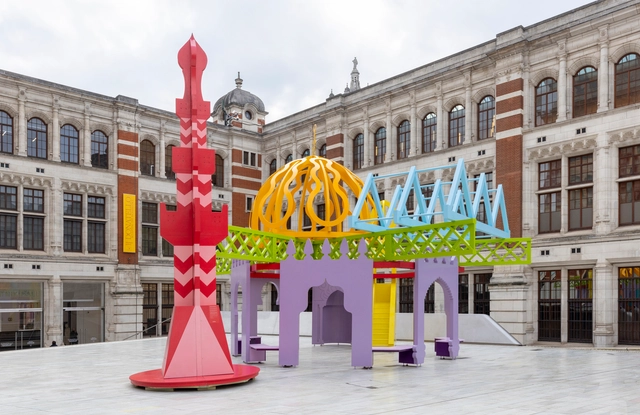
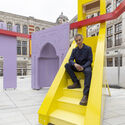
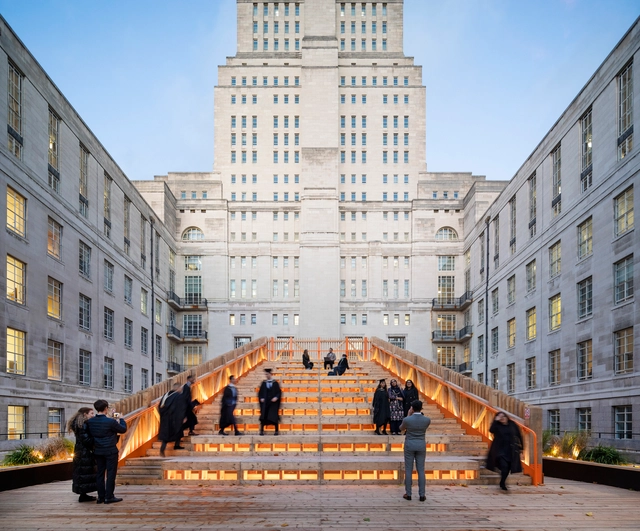
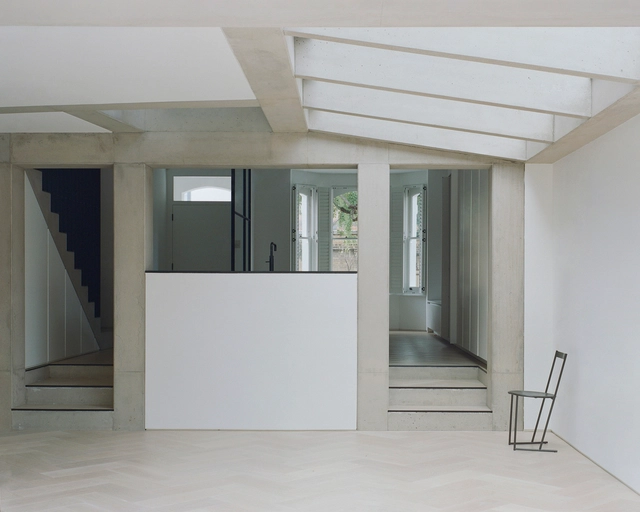
Ramadan Pavilion. Image Courtesy of Victoria & Albert Museum
Ramadan Tent Project and V&A present the Ramadan Pavilion 2023, an architectural installation inspired by the holy month of Ramadan, which starts today. The Ramadan Pavilion 2023 is designed by architect Shahed Saleem and will be open to the public at the Exhibition Road Courtyard of the V&A South Kensington until May 1, 2023. As part of the annual festival, the pavilion is accompanied by a series of events, performances, and workshops curated by the Ramadan Tent Project.
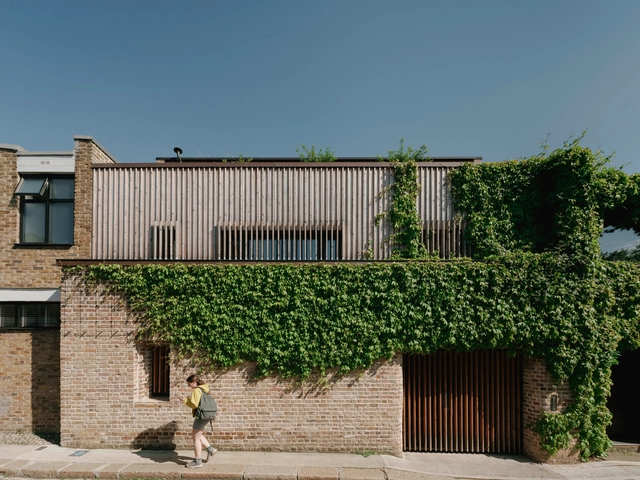
With many high streets hollowing out and the National Health Services Association pushed to its limits, Heatherwick Studio is calling for a new kind of health space in metropolitan cities. The Health Street initiative is placed right at the heart of urban communities, reimagining the way we look at well-being and the holistic health of complete localities. Moreover, this radical approach to health creation is based on integrating community-led facilities into the local high streets.
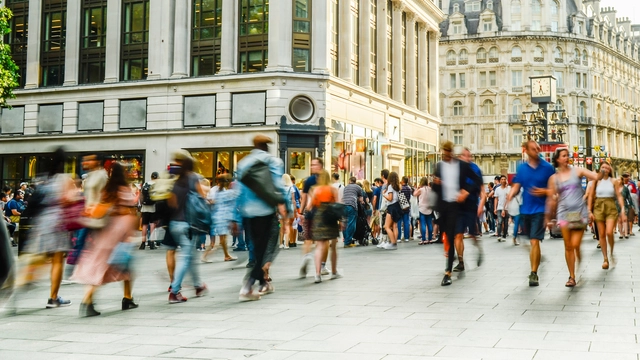
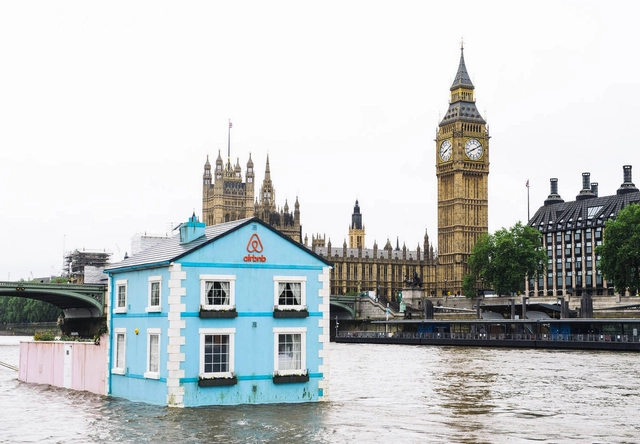
Airbnb has long been a reliable way to find a homestay. Since its inception in 2008, the site has hosted more than 7 million homes around the world where travelers can stay in a room, or rent an entire house out for themselves. Recently, many cities have been cracking down on short-term stays, citing safety issues, false listings, and rising property prices which push people out of their homes when housing becomes used just for Airbnb rentals. What are cities doing about these issues? What is Airbnb doing to help remediate them? And will Airbnb be viable for much longer?
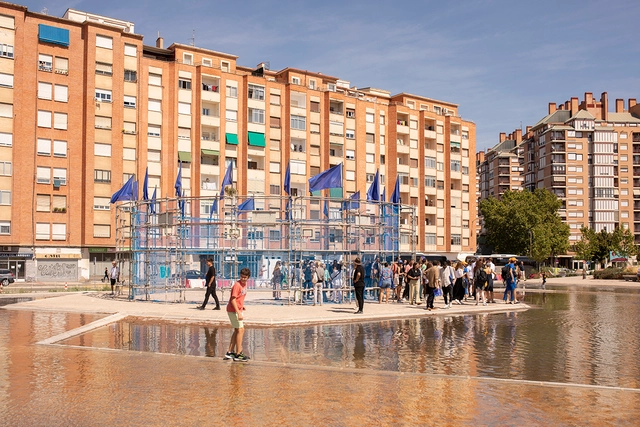
Biennales, exhibitions, and architecture focused festivals provide a platform for opening debates, conducting research, and driving innovation, but they can also contribute to the incremental changes that shape the image and the character of a city. Through temporary installations and experiments, this type of events have the opportunity to open lines on inquiry into the quality of urban spaces, inviting visitors and residents to slow down, break away from their daily routine and interrogate their local environments. The effects might not be immediate, but by cumulating these impressions and moments of contemplation, architecture and design festivals can have a long-lasting impact on the cities that welcome them.
Cities evolve over countless years, each moment of change building up to larger societal and architectural shifts. Metropolises across the world are constantly subject to social, political, economic, or environmental forces that alter their fundamental identity - a character that is meant to be dynamic. As cities develop in size and impact, advancements in the understanding of cities and urbanism grow more complex.
Cities are formed from a sequence of narratives, characteristics, relations, and socio-spatial values that reflect the identity of the place. The livelihood of the city also depends on its people and a mutual relationship with them. Along with their communities and their circumstances, cities morph to reflect their residents' needs and values.
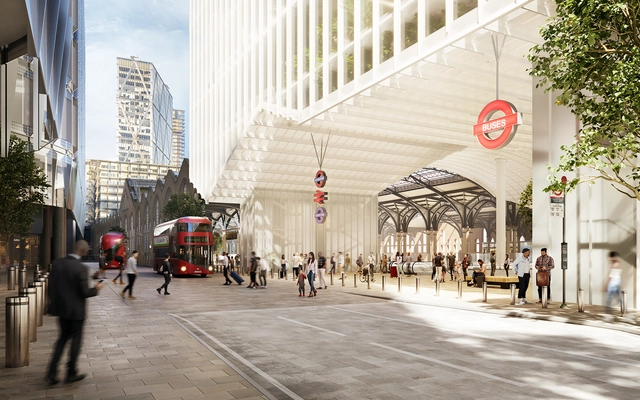
Architecture office Herzog & de Meuron has unveiled plans to revamp the Liverpool Street station in London. The scheme includes “vital upgrades” aimed at transforming the Victorian-era station into a fully accessible transportation hub fit to accommodate the 135 million people using the station annually. It also includes the addition of 840,000 square feet of offices and a 190,000 square feet hotel in two new structures, 10 and 6 stories high, respectively. These new interventions have attracted criticism from conservation groups. The proposal is currently undergoing its first round of public consultation. The development is overseen by Stellar, working with MTR, the operator of rail transport services and Network Rail.
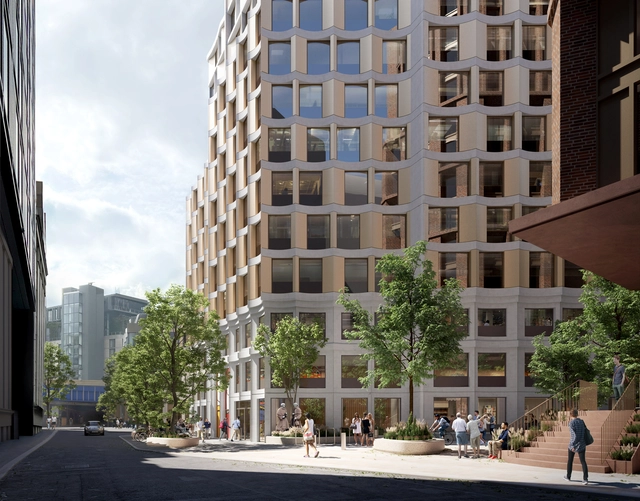
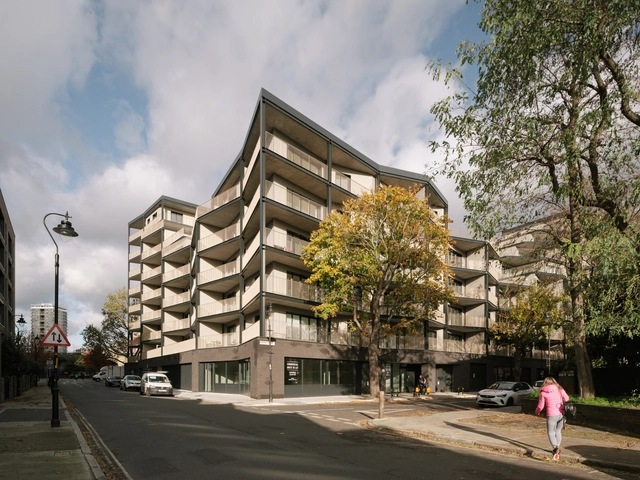
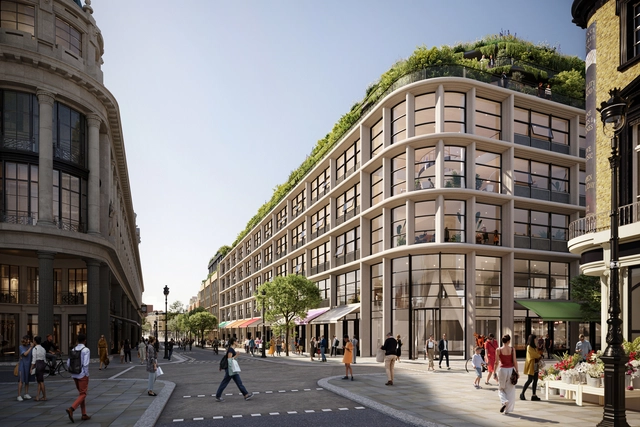
Foster + Partners has revealed the design for a new mixed-use development in the northern end of the central London high street. The building is located on Queensway, opposite the Whitley, the famous department store, which is also being transformed by Foster + Partners as part of a larger redevelopment scheme. Named The William, after William Whiteley, the eponymous founder of the famous Whiteleys, the project includes six floors of office space, shops, and 32 new homes, 11 of which will be affordable.
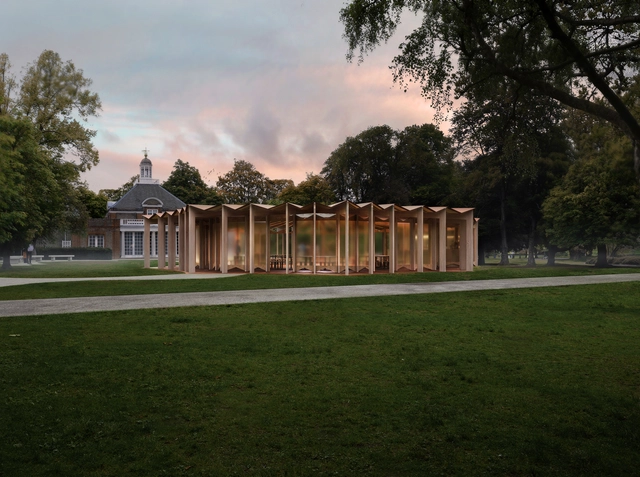
Beirut-born, Paris-based architect Lina Ghotmeh has been announced as the designer of the 22nd annual Serpentine GalleryPavilion. Titled “À Table,” the French expression for sitting together to eat, her proposal introduces a slender wooden structure with nine pleated petals supported by radial ribs. Inside the pavilion, a ring of tables and benches invites visitors to enter, sit down and relax, eat or work together. According to the architect, the modest space and low-slung canopy is meant to make people feel close to the earth. The Serpentine Pavilion will be open from June to October 2023.