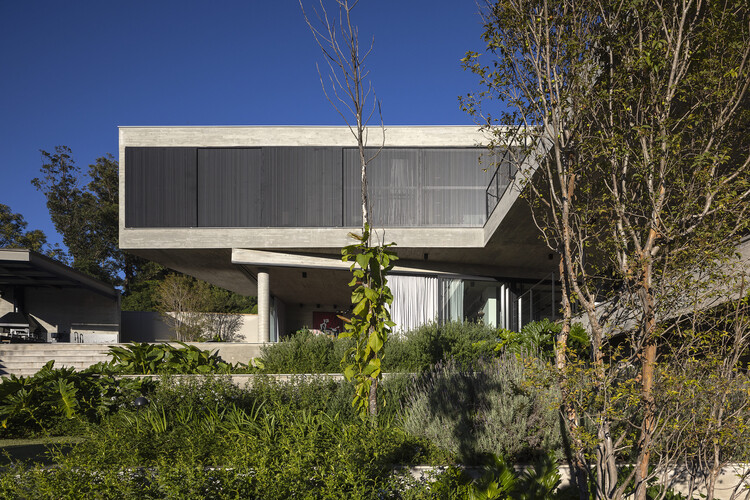
-
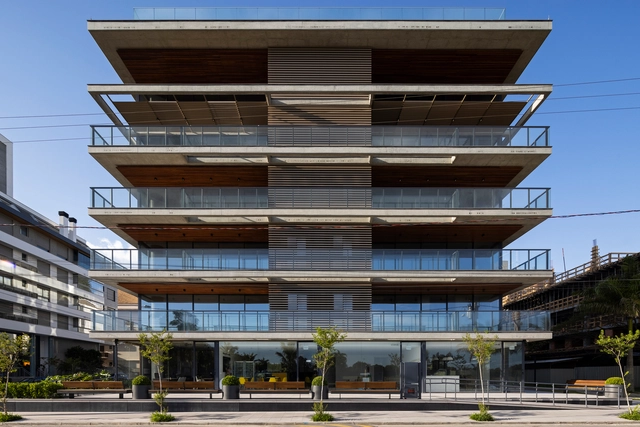
Architects: Drucker Arquitetos Associados
- Area: 870 m²
- Year: 2025
-
Manufacturers: Almaligth Curitiba, Alubauen Paraná, Roca
-
Professionals: Telecki Projetos Estrutural, Gabriel Regino, Greenwood
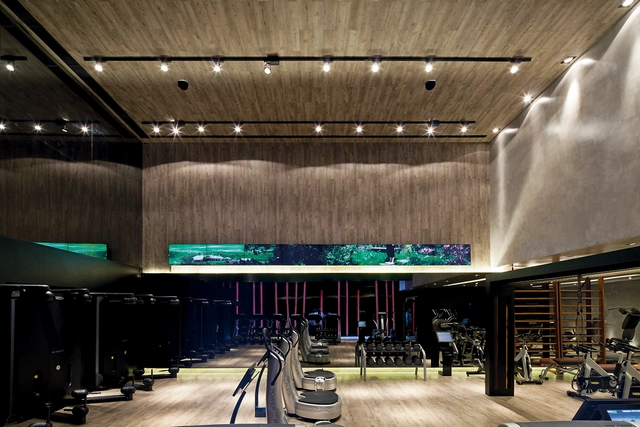

When designing residential interiors, architects increasingly lean toward creating environments where flexibility and space optimization provide solutions tailored to programmatic and functional needs, helping to achieve the well-being and comfort that turn a house into a true home.
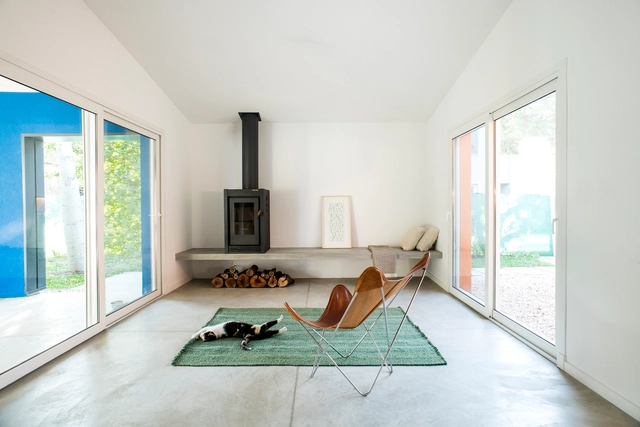
Originating as protection against low temperatures around 3,500 years ago, carpets and rugs have, over time, evolved into a true art form, reaching a high level of specialization by the 16th century. Rugs, carpets, and tapestries of various shapes, colors, textures, and patterns are integrated into different areas of the home to meet users' needs and enhance spatial comfort, sometimes extending far beyond their original purpose.
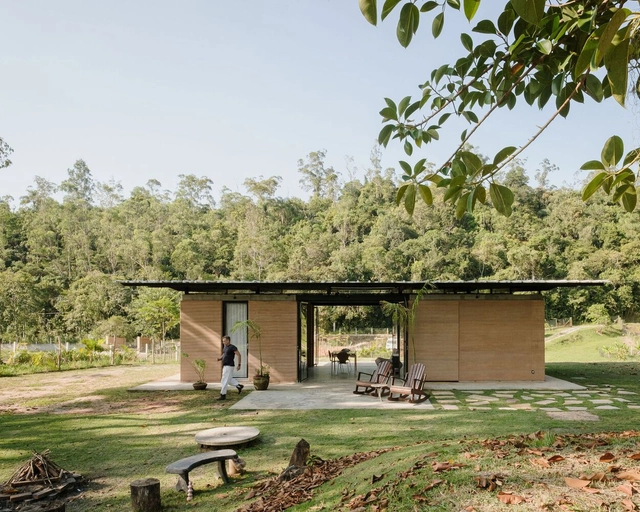
As another year comes to a close, the ArchDaily team gathers the highlights of architecture in a series of retrospectives reflecting on the content featured over the past twelve months. As part of this effort, our curation team turns its attention to one of the most popular categories among our readers, residential architecture, selecting the projects that represent the best of a vast global architectural production, as seen through the eyes of our audience.
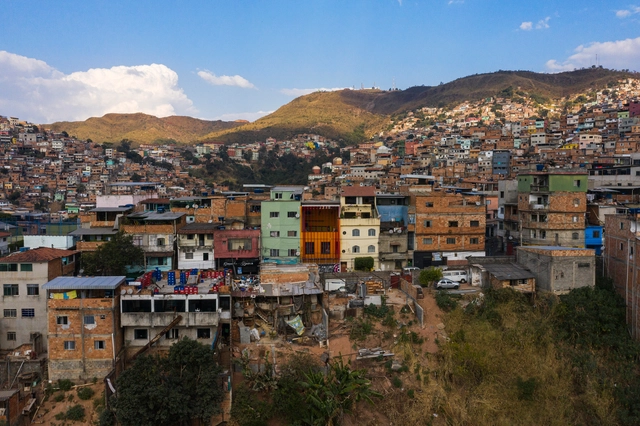
In developing architectural projects in favelas and peripheral areas, the work of Coletivo LEVANTE demonstrates immense sensitivity to the unique character and specificities of these environments. According to the group, "recognizing the values lived and realized by favela residents—landscape, architecture, identity, and relationships" is the very raw material they seek for their projects. This approach has gained recognition through works like the Lá da Favelinha Cultural Center and Casa no Pomar do Cafezal, winner of the ArchDaily 2023 Building of the Year Award.
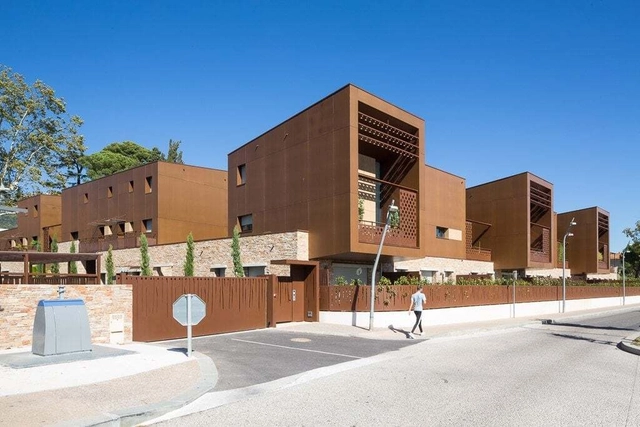
To explain the passage of time, the ancient Greeks relied on two gods: Chronos and Kairos. While the former is represented as ruthless, like a clock that never stops, Kairos evoked the opportune moment for action. In other words, while Chronos is quantitative, Kairos has a qualitative and permanent nature. Indeed, humanity's relationship with the passage of time is not always an easy one.
Buildings are no different. In his seminal work The Seven Lamps of Architecture (1849), John Ruskin argued that only ruined buildings could preserve our past perceptions and, at the same time, allow us to confront our own mortality. In this sense, the marks of time and rubble were crucial witnesses to architectural aging, which, in his view, achieved an aesthetic somewhere between the sublime and the picturesque. Although this is a somewhat controversial perspective, the idea of considering how a building will endure over time has been gaining traction. It is well known that some materials age better than others: while a plastered white wall quickly shows cracks and stains, a stone wall seems to improve with age, blending into its surroundings, for example. Time brings new nuances, tells the story of what has passed, and lends authenticity to surfaces.
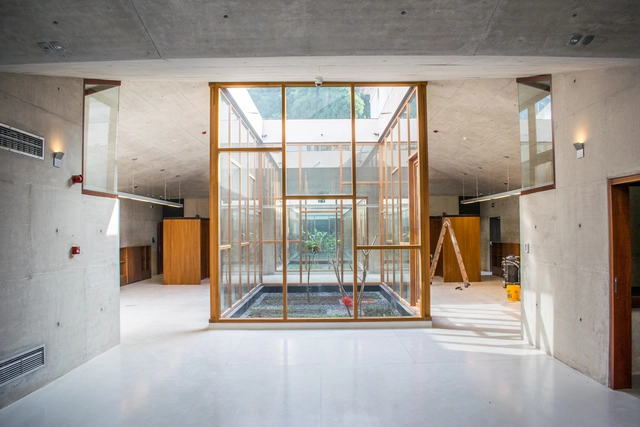
In the Land of Architects is a podcast created by Sara Nunes, who also runs the architectural film production company Building Pictures. The podcast aims to profile the professionals, projects, and stories behind leading contemporary Portuguese architecture. With just over 10 million inhabitants, Portugal is a fascinating country when it comes to this professional field, and its architectural output punches far above its population or territorial scale.
In this episode of the fourth season, Sara talks with Pedro Campos Costa about the project for the Consulate General of Portugal in Rio de Janeiro. Listen to the conversation and read part of the interview below.
Reflecting on contemporary housing is perhaps one of the most compelling and relevant undertakings of our time. In a rapidly changing world—where technology advances at a breakneck pace, populations grow, and resources become increasingly scarce—it is vital to reconsider how we live and how we can do so better.
Housing is not just the place where we live. It is a reflection of our society, our culture, and our aspirations. It is a space that influences our quality of life, our health, and our well-being. And in a world changing at an unprecedented pace—where technology advances by leaps and bounds, population grows, and resources become scarce—it is crucial to reflect on how we inhabit our homes and how we can make them better.
Throughout the month of April, ArchDaily opened up the debate on the topic of contemporary housing. We extended an invitation to our readers to join the discussion on its current state and future. After reviewing an immense number of comments and opinions from construction professionals, students, and architecture enthusiasts alike, we were surprised to find a strong consensus: above all, contemporary housing speaks as much to adaptability, innovation, and diversity as it does to real estate speculation, a lack of adequate public policies, and economic inequality. Read the main viewpoints in detail below.
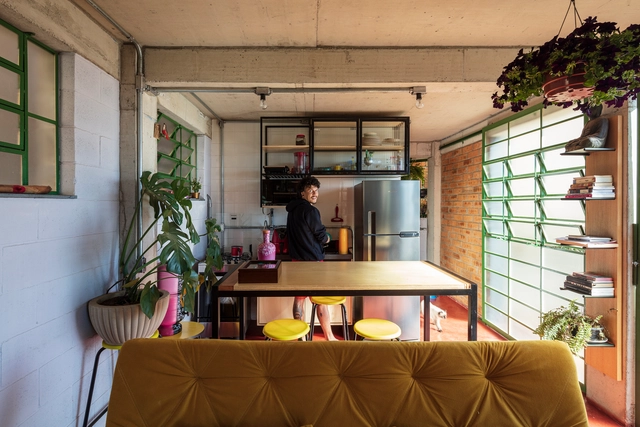
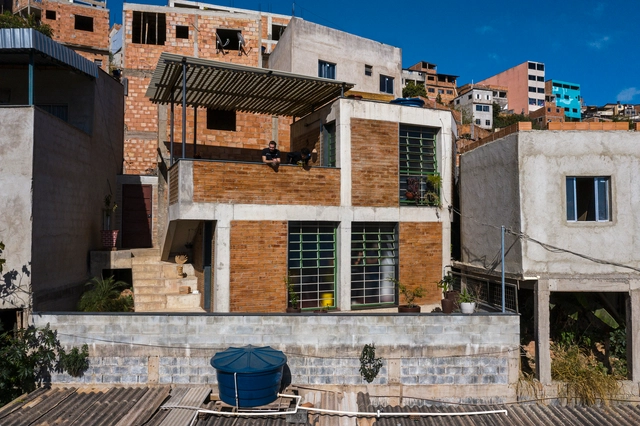
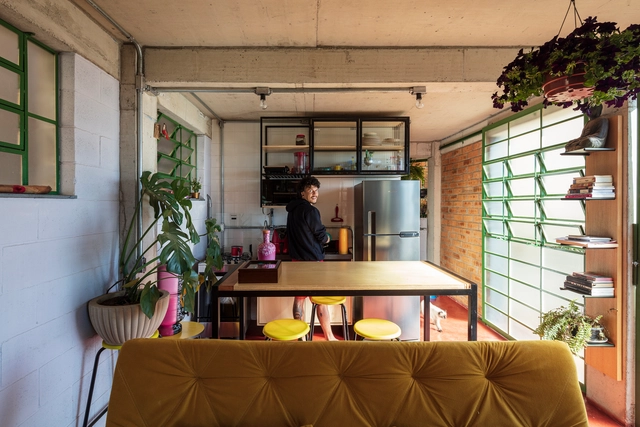
At the crossroads, three women with their histories and ancestries seek to overcome the challenge with a necessary padê: the construction of a narrative that attempts to purge from the epistemic rubble certain questions born from observing how people reacted to the fact that a "chic favela dweller" received an international award. The case (and tale) in question is the award in the "Houses" category of ArchDaily's international Building of the Year 2023, which was granted to "Kdu's Shack"—a house that expresses planning, design, exposed concrete, exposed brick, beauty, and poetry, but... From its inception, it has been a house "out of place"—and this caused discomfort. In this text, we address these (dis)comforts and materialities; the disputes over narratives; what is "out of place" and who does the classifying; territory; design; aesthetics; gingas; the delegitimization of self-discourse, and other intersections.
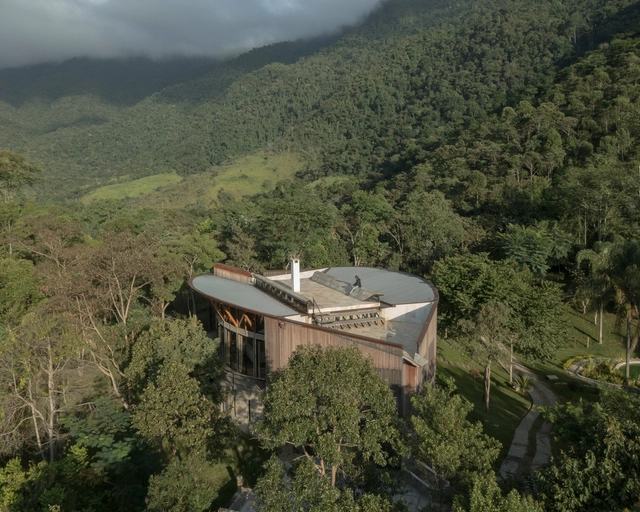
ArchDaily's curation team strives daily to present our readers with the most significant, inspiring, and innovative projects, expanding the knowledge and repertoire of students and architects worldwide. From small renovations to projects designed from scratch, residential architecture is a constant in the daily practice of most firms. Year after year, we see the deep interest this typology sparks: it remains the most popular category among our audience.
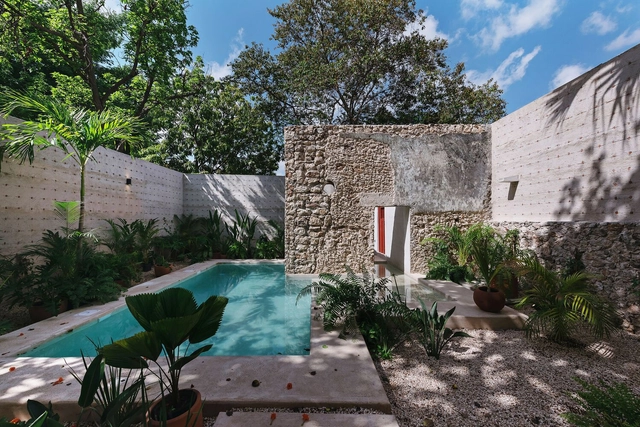
Residential swimming pools have become a staple in housing developments and private homes, particularly in regions where warm weather prevails for most of the year. Sun, shade, and cool water call for a landscape design that fosters harmony in these spaces.