What happens when a city’s industrial past becomes the raw material for its future? In Copenhagen, Nordhavn transforms the old harbor into a living laboratory of sustainable urbanism, where warehouses and docks give way to independent districts, small islands, and canals that redefine what it means to inhabit the city.
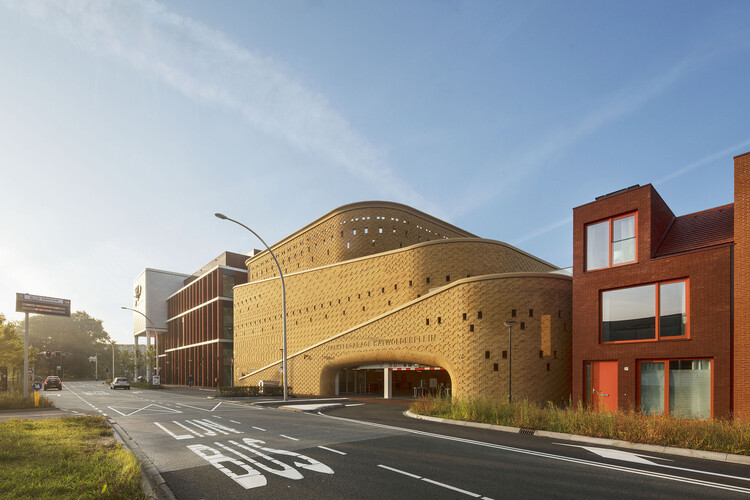
In an era of people-centered urban planning, 15-minute cities, “eyes on the street,” and active public spaces, parking garages are often seen as the antithesis of contemporary urban ideals. But that was not always the case. If today they challenge architects and planners to reinvent them in pursuit of more sustainable mobility and more human cities, in the past they stood as witnesses to a radical transformation in how we move, inhabit, and perceive urban space. Once symbols of modernity, parking garages embodied the height of an age when the automobile was seen as a driving force of progress. This shift in meaning reveals them as much more than utilitarian structures — they are powerful reflections of the evolution of urbanism, technology, and social habits over the past two centuries.
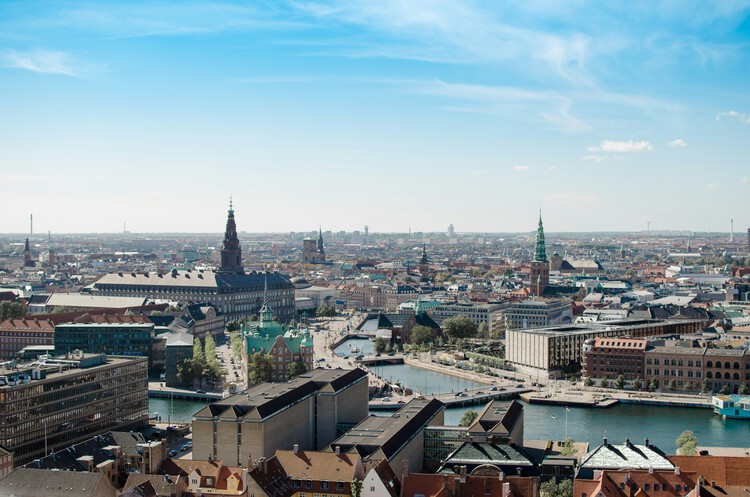
For most architecture enthusiasts, mentions of the city of Copenhagen will prompt images of pedestrian-friendly streets, suspended bike lanes, quaint water canals, and overall happy residents. The capital of Denmark has many accomplishments to boast: over 60 percent of its residents commute to work by bike, it was among the first cities to set up a strategic plan to achieve carbon neutrality, resulting in an 80% decrease since 2009, and it has become one of the most cited study cases for its urban planning and infrastructure. This reputation was officially cemented when UNESCO named Copenhagen the 2023 World Capital of Architecture, recognizing the city's enduring role as a laboratory for innovative contemporary design and people-centered urbanism. This September,the inaugural Copenhagen Architecture Biennial transforms the city into a global platform for dialogue under the theme "Slow Down," exploring how architecture can respond to global pressures by rethinking the pace of change. The occasion is also marked by the launch of ArchDaily's 5th edition of Next Practices Awards, solidifying the city's status as a nexus for contemporary architectural thought.
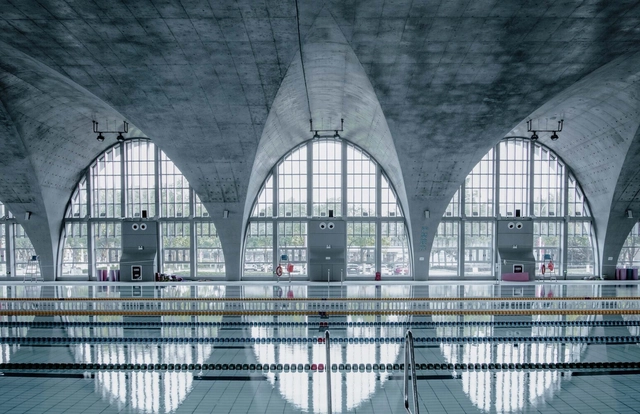
Natatorium of Southeast University / SEU-ARCH Zhou Qi Studio. Image Courtesy of SEU-ARCH Zhou Qi Studio
Sports infrastructure has become an important aspect of contemporary life, addressing the growing need for physical activity and leisure spaces to offset the stresses of urban living. In this context, architecture, particularly in the realm of sports facilities, plays a pivotal role in shaping these environments. Sports architecture, in particular, has evolved into a highly specialized discipline that not only addresses the functional and technical aspects—such as structural integrity, safety standards, and the specific requirements of different sports—but also emphasizes the importance of thoughtful design. A well-designed sports facility not only enhances the user experience but also integrates seamlessly into its urban or natural surroundings, contributing to the overall aesthetic and social value of the space. By blending functionality with innovation and creativity, sports architecture has the potential to positively impact both individual well-being and community cohesion.
Besides denoting a show of careful thought, in architectural terms, the word ‘considerate' also suggests an emotional and perhaps even empathetic approach. And why shouldn't it?
Good architecture can and should be considerate—in all the varied ways the word embodies. While it could start off with the motivation to do good and require an initial moral approach, this sensibility, combined with a meticulous knowledge of individual/communal needs and transparent communication, generates a well-adapted, and accessible built environment that can promote growth.
https://www.archdaily.com/989415/good-architecture-is-considerateArchDaily Team
In increasingly denser urban environments, there is a new-found interest in underused spaces as opportunities for further development. Representing up to 25% of cities' land area, rooftops are among the most exciting spatial resources. From sustainable infrastructure and urban farming to social spaces and cultural venues, the article looks into the potential of creating a multi-layered city through the activation of urban rooftops.
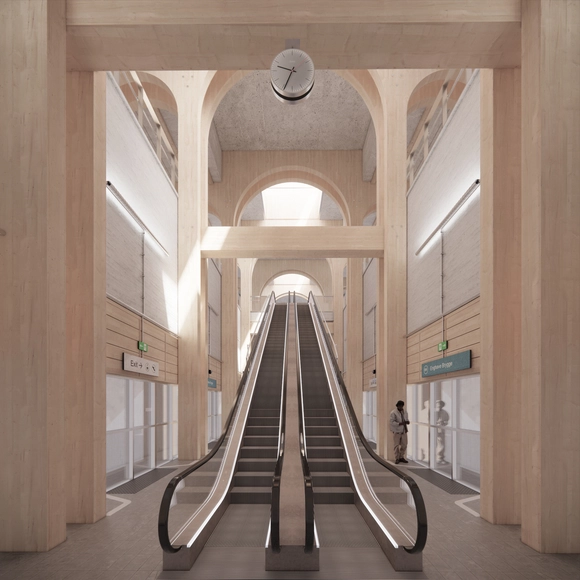
JAJA Architects won the competition organized by Metroselskabet, Denmark, to develop resource-efficient and climate-friendly metro stations. The winning team takes a comprehensive and holistic approach, looking at both material-optimized and sustainable design solutions and the character of the journey that passengers take to reach their destination. The proposal is centered around three core elements: Materials, Mobility Hub and Climate Campaign. While aiming to reduce CO2 emissions, the team also seeks to create an enjoyable and easy-to-navigate space for the many daily passengers. Snøhetta, 3XN/GXN, and Effekt also participated in the competition.
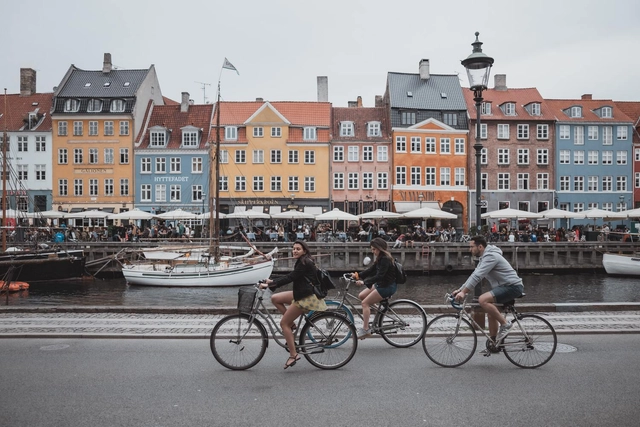
According to the World Happiness Report, Denmark has continually topped the survey of happiest countries for years. Copenhagen, the capital of Denmark, is known for its brightly colored waterfront buildings and radical contemporary architecture, both reflecting the joyful ethos of the city. The maritime metropolis is an urban designer’s favorite case study with its carbon-neutral infrastructure, pedestrian and bike-friendliness, and thriving public realm.Danish designers have cracked the code to build happier cities, leaving plenty of models to learn from.
SPACE10 and EFFEKT Architects . Image Courtesy of Space 10- The Ideal City
The world is constantly changing, and our built environment is continuously evolving and adapting. As we find ourselves immersed with challenges, experts and thinkers are re-examining the approaches humanity has adopted so far, in order to set new ideas for a better tomorrow.
“Cities are at the heart of the problem, and therefore also at the heart of the solution." Space 10, a research and design lab centered on people and the planet, has just released its latest publication, The Ideal City, in collaboration with gestalten. Gathering insights from around the globe, the book rethinks cities, investigating how to create spaces that support the well-being of the residents and contribute to a better world. Compiling projects and expert opinions, it highlights 5 main pillars that help in shaping the future of the urban realm.
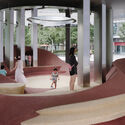
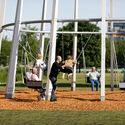
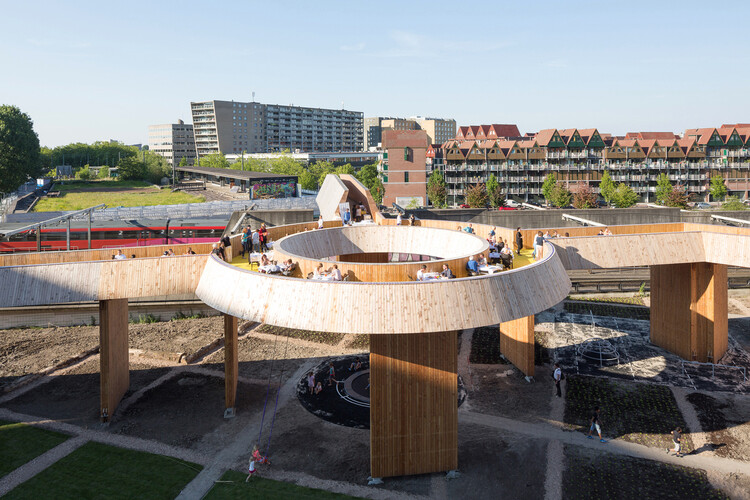
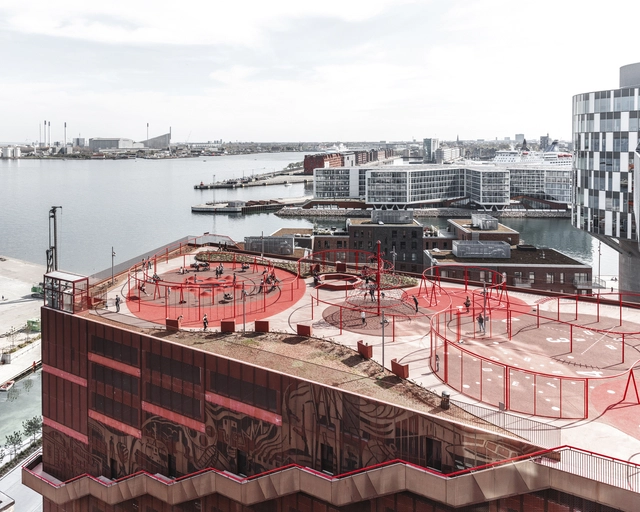
The parking house, entitled Parking House + Konditaget Lüders, has just won the international design award Danish Design Award 2020 in the category of “Liveable Cities”. Designed by JAJA Architects, the intervention refurbished the roof of a parking house into living urban space with sports and play equipment.
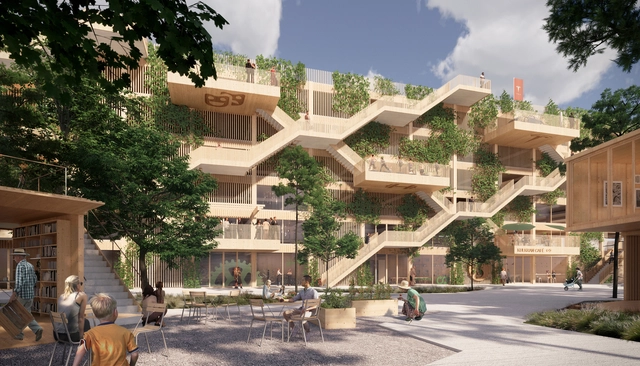
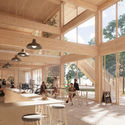
Open Platform (OP) and JAJA Architects, together with Rama Studio and Søren Jensen Engineers, have won the open competition for a new parking house in Aarhus. In line with Denmark’s vision of becoming climate neutral by 2050, the structure will be the country’s first wooden parking house.
“Who would’ve thought a parking garage could be so interesting?”
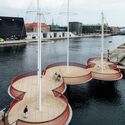
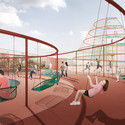
In this video aired by the Louisiana Channel, Kathrin Susanna Gimmel and Jan Yoshiyuki Tanaka, both co-founders of Copenhagen-based firm JAJA Architects, explain the ideology behind the “Park ‘n’ Play” parking garage. Bright red, atop the 24-meter high car park, sits a playground which, in combination with a rooftop garden, provides a unique public setting offering sought after views of the Copenhagen harbor. Watch the video for more insight into JAJA’s design methodology and how the playground helps redefine roles of public space and usage while integrating into a historical urban identity.
https://www.archdaily.com/804825/watch-how-jaja-co-founders-of-park-n-play-are-redefining-public-spaceOsman Bari
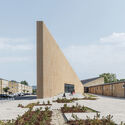
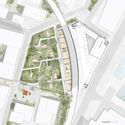
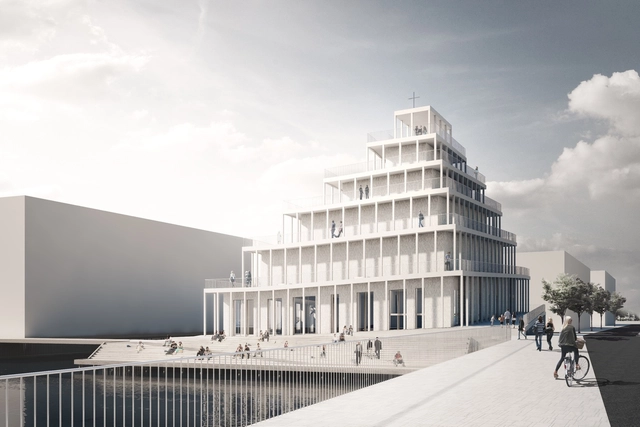
JAJA Architects has been announced as the winners of an open international competition to design a new parish church in the Sydhavnen (South Harbor) district of Copenhagen. When completed, it will be the first new church built in Copenhagen since 1989.
The competition, organized by The Danish Association of Architects, sought proposals for a 3,200 square meter church to be located on a waterfront site in the revitalized district of Sydhavnen that could be used for a range of religious, social, cultural and musical events. Construction of the church is expected to be completed in 2019.
Continue reading to see the winning proposal as well as several additional entries.
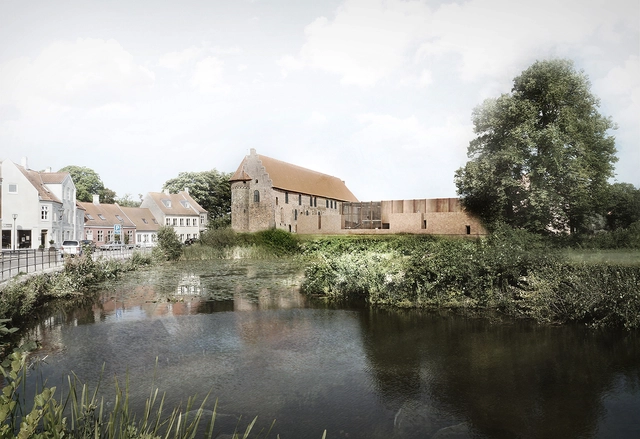
Cubo and jaja, together with VBM, Schul Landscape, Søren Jensen Engineers, and Professor Mogens Morgen of The Aarhus School of Architecture, have been selected to renew the medieval Nyborg Castle. The 15th century castle is located on the Danish island of Funen and is where Denmark’s first constitution was signed in 1282.
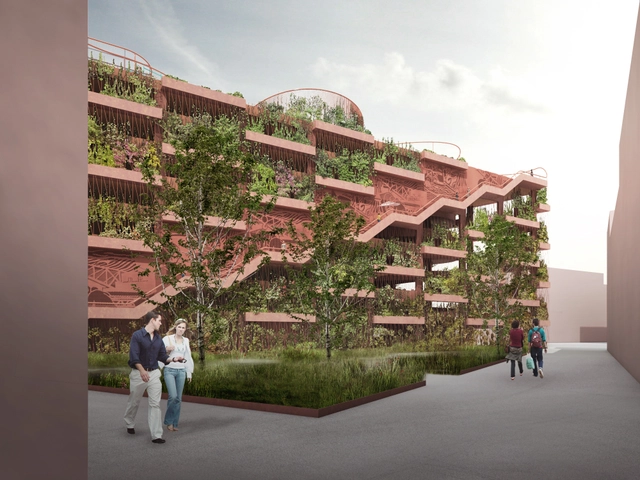
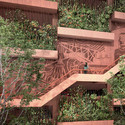
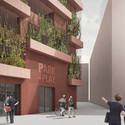
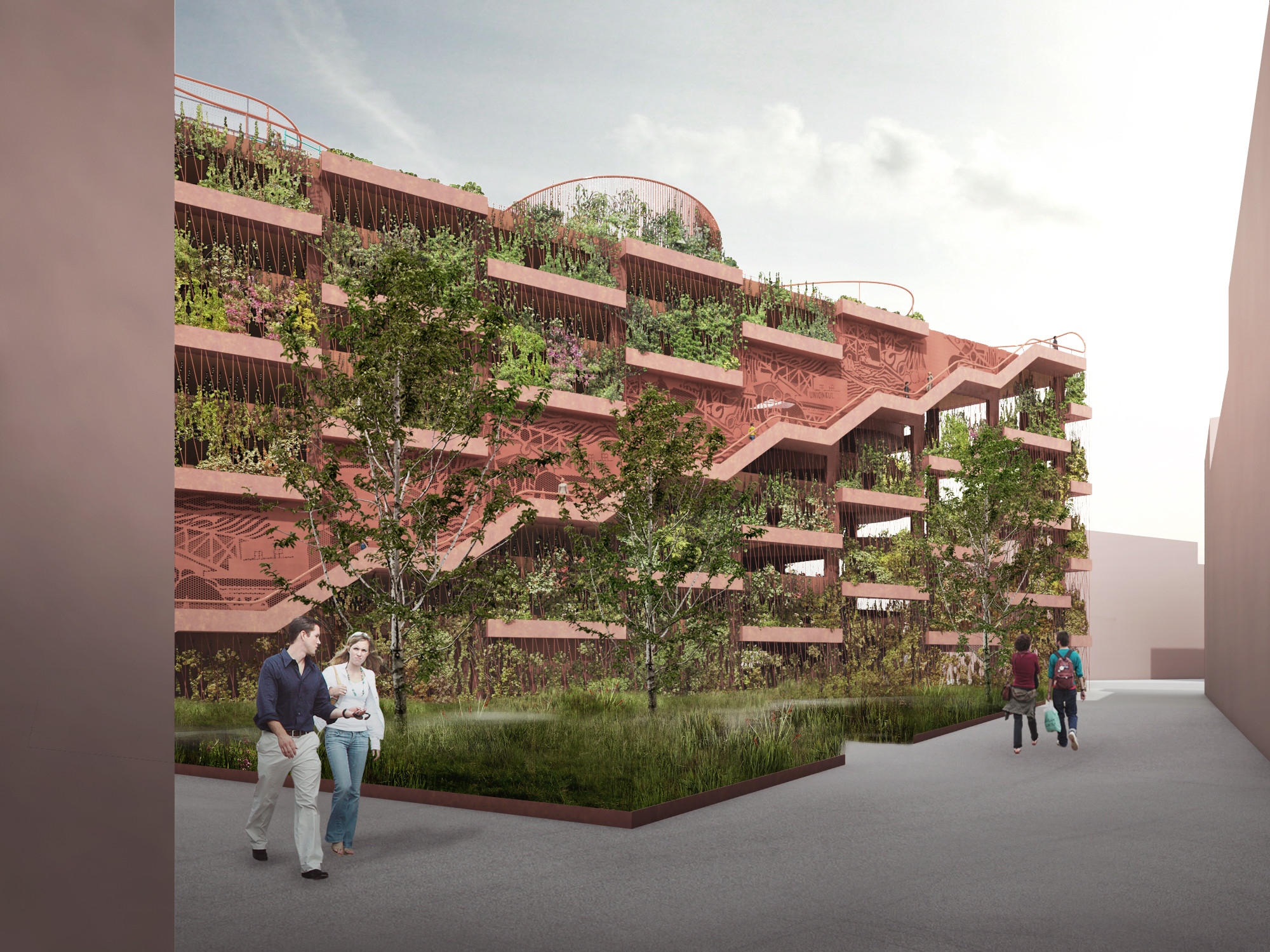
With the intention of creating a beautiful public space from what is usually a one-function building, JAJA architects are redefining what a parking deck can be. Their recent competition entry for a parking garage in the city of Nordhavn, Copenhagen is an inviting structure that incorporates green facades and a rooftop playground, making full use of its placement in an up-and-coming urban neighborhood. Read all about the aptly named “Park ‘N’ Play”, after the break.
The proposal for the Natural History Museum of Denmark, designed by Kengo Kuma & Associates, Erik Møller Arkitekter, and JAJA Architects, focuses on creating a coherent and inseparable experience which mixes the experiences of the conventional museum and the classical garden into a series of remarkable spaces. Its location within the beautiful and historical setting of the city’s botanical garden creates a potential for a museum that is more authentic, more engaging and more open for everyone. More images and architects’ description after the break.
JAJA Architects just shared the news of their competiton proposal for an extension of Falkonergården High School in Frederiksberg, Denmark. The competition attracted over one hundred proposals, and JAJA’s placed third for its “…respectful relation to the existing buildings through its geometric formal language”. The jury explained, “The shape appears logic with an interpretation of the buildings existing virtues. And the objective of capturing the warm glow of the surrounding buildings with new materials seems very convincing.”
More images and more about the extension after the break.