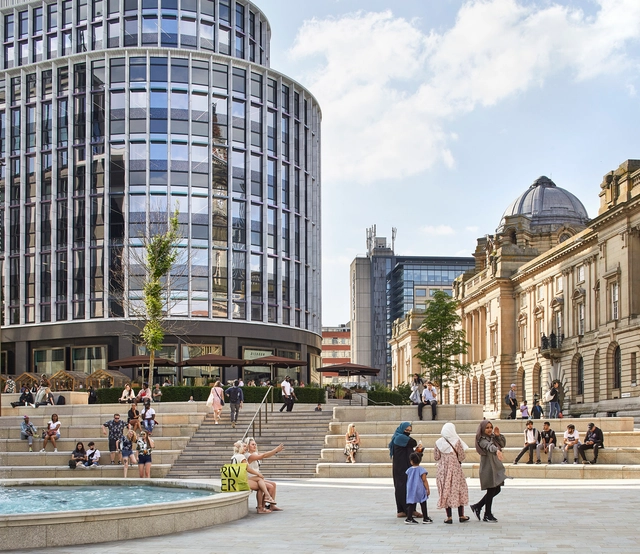
The purpose of innovation is to promote positive change and progress in various aspects of life. This involves creating, developing and implementing new ideas, methods, products, or processes that improve existing ones or introduce completely new concepts. Renowned architecture and design firm Henning Larsen, founded in 1959 in Denmark, has a solid commitment to embracing innovation as a core element of its work. With an emphasis on design excellence, sustainability, collaboration and user-centric approaches, innovation plays a key role in its quest to create iconic and sustainable architectural landmarks. Through dedicated research and development, they are constantly exploring new ideas, materials and technologies to enhance functionality and elevate the user experience of their buildings. To learn more about this visionary approach and its impact on architectural efficiency, we spoke with Jakob Strømann-Andersen, who heads a specialist department that combines innovation and sustainability, highlighting the firm's commitment to pushing the boundaries of sustainable architecture.
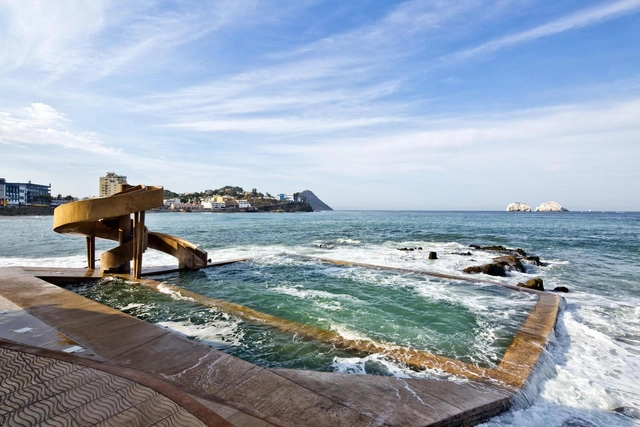
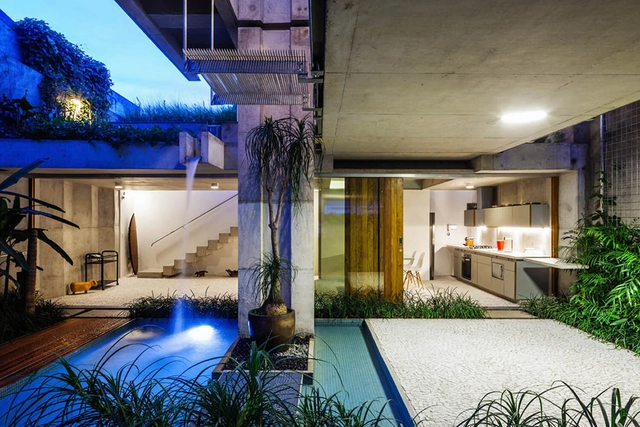
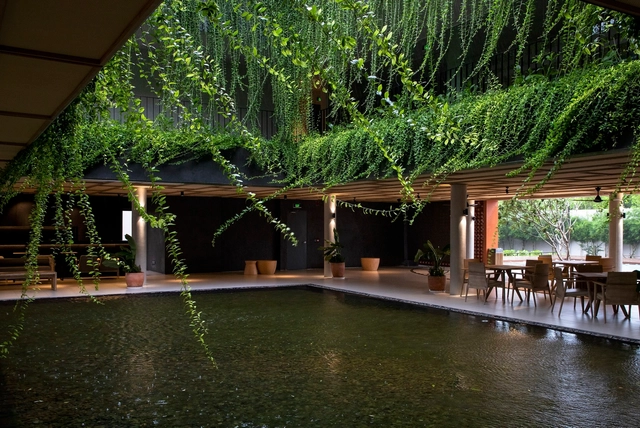
Integrating water into landscaping in unique and sustainable ways has become an increasingly relevant approach to recent projects. Proper use of this natural resource adds aesthetic value to green spaces and can also promote ecologically positive responses to the work. Looking for different perspectives and innovative solutions, we look for projects with different approaches that integrate water and landscape.
Pihlmann Architects is a young Copenhagen-based architectural run by Søren Pihlmann. In this interview with Louisiana Channel, the rising architect elaborates on his unique practice, the values he holds, and what he finds fascinating about architecture. Most notably, Pihlmann explains that his view on the practice has transformed from being an architect into becoming a type of curator, selecting very few things with great sensitivity.
In his latest TED Talk, Thomas Heatherwick decries a condition affecting areas of the city defined by monotonous buildings, or what he calls “an epidemic of boringness.” While recognizing the functionality which drove these designs, he states that functionality alone cannot ensure that the structures become active parts of urban life, as they often fail to provoke an emotional response from passers-by. Heatherwick explains that, in his view, this emotional function, or the ability of buildings to mean something to their users and visitors, is essential. When it succeeds, architecture can positively contribute to the quality of life and well-being of its residents, promote social cohesion and contribute to a sense of identity. So how can architecture provoke a positive emotional connection and provide an enjoyable backdrop to the communities it serves?
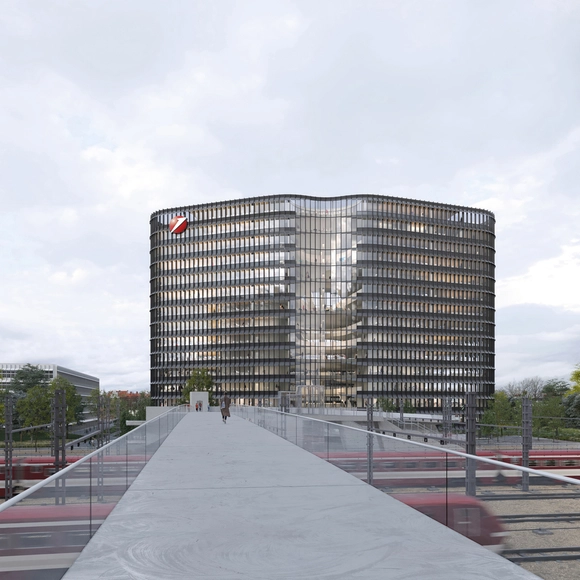
Sauerbruch Hutton has won the competition for Headquarters 2 (HQ2) for the Haidenauplatz Quarter in Munich. This high-rise building will be the focal point of the newly developing Haidenauplatz district in Eastern Munich. Serving as HypoVereinsbank's second central location, it will stand alongside the iconic Hypo high-rise from the 1970s in the neighboring Bogenhausen district. The design by Sauerbruch Hutton and landscape architect MDP Michel Desvigne Paysagiste was chosen from a pool of nine other international participants.
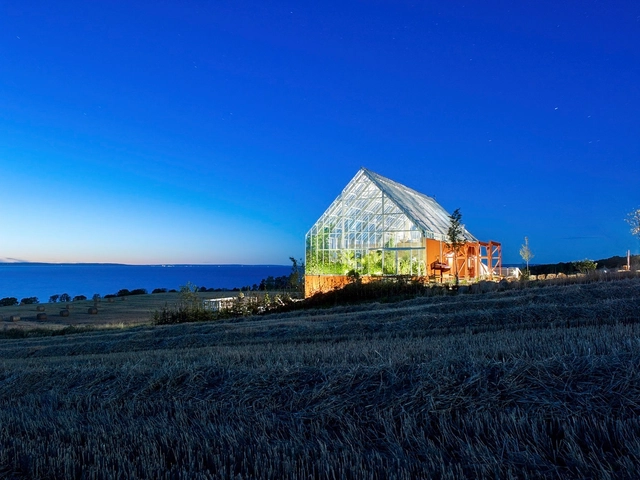
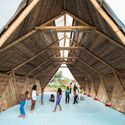
We invite you to join re:arc institute—a new philanthropic organization supporting architectures of planetary well-being—in celebration of the opening of The Greenhouse: a UIA Pavilion in the form of a new, youth-focused environmental education space in Copenhagen.
Researchers point out that "proto-greenhouses" arose to fulfill the desire of the Roman Emperor Tiberius (42 BC to 37 AD) to eat cucumbers every day of the year. Since it was impossible to grow the vegetable on the island of Capri in winter, his gardeners developed beds mounted on wheels that they would move into the sun when possible, while on winter days they would place them under translucent covers made of Selenite (a type of gypsum with a glassy appearance). But the production of large-scale greenhouses only became possible after the Industrial Revolution with the availability of mass-produced glass sheets. Since then, they have been used to grow food and flowers, forming a microclimate suitable for plant species even in places with severe climates. But in some cases, these artificial growing conditions can also form interesting living spaces. The recent Lacaton & Vassal awards rekindled this interest. How is it possible to create greenhouses that can be good for both humans and plants?
June 8th was World Oceans Day 2023, which brought the theme 'Ocean Planet: Tides are Changing'. The purpose of the United Nations was to generate a "new wave of enthusiasm for caring and protecting the ocean and the entirety of our blue planet."
A new opportunity to reflect on the importance of preserving these vast aquatic ecosystems that cover more than 70% of the Earth's surface - and an opportunity to reflect on how architecture can contribute to their protection and conservation through the design of resilient coastal infrastructure, the development of marine energy technologies, sustainable design of coastal buildings, and regeneration of marine ecosystems.
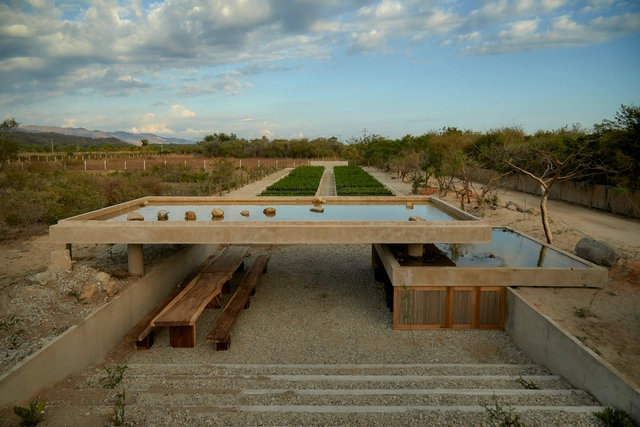
An arid environment refers to specific regions characterized by a severe lack of available water and extremely dry weather conditions. More specifically, arid regions by definition, receive less than 25 centimeters of rain per year. In the immense vastness of arid environments, where extreme climates present significant challenges, the role of water in architecture takes on a new dimension.
For centuries, architects and designers dealing with harsh desert landscapes and the vital necessity of water have invented techniques, technologies, and new structures. Moreover, many creative approaches have been created to harness, collect, and cool water in arid environments.
The Second Studio (formerly The Midnight Charette) is an explicit podcast about design, architecture, and the everyday. Hosted by Architects David Lee and Marina Bourderonnet, it features different creative professionals in unscripted conversations that allow for thoughtful takes and personal discussions.
A variety of subjects are covered with honesty and humor: some episodes are interviews, while others are tips for fellow designers, reviews of buildings and other projects, or casual explorations of everyday life and design. The Second Studio is also available on iTunes, Spotify, and YouTube.
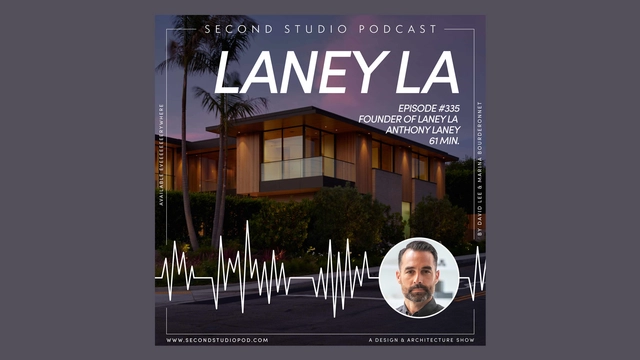
This week Anthony Laney, Founder of Laney LA joins David and Marina of FAME Architecture & Design to discuss the iterative design process, leadership and teamwork, how Laney LA has evolved, designing different kinds of buildings, refining their design sensibilities, and more!
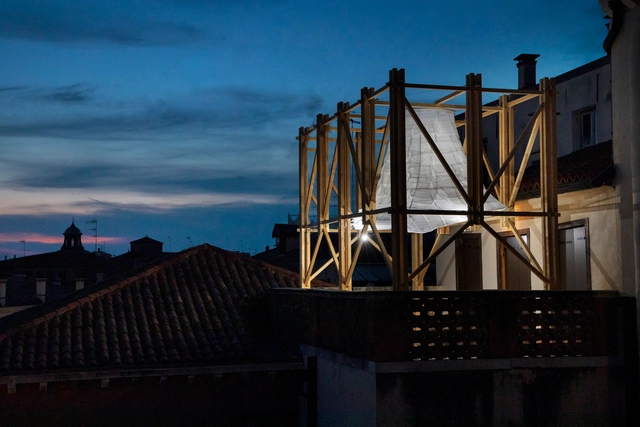
In parallel to this year's Venice Architecture Biennale, The European Cultural Centre (ECC) presented the sixth edition of its extensive architecture exhibition titled Time Space Existence. The 2023 iteration of the group show draws attention to expressions of sustainability in its numerous forms, ranging from a focus on the environment and urban landscape to the unfolding conversations on innovation, reuse, community, and inclusion. A total of 217 projects by established participants like Snøhetta or MADWORKSHOP and emerging players such as Urban Radicals or ACTA are currently on show through the 26th of November, 2023, at Venice's Palazzo Bembo, Palazzo Mora, and Marinaressa Gardens.
In response to climate change, the installations on show investigate new technologies and construction methods that reduce energy consumption through circular design and develop innovative, organic, and recycled building materials. Participants also address social justice by presenting living solutions envisioned for displaced communities and minorities, while others examine the tensions between the built urban environment and the nature surrounding it to identify opportunities for coexistence.
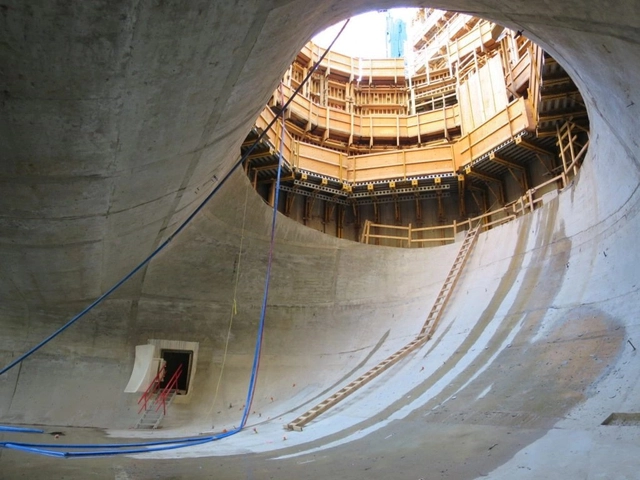
Concrete, second only to water, is the most consumed material worldwide due to its structural strength, ease of handling, and versatility. Comprised of cement, sand, gravel, and water, it is extensively used in construction projects of various scales. However, even this resilient material can deteriorate over time, necessitating maintenance or, in severe cases, demolition. Abrasion and erosion are factors that can adversely affect the appearance of concrete, remove its protective layer, create a rough surface, and potentially lead to structural issues. These challenges are particularly critical in large and complex construction sites, where any irregularities or unevenness can result in significant losses and complications for architects, engineers, and contractors.
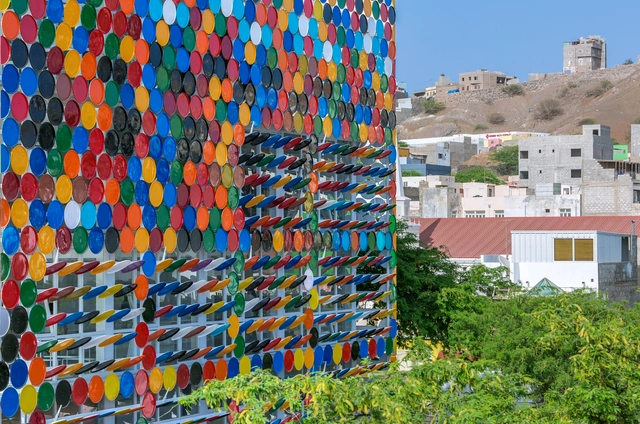
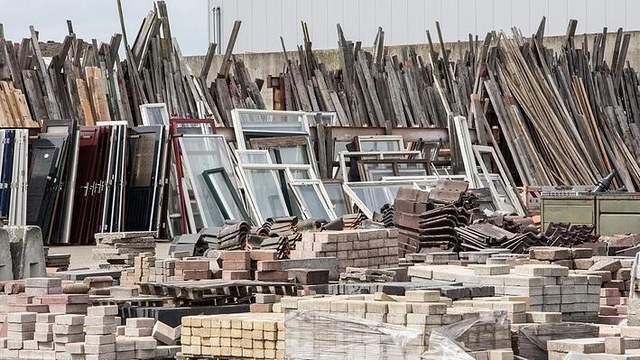
The circular economy concept became more defined in 1990 when it appeared in the article Economics of Natural Resources and the Environment, by British economists and environmentalists David W. Pearce and R. Kerry Turner. At the time, the main purpose of the research was to demonstrate that the traditional economy did not incorporate recycling. In this way, the environment assumed a secondary role, just like a simple waste reservoir. Therefore, the circular economy would gain strength as an opposition to the linear (or traditional) economy, in which the production chain motto is “extract, produce and discard”. A model deeply rooted in our economy that has become unsustainable for several reasons, like the depletion of natural resources and the contamination of the environment resulting from production and disposal.
As awareness of water scarcity, water stress and environmental sustainability grows around the world, the concept of "water footprint" is becoming increasingly relevant. Unlike its more popular cousin, "carbon footprint", which focuses on greenhouse gas emissions, the water footprint (WF) provides a holistic view of water used throughout the life cycle of a product, process, or activity. It measures the amount of water consumed (directly and indirectly) and polluted –taking into account different types of water resources– and serves as a valuable tool for companies, policymakers, and individuals to understand and address their water-related impacts. There are even online calculators that measure our individual footprints through simple questions about our homes, appliances and even eating habits.
Almost two decades ago, in the downtown corridor of Columbus, Ohio, the century-old landmarked Lazarus Building underwent an extensive renovation to save the department store and restore it to its former glory. Sixty million dollars went into its restoration and transformation into a retail and office complex. During the construction, workers recycled nearly 5,000 pounds of steel, 2,000 pounds of concrete, and significant amounts of carpeting, ceiling tiles, and various wood- keeping 22,000 pounds of debris out of Ohio’s landfills. They also saved more than $25 million dollars by implementing this rigorous recycling process.
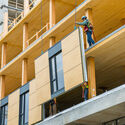
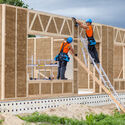
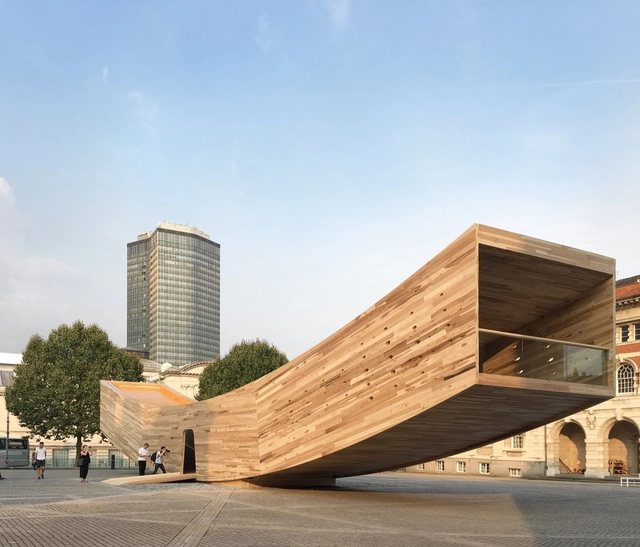
Timber is a natural, renewable material, easy to fabricate, and with low-carbon emissions. As a construction material, however, when put under enough directional force along its grain, sawn timber is structurally unstable, so deemed unsuitable under higher loads. In comparison, the manufacture of cross-laminated timber (CLT) involves simply gluing multiple layers of timber together at right angles. By crossing the direction of the grains, CLT achieves a far higher level of structural rigidity along both axes. CLT boards start with a minimum of three layers but can be strengthened further with the addition of more. Simply put, due to the complex physics involved in the perpendicular lamination, the strength of CLT board is similar to that of reinforced concrete, and has proven performance under seismic forces.
So what’s new? Wood’s been around for long enough now, and we’ve been using it as a building material for centuries. Surely this isn’t the first time someone’s realized it gets stronger the more you use it? Well… as you’d expect, the changing popularity of cross-laminated timber in construction does coincide with a greater understanding and focus on environmental causes, but the relationship hasn’t always been positive.
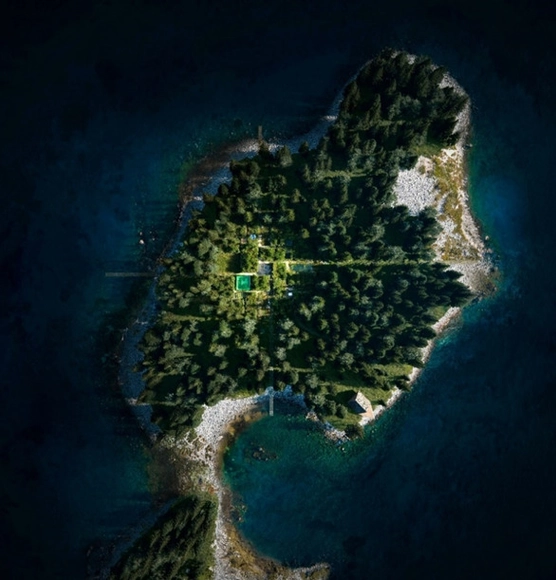
BIG has partnered with experimental clothing brand Vollebak to create the vision for a self-sufficient off-grid island in Nova Scotia, Canada. The 11-acre Vollebak Island will receive several pavilions built of natural and innovative materials such as seaweed, hempcrete, and 3D-printed concrete, all powered by carbon-neutral energy. The island, located in Jeddore Harbor, one quarter off the Nova Scotia mainland, will be auctioned via Sotheby’s Concierge Auctions beginning June 8. Bidders will vie for the chance to own the island and to be granted exclusive rights to the design vision, including the planning permission for those designs.
Climate issues have been the main topic of discussions about the future of cities, but they are certainly not new. The warning about human irreversibility on the planet has been part of scientific discourse since the 1980s. Faced with increasingly frequent environmental urgencies, Donna Haraway, in her book Staying with the Trouble: Making Kin in the Chthulucene, suggests a change in attitude on the part of humans to ensure not only partial environmental recovery but the species' survival.