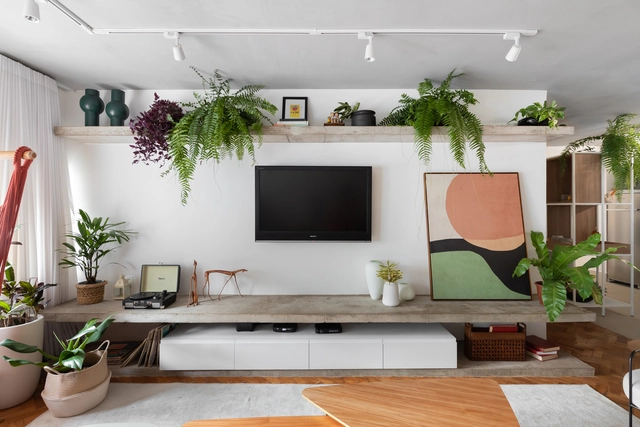
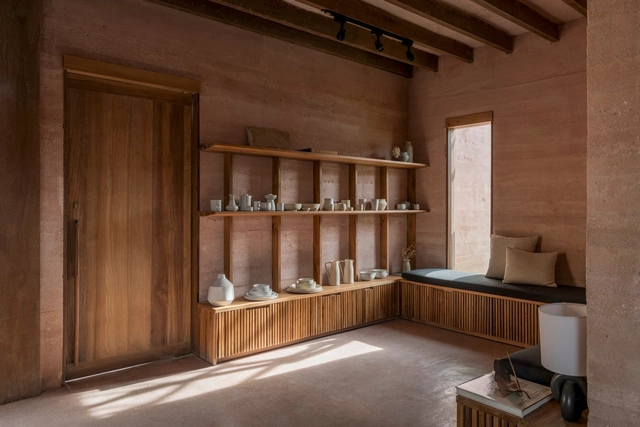
Shelves are incredibly versatile furniture items that are vital in organizing, decorating, and maximizing efficiency in various spaces, including homes, businesses, and industries. Crafted from a wide range of materials and available in numerous designs, shelves enhance compact environments by adding flexibility and easy access. With this in mind, we've compiled suggestions to elevate these ubiquitous solutions — temporary additions or integrated architectural features — into prominent elements within interior design.
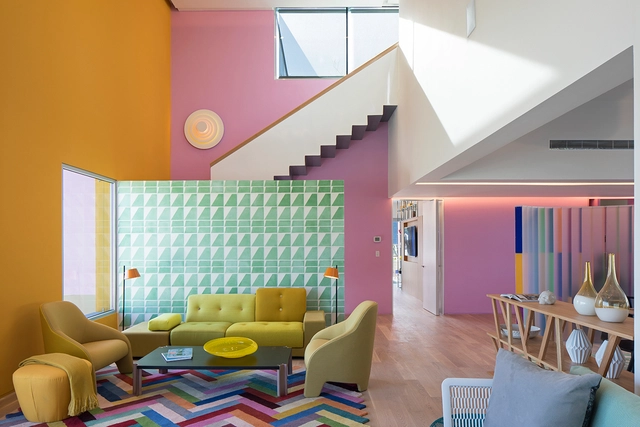
Color plays a significant role in the world. Partly because of the significance attached to each hue, the use of color in architecture – especially in interiors – changes the ambiance of each project. In commercial establishments, color has a considerable influence on highlighting a given brand, and in homes, it can reflect the resident’s personality and complement the language adopted in the project. This exploration can take place directly in the tectonic object (architecture) through the surfaces that constitute the building, or it can take advantage of mobile elements, easily changeable.
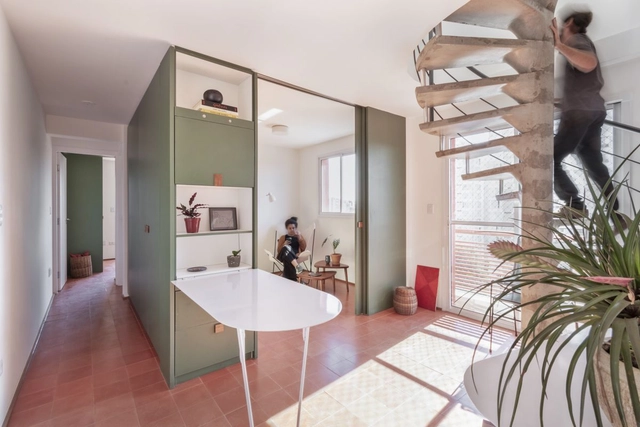
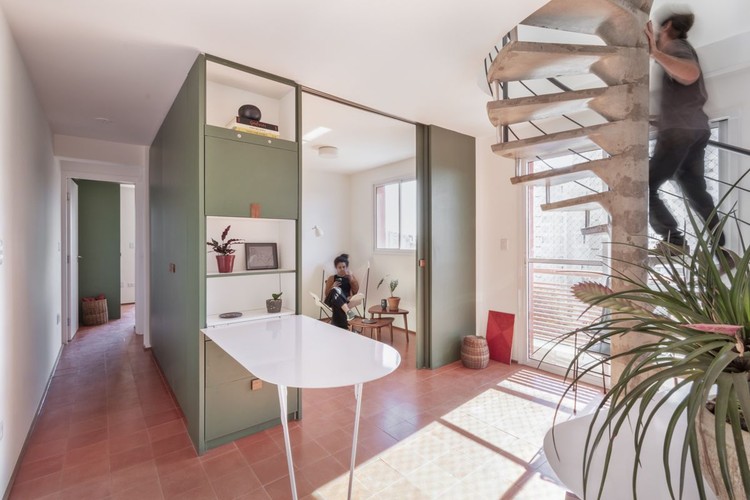
Earthy tones, from those used in traditional vernacular constructions to contemporary interior design trends, are instrumental in crafting inviting, organic, and harmonious environments. These tones encompass a spectrum of shades reminiscent of natural elements such as earth, clay, sand, and stone, fostering a deep connection with nature. They are readily available in various construction materials, paints, and coatings, allowing for captivating texture combinations. In the following section, you'll find inspiring projects that exemplify the potential of these color palettes.
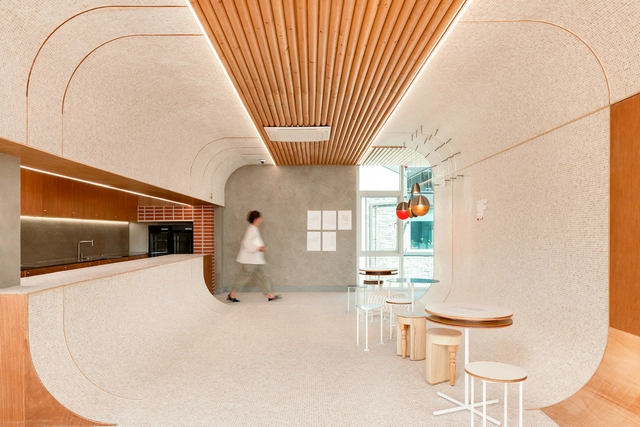
After years of dominance, orthogonal lines and right angles are giving way to organic designs and rounded shapes within interior design projects. This profound shift in formal language has led to the infiltration of gentle curves and amorphous volumes into design pieces, furniture, and decorative elements, a transformation that's becoming increasingly evident. Some argue that this change may be indirectly linked to the growing interest in sustainability and the pursuit of strategies that reconnect people with nature, as seen in the consistent presence of biophilia across projects of various scales. The period of social isolation during the COVID-19 pandemic further heightened this inclination, prompting individuals to devise ways to incorporate nature into their living spaces, thereby enhancing well-being in day-to-day life.
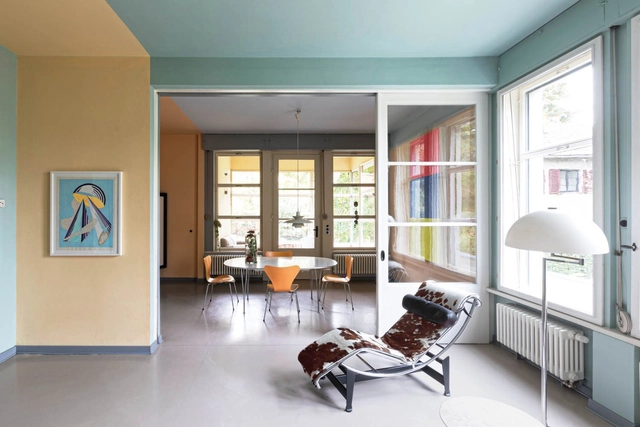
Art has always been a means for people to connect with space, and art movements have served as a platform for exploring new relationships with architecture. By incorporating art into buildings and interior spaces, they have been transformed, resulting in a fusion that creates beautiful, inspiring, and spiritually uplifting environments. Throughout history, various art movements, such as the Renaissance in the 17th century, Baroque in the 18th century, and Art Nouveau, Art Déco, and Bauhaus in the early 20th century, have had a significant impact on architecture. Architects drew inspiration from the ideals, concepts, stylistic approaches, and techniques of these movements, using them to create large-scale habitable structures. As the home is a fundamental expression of an architectural movement and the simplest canvas to exhibit the artistic ethos of any particular era, studying the interior spaces of houses provides a detailed picture of art's influence on spatial organization, furniture design, product patterns, and user interaction.
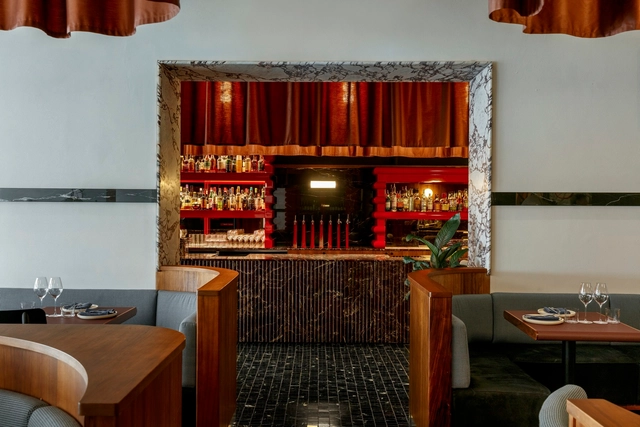
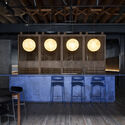
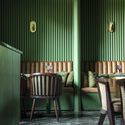
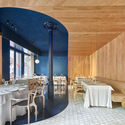
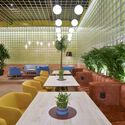
In the competitive world of restaurants – particularly at a time when influencers are gaining more and more control over the sphere of fine dining –, creating a memorable meal experience is crucial for attracting and retaining customers. While factors like food quality and service certainly play pivotal roles in making diners return to their eatery of choice, the impact that restaurant interiors can have on an establishment's longevity should not be overlooked. Among the various elements contributing to a memorable ambiance, color takes center stage. We delve into the significance of striking the right tone in restaurant design through 20 projects from our ArchDaily database.
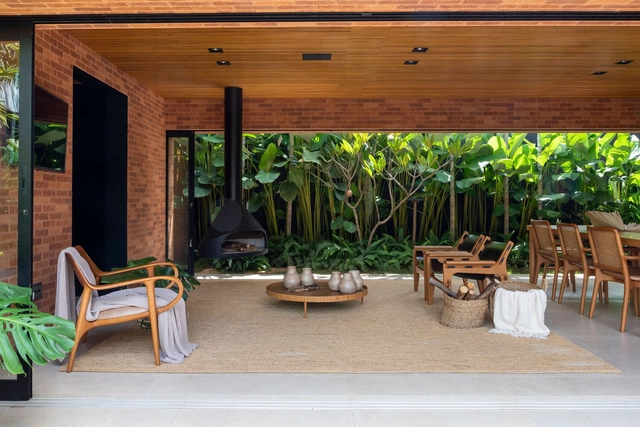
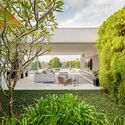
A residential architectural project almost always seeks to integrate interior and exterior to get closer to nature and improve comfort or aesthetics. Considering living spaces, this dialogue between open and closed environments becomes even more relevant. After all, it makes the room more flexible and suggests various ways of occupying it, regardless of the number of people or the time of year.
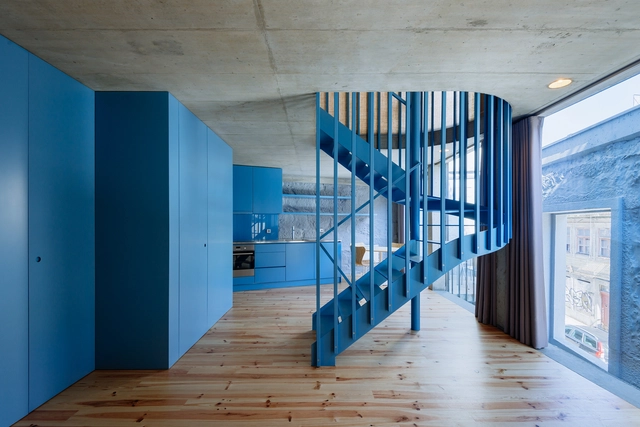
Many architectural projects have been giving special attention to cabinetry and built-in furniture. These custom-made wood pieces are designed for specific purposes and can be used to organize the space, which can be living rooms, bedrooms, studies, kitchens, and bathrooms. Besides functionality, these elements also introduce different materials, textures, and colors into the environments. This article will explore some examples of how colorful cabinets and furniture can make architectural projects more vibrant.
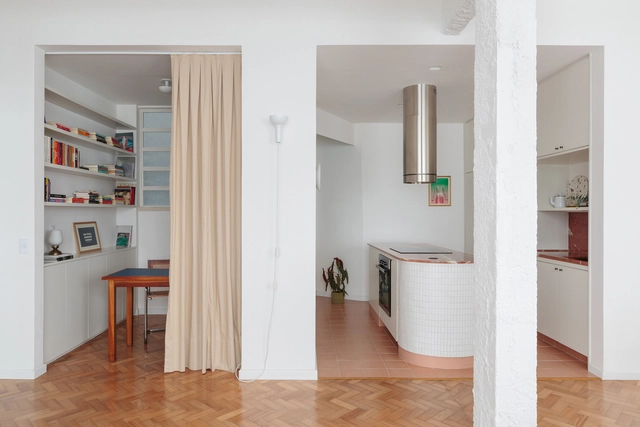
Nowadays, homes are built in increasingly smaller spaces in densely populated cities. The kitchens, which today serve not only to prepare meals but also as meeting spaces where we receive guests, are the places that have undergone the most transformations in recent decades. Whether by integrating with other living areas or by the super functional design of a single counter, there is an increasing search for innovation in this fundamental part of a home.
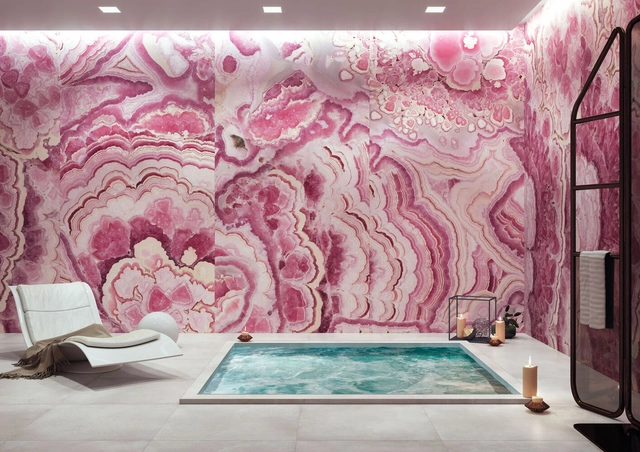
Prominent surfaces play a fundamental role in creating memorable interiors. One example in architectural history is Mies van der Rohe's Barcelona Pavilion, recognized as a landmark of modernism. The marble claddings in the pavilion are iconic elements, symbolizing the architect's commitment to material quality, craftsmanship, and the creation of spaces that transcend time and inspire. With the aim of establishing an atmosphere of elegance, sophistication, and timelessness, connecting classical architecture with contemporary design through a shared material, onyx, travertine marble, and green marble are used in the claddings, transforming the wall surfaces into striking focal points that captivate visitors in a visually captivating experience.
Curved design has a timeless appeal that has captivated designers throughout history, transcending mere functionality and aesthetics in interior furnishings. Incorporating curves adds captivating visual appeal, infusing spaces with intrigue and a sense of harmonious flow. Furthermore, curved furniture has the ability to transform the spatial dynamics of an environment, introducing fluidity and softness into a world often dominated by rigid, linear forms. While curves are sometimes associated with an old-fashioned look, contemporary curvilinear furniture presents a fresh and modern approach, combining elements of softness, comfort, and simplicity.
Colors directly influence space perception. Through them, it is possible to stimulate the user's mood - making the environment calmer or more dynamic - and also change our perception of space without changing a centimeter of any wall. Dealing with them is not always easy. In a time when we want rooms with more personality (or more "instagrammable"), learning to compose with different shades and textures is essential.
As true spatial orchestrators, architects’ expertise extends beyond the mere construction of buildings, often transcending the physical realm of design. They possess the unique ability to craft spaces that are not only visually appealing, but that also feel welcoming, harmonious, and, above all, functional. Embracing this vital role involves careful consideration of all the bits and pieces that make up a project; from a building’s foundations to a sofa, architects must ensure that all the elements, in every scale, tie together in a way that is cohesive and positively influences our everyday lives.
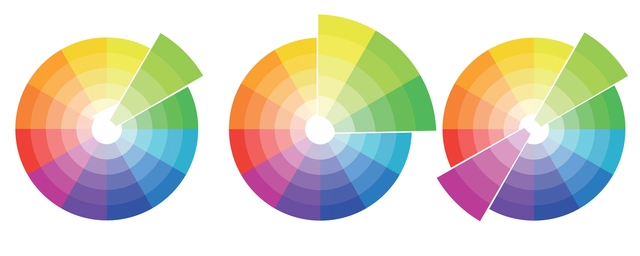
Even though Isaac Newton’s experiments and observations led to the development of the color wheel during the 17th century, his revolution in the understanding and application of colors continues to influence the creation of architecture and design projects. Arranging colors in a circular format, Newton mapped the color spectrum to create the first color wheel. As a visual representation of how colors relate to each other, it has been a fundamental tool for artists, architects, and designers to understand color relationships and therefore create appealing palettes for each space. Beyond merely “eyeing” color combinations, applying the color theory based on the geometric relationships in the color wheel helps designers determine which colors are suitable together. Color has the ability to play with spatial perception, create a sense of atmosphere, and evoke emotional responses, making it essential for design.
By exploring the multiple possibilities of the color wheel, we create a guide to enhance architectural design through three color combinations: monochromatic, analogous, and complementary.
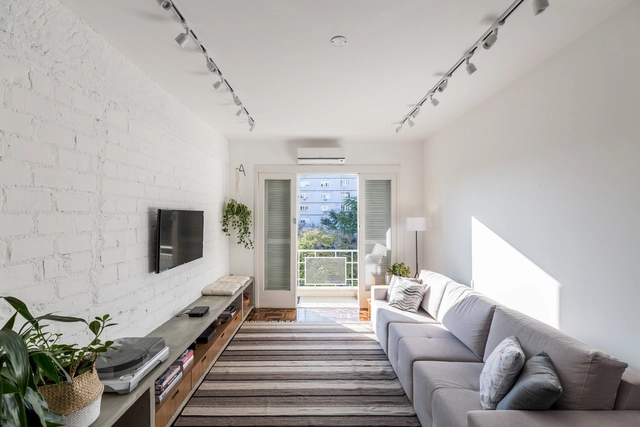
Old and compartmentalized plants, small openings, and lower floors receive scarce natural light. Improving natural lighting in an apartment can be challenging. However, some strategies can help maximize light entry into interiors and bring benefits such as comfort, spaciousness, well-being, and energy savings.
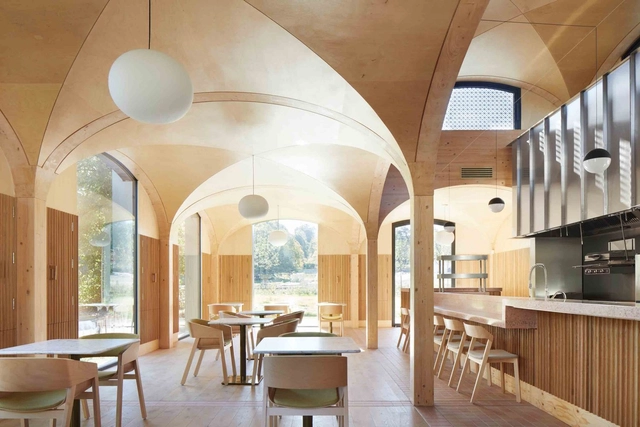
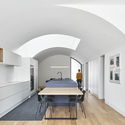
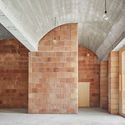
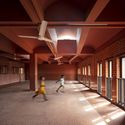
The simplest definition of a vaulted ceiling is a self-supporting arched structure to cover a space. This technique was used extensively during the Roman Empire and the Middle Ages but fell into disuse with the advance of other building solutions that became more practical. However, many contemporary projects still build these elements or highlight the original structures in renovations because of their powerful impact on the building design.
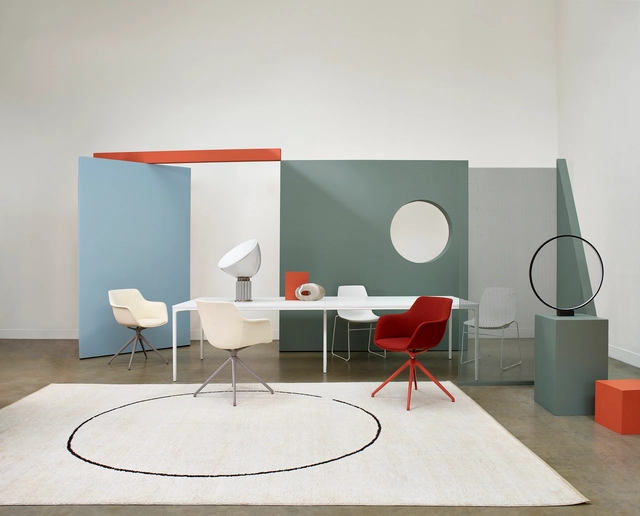
Designing a good chair is a much more challenging task than we might think. To begin with, several factors must be addressed, such as ergonomics, aesthetics, materials, functionality and durability. In addition, it is essential to define the purpose for which it will be used: an office chair has different requirements than a reading armchair or a dining chair, for example. Only when all these elements are carefully balanced and thought-out can you achieve a truly excellent chair. And often, a good design can end up triggering many other variations throughout the years.
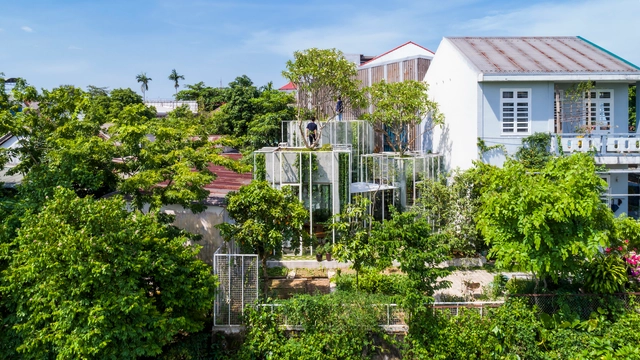
The tropical climate is famous for its exuberant flora. It's no wonder that architectural projects in the region maintain a constant dialogue between nature and the built environment. Biophilia's benefits to users are not news, after all. However, high temperatures, frequent rains, and high humidity levels present unique challenges for reconciling the connection between the interior and exterior with the construction of houses that are comfortable and efficient over time. In the search for solutions that meet needs and demands, we have selected residential projects that appropriate the context to become unique in this environment.