Achieving the best use of space, reducing the footprint of the buildings that are constructed and designing an optimal distribution that can meet the needs of their inhabitants are some of the requirements and challenges faced, day after day, by architects around the world. Through the implementation of certain materials, the definition of the morphology or even the geographical and natural conditions of the terrain, it is possible to carry out various strategies that make it possible to design homes with the comfort that their users need and in the smallest amount of square metres possible.
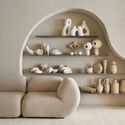
Being square sucks! At least, that's what the trends of 2022 tell us. The report carried out by Pinterest points out the curved design as the future of decoration, whether in objects or even from architecture. For that reason, we looked for Brazilian residential projects that trace curved walls in their designs. The reasons are the most varied and the results offer a unique composition: as an architectural party, to contrast with the orthogonality of other walls or to create unique spaces.
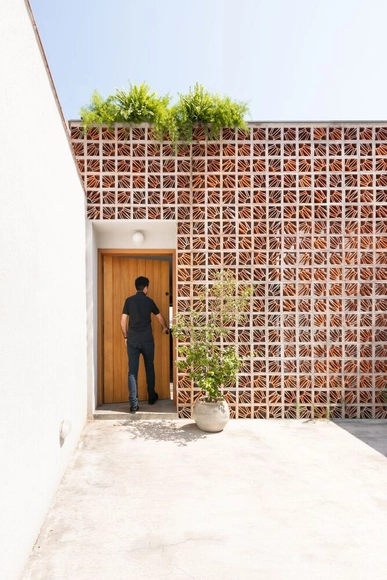
Visual permeability, ventilation and a strong identity appeal, the hollow elements have increasingly found their place in contemporary architecture. Whether in large buildings or small residences, they appear in different shapes, materials and compositions, helping to determine the degree of interaction between interior and exterior space. This artifice in a residential construction is an important tool to ensure privacy and intimacy, without losing the possibility of connections to the outside and natural ventilation.
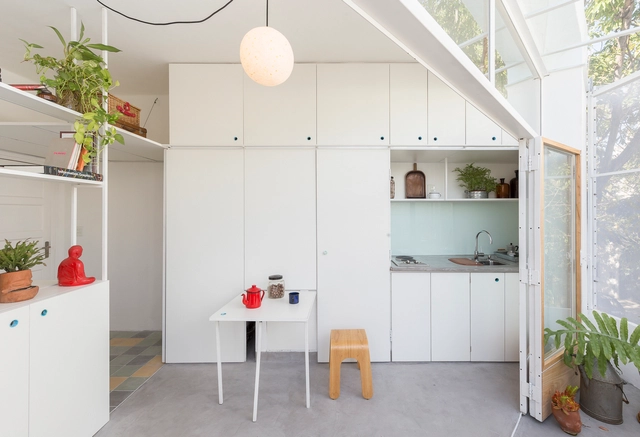
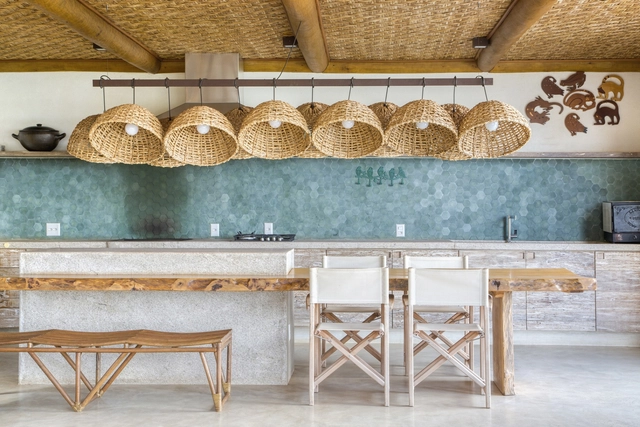
Regardless of the design adopted for kitchen spaces, for some years now and with increasing frequency, many architects have been deciding to design kitchens by integrating them into other rooms in the home. Free of dividing walls or joinery, integrated kitchens are implemented with the aim of leaving the activities that take place there in full view of everyone, encouraging interaction and communication between the inhabitants.
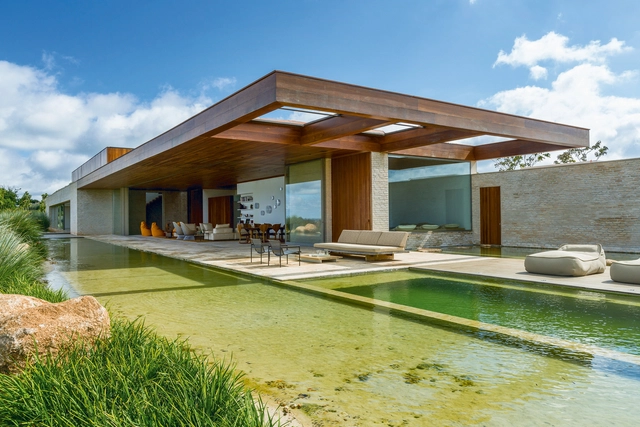
At a time when biophilia is highly valued in architecture, natural pools become another element capable of increasing the connection with nature, enabling the creation of a recreational and contemplative space at the same time. Also known as ecological or biological pools, they reproduce an ecosystem composed of plants, rocks and even some species of fish.
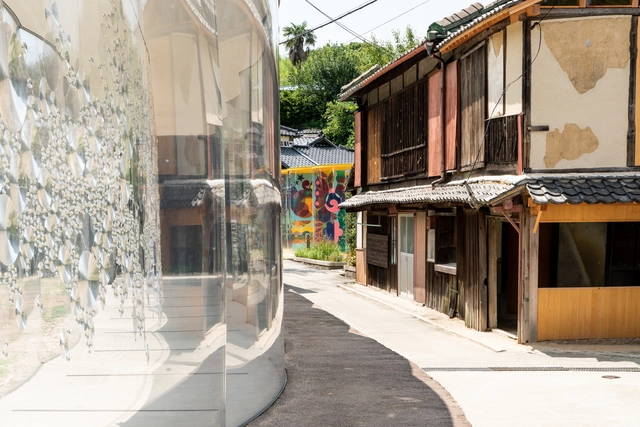
A new exhibition at the Japan House in London explores the large-scale art and architecture project driving the transformation of the Japanese island of Inujima for the past 13 years. Titled Symbiosis: Living Island, the show co-curated by the project's artistic director Yūko Hasegawa and architect Kazuyo Sejima showcases how the innovative scheme of accessible art, pavilions and creative projects brought together artists and locals in the effort to revitalize and secure a future for this island in the Seto Inland Sea confronted with diminishing population. Running from 21 May to 4 September 2022, the exhibition takes visitors on a journey around the island that illustrates the transformative impact of the Inujima' Art House Project' through architectural models, photography, videos and testimonies of the residents.
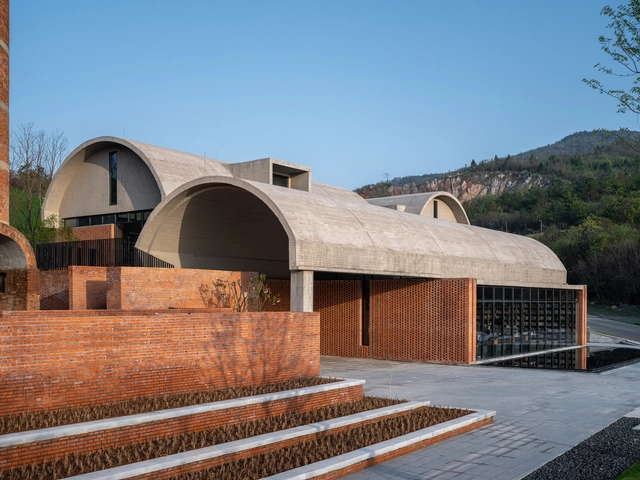
The oldest record of barrel vaults is estimated to date back to 4000 BC. These provided the spans in the Sumerian ziggurat at Nippur in Babylonia, built from fired bricks amalgamated with clay mortar. This type of vault was built as a continuous round arch and became a characteristic architectural element of Roman architecture, later used also in Renaissance architecture.
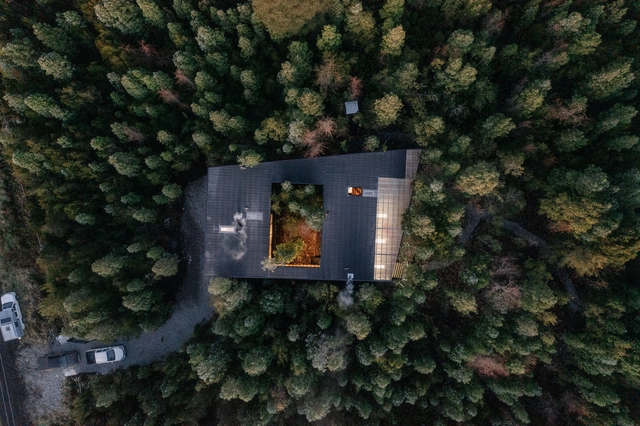
What role do forests play in our daily lives? In what ways can they be converted into living spaces? What strategies can be implemented to reduce the environmental impact of our buildings? On the International Day of Forests, which is celebrated every 21st of March, this year we propose to raise awareness of the links between forests and our daily lives. Even though deforestation continues to advance, forests represent a source of great economic, social and ecological benefits.
PVC, as the synthetic material Polyvinyl Chloride is called, or Polyvinyl Chloride, is one of the most produced plastics in the world, reaching 40 million tons per year. Its application is quite varied and in construction it has found different branches, serving both as an input for infrastructure and for finishing.
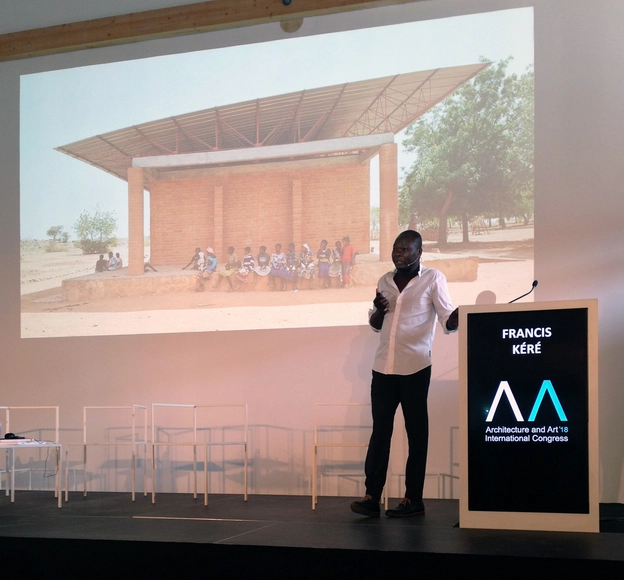
"I Draw on Paper, but I Prefer to Draw on the Ground". This phrase caught my eye during Diébédo Francis Kéré's speech at the AAICO (Architecture and Art International Congress), which took place in Porto, Portugal from September 3 to 8, 2018. After being introduced by none other than Eduardo Souto de Moura, Kéré began his speech with the simplicity and humility that guides his work. His best-known works were built in remote places, where materials are scarce and the workforce is of the residents themselves, using local resources and techniques.
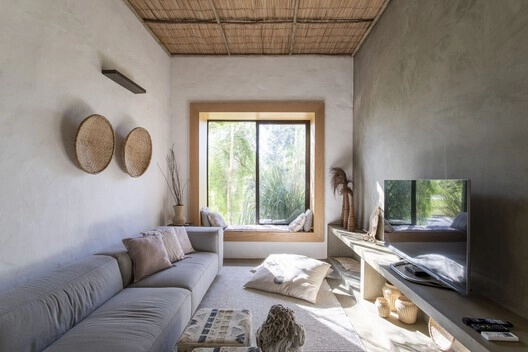
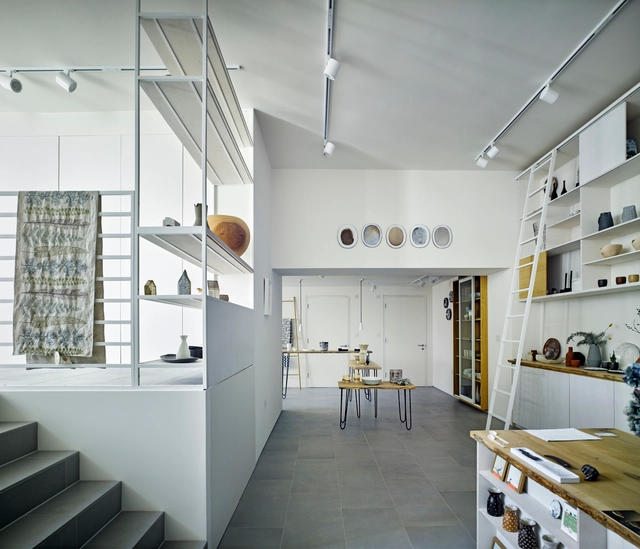
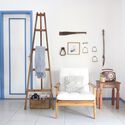
Handicraft translate the culture of a people and, therefore, carry a strong presence when placed in residential spaces. Through the most varied techniques, it represents traditional methods and acts in the memory of each person who crosses it. Therefore, regardless of the scale at which it is presented - from small art objects to large furniture, or even as a component of architecture itself -, thinking about handcrafted elements can be an important step in improving the aesthetic language of a project.
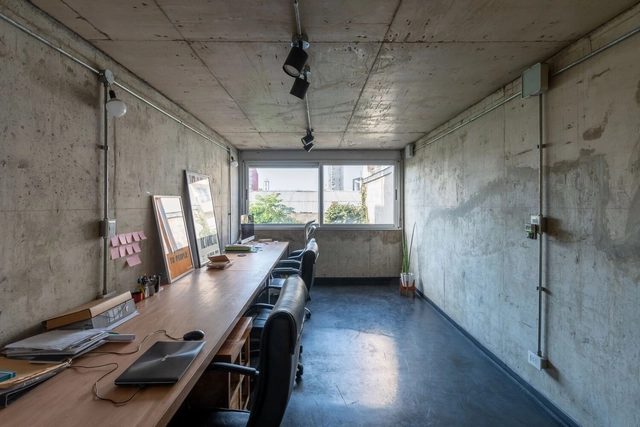
Pipes, wiring and ducts of different materials in walls, ceilings and roofs make up all the spaces we walk through and inhabit. They represent the set of networks and equipment necessary for the development of life in our buildings, providing services such as water, electricity or gas, among many others. According to the regulations in each country and the use defined in each space, the installations can be left visible, giving a certain character and aesthetic to interior spaces.
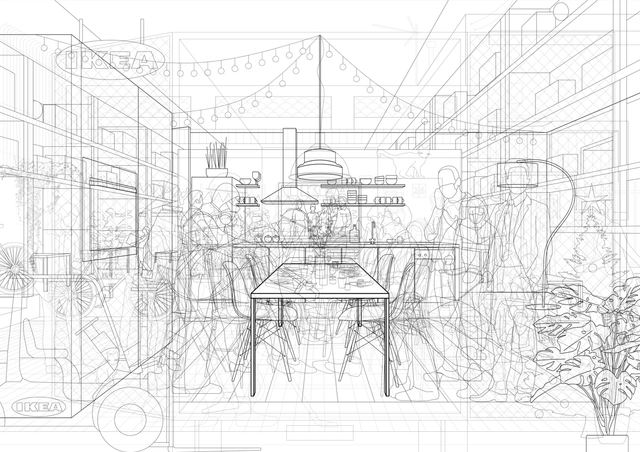
Poner la mesa. Image Cortesía de Florencia Köncke y Paula Olea Fonti
Setting the Table is an illustrated reflection by architects Florencia Köncke and Paula Olea Fonti. In the following paragraphs, the authors develop a first approach to the study of the table as "the centre of our notion of domesticity"(1). In the relationship between space, objects and people and as a social catalyst for gathering and exchange.
https://www.archdaily.com/977914/setting-the-table-from-the-ordinary-table-to-the-extraordinary-tableFlorencia Köncke + Paula Olea Fonti
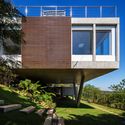
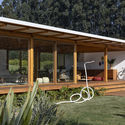
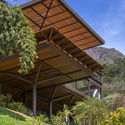
The strategy of raising houses off the ground gained popularity in the 1920s when Le Corbusier announced structures on pilotis as one of the 5 points of modern architecture. A great contribution, especially in the urban issue, as it enables the creation of a free space with greater connection between the public sphere of the street and the private sphere of the building. His iconic Villa Savoye is a paradigmatic example of the use of pilotis that preserves the natural terrain and, as Le Corbusier himself said, places the house on the grass like an object, without disturbing anything. In addition, the pilotis also served as a strategy for the flow of vehicles, which can be seen in Lina Bo Bardi’s equally emblematic Casa de Vidro and its slender steel tubes. Arranged in a modulation of four modules in width by five in depth, they maintain the house as a transparent floating box in the midst of nature, respecting the terrain and assisting in the building's thermal comfort by allowing air circulation.
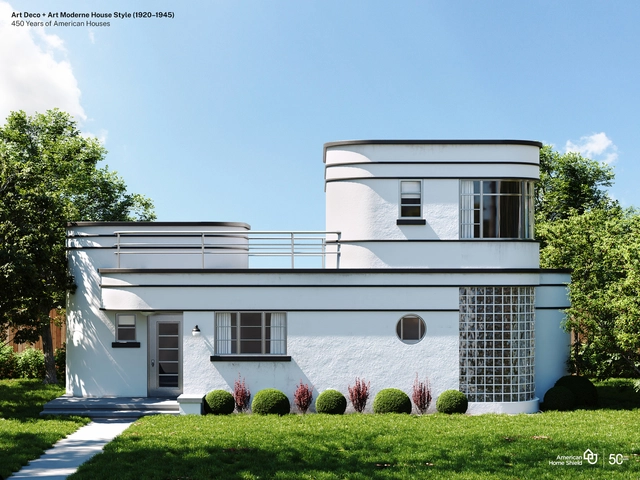
Art Deco + Art Moderne (1920–1945). Image Cortesía de American Home Shield
The history of architecture is made up of demographic, cultural, and social changes. In its relatively short history, American architecture has evolved with changes in the country, representing the catalog of various cultural influences that make up the United States as a whole. Many elements of American home design have remained intact over the past 450 years, reflecting longstanding American traditions and values that have stood the test of time.
Designing houses in tropical climates, as is the case in Brazil, means paying special attention to openings, both in relation to the functioning and conviviality of the house, as well as in relation to issues of environmental comfort. In this article we bring you 16 Brazilian homes that take advantage of their strategic openings to create cozy, stunning, well-lit and ventilated environments.
Videos
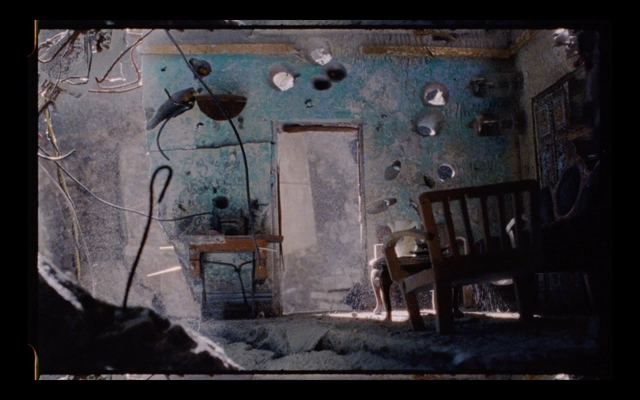
Courtesy of A Broken House, The New Yorker Documentary directed by Jimmy Goldblum
“A Broken House” is a documentary directed by Jimmy Goldblum that highlights the story of Mohamad Hafez, a Syrian native that moved to the US on a single-entry visa to study architecture and was not able to return home. Facing his fate, he channeled his homesickness in his artwork, and started producing miniature sculptures of his hometown, in order to build the “Damascus of his memories”.
“If you can’t get home, why don’t you make home”. Telling the story of the human being that lived within, the architectural project gained a political dimension after the eruption of the Syrian civil war, portraying the extent of the destruction suffered by the city, humanizing refugees, and sharing their stories.
.jpg?1654617049&format=webp&width=640&height=580)














_Maureen_M._Evans.jpg?1646840531 "© Maureen M. Evans")









.jpg?1642689075 "Casa Redux / Studio MK27 - Marcio Kogan + Samanta Cafardo. © Fernando Guerra | FG+SG")