
-
Architects: Junsekino Architect and Design
- Area: 235 m²
- Year: 2014
-
Professionals: Junsekino Architect and Design


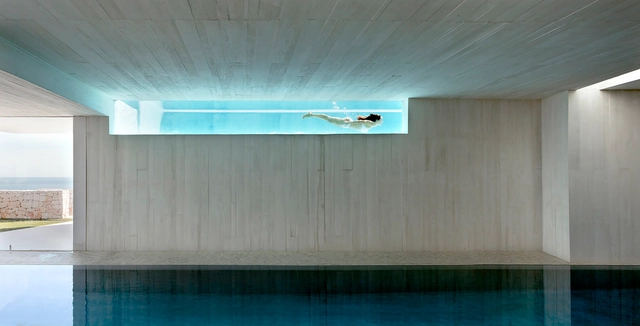
What's better than a house with a pool? A house with a pool that's part of the structure of the house. These projects show different ways to incorporate pools and how to resolve issues of weight, moisture and leaks. See the houses below, featuring photos by photographers like Mariela Apollonio, Kent Soh y Marcello Mariana.

Peru, with its varied geography and vast array of natural resources, renders an architectural style that makes itself one with the landscape. In the country's three principal terrains —coast, mountain, and rainforest— there is little variation in temperature and the climate can be defined as either tropical or subtropical.
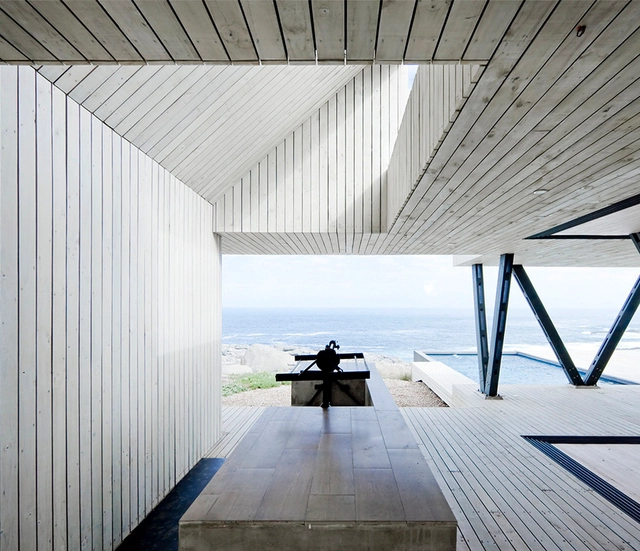
Whether by traditional windows, linear openings in the wall, or skylights, the manipulation and incorporation of natural lighting in architectural projects can render a radical change in interior spaces.
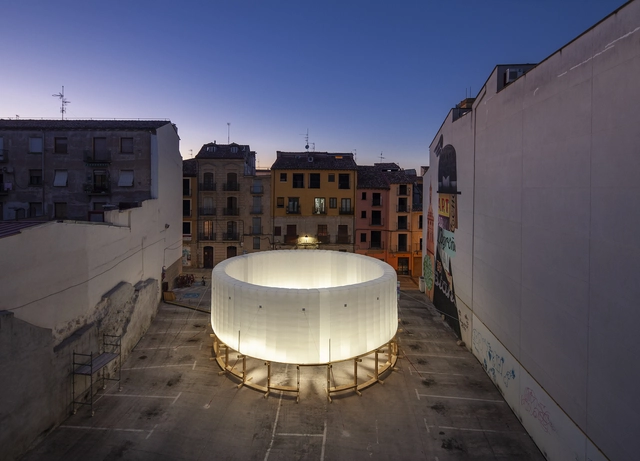
New Generations is a European platform that analyses the most innovative emerging practices at the European level, providing a new space for the exchange of knowledge and confrontation, theory, and production. Since 2013, New Generations has involved more than 300 practices in a diverse program of cultural activities, such as festivals, exhibitions, open calls, video-interviews, workshops, and experimental formats.

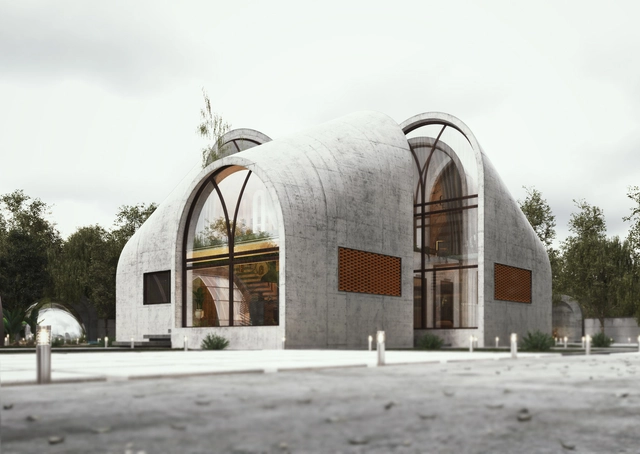
Houses and Villas are the most researched topics on ArchDaily. Putting together a curated selection of conceptual interventions, this week’s Best Unbuilt Architecture focuses on the residential sector. From all over the world, this group presents proposals submitted by our readers.
This article highlights a floating terraces project from India, a lodge in Ethiopia, a seasonal home for an Iranian family in Germany, and a residential compound in Saudi Arabia. Beach houses in Greece, Croatia, and the U.S. are also featured, showcasing different approaches for the same program. Moreover, more futuristic interventions include the Mountain House on the rocky cliffs of British Columbia, and the blue house, an aquarium-like type of home.
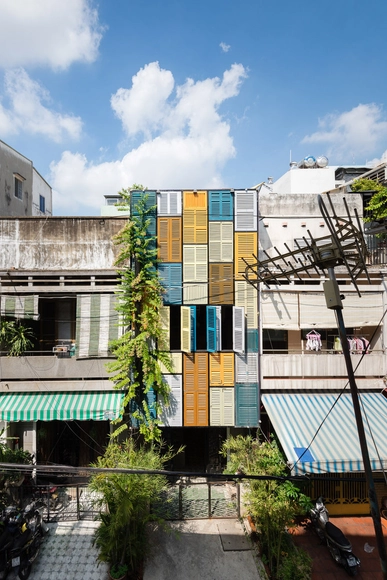
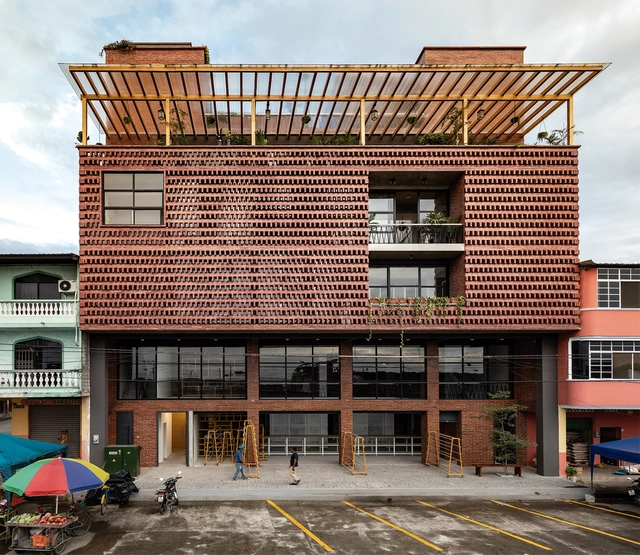
Single family homes are undergoing a quiet transformation in recent years. Increasing land costs, the growth of urban settlements, and the lack of available space for construction have triggered an increase in the development of mixed-use housing. The result is that architects have begun to incorporate more community programs within private residential projects. We can now find homes that integrate commercial, cultural, educational, or industrial uses. This not only provides diversity and efficiency, but also allows surrounding neighborhoods to be revitalized through mixed programs that foster social engagement, interaction and connection.
These type of projects can be created both vertically - in a 2 or 3-story house - and horizontally, using two neighboring lots or around an open space. The following are 12 examples of modern mixed-use homes.
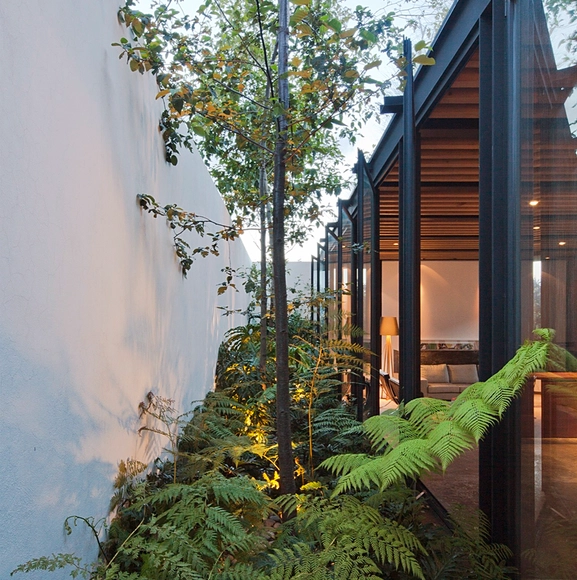
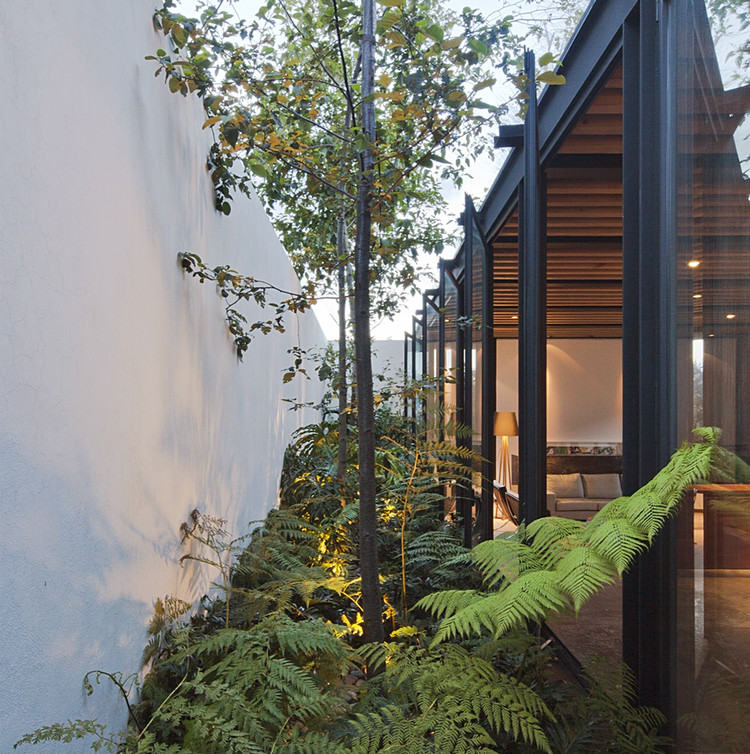
Patios and gardens play a crucial role in a project's planning and layout. In some instances, they serve as organizing elements while in others, they improve the quality of life in a space by providing light, ventilation, and a connection to the outdoors while maintaining the privacy of the inhabitants.
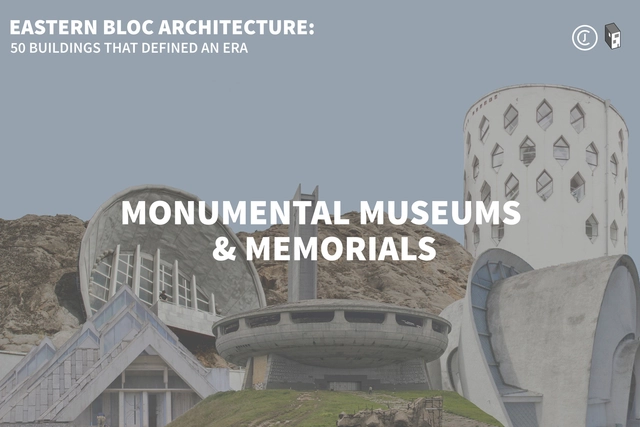
This article is part of "Eastern Bloc Architecture: 50 Buildings that Defined an Era", a collaborative series by The Calvert Journal and ArchDaily highlighting iconic architecture that had shaped the Eastern world. Every week both publications will be releasing a listing rounding up five Eastern Bloc projects of certain typology. Read on for your weekly dose: Monumental Museums and Memorials.

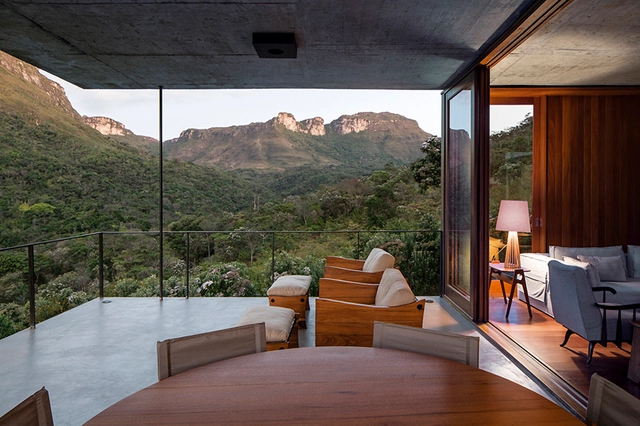
Structural components can be the main stars in architectural projects, contributing to the understanding of how the building's intrinsic forces are organized and distributed. Cables are constantly being used to steal the scene: they subvert the logic of supporting structures and build stable systems using tension, creating both a sense of strength and lightness in the building.
This kind of element is found in buildings of many different sizes, ranging from the steel cables of large and majestic suspension bridges to the cables on residential roofs. We have picked a series of Brazilian houses that benefit from this delicate and powerful structural component in different ways, showing the versatility of its potential applications.
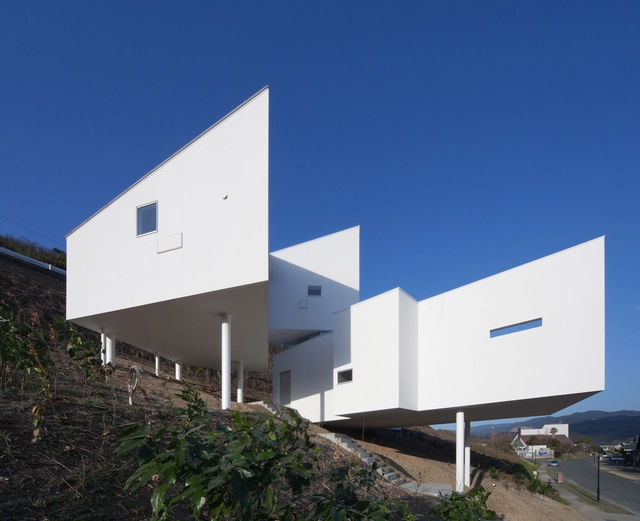
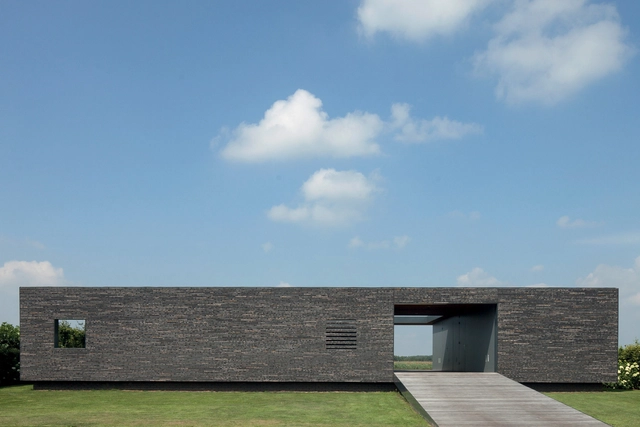
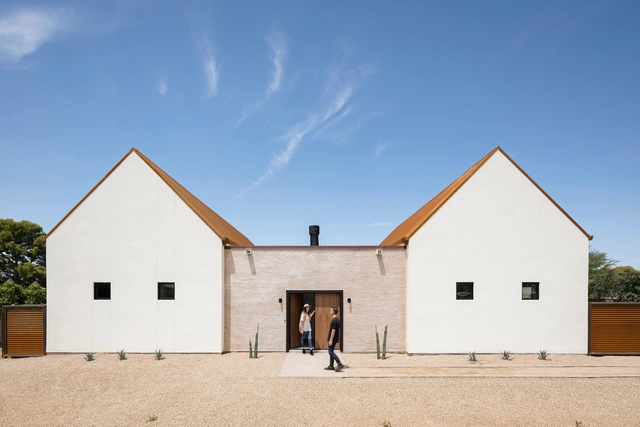
Arizona is located in the western region of the United States. It has geographical borders with Utah, Colorado, and New Mexico, in the United States, as well as with Sonora in Mexico. The state is also situated on the Sierra Madre Occidental and is home to a segment of the Colorado River, as well as the Grand Canyon. Part of Aridoamerica, Arizona's landscape is composed, in its majority, of Cactaceae and desert species.
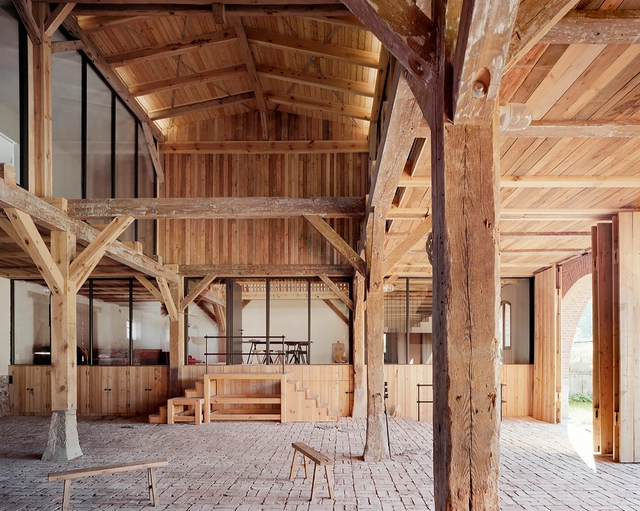
![Town House in Antwerp / Sculp[IT] - Extension, Facade, Door](https://snoopy.archdaily.com/images/archdaily/media/images/5584/2768/e58e/ce09/c200/0117/slideshow/sculp(IT)-Lalo-002web.jpg?1434724194&format=webp&width=640&height=580)
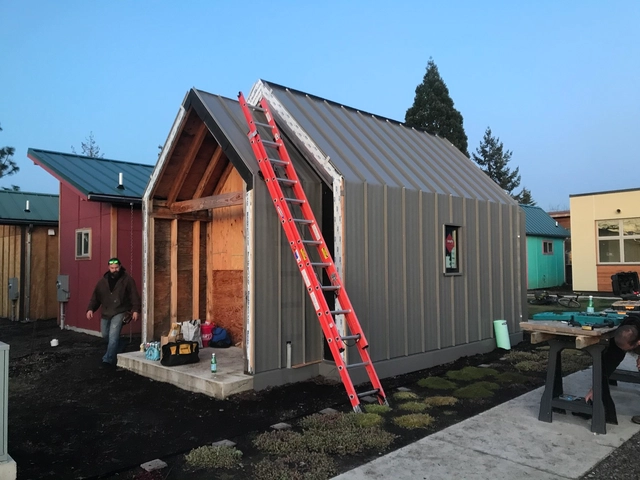
The issue of the housing deficit plagues virtually all countries today. According to a study by the McKinsey Global Institute, 330 million urban families worldwide lack decent housing, or housing costs are so heavy that they need to forgo other basic needs such as food, heath care, and education for children. According to the WRI (World Resources Institute), it is estimated that 1.6 billion people will lack adequate housing by the year 2025.
Solving this problem is, understandably, complex. Having good housing means much more than simply having a roof over your head. Good housing is essential for physical and financial security, economic productivity, and human well-being. In addition to adequate comfort, it is essential that these houses are integrated with the city, jobs, infrastructure, and city services. For people living on the street, this issue is even more delicate. Among many other necessities, having a place to structure a life is essential to moving forward and prospering. One project that confronts this issue is Emerald Village Eugene (EVE), an affordable micro-housing community with a unique housing model structured to enable residents to transition from the streets.

















![Town House in Antwerp / Sculp[IT] - Extension, Kitchen, Facade, Beam, Table, Chair](https://images.adsttc.com/media/images/5584/280c/e58e/ce09/c200/011d/thumb_jpg/sculp(IT)-Lalo-036web.jpg?1434724357 "© Luc Roymans")
![Town House in Antwerp / Sculp[IT] - Extension, Door, Table](https://images.adsttc.com/media/images/5584/27e0/e58e/ce17/3700/0119/thumb_jpg/sculp(IT)-Lalo-025web.jpg?1434724313 "© Luc Roymans")
![Town House in Antwerp / Sculp[IT] - Extension, Facade, Handrail, Beam, Stairs](https://images.adsttc.com/media/images/5584/27e9/e58e/ce09/c200/011c/thumb_jpg/sculp(IT)-Lalo-027web.jpg?1434724323 "© Luc Roymans")
![Town House in Antwerp / Sculp[IT] - Extension, Garden, Door, Facade, Stairs, Handrail, Chair](https://images.adsttc.com/media/images/5584/2796/e58e/ce09/c200/0119/thumb_jpg/sculp(IT)-Lalo-012web.jpg?1434724240 "© Luc Roymans")
![Town House in Antwerp / Sculp[IT] - More Images](https://images.adsttc.com/media/images/5584/2768/e58e/ce09/c200/0117/medium_jpg/sculp(IT)-Lalo-002web.jpg?1434724194)