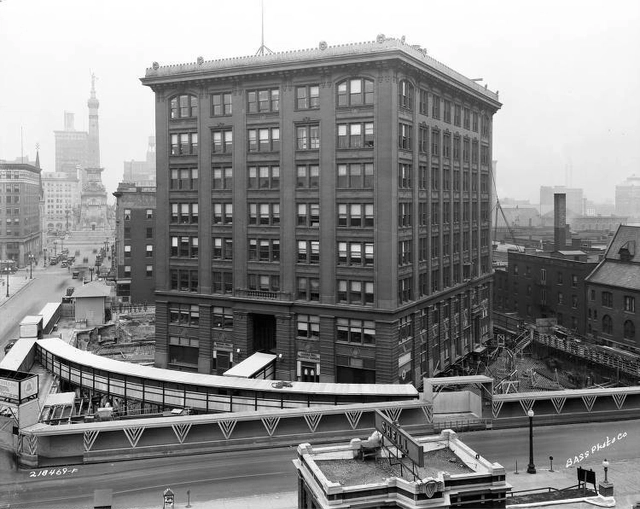
In November 1930, in Indiana, United States, one of the great feats of modern engineering was executed: a team of architects and engineers moved an 11,000-ton (22-million pound) telephone exchange without ever suspending its operations either basic supplies for the 600 employees who worked inside.
Responsible use and consumption of natural resources and the impacts of the building industry have been ongoing concerns in the field of architecture and urban planning. In the past, concepts such as clean slates, mass demolitions, and building brand new structures were widely accepted and encouraged. Nowadays, a transformation seems to be taking place, calling for new approaches such as recycling, adaptive reuse, and renovations, taking advantage of what is already there. This article explores a selection of projects and provides a glimpse into interventions by renowned architects in pre-existing buildings.
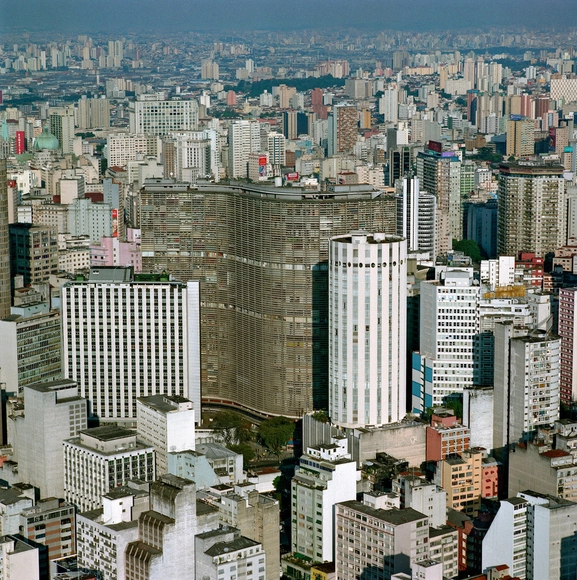
One of Oscar Niemeyer's most famous projects, the iconic Copan building in downtown São Paulo, may finally have its restoration work started. After being negotiated for ten years, the project presented by a company hired by the building administration was partially approved by the Department of Historical Heritage (Departamento de Patrimônio Histórico - DPH) and the Municipal Council for the Preservation of the Historical, Cultural and Environmental Heritage of the City of São Paulo (Conselho Municipal de Preservação do Patrimônio Histórico, Cultural e Ambiental da Cidade de São Paulo - Conpresp).
Designed by Niemeyer together with Carlos Lemos, the building will celebrate the 70th anniversary of the beginning of its construction next year. However, it has been suffering from maintenance problems on the facade for almost two decades, such as infiltrations, falling tiles, disfiguring, detachment of concrete, and exposure of steel reinforcement, according to technical findings reported to the heritage agencies.
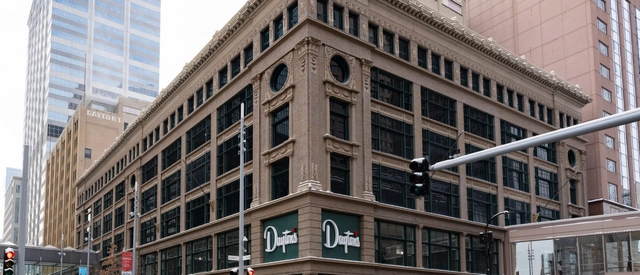
"For more than a generation, federally funded historic tax credits (HTCs) have been instrumental in incentivizing developers to revive and reuse historic buildings and keep them economically viable, rather than replace them with shiny new objects. These credits create jobs, promote responsible development, and leverage billions in private investment to enable income-generating buildings". Read the interview between Justin R. Wolf and Meghan Elliott, founding principal of New History, a firm specializing in adaptive reuse.
https://www.archdaily.com/966687/why-use-is-the-best-form-of-preservationJustin R. Wolf
Exactly a year ago, on August 4, 2020, the third-largest non-nuclear explosion ever-recorded destroyed almost half the city of Beirut, ripping through the port and the eastern part of the capital. One of the biggest urban tragedies of modern times, killed more than 200 people, wounded thousands, and left an estimated 300,000 people homeless, damaging over 80,000 commercial, residential and public spaces. Felt across neighboring countries, the blast stripped the city’s constructions of their cladding, framing, and glass elements, while completely tearing down other buildings, leaving around US$15 billion in property damage, in times of Covid, political and social unrest, and economic collapse.
One year later, so little has changed. One year later, it only became harder for the people of Beirut. One year later, everything in the city still reminds them of that day. Major questions remained unanswered, no rescue or action plans have been taken by governmental institutions, instead, civil society rose to take into their own hands, reconstruction efforts, in the total absence of the state.
The world of travelling is a multifaceted one. There are the everyday trips one takes for work or school, commuting to a set location during the week, usually within the confines of a city. There are the longer trips too, the trips which usually involve getting into an aeroplane to visit someplace a bit farther from where the traveller usually resides. These trips are frequently done for business purposes, but for those who have the means to afford it, these trips are undertaken for learning and leisure – where the traveller can be defined as a “tourist”.
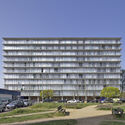
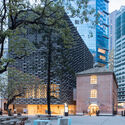
In the last few years, Europe has become a leader in refurbishment architecture by renovating and remodeling buildings and historic city centers. These initiatives have halted horizontal expansion and promote equitable city development.
This trend has not only become a contribution towards the densification and revitalization of underserved sectors but has also allowed families who had been displaced to the periphery to inhabit city centers and improve their quality of life.
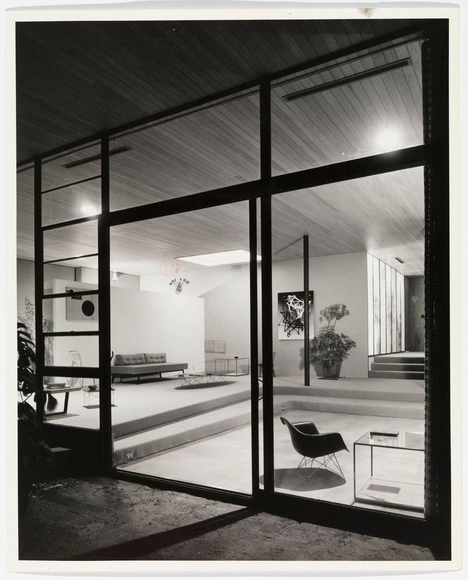
The Case Study Houses (1945-1966), sponsored by the Arts & Architecture Magazine and immortalized by Julius Shulman’s iconic black-and-white photographs, may be some of the most famous examples of modern American architecture in history. Designed to address the postwar housing crisis with quick construction and inexpensive materials, while simultaneously embracing the tenets of modernist design and advanced contemporary technology, the Case Study Houses were molded by their central focus on materials and structural design. While each of the homes were designed by different architects for a range of clients, these shared aims unified the many case study homes around several core aesthetic and structural strategies: open plans, simple volumes, panoramic windows, steel frames, and more. Although some of the Case Study Houses’ materials and strategies would become outdated in the following decades, these unique products and features would come to define a historic era of architectural design in the United States.
https://www.archdaily.com/961900/how-did-materials-shape-the-case-study-housesLilly Cao
The Hungarian Pavilion at the 17th Venice Biennale explores the often challenging socialist architecture and looks at how this heritage could be reconsidered and given a new future. Titled Othernity – Reconditioning our Modern Heritage, the exhibition curated by Dániel Kovács presents twelve iconic modern buildings of Budapest and the visions of twelve architecture practices from Central and Eastern Europe for their reconditioning. The Hungarian Pavilion's project looks into how architecture can build on its past to foster resilience, sustainability and strong cultural identities.
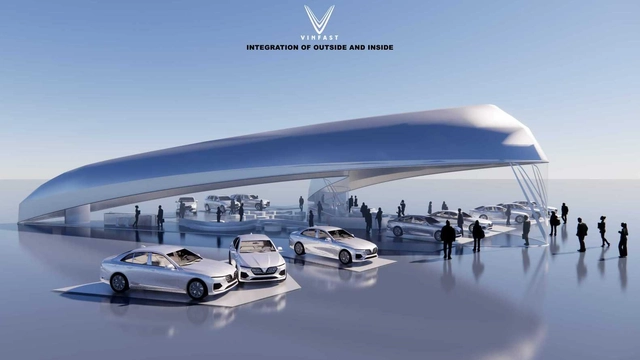
The VinFast Global Showroom Design Competition organized by Vietnam Design Association (VDAS) and VinFast from January 25th to February 25th, received approximately 1000 entries from 90 countries across 5 continents. Accordingly, VFDC 2021 greatly attracted designer contestants from the US, Canada, Europe, Australia, and Vietnam, which are key markets in VinFast's global strategy.
https://www.archdaily.com/961247/winner-announcement-of-vinfast-global-showroom-design-competition-2021ArchDaily Team
At the heart of it, architecture is an inter-disciplinary profession. Ranging from structural engineers to quantity surveyors, a design project thrives from the collaboration of individuals from various fields of work. An often-overlooked connection is the link between the fields of architecture and archaeology, which in more ways than one have a lot in common. In a time of increased awareness on issues of sustainability and heritage, the expertise present in the field of archaeology plays a vital part in the preservation of architectural landmarks of historical significance. This expertise can also play a significant part in creating sensitive architectural interventions suitable for their context, contemporary in their design while responding to historical precedents.
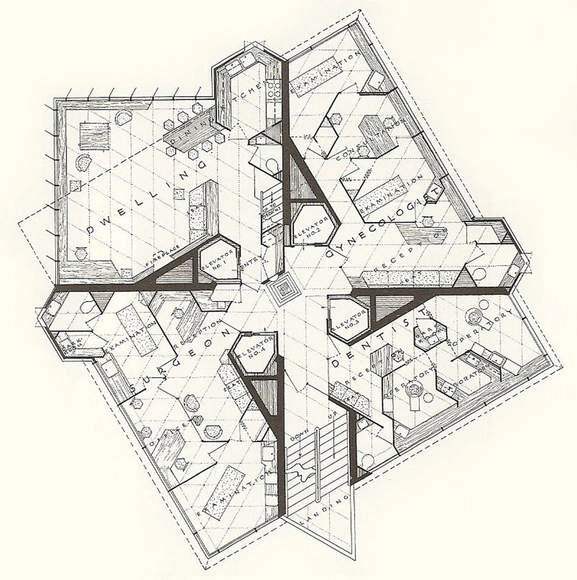
Frank Lloyd Wright’s Price Tower is the famous American architect’s only realized high-rise building and one of his only extant vertically-oriented designs. Located in the plains of Bartlesville, Oklahoma and commissioned by the local oil and chemical firm H. C. Price Company, the mixed-use tower is significant not only for its singularity within Wright’s oeuvre, but because of its unique materials and structural design. Some of Wright’s innovations, which were novel in the mid-twentieth century, remain useful even today.
https://www.archdaily.com/958989/the-tree-that-escaped-the-crowded-forest-lessons-from-frank-lloyd-wrights-price-towerLilly Cao
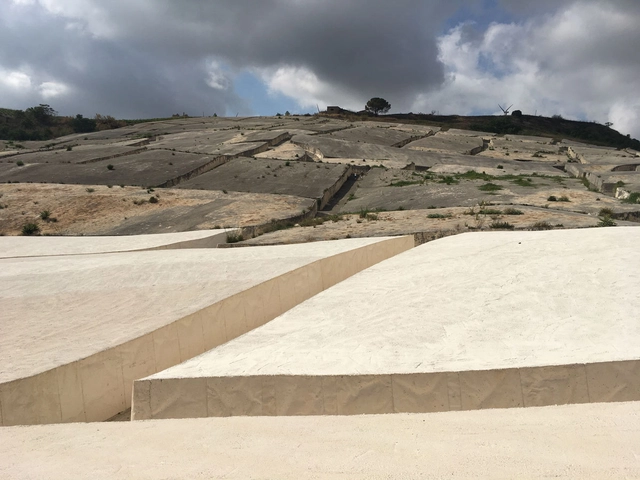
In 1968, the small town of Gibellina in Sicily was flattened by the colossal Belice earthquake, a magnitude 5.5 quake that killed hundreds and left 100,000 homeless. Planners were unable to rebuild Gibellina at its original site, so the new city—Gibellina Nuova—was constructed 11 kilometers (7 miles) away instead. In anticipation of the design and construction of Gibellina Nuova, and in the wake of the Belice earthquake tragedy, the mayor of Gibellina called on several artists to submit proposals for projects to decorate the new city. One of the artists was the prolific “polymaterialist” Italian painter and sculptor Alberto Burri (1915-1995).
https://www.archdaily.com/958178/the-psycho-geography-of-the-cretto-di-burriLilly Cao
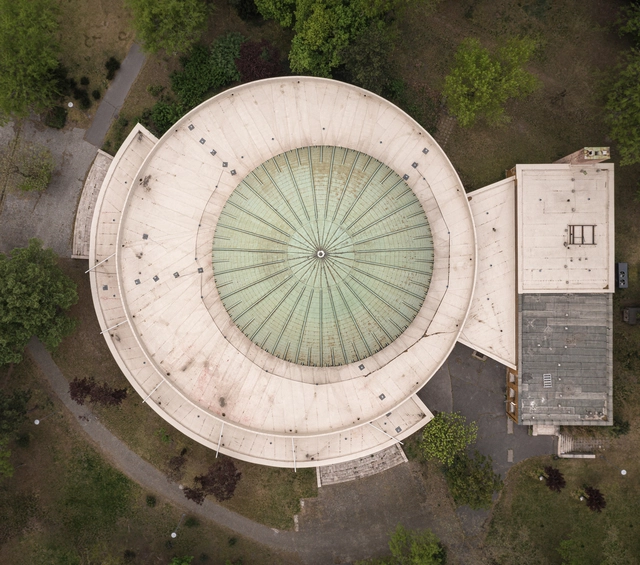
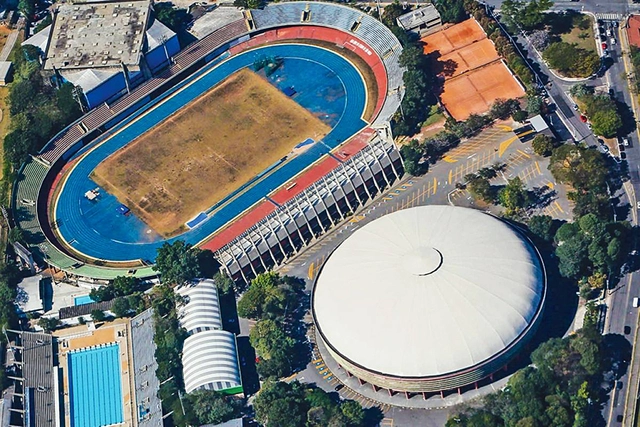
For the past few weeks, there has been concern that the Ginásio do Ibirapuera, an indoor sporting arena located in São Paulo, Brazil, designed by architect Ícaro de Castro Mello, may be converted into a shopping, entertainment, and gastronomic center. This could be the fate of the building, which is of notorious historical significance if the private sector sets in motion the financial modeling report for the Ibirapuera Park concession, articulated by the São Paulo State Government.
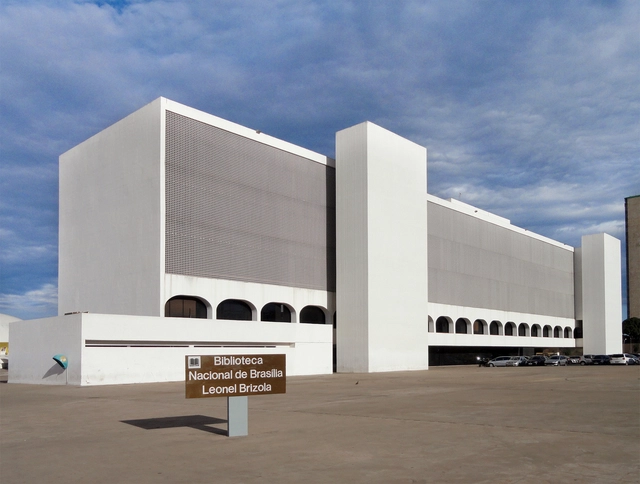
Leonel Brizola Nacional Library. Picture via Wikipedia, user Daderot, licensed under CC0
The Leonel Brizola National Library, designed by Oscar Niemeyer —a building that integrates the Cultural Complex of the Republic, a cultural center located along the Eixo Monumental, in the city of Brasília, Brazil— is covered in cracks. The lack of preventive maintenance has caused several cracks throughout the building, according to an article published in the newspaper Metrópoles.
The cracks were identified by local firefighters on November 19th and have spread all over the building, especially on the walls of the elevator machine room and the roof. The library receives an average of 102,000 visitors per year, and the building administration has been notified of the problem. An inspection was carried out to determine whether there is any structural damage to the building.
https://www.archdaily.com/952421/cracks-threaten-oscar-niemeyers-national-library-in-brasiliaEquipe ArchDaily Brasil
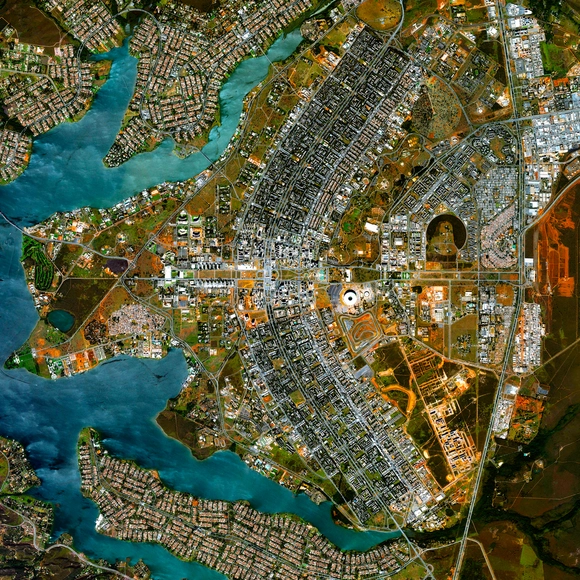
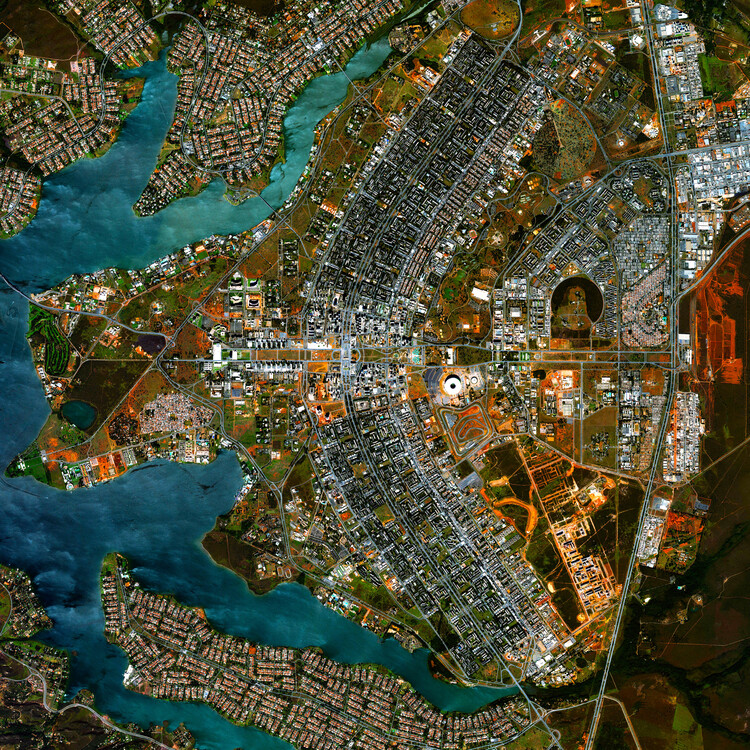
Brasília, Distrito Federal, Brasil. Created by @benjaminrgrant, source imagery: @digitalglobe
In 1972 Unesco created the World Heritage Convention linking together the concepts of nature conservation and the preservation of cultural heritage. Based on the understanding that sites and monuments are threatened with deterioration or disappearance over time, the organization determines that those of outstanding universal value deserve special protection from the dangers they are facing. Therefore, the efforts to identify, protect, preserve, and value the sites included on this list are meant to safeguard and pass the world's cultural and natural heritage on to future generations.
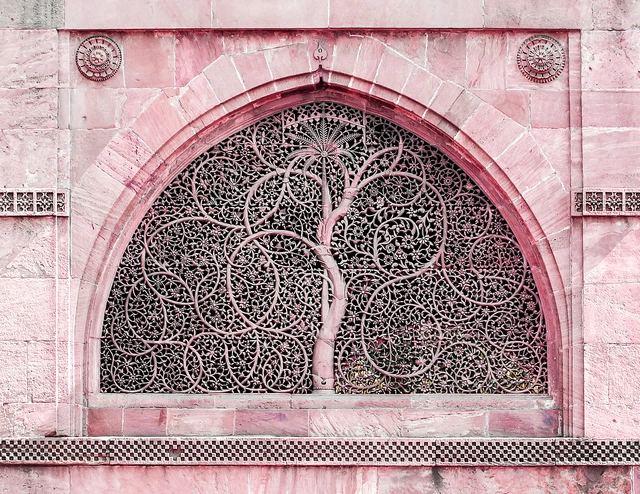
In the Historic Center of Olinda, a Brazilian municipality in the state of Pernambuco, architecture borrows shapes and colors from nature; cobogós perforations on the balconies look like round leaves and fruits, while the railings spiral with a hint of twisted flowers. The colors of the earth and sky also reappear in the floors, backyards, kitchens, and rooms of colonial houses, coating them in shades of brown and blue.
Factum Foundation, a nonprofit dedicated to the use of digital technology for cultural heritage conservation, in collaboration with the Fondazione Giorgio Cini, Ecole Polytechnique Fédérale de Lausanne (EPFL) and Iconem have recorded the Island of San Giorgio Maggiore, in Venice, Italy, in its entirety. For more than 10 days, the team using photogrammetry and LiDAR technologies scanned the 10-hectare island. The project entitled ARCHiVe, linked with EPFL's Venice Time Machine aims to "efficiently and effectively aid in the preservation of Venice's fragile cultural heritage".