1. ArchDaily
  2. Great Britain

Great Britain: The Latest Architecture and News

London’s Southbank Centre Receives National Heritage Protection After 35-Year Campaign

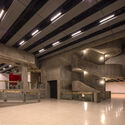
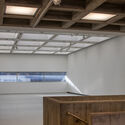
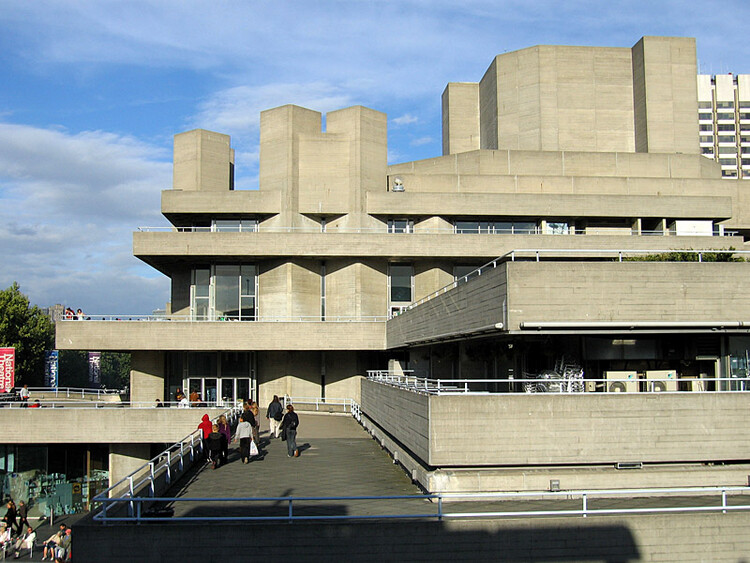
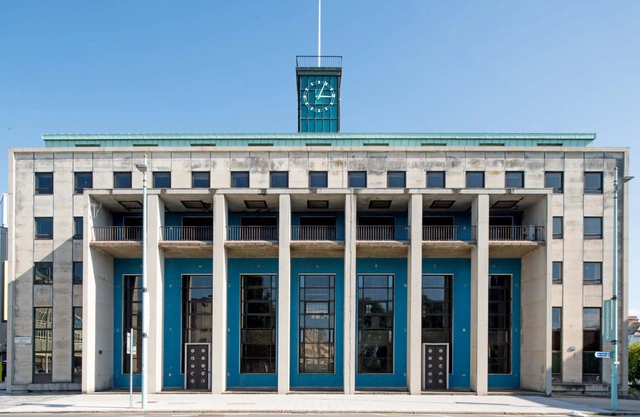
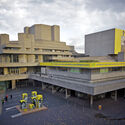
The Southbank Centre is a cultural complex in London built between 1963 and 1968 and widely regarded as a representative example of British Brutalism. Today, the site hosts a wide range of events, including visual arts, theatre, dance, classical and contemporary music, literature, poetry, and debate. The building was designed by a team from the Architects' Department of the London County Council, led by architect Norman Engleback. It became a controversial example of modern architecture following its opening in October 1967, when engineers voted Queen Elizabeth Hall "the supreme ugly" in a poll of new buildings, and the Daily Mail referred to it as "Britain's ugliest building." Fifty-nine years later, on February 10, 2026, the complex was granted Grade II listed status by the UK government's Department for Culture, Media and Sport (DCMS), following a 35-year campaign advocating for its protection as modern architectural heritage.
London’s Southbank Centre Receives National Heritage Protection After 35-Year Campaign - Image 1 of 4London’s Southbank Centre Receives National Heritage Protection After 35-Year Campaign - Image 2 of 4London’s Southbank Centre Receives National Heritage Protection After 35-Year Campaign - Image 3 of 4London’s Southbank Centre Receives National Heritage Protection After 35-Year Campaign - Image 4 of 4London’s Southbank Centre Receives National Heritage Protection After 35-Year Campaign - More Images+ 3

One Month Until Closing: 10 Must-See National Pavilions at the 2025 Venice Architecture Biennale

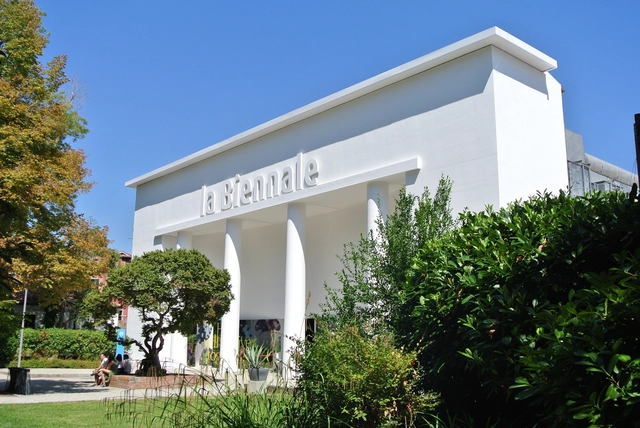
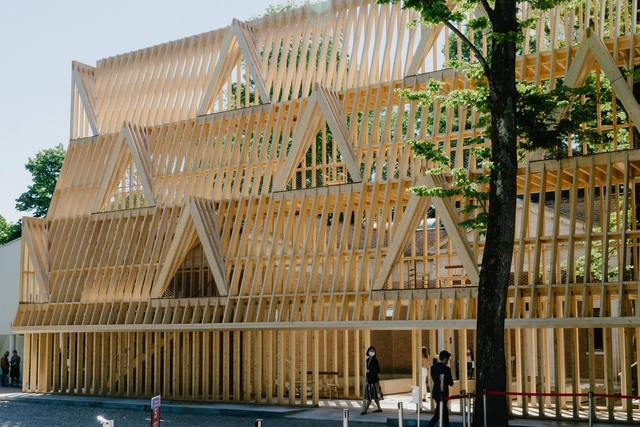
As the 19th International Architecture Exhibition enters its final month before closing on November 23, the 2025 Venice Architecture Biennale continues to reaffirm its position as one of the most influential global platforms for contemporary architectural discourse. Opened to the public on May 10 under the curatorship of Italian architect Carlo Ratti, this edition, titled "Intelligens. Natural. Artificial. Collective." brings together over 750 participants across 65 national pavilions, 11 collateral events, and numerous parallel initiatives throughout the city. Structured around the themes of Natural, Artificial, and Collective Intelligence, the Biennale examines how architecture can respond to the intertwined challenges of climate adaptation, technological transformation, and social collaboration.

One Month Until Closing: 10 Must-See National Pavilions at the 2025 Venice Architecture Biennale - Image 1 of 4One Month Until Closing: 10 Must-See National Pavilions at the 2025 Venice Architecture Biennale - Image 2 of 4One Month Until Closing: 10 Must-See National Pavilions at the 2025 Venice Architecture Biennale - Image 3 of 4One Month Until Closing: 10 Must-See National Pavilions at the 2025 Venice Architecture Biennale - Image 4 of 4One Month Until Closing: 10 Must-See National Pavilions at the 2025 Venice Architecture Biennale - More Images+ 6

The Cultural Significance of Greenhouses: A Complicated Identity

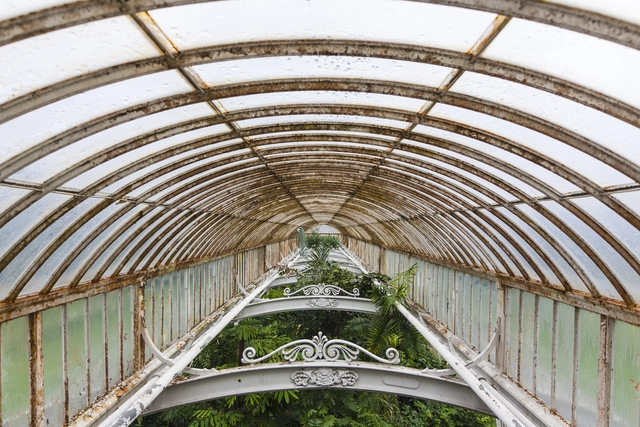
The greenhouse is a commonplace architectural typology, a frequent fixture in a host of cities, built to shield plants from the elements — from excess heat or cold or to prolong the growing season of crops. Evidence of the presence of greenhouses in some form stretches as far back as the 1450s during the Korean Joseon dynasty, but it is in the 1700s that the greenhouse was born as a specific architectural form. Glassmaking improved, and thus the largely transparent, wide-span structures we know today were born. Nestled under the intricate iron metalwork of greenhouses are also wider stories — of control and undeserved wealth, and resistance.

The Cultural Significance of Greenhouses: A Complicated Identity  - Image 1 of 4The Cultural Significance of Greenhouses: A Complicated Identity  - Image 2 of 4The Cultural Significance of Greenhouses: A Complicated Identity  - Image 3 of 4The Cultural Significance of Greenhouses: A Complicated Identity  - Image 5 of 4The Cultural Significance of Greenhouses: A Complicated Identity  - More Images+ 5

"Dancing Before the Moon" : British Council Announces Pavilion for the 2023 Venice Biennale

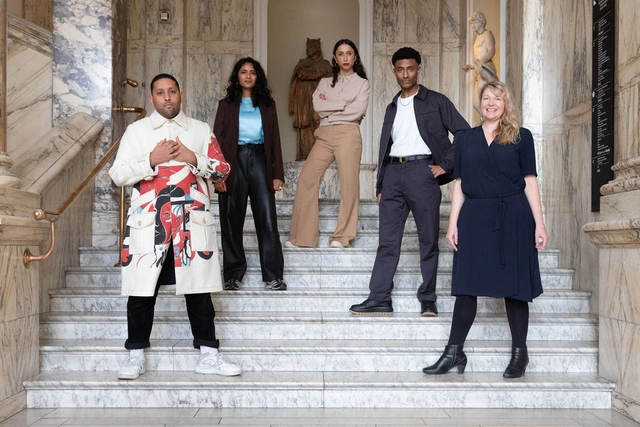
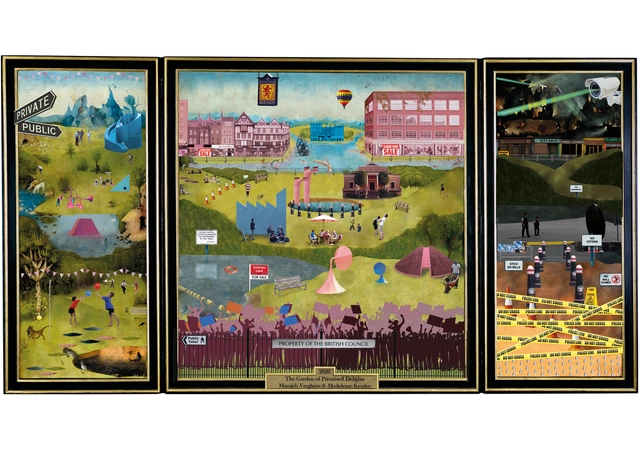
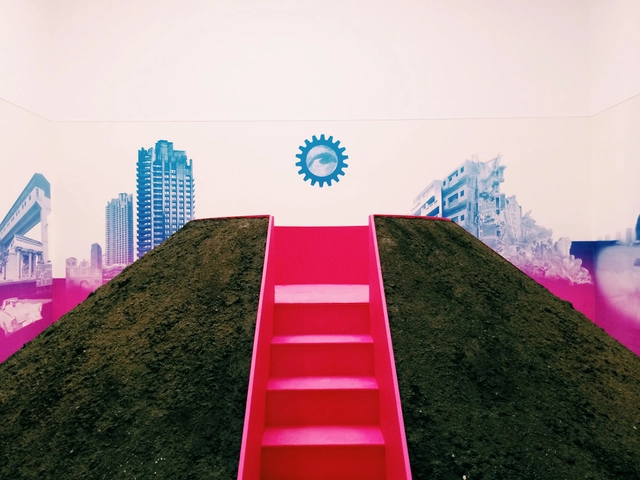
Many collaborators around the world have started submitting their pavilion concepts, all under the theme of the Biennale: The Laboratory of the Future for the 18th International Architecture Exhibition of La Biennale di Venezia. This year, the British Pavilion will be curated by Jayden Ali, Joseph Henry, Meneesha Kellay, and Sumitra Upham. The exhibition, Dancing Before the Moon will display several installations that include new creations from six designers and artists.

"Dancing Before the Moon" : British Council Announces Pavilion for the 2023 Venice Biennale - Image 1 of 4"Dancing Before the Moon" : British Council Announces Pavilion for the 2023 Venice Biennale - Image 2 of 4"Dancing Before the Moon" : British Council Announces Pavilion for the 2023 Venice Biennale - Image 3 of 4"Dancing Before the Moon" : British Council Announces Pavilion for the 2023 Venice Biennale - Image 4 of 4Dancing Before the Moon : British Council Announces Pavilion for the 2023 Venice Biennale - More Images+ 15

Curatorial Team Selected for British Pavilion at the 2023 Venice Biennale

The British Council has announced that Jayden Ali, Joseph Henry, Meneesha Kellay and Sumitra Upham will be the curatorial team that will represent Great Britain at the 18th International Architecture Exhibition - La Biennale di Venezia. The team will transform the British Pavilion into celebratory spaces that "embrace collective construction methods and processes that avoid exploiting people and the planet". The 18th International Architecture Exhibition will be held from May 20th until November 26th, 2023.

Curators of 2021 Venice Architecture Biennale on the Future of the Built Environment in Design and the City Podcast

In this two-part episode of Design and the City - a podcast on how to make cities more livable – reSITE covers the 17th Venice Architecture Biennale, exploring the question of “How will we live together". Part-one looks into the works of the U.S, Nordic, and Luxembourg Pavilion curators, focusing on their use of timber construction as an answer to the exhibition's theme. Part-two features curator Hashim Sarkis and Greg Lindsay, along with the British and Austrian pavilion curators, as they explore the topic of accessibility.

Curators of 2021 Venice Architecture Biennale on the Future of the Built Environment in Design and the City Podcast - Image 1 of 4Curators of 2021 Venice Architecture Biennale on the Future of the Built Environment in Design and the City Podcast - Image 2 of 4Curators of 2021 Venice Architecture Biennale on the Future of the Built Environment in Design and the City Podcast - Image 3 of 4Curators of 2021 Venice Architecture Biennale on the Future of the Built Environment in Design and the City Podcast - Image 4 of 4Curators of 2021 Venice Architecture Biennale on the Future of the Built Environment in Design and the City Podcast - More Images+ 25

Update: Foster + Partners Thames Hub proposal moves forward

Subscriber Access | 
Update: Foster + Partners Thames Hub proposal moves forward - Featured Image
© Foster and Partners

Foster + Partners, Halcrow and Volterra, the team behind the Thames Hub proposal, welcomed reports yesterday that the government will be considering a Thames Estuary Airport when it launches its consultation to discuss options for retaining the UK’s aviation hub status. The proposal, which includes a comprehensive environmental management strategy, is capable of being privately funded and built within 16 years. Estimations for the capital costs include: a new £20 billion, 150 million passenger estuary airport; £20 billion, four track orbital rail line and utilities spine; £6 billion barrier crossing and tidal power generation that will power the airport with green energy; and an additional £4 billion for improving infrastructure.

On behalf of the team, Norman Foster stated, “We welcome reports that the government is considering the case for an estuary airport, and the extra airport capacity that it can provide, when it consults in March on options for retaining the UK’s aviation hub status as part of the nation’s aviation strategy.”

Continue reading for more on this update.

Update: Foster + Partners reveal developments for Thames Hub Proposal

Subscriber Access | 
Update: Foster + Partners reveal developments for Thames Hub Proposal - Featured Image
© Foster and Partners

Thames Hub continues to make progress since Foster + Partners revealed the proposal in early November. The £50bn project includes a £20bn high-speed Orbital Rail line around London; a new £6bn Thames Barrier and crossing; and a £20bn international Estuary Airport, with annual capacity for 150 million passengers. Comprehensive environmental management strategies have been made in order to minimize the impact of development and create significant opportunities for new wildlife habitats.

Continue reading for more details.

Update: Foster + Partners reveal developments for Thames Hub Proposal - Image 7 of 4Update: Foster + Partners reveal developments for Thames Hub Proposal - Image 2 of 4Update: Foster + Partners reveal developments for Thames Hub Proposal - Image 3 of 4Update: Foster + Partners reveal developments for Thames Hub Proposal - Image 5 of 4Update: Foster + Partners reveal developments for Thames Hub Proposal - More Images+ 4