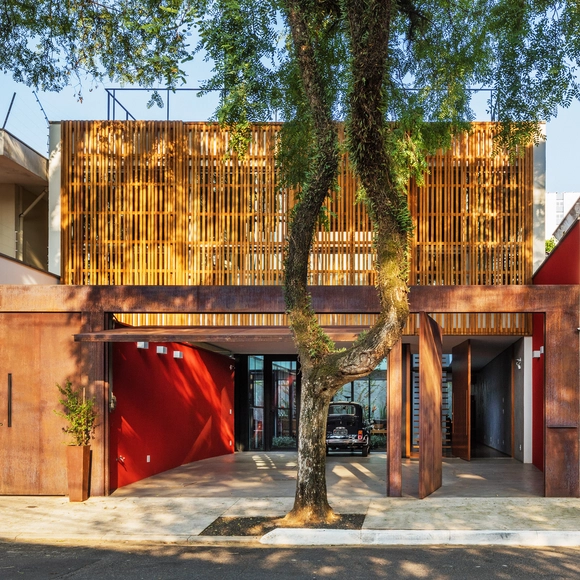
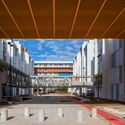
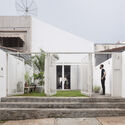
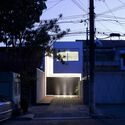
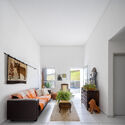
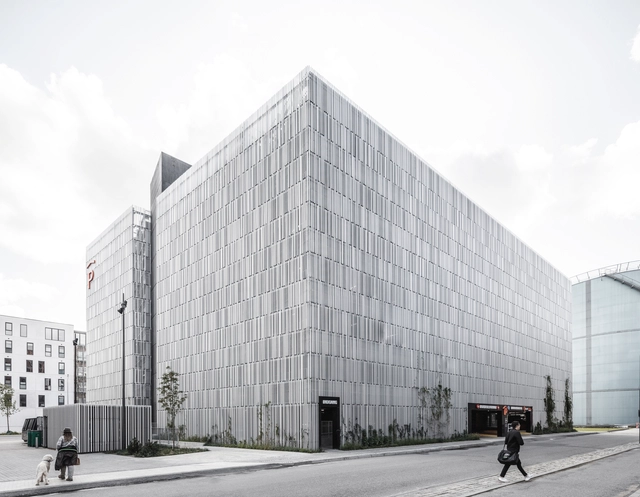
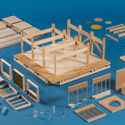
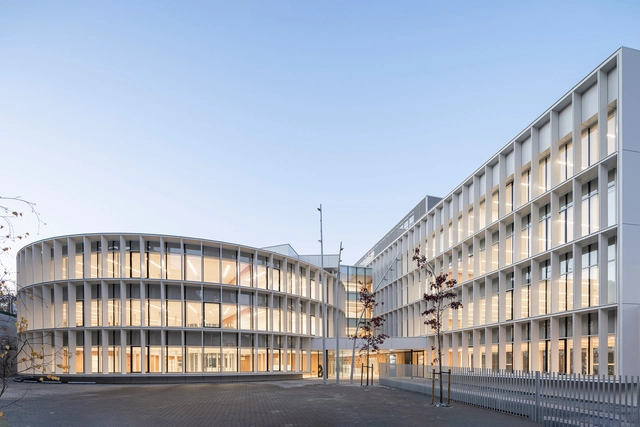
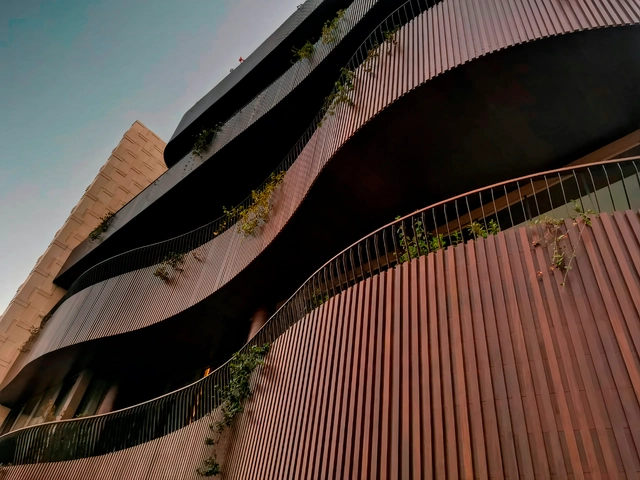
The concept of "eyes on the street" is perhaps the most famous within architectural and urban literature when it comes to urban security. Jane Jacobs uses this expression to refer to people who - consciously or unconsciously - use public spaces or observe them from their homes, generating natural surveillance. A movement that, within our discipline, is encouraged both through quality public spaces and through the powerful relationship between the public and private created through building facades. Advocating for this daily control, Jacobs believes in a way of making architecture and cities that condemns excessive verticalization, reinforced by isolated buildings and single-use ones that deny contact with the street
The principles of the circular economy have been most influential and applicable to the construction industry. Emphasizing the efficient use of resources, models around reuse and recycling of components and materials are increasingly being pioneered by global architecture practices. The concept of "design for disassembly" has emerged as an innovative approach especially in the case of building facades. Striking a balance between the demands for new infrastructure and the transition towards sustainability requires a review of traditional facade design throughout its lifecycle.
Architecture – once it moved out from under its cavernous beginnings – started off largely nomadic. For a long time, the shade of trees and moveable tents made from animal skin were utilized instead of more permanent dwellings to meet nomadic lifestyles and basic survival needs. These early portable structures were primarily supported by wooden frames and were used by various ancient civilizations, including the Bedouins in the Arabian Peninsula and the Native American tribes in North America. The advent of woven cloth some 40,000 years ago made the dwellings even lighter and easier to transport, a boon to nomadic cultures around the globe.
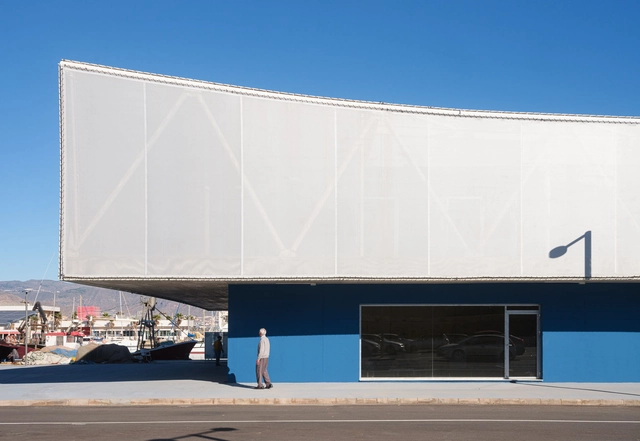
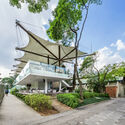
Though tents have remained popular since then in recreational contexts and as a staple of the architectural form, contemporary architecture has rediscovered the principle of draping fabric and taken its development further – not just for temporary structures, but for permanent buildings and installations, too. Advanced and durable materials have turned fabric into a facade and roof alternative that has sparked a highly specialized sector within the construction industry and created some of the most intriguing exteriors around the globe.
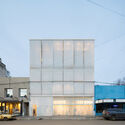
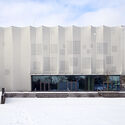
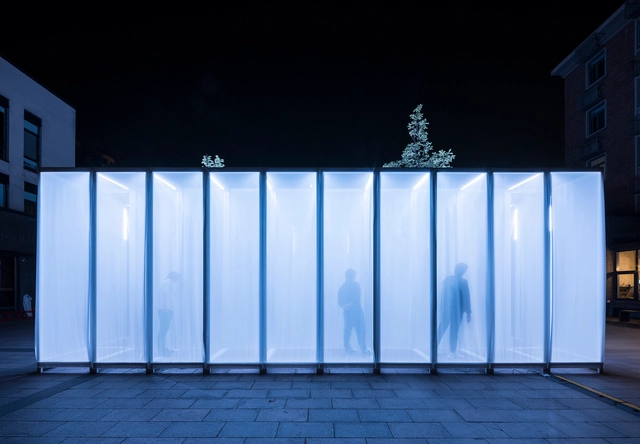
Translucency, at its essence, is an optical property that enables the total or partial passage of light through materials, without providing a clear view of the objects behind them. Despite its apparent simplicity, this property has fascinating applications in the architectural field, generating attractive and powerful proposals that play with light without obstructing views.
Traditionally, glass sheets have been the symbolic material associated with transparency, commonly used in the fabrication of doors and windows. However, technological advances in production and the exploration of innovative materials have significantly expanded the opportunities to take advantage of this property in both interior and exterior applications. These advances challenge preconceived limitations and encourage creativity in the development of novel architectural proposals.
https://www.archdaily.com/1013517/seeing-through-layers-translucent-materials-in-architectureEnrique Tovar
Cortesia de SolarLab, Photo by doublespacephoto.com
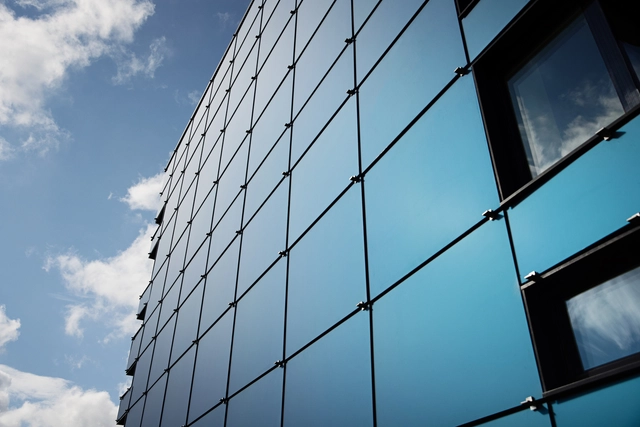
Autonomy and freedom during the design process are invaluable resources for architects, especially when defining a volume and choosing materials, systems, and solutions for a building. The flexibility of these elements must not only promote their harmonious integration within a structure but, above all, allow architects to incorporate them without the need to change their initial concepts. This design freedom becomes even more crucial in the context of facades, specifically in building-integrated photovoltaic (BIPV) facades. This is due to the unique challenge of incorporating the energy capture function into the design of the building envelope, simultaneously demanding adaptation to the designer's aesthetic preferences and effective performance, as well as the entire infrastructure for capturing and transporting energy.
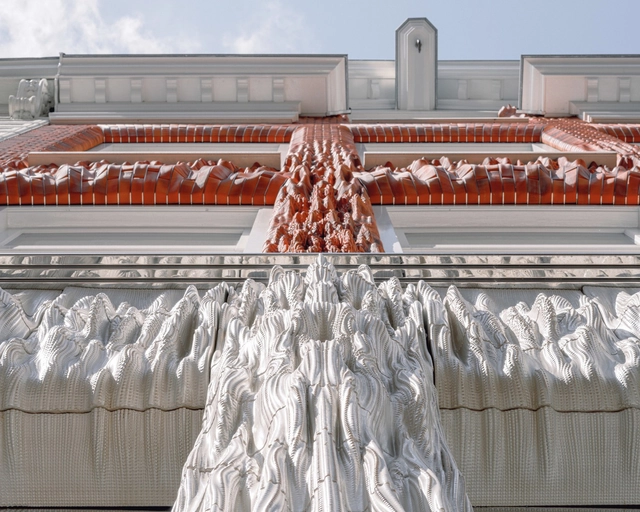
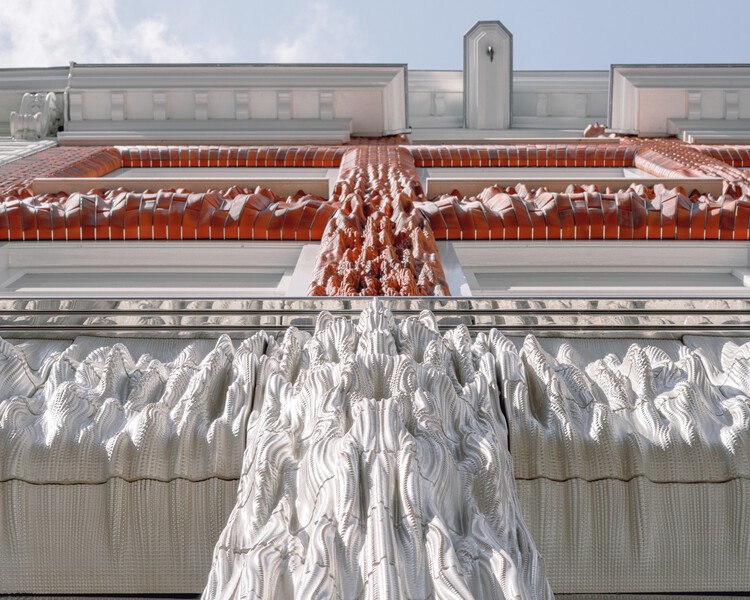
Advancements in 3D printing technology are progressing at an unprecedented pace, accompanied by a parallel surge in computational power for manipulating and creating intricate geometries. This synergy has the potential to offer architects an unprecedented level of artistic freedom in regards to the complex textures they can generate, thanks to the technology's remarkable high resolution and rapid manufacturing capabilities. If the question of production was out of the way, and architects could now sculpt virtually anything into a facade effectively and efficiently, what would they sculpt?
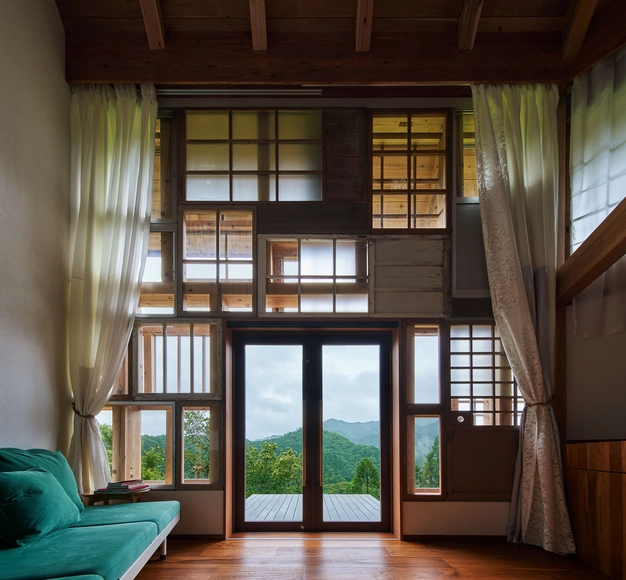
A vital aspect of a circular economy lies in shifting our view of waste. Labeling an item "waste" implies voiding its value and ending its useful role in a traditionally linear economy. While the item might be out of sight and out of mind, its life continues in the landfill. This shift in perspective regarding waste means opening our minds to the opportunity that the abundance of junk presents. These designers and architects have managed to not only effectively reclaim discarded objects but also to make them look precious, imbuing them with new meaning and value through their careful curation.
Moving towards modernity implies questioning established concepts. Today, we are witnessing several projects and approaches in architecture that explore alternatives to energy-intensive building systems, materials, and technologies commonly used in today's construction. These projects, far from adopting approaches that reject technology, seek to promote conscious architectural practices. They aim to go back to basics through passive strategies, using natural materials and a contextual understanding to develop sustainable architecture.
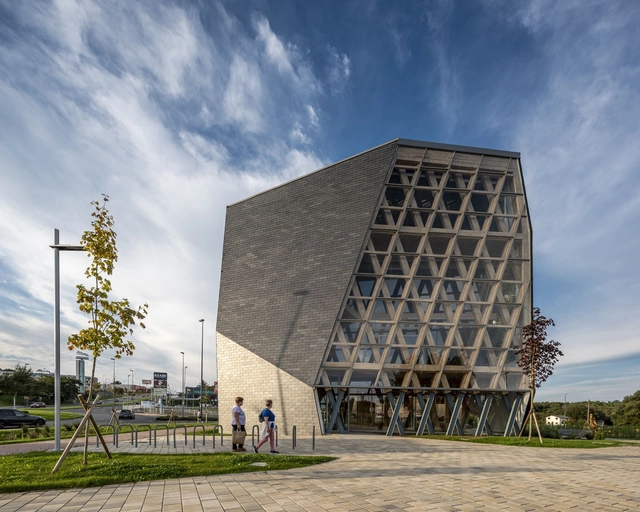
To boost sustainable architecture, it is crucial to have building models and materials that become recognizable icons in their immediate context, thus setting a precedent for the development of future proposals. One such example can be found in Spain, with the "Impulso Verde" project carried out in the city of Lugo which stands out for its construction model based on passive strategies and regional materials. In this project, using natural slate as cladding for the ventilated facade system and employing local resources in the structure was essential for the building's ecological footprint. Additionally, these elements strengthen the building's identity by connecting it to the surrounding landscape.
https://www.archdaily.com/1010187/sustainable-building-models-an-eco-friendly-structure-in-natural-slate-within-a-multi-ecological-neighborhoodEnrique Tovar
Solar Facades on Det Grønne Hus. Image Courtesy of SolarLab
Renovations involve design processes that transform, refurbish and enhance architectural elements. From gentle aesthetic changes to structural additions, building renovation can improve functionality, safety, and energy efficiency. By integrating new technologies, contemporary strategies are giving new life to existing buildings, propelling already-built projects into the future.
Through their energy-efficient, durable, and bespoke solutions, SolarLab leverages architectural heritage by introducing custom energy-producing facades to existing buildings. By seamlessly combining technologies with design freedom, these solar facades adapt to each project’s style while acting as rain screens with a long, maintenance-free service life. Moreover, by producing sustainable electricity, integrating this system into refurbishment projects contributes to the building’s day-to-day operations, effectively reducing its environmental impact.
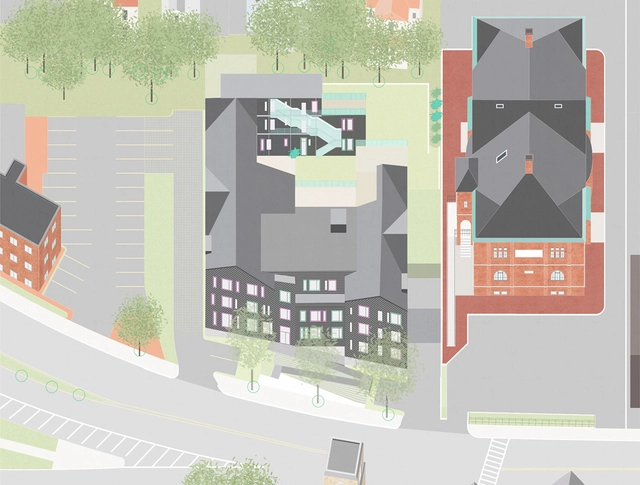
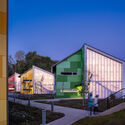
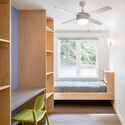
In Greater Boston's city of Malden, Massachusetts, an inter-generational community of thirty households hired an architecture firm and collectively designed their cohousing community. Responding to the cohousing community's request for collective living in an urban setting, French2D designed a typology-challenging building with individual residential units connected by a framework of shared spaces. The result is a 48,700 sqft unique and colorful type of multi-family housing. It is one of a growing number of cohousing projects in the United States.
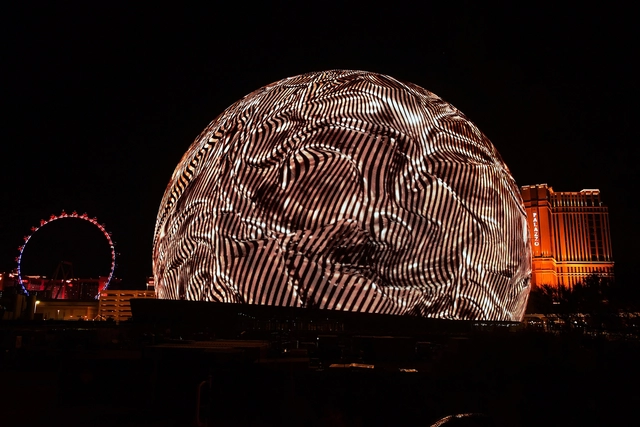
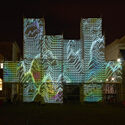
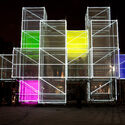
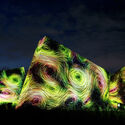
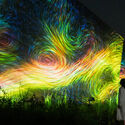
In July, Las Vegas unveiled an extravagant spectacle - a colossal LED-wrapped spherical structure, standing 366 feet tall and 516 feet wide. This entertainment event venue instantly captured the public's gaze, becoming a local landmark and attracting global attention through extensive news coverage. Similar spherical concepts have been proposed in London and at a smaller scale in Los Angeles. These massive display structures open up questions about facades as digital canvases. What role can architecture take as an urban canvas other than as a billboard? And what are different ways for architecture to engage the public through digital art besides gigantic LED spheres?
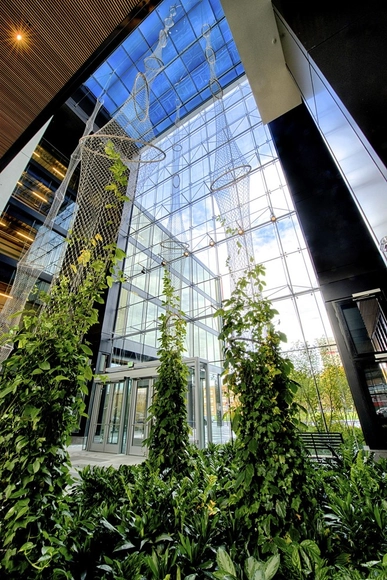
With the high population density of cities and voracious appetite of the market for every square meter, it is not uncommon for urban vegetation to be forgotten. For this reason, forests, vegetable gardens, and vertical gardens have aroused much interest and figured into a variety of different innovative proposals. Using the vertical plane to maintain plants in an urban setting is a coherent and common-sense solution, especially when there is little possibility of bringing green to the level of the people on the streets.
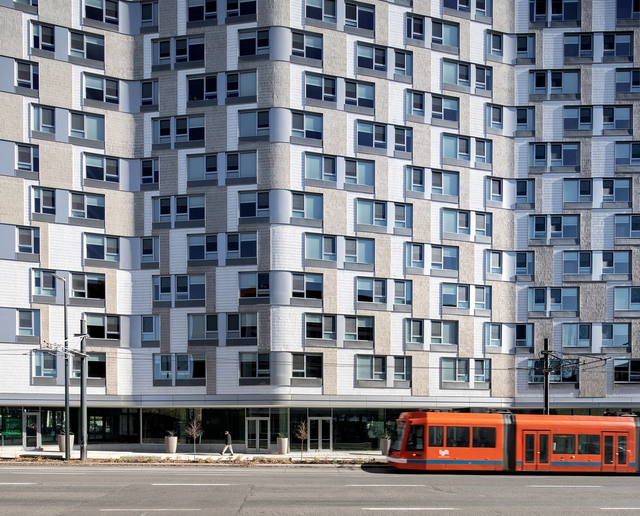
Despite the bad reputation of public housing in the United States, organizations, planners, and architects in Portland, Oregon are determined to create affordable housing that does not sacrifice quality or aesthetic appeal. While Portland has developed a bad reputation regarding its homelessness problem, in the past four years resources have flowed in the right direction, and designers have taken this in stride to design livable and striking buildings, within very restrictive budgets. Through innovative and creative approaches to construction and design, these organizations and designers have utilized federal, state, and city resources to make these types of projects a reality.
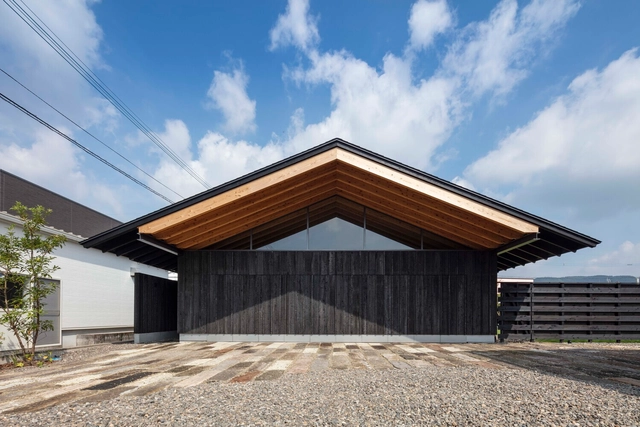
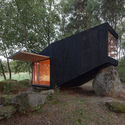
Ancestral, vernacular, minimalist and harmonious. For many, these words have come to define the architecture of Japan, a country that has long served as a source of cultural and technological inspiration for countless societies worldwide. Popular Japanese techniques have reached even the most remote corners of the globe, gaining traction across various fields that range from technical craftsmanship to digital innovation. Within the realm of architecture, the appropriation and reinvention of various materials and construction systems –such as the use of carbonized wood in facades– has been an enduring theme.
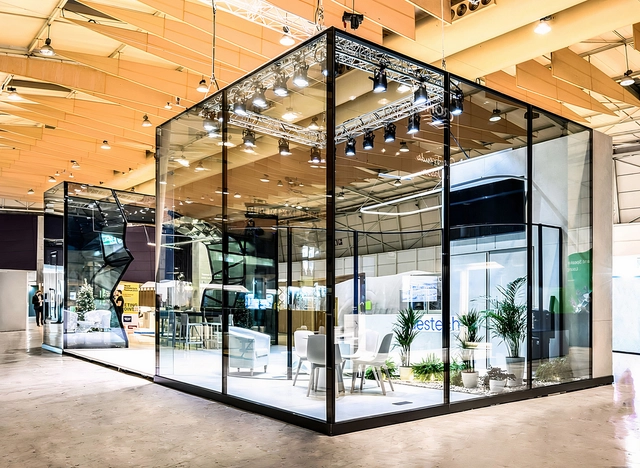
In the past, glazed surfaces tended to be small and almost opaque; but this began to change throughout the years due to the growing trend of increasingly larger glass panes in construction. Accompanied by thinner frames, they dilute the boundaries between the inside and the outside, and have become ubiquitous in modern buildings. In fact, it is increasingly rare to find a contemporary work of architecture that does not include the remarkable presence of glass: this material is present in the most diverse architectural scales, and its transparency provides harmonious integration with the surroundings and generous natural light for buildings. Traditional systems with frames are still predominant, but frameless glass facades are gaining ground in specific architectural projects, as they create perfect connections between the glass and the structure of the building, resulting in a singular aesthetic with soft and harmonious transitions. By eliminating heavy frames, a project's aesthetics can be enhanced while also improving the quality of life inside.
Researchers point out that "proto-greenhouses" arose to fulfill the desire of the Roman Emperor Tiberius (42 BC to 37 AD) to eat cucumbers every day of the year. Since it was impossible to grow the vegetable on the island of Capri in winter, his gardeners developed beds mounted on wheels that they would move into the sun when possible, while on winter days they would place them under translucent covers made of Selenite (a type of gypsum with a glassy appearance). But the production of large-scale greenhouses only became possible after the Industrial Revolution with the availability of mass-produced glass sheets. Since then, they have been used to grow food and flowers, forming a microclimate suitable for plant species even in places with severe climates. But in some cases, these artificial growing conditions can also form interesting living spaces. The recent Lacaton & Vassal awards rekindled this interest. How is it possible to create greenhouses that can be good for both humans and plants?
Enhancing the energy performance of existing buildings through refurbishment processes provides the opportunity to create more comfortable and sustainable environments, while also improving their functionality, aesthetics, and safety. Architectural approaches to these renovations encompass various aspects of a building, including interior spaces, structure, internal systems, and facades.
When it comes to rethinking a building's envelope, STACBOND’s composite panel solutions delve into the development of ventilated facades. These facade systems serve as an architectural strategy for energy-efficient building renovations. Minimizing energy consumption for heating and cooling, the rehabilitation strategy incorporates thermal insulation, moisture management, and thermal mass optimization.
Solid wood, which has been used since prehistoric times and is still highly valued today, is extracted directly from trees without undergoing any lamination, pressing, or gluing processes. While it remains a universally used material in architecture, its widespread use has led to an increased demand and less efficient resource management. Therefore, solutions are being sought to optimize its use in production processes and reduce its consumption without losing its capabilities and characteristic beauty. To address issues such as warping, aging, and high environmental costs associated with solid wood, materials like Technowood have been developed. Combining technology and super-strength composites with natural wood veneers, Technowood maintains the beauty and characteristics of solid wood, but with greater durability and a sustainable approach, making it a suitable alternative.
https://www.archdaily.com/1000184/creating-decorative-long-lasting-facades-with-natural-wood-and-technologyEnrique Tovar